REVIEW · HO CHI MINH CITY
Discover Saigon’s Local Sites and Culture by Motorbike
Book on GetYourGuide →Operated by CONNECT CULTURE CO.,LTD · Bookable on GetYourGuide
Saigon changes fast when you see it from the back of a scooter. This 2-hour-to-210-minute ride strings together local landmarks and neighborhood life across several districts, from the Thích Quang Đức Monument to a floating-market style stop and big views toward District 1. I love that it mixes driving with short walks, so you actually look at what’s around you instead of just getting transported, and I also like the food-and-drink stops built into the route.
The other thing I’d highlight is the human scale: old apartment life in District 3, Flower Market time, and market areas in District 5 where you can see daily trade up close. It’s also the kind of tour where names like Lucy, Jay, and Elisa show up in guides people loved for English clarity and careful riding, so you’re not left guessing. One drawback: it’s a motorbike tour in real traffic, so if you’re uncomfortable with speed, noise, or close attention on the road, you may want the car option instead.
In This Review
- Key highlights worth getting excited about
- From Hotel Pickup to Helmet On: what this tour is really for
- Thích Quang Đức Monument and District 3: seeing history and ordinary life in the same breath
- The Vietnamese coffee moment: small stop, big payoff
- Flower Market energy and District 5’s market maze
- A typical Chinese temple stop: context for the neighborhood
- District 4 and 7: slum areas and an old mafia area
- The special dish and local drink: energy for the final stretch
- Saigon River Tunnel and District 1 scenes: finishing with a big-city view
- Price, value, and the options that make sense
- Who should book this bike-and-culture tour
- Should you book it or skip it?
Key highlights worth getting excited about
- Thích Quang Đức Monument as a strong cultural starting point before you hit the neighborhoods
- District 3 local apartment area: everyday Vietnamese life, not just big photo stops
- District 5 market circuit: motorbikes, pets, electronics, and Chinese medicine in one long stretch
- Floating market-style stop: a small Mekong Delta feel right inside Saigon
- District 4 and 7 views: slum areas and an old mafia area for sharper reality checks
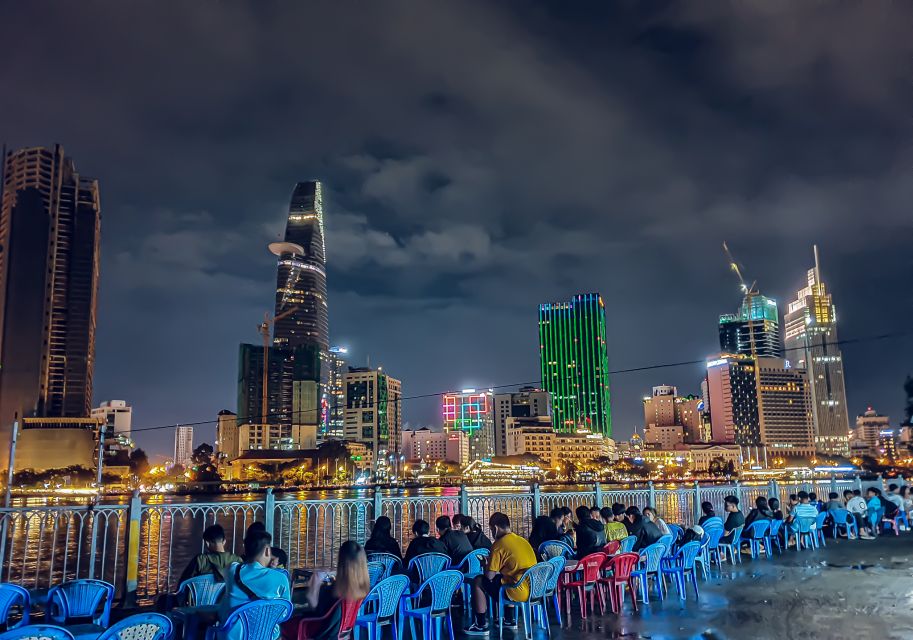
- Saigon River Tunnel + District 1 skyline scenes to finish with real scale
From Hotel Pickup to Helmet On: what this tour is really for
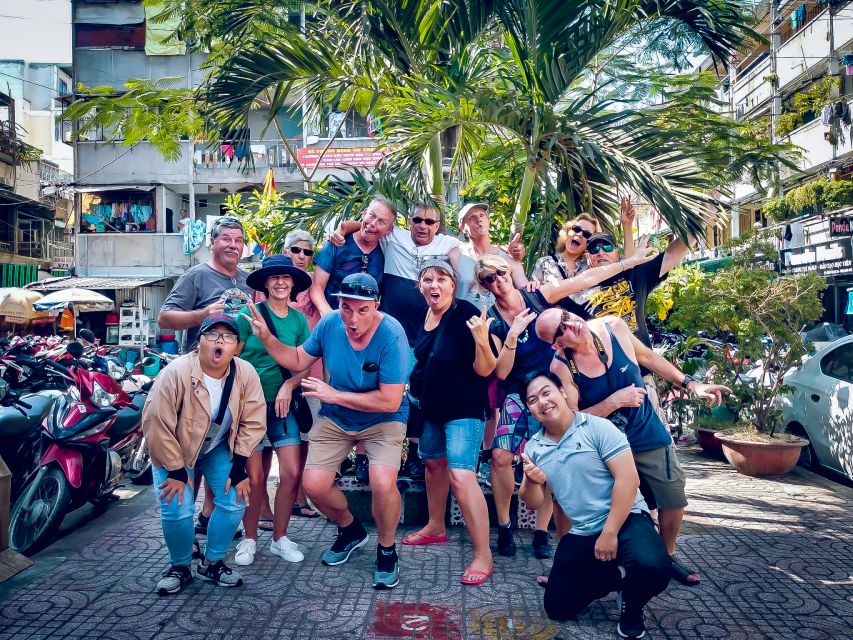
This is a getting-your-bearings fast kind of tour. You’ll get picked up at your hotel or a specified meeting point and spend the bulk of the time on a motorbike with an English-speaking guide and driver, plus helmets and ponchos included. The time window is listed as 2 hours up to 210 minutes, which matters because you’re not just doing quick look-and-go stops. You’ll ride, get off, and take small walks at key points so the city actually sticks in your memory.
I like that the route is designed to show you “how Saigon works” in pieces. You start at a monument tied to a well-known historical figure, then you slide into residential life, then into trade markets, then into the river-and-tunnel angle that connects the city’s modern side. It’s a tour for people who want context, not a checklist of famous sights.
Also, the transport quality is a big deal here: 93% of reviews gave transport a perfect score. That lines up with what I’d expect from a well-run bike tour—careful driving is the difference between scary and confident.
You can also read our reviews of more tours and experiences in Ho Chi Minh City.


Thích Quang Đức Monument and District 3: seeing history and ordinary life in the same breath
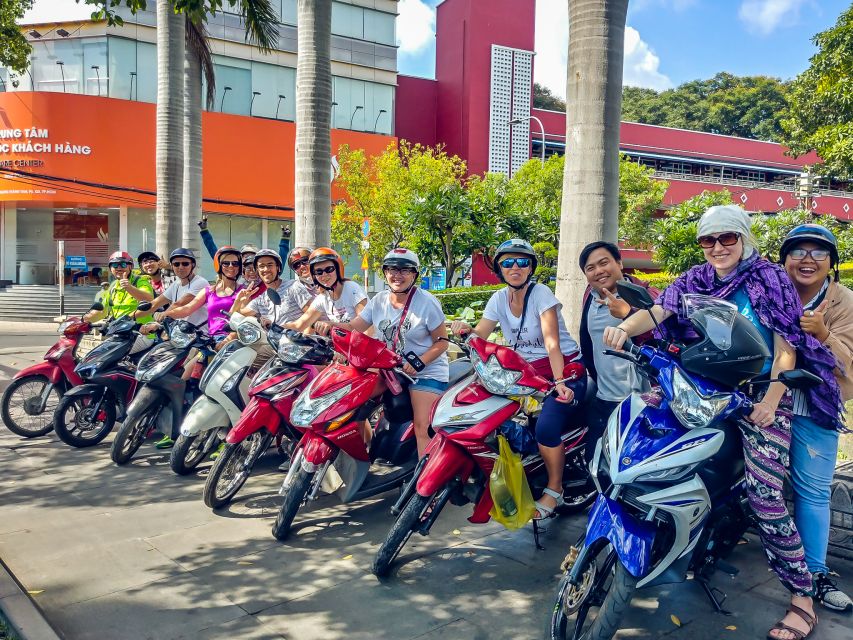
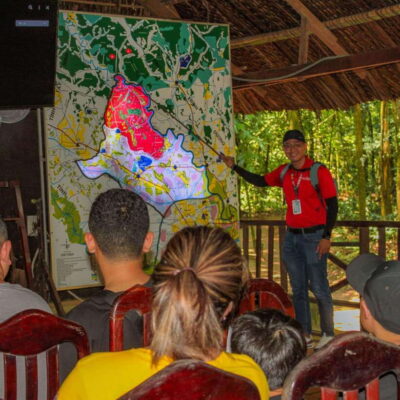
You begin with a visit to the Thích Quang Đức Monument. Even if you don’t know the background, it’s a meaningful start because it sets a serious tone before the tour gets more everyday. From there, the route shifts to District 3, described as Saigon’s oldest district, and you’ll visit an old apartment to see local life up close.
This is one of the best parts of the experience because it’s not staged. An apartment building doesn’t feel like a tourist attraction. It feels like how people actually move through daily routines—where they live, what they do, and what their “normal day” looks like. One of the stand-out strengths of guides named in recent tours—people like Jay and Lucy—was their ability to explain what you’re seeing in simple English, so it doesn’t turn into a vague sightseeing loop.
What to watch for: you’ll likely spend some time standing and walking through tight, everyday spaces. Wear comfortable shoes and expect less smooth sidewalks than you’re used to.
The Vietnamese coffee moment: small stop, big payoff
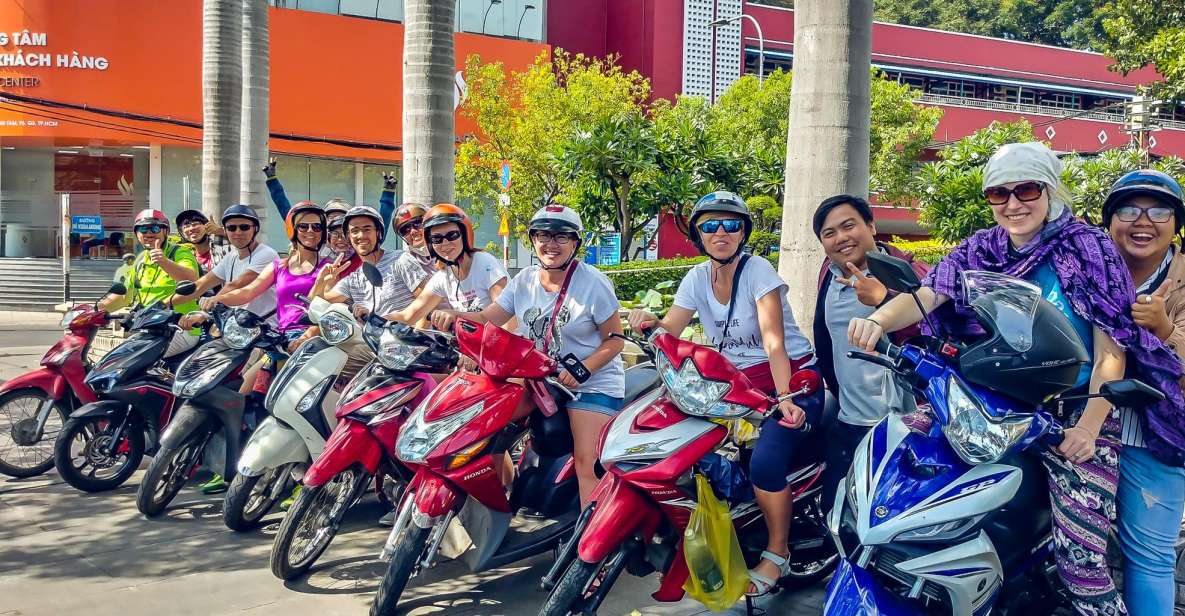
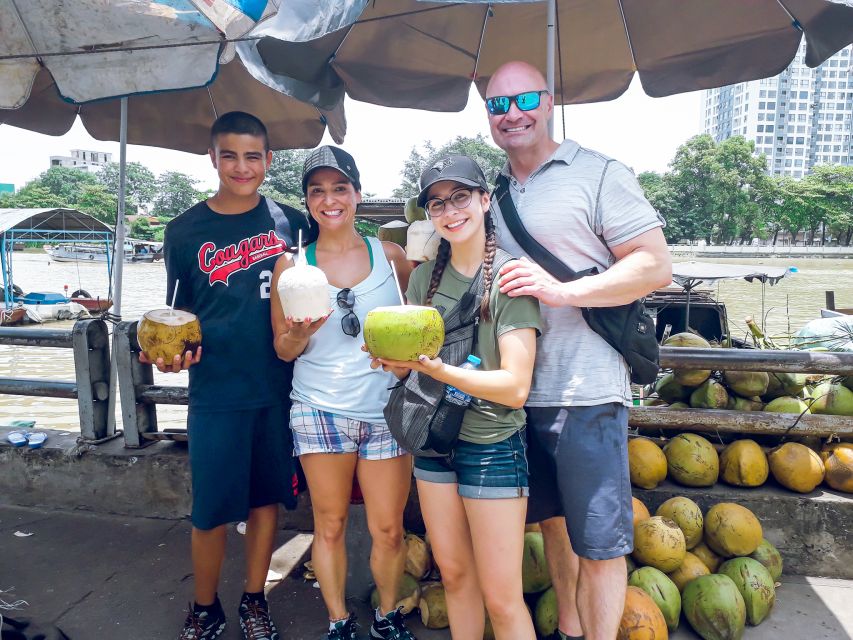
After District 3, you stop at a local coffee shop for a typical Vietnamese coffee or coconut. This doesn’t sound like the main event, but in practice it often becomes the “wait—this is Saigon” reset button. You get a short pause from motion, and you taste something you can only experience on the ground.
In one described variation, the coffee stop included a long-running shop—an 82-year-old coffee place—and even how the coffee is prepared. That kind of detail is exactly what makes these stops valuable: it’s not only about flavor, it’s about process and people.
Practical tip: bring a little cash as requested, because you may want extra drinks or small snacks beyond what’s served in the program.
Flower Market energy and District 5’s market maze
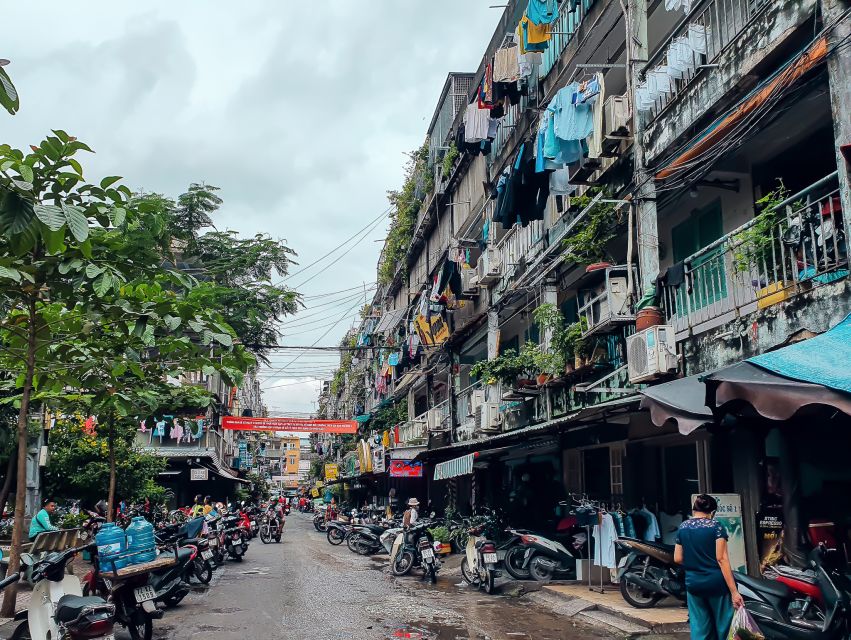
Next up is the biggest flower market in Saigon. Flowers can sound like a “pretty photo” stop, but here it’s also about commerce and timing: where supply comes from, how people buy, and the scale of what moves through the city. If you do this in the morning or late afternoon, the colors and lighting can feel especially alive.
Then comes the big jump: China Town in District 5, plus a series of market areas. The route includes ghost-building style streets and then works its way through market zones for:
- motorbikes
- pets
- electronics
- Chinese medicine
This is a tour for people who like variety. You’re not stuck in one theme. You’re watching different trades, different kinds of shops, and different crowds in one continuous stretch.
The one consideration: this part can feel intense if you’re sensitive to sights and smells. The tour is openly designed for real life, so go in with curiosity and keep your expectations grounded.
A typical Chinese temple stop: context for the neighborhood
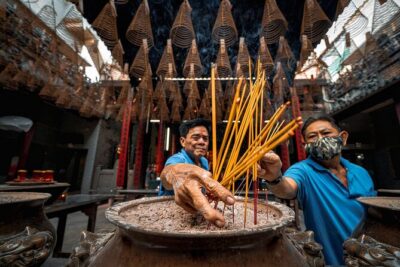
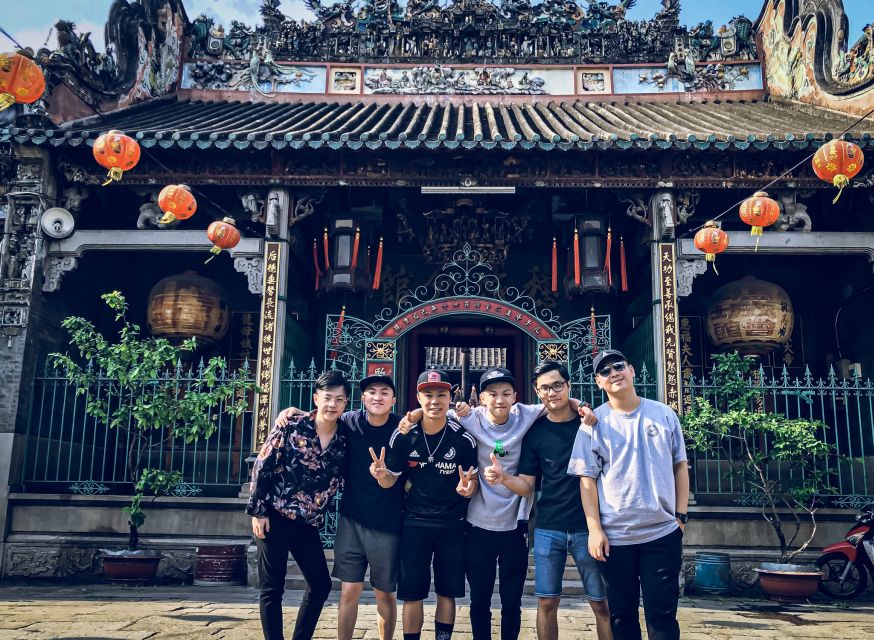
After the market circuit, you visit a typical Chinese temple. This makes the District 5 section feel complete, because it ties the commerce streets to religious life and community identity. It also gives you a calmer moment after the busy marketplaces.
This temple stop isn’t just a photo opportunity. It’s there to help you understand why certain neighborhoods look and feel the way they do—why the mix of cultures isn’t random, and how people maintain traditions amid street-level hustle.



District 4 and 7: slum areas and an old mafia area
One of the most talked-about components of this tour is what happens later: you’re led toward slum areas and an old mafia area in Districts 4 and 7. This is the part that shifts your mindset from “fun ride and sights” to “reality check.”
I appreciate it because it doesn’t let you leave Saigon only with shiny angles. The city has layers, and this stop helps you see them without making it a tragedy tour. It’s also where a guide’s explanations matter most—someone like Vinh or Danny (names that repeatedly show up in great experiences) can turn what you’re seeing into something understandable, not just scenery.
Be respectful in how you look. Keep your camera ready, but don’t treat people like background objects. Short glances and quiet walking go a long way.
The special dish and local drink: energy for the final stretch
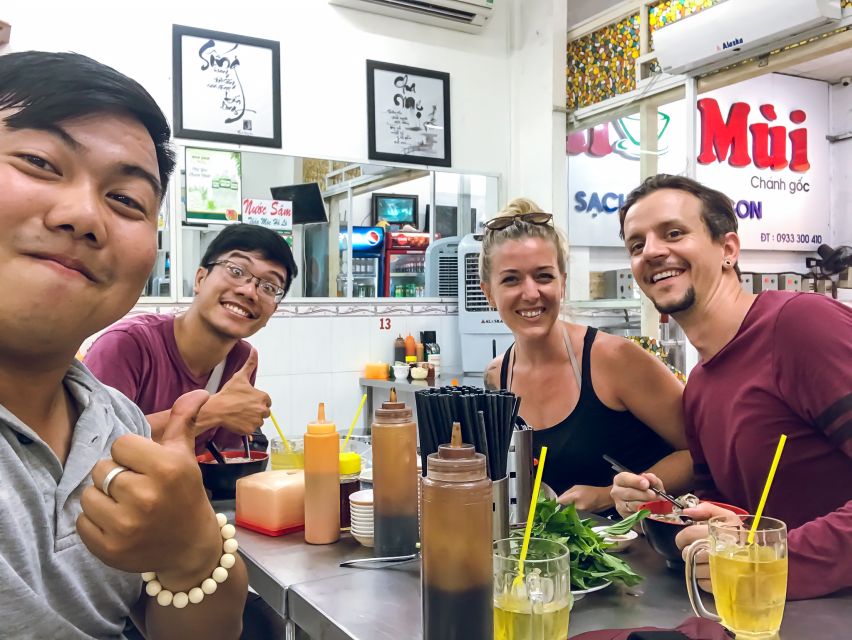
To keep you going, the tour includes a special dish and a local drink. This stop matters more than you’d think because by the time you reach it, you’ve already ridden through multiple districts and worked your way through dense market areas.
One review-style detail you should take seriously: meal needs can sometimes be adjusted—one guide reportedly accommodated a vegan request. So if you eat a specific way, it’s worth asking upfront or speaking with your guide at the start.
What to expect: you won’t just get handed a random plate. The tour is designed to connect food with the neighborhoods you’re moving through.
Saigon River Tunnel and District 1 scenes: finishing with a big-city view
Finally, you head toward the Saigon River Tunnel in District 2, then you enjoy spectacular scenes of District 1. This is a strong finish because the city’s scale hits you all at once. The tunnel segment also feels like the “how the city connects” part of the story—one more reason this tour works even if you’re short on time.
From a rider’s perspective, the ride itself can be part of the spectacle. Several experiences highlight how traffic navigation becomes its own attraction, and that’s where an experienced driver makes you feel safe and steady instead of tense. Guides such as Bean and Kalyn, or Hana in other described tours, were specifically praised for safe, confident driving.
Price, value, and the options that make sense
The base price is listed at $16 per person with a 2-hour to 210-minute format. That’s excellent value if you’re trying to cover a lot of distance and context without spending a full day. You’re getting transport (motorbikes, helmets, ponchos), English-speaking guiding, food and drink, pickup/drop-off, and even photos.
Where value gets even better is when you compare this to doing the same route by yourself. You’d have to figure out timing across multiple districts, learn local streets, and decide where to eat. With this tour, all of that is built into the plan.
If you’d rather not ride a motorbike, the operator offers a car option:
- 7-seat car: +$50
- 16-seat van: +$70
These can help if you’re anxious about traffic but still want the same itinerary feel. Also, there’s a private-tour option with a $5 per person surcharge.
There’s also an upgrade for a Female Ao Dai Rider option: +$10 per person. If that’s important to you culturally, it’s a fun way to add a memorable element to the day.
One more logistics consideration, briefly: free pickup is available for hotels in Districts 1, 3, and 4. If you stay elsewhere, there’s a $5 per person surcharge added by the operator on the service day.
Who should book this bike-and-culture tour
This is a great fit if you:
- want a fast, story-driven way to see multiple Saigon districts
- like street life more than museums
- feel comfortable riding on motorbikes in busy traffic or want the car option
- want local food built into the route (coffee/coconut, plus the special dish)
It’s not for everyone. It’s listed as not suitable for pregnant women, wheelchair users, and people over 80.
Should you book it or skip it?
I’d book it if your priority is local Saigon, not only the famous landmarks. The mix of Thích Quang Đức Monument, District 3 apartment life, flower market, District 5 markets, a temple, a floating-market style stop, and the harder District 4 and 7 reality checks is a smart use of time. You also get practical support: helmet, poncho, pickup, English guidance, and food.
Skip it only if motorbike riding in busy streets is a hard no for you, or if you strongly prefer low-visual-intensity sightseeing. In that case, choose the car/van option and keep the same schedule.
If you do book, wear comfortable clothes and shoes, bring a camera, and carry cash. And if you have any food needs, tell your guide early—some guides have shown flexibility in the meals they serve.