REVIEW · HO CHI MINH CITY
Ho Chi Minh City – Meditation retreat – 2 days 1 night
Book on GetYourGuide →Operated by JANGTOURS · Bookable on GetYourGuide
Your mind will have a schedule.
This two-day, one-night meditation retreat takes you from Ho Chi Minh City out to Thien Ton Phat Quang Pagoda, where you’ll follow a daily rhythm of mindfulness, Buddhist chanting, and hands-on practice. It’s built around learning meditation technique, studying Buddhist doctrines (through readings and structured time blocks), and living right alongside monks and nuns for a taste of monastic life.
What I like most is the mix of sitting practice and real work. You’re not just staring at a wall; you’ll do volunteer tasks like making cakes/tea/tofu, painting on fabric, and even picking vegetables, plus you’ll wash dishes after vegetarian meals. Another strong point is the full-board setup: accommodation in the pagoda and vegetarian meals mean you can focus on the retreat instead of managing logistics.
One thing to consider: if you’re expecting lots of step-by-step meditation coaching, you might be disappointed. Some program elements can feel more like silent practice in a simple setting than guided instruction, and the sleeping/meditation spaces may be basic and communal.
In This Review
- Key Things You’ll Notice on This Pagoda Retreat
- Ho Chi Minh City to Thien Ton Phat Quang Pagoda: What the 2 Days Really Feel Like
- Day 1 Breakdown: Transfer, Meditation, Volunteer Work, and Chanting
- Morning transfer and first meal on-site
- The first meditation session (afternoon)
- Volunteer work: making, painting, and practical mindfulness
- Dinner, dish-washing, and the importance of routine
- Chanting and reading time
- Wholesome seed ritual, prostration, and sleep
- Day 2 Breakdown: Great Bell Meditation, Qigong, Breakfast, and More Volunteering
- Pre-dawn meditation and chanting
- Qigong/martial art practice
- Breakfast and second volunteer session
- Lunch and return to Ho Chi Minh City
- What’s Included (and Why That Affects Value)
- The Real-World Conduct Tips That Keep the Day Smooth
- Meditation Style: Technique vs. Silent Time (Know What You’re Signing Up For)
- Who This Retreat Suits Best (and Who Might Be Happier Elsewhere)
- Price and Logistics: A Quick Reality Check Before You Book
- Should You Book This Ho Chi Minh City Meditation Retreat?
- FAQ
- How long is the retreat?
- What’s included in the $80 price?
- Is transportation to and from the pagoda included?
- What activities are part of the 2 days?
- What should I bring, and what’s not allowed?
- Is this retreat suitable for wheelchair users or for altitude sickness?
Key Things You’ll Notice on This Pagoda Retreat
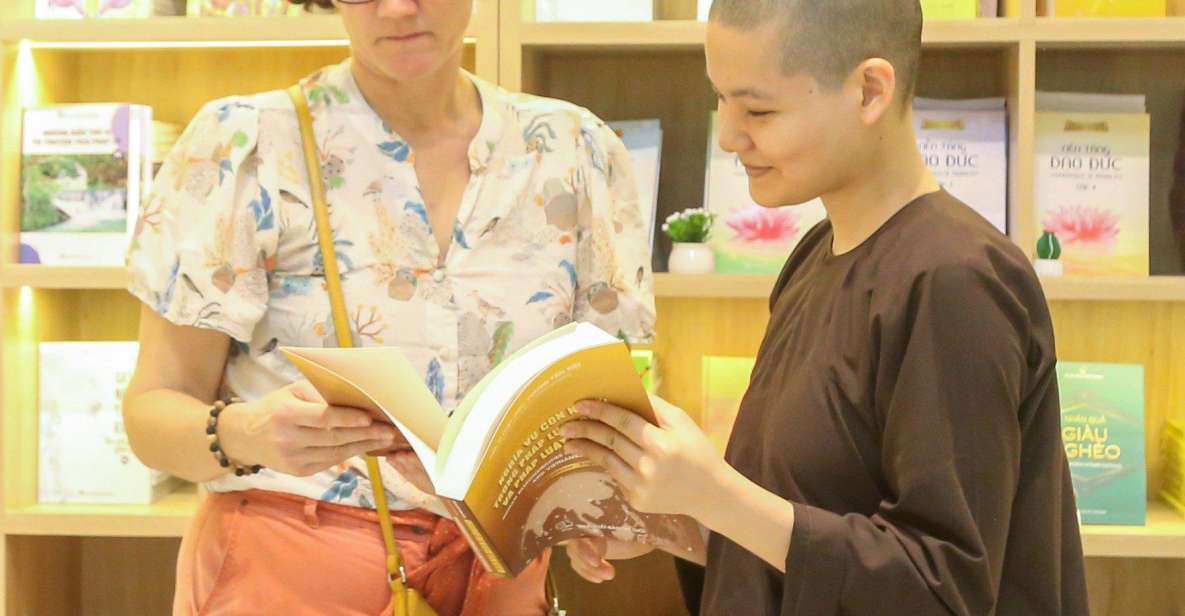
- Living-monastic rhythm: Chanting, early-morning meditation, and daily rituals set the tone from morning to night.
- Volunteer work as practice: Making food items, painting, and garden time turns mindfulness into action.
- Vegetarian meals + dish duty: Eating together is part of the culture, not an add-on.
- Early starts and quiet hours: Expect early meditation, chanting, and long silent blocks.
- Conservative conduct matters: You’ll want to dress modestly and keep behavior respectful.
- Meditation may be light on guidance: If you want constant coaching, plan accordingly.
Ho Chi Minh City to Thien Ton Phat Quang Pagoda: What the 2 Days Really Feel Like
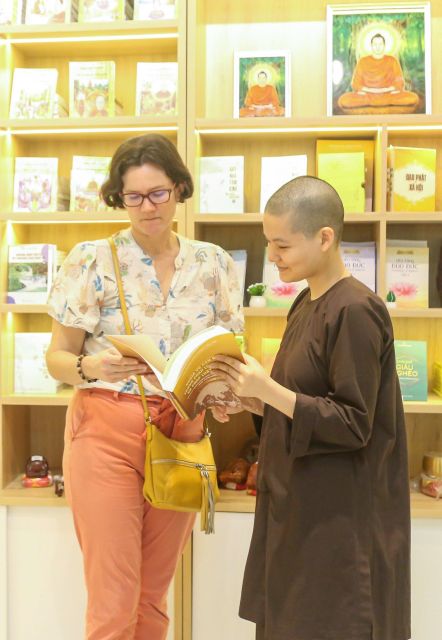
This retreat is designed less like a “tour” and more like a mini schedule you follow. You start in Ho Chi Minh City and head to a spiritual sanctuary about 100 km away, spending time at Thien Ton Phat Quang Pagoda in a way that keeps you inside the retreat flow. The result is that you don’t just learn about Buddhism—you experience the daily structure that supports it.
Day 1 is about transition into the place. You’ll transfer to the pagoda, eat vegetarian lunch, and then settle into meditation and ritual time. Day 2 keeps the energy simple and early: great-bell meditation and chanting start the morning, then you shift into qigong/martial arts before another round of volunteer work and lunch before returning to Ho Chi Minh City.
This matters for your expectations. If you treat it like a casual day trip, you’ll miss what it’s trying to do. If you treat it like a short stay that asks for quiet focus—then the schedule makes sense.
You can also read our reviews of more city tours in Ho Chi Minh City



Day 1 Breakdown: Transfer, Meditation, Volunteer Work, and Chanting

Morning transfer and first meal on-site
Your first day begins with a long enough transfer window that you arrive ready to settle. You go from Ho Chi Minh City toward Vung Tau and then to Thien Ton Phat Quang Pagoda. By late morning you’ll have vegetarian lunch, which helps you get through the afternoon without thinking about food.
Practical note: because transport to and from the pagoda is not included, plan how you’ll get there and back, and confirm the exact meeting point timing in advance. The pagoda is far enough that a rushed morning can wreck your calm.
The first meditation session (afternoon)
You’ll have a dedicated meditation block in the afternoon (around 14:00–15:00). This is the moment many people hope will deliver the “how-to.” The retreat is advertised as teaching the correct technique of meditation and sharing Buddhist teachings, but the day’s structure is still mostly schedule-driven.
So here’s the key reality check: the retreat can feel more like you’re practicing within a monastic timetable than like you’re receiving constant coaching. Some participants report very limited guidance during a silent meditation period, which can be fine if you already know basic mindfulness breathing, but tough if you’re looking for someone to correct your posture every few minutes.
Volunteer work: making, painting, and practical mindfulness
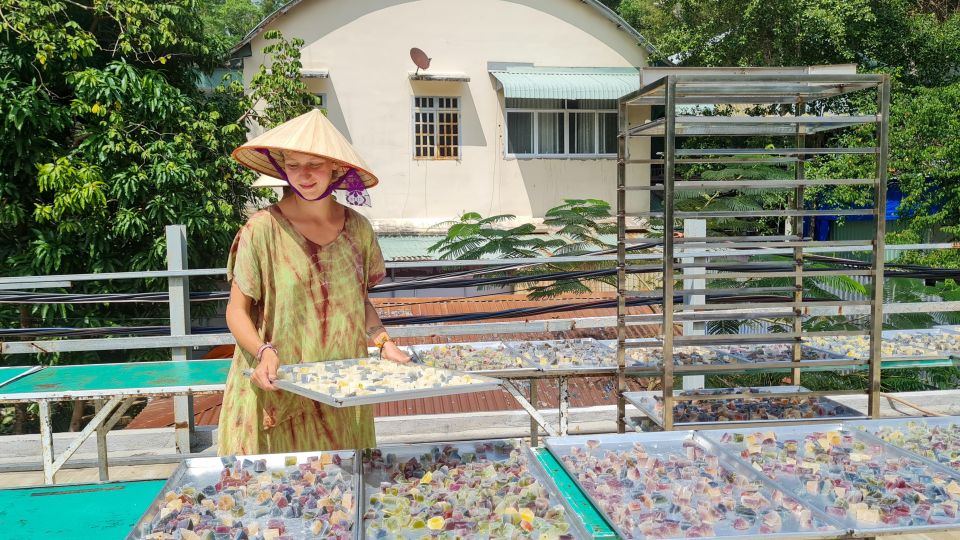
After meditation, you shift into volunteer work (about 15:00–16:50). Tasks may include making cakes, tea, tofu, or painting on fabric. The value here is that it gives your brain a break from mental technique—while still keeping you busy inside the retreat culture.
This is one of the best ways to turn “I should meditate more” into something tangible. You’ll be active, useful, and part of the daily rhythm. Even if you’re unsure about meditation technique, volunteer work helps you stay grounded.
You can also read our reviews of more evening experiences in Ho Chi Minh City




Dinner, dish-washing, and the importance of routine
Your vegetarian dinner runs from about 17:00–18:15, followed by dish washing. This is a small detail, but it’s culturally significant. It reinforces that everyone participates. You’re not a spectator.
One potential drawback: some people report being repeatedly offered food even after declining, and they felt pressured to finish. If you have dietary limits, bring them up clearly, and don’t assume the kitchen will interpret your needs in the way you expect.
Chanting and reading time
In the evening you’ll do chanting (about 18:30–19:00), then reading books (around 19:00–19:50). This is where the retreat’s Buddhist doctrine side shows up in a gentler way. Even when you don’t understand every term, the structure of reading and ritual helps you understand what the day is trying to train.
Wholesome seed ritual, prostration, and sleep
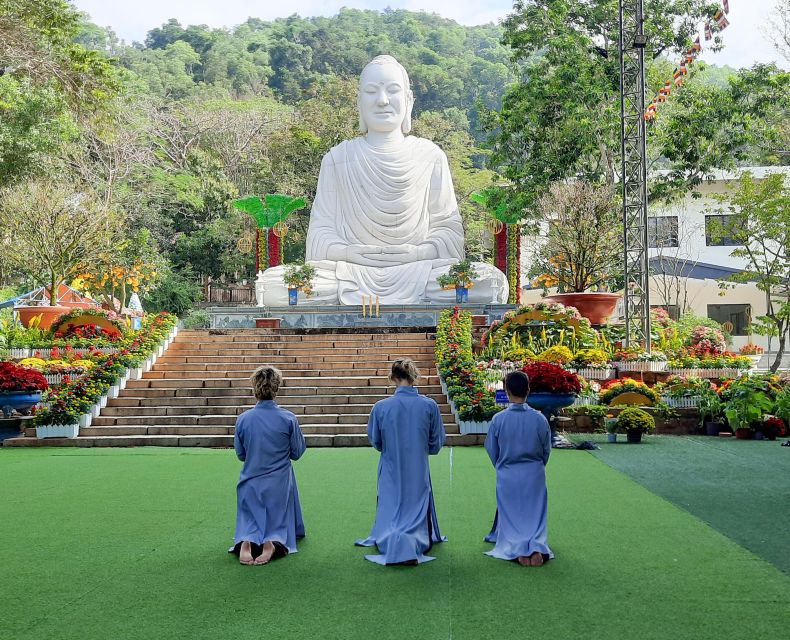
Later in the evening you’ll join a “Wholesome seed” activity, which includes prostration to Buddha, followed by meditation and then going to sleep. This is a more serious, devotional segment than the afternoon practice.
About sleeping: the accommodation is in the pagoda, and at least some reports describe a communal sleeping room with mats rather than a private bed. If you’re sensitive to noise, temperature, or basic sleeping conditions, you might want to prepare with earplugs and a small sleeping comfort item (as long as it follows local rules).
Day 2 Breakdown: Great Bell Meditation, Qigong, Breakfast, and More Volunteering
Pre-dawn meditation and chanting
Day 2 starts very early, with the “Great Bell” period (about 4:00–6:00) including meditation and chanting. Early morning is not a gimmick here—it shapes your experience. Silence and low light make it easier to slow down.
If you’re the kind of person who needs a warm-up, this may feel intense. But if you’re willing to go along, you’ll likely find it calming in a way a later time block rarely achieves.
Qigong/martial art practice
From about 6:10–6:50 you’ll practice qigong and/or martial art. This is a nice counterbalance to sitting meditation. Instead of trying to “think your way” into calm, you use body movement to settle attention.
If your mobility is limited, you’ll want to be realistic. This activity isn’t advertised as adjustable for everyone, and the retreat isn’t listed as suitable for wheelchair users.
Breakfast and second volunteer session
Breakfast is around 7:00–7:20, then volunteer work again from about 7:30–10:30. Options can include making items again (cakes/tea/tofu) or painting, plus picking vegetables. This repeat volunteer structure matters: it turns your participation into a rhythm, not a one-time task.
It also means you’re active twice, which for some people helps reduce restlessness. For others, it can feel like a lot—especially if you expected the second day to be mainly peaceful sitting.
Lunch and return to Ho Chi Minh City
You’ll have lunch around 11:00–11:30, then head back to Ho Chi Minh City around 12:00–10:30 schedule window ending. The retreat closes fairly quickly after lunch, so don’t plan anything major right after the return.
What’s Included (and Why That Affects Value)
This retreat is priced at $80 per person for 2 days / 1 night. You get a local guide on-site, full-board vegetarian food, accommodation at the pagoda, and entrance fees. The listing also notes that there’s an English instructor and that it’s a small group.
That’s the big value equation: you’re paying for a complete, structured stay. If you had to reproduce this yourself, you’d still need lodging, meals, and access to the rituals and spaces. Here, you get it bundled.
The catch is the logistics cost that isn’t included: transportation to and from the pagoda, and pickup/drop-off guide. Since the pagoda is about 100 km from Ho Chi Minh City center, your own transport arrangement can become the difference between a good value and a stressful one.
So the best way to judge value is to think about your time and patience. If you can handle the travel gap smoothly, the $80 feels reasonable for a guided-structure retreat with meals and lodging.
The Real-World Conduct Tips That Keep the Day Smooth
This retreat is serious about respect, and that shows in what you’re asked to wear and what’s not allowed.
Bring long-sleeved shirts and long pants. Keep your behavior conservative. Alcohol and drugs are not allowed, and fireworks aren’t allowed either.
A couple additional “read the room” ideas: some people report seeing signs warning about pickpockets and about what types of behavior are considered provocative. Even if those signs are partly about general safety and decorum, they’re a clue. Treat the site like a temple environment first, and like an attraction second.
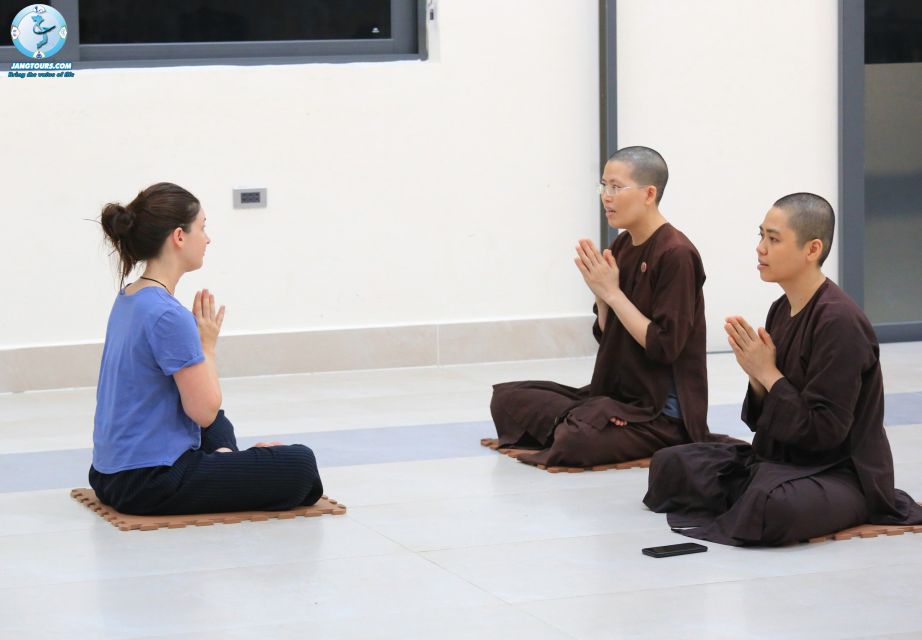
Also, expect modest participation rules. Between meditation, chanting, dish washing, and volunteer work, you’re part of the daily team whether you feel fully spiritual or not. The retreat works best if you’re ready to follow the rhythm.
Meditation Style: Technique vs. Silent Time (Know What You’re Signing Up For)
The program is advertised as learning correct meditation technique and Buddhist doctrine. In practice, that can mean different things depending on the instructor and the group. Here’s what you should infer from the schedule:
- You get a set meditation block on Day 1.
- You get extended silent time during the early-morning Great Bell period.
- You also get chanting and reading, which support doctrine through ritual and text.
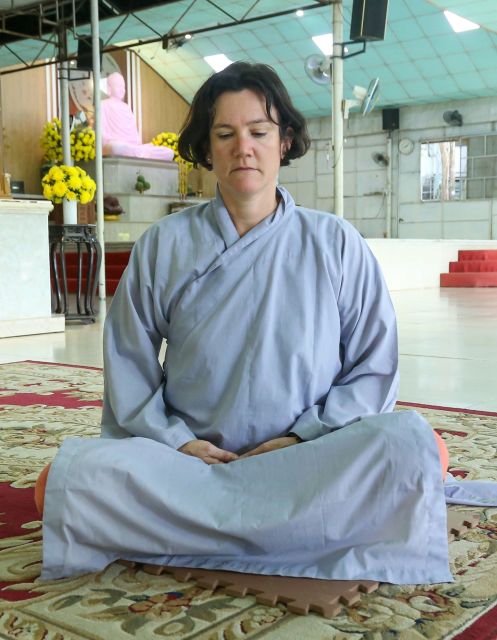
But the biggest question is guidance level. Some people report that meditation happens in a dim basement-like space with limited guidance, and that the meditation is mostly silent for a longer stretch. If you’re new to mindfulness, that may leave you with questions about what to do with your mind when it wanders.
If you already know basic meditation and you mainly want a quiet setting and ritual structure, you’ll likely do fine. If you want hands-on instruction every step, you’ll want to clarify what guidance looks like in the actual sessions before you go.
Who This Retreat Suits Best (and Who Might Be Happier Elsewhere)
This retreat fits best if you:
- want a short “real life at a pagoda” experience rather than a comfort-first wellness retreat
- enjoy practical volunteer work and don’t mind getting hands dirty (tofu, cakes, fabric painting, vegetables)
- can handle early mornings and long quiet stretches
- want English-language instruction at least from the instructor and local on-site support
It might not fit as well if you:
- need a highly guided meditation coaching style
- dislike communal sleeping or basic sleeping arrangements
- need wheelchair accessibility (the retreat isn’t listed as suitable)
- are sensitive to altitude or conditions linked to altitude sickness (not suitable if you have that concern)
Also, if your main goal is relaxation, the ritual and schedule can feel strict. If your goal is mindfulness and Buddhist practice, the schedule will feel like the point.
Price and Logistics: A Quick Reality Check Before You Book
At $80 for 2 days/1 night, this retreat can be good value because it includes food and lodging in a religious setting, plus entrance fees. The trade-off is transportation. You’ll need to handle your own trip to the pagoda and back, since transport from/to the pagoda isn’t included and pickup/drop-off guide isn’t included.
Also, double-check timing and confirm how you’ll get back to the Ho Chi Minh City meeting point at the end. The retreat ends back at the meeting point, and since it runs on a tight schedule, being late can put you behind the flow.
Finally, since it’s a small group limited to 1 participant, you might get more focused attention than a larger retreat—but don’t assume it turns into a private meditation workshop. It’s still a pagoda routine.
Should You Book This Ho Chi Minh City Meditation Retreat?
Yes—if you want a short stay that teaches through practice: meditation sessions, chanting, book time, and volunteer work in a real temple environment. The vegetarian food and the on-site accommodation reduce friction, and the schedule gives you structure to actually do the practice instead of talking about it.
Maybe no—if your main goal is “intense, guided meditation instruction” or you’re expecting a polished retreat with comfortable private lodging and lots of one-on-one coaching. Based on reports of minimal guidance during silent practice and basic communal sleeping arrangements, you’ll want to be honest with yourself about what kind of meditation experience you want.
If you’re going, set yourself up for success: dress modestly, bring long sleeves and long pants, be ready for early mornings, and come with an attitude of participation. This retreat rewards people who treat it like a shared daily practice, not a spa day.
FAQ
How long is the retreat?
It runs for 2 days and 1 night.
What’s included in the $80 price?
The price includes a local guide on the spot, full-board vegetarian food, accommodation in the pagoda, and entrance fees.
Is transportation to and from the pagoda included?
No. Transport from/to the pagoda is not included, and pickup/drop-off with a guide is also not included.
What activities are part of the 2 days?
You’ll do meditation sessions, Buddhist rituals that include chanting and prostration to Buddha, reading books, qigong/martial art, and volunteer work (including tasks like making cakes/tea/tofu, painting on fabric, and picking vegetables). Meals are vegetarian.
What should I bring, and what’s not allowed?
Bring long-sleeved shirts and long pants. Alcohol and drugs aren’t allowed, and fireworks aren’t allowed.
Is this retreat suitable for wheelchair users or for altitude sickness?
No. It’s not suitable for wheelchair users, and it’s also not suitable for people with altitude sickness.
If you want, tell me your travel dates and whether you’re new to meditation—I can help you decide if this schedule fits your expectations and what to pack.