REVIEW · HO CHI MINH CITY
Ho Chi Minh: Historical City Scooter Tour
Book on GetYourGuide →Operated by AN Tours Vietnam · Bookable on GetYourGuide
Saigon moves fast, and this tour keeps up. You get French-built Notre Dame, the War Remnant Museum, and then real-life local stops in between, all on a scooter with a guide who explains what you’re seeing. The main trade-off: you need to be comfortable riding in traffic for several hours, and it is not suited for mobility, heart, or back issues.
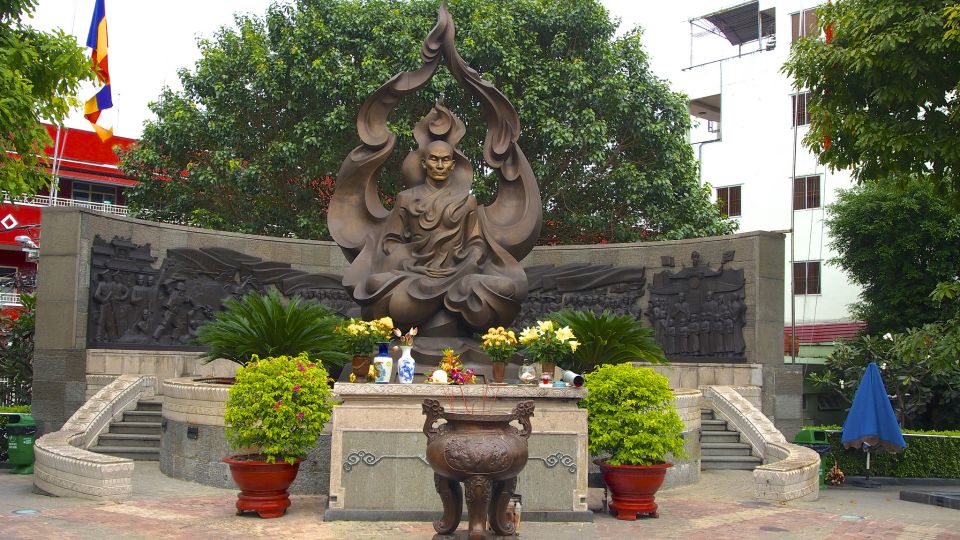
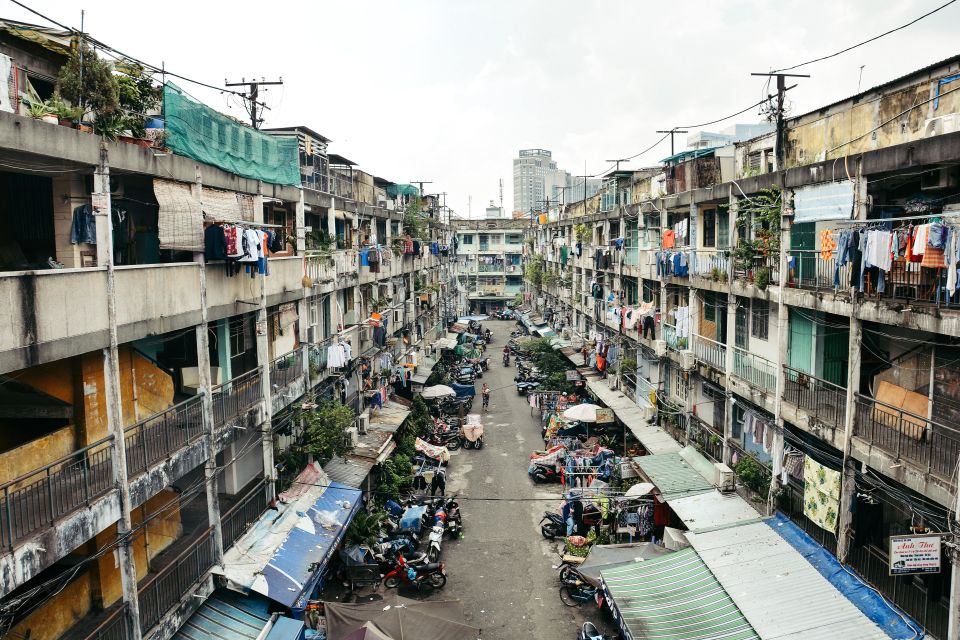
I especially like the mix of famous landmarks and places most people skip. You’ll hit the post office, a tribute to Thich Quang Duc, an older apartment area connected to wartime housing, the flower market, a long-running coffee stop, and then Chinatown’s historic temple. One more thing I like: it is private and planned around a flexible itinerary, so you can adjust pace based on what you care about.
Logistics are straightforward. Pickup is included from your hotel lobby at either 8:00AM or 1:00PM, and you’ll get a good helmet and raincoat if the weather turns. Bring comfortable shoes, sunglasses, and sunscreen, because the day can be bright and warm, especially around open-air markets.
In This Review
- Key highlights worth your attention
- A four-hour plan that actually covers real Saigon
- Pickup times, helmets, and staying comfortable on a scooter
- Notre Dame Cathedral to Saigon Central Post Office
- War Remnant Museum and the Thich Quang Duc Monument
- An older apartment area shaped by wartime housing
- The flower market that runs almost 24 hours
- Vietnamese coffee at a 75-year-old shop
- Chinatown’s Thien Hau temple and specialty markets
- Why having an English guide changes everything
- Price and value: is $49 a fair deal?
- Who should book this scooter tour
- Smart ways to get more out of the tour
- Should you book it? My honest take
- FAQ
- What’s the duration of the Ho Chi Minh historical city scooter tour?
- What time do they pick me up?
- Is the tour private?
- What’s included in the price?
- What language is the guide?
- What should I bring?
- Who should avoid this tour?
Key highlights worth your attention
- Private scooter tour with fluent English guidance and a local driver handling traffic.
- 8 districts in one day, so you see the city’s spread without doing a separate day-by-day plan.
- War Remnant Museum plus the Thich Quang Duc Monument to connect history to people.
- Post Office meeting a 90-year-old handwritten letter writer, a rare living tradition.
- Big Flower Market that runs almost 24 hours, with flowers arriving from Da Lat each morning.
- Chinatown ending at the 300-year-old Thien Hau temple and surrounding specialty markets.
A four-hour plan that actually covers real Saigon

This tour is built around density. In just 4 hours, you move through major sights and then into more local-feeling areas, which is exactly what helps when your time is short.
The private setup matters. Instead of being stuck in a large group, you can match the pace to your comfort level, ask questions, and spend a little extra time at the places that grab you.
And you still get an organized route. The itinerary threads several big themes: colonial-era architecture, wartime memory, everyday city life, and the culture of Chinatown.
You can also read our reviews of more city tours in Ho Chi Minh City



Pickup times, helmets, and staying comfortable on a scooter
Pickup is simple: wait at your hotel lobby at the scheduled time, either 8:00AM or 1:00PM. The tour is designed to move quickly, so you should be ready to start promptly.
You’ll get a good-quality helmet and a raincoat. That’s not just a nice bonus; rain and road spray can make traffic feel more tiring, and gear helps you stay focused on the sights.
Still, the scooter part is real. This isn’t a sit-and-watch bus tour. If you have back problems, mobility impairments, a heart condition, or use a wheelchair, this setup is not suitable.
Notre Dame Cathedral to Saigon Central Post Office
Your tour begins with one of the most recognizable churches in the city: the cathedral built from French materials. Even if you’ve seen photos, it lands differently when you’re there—especially with a guide explaining the design choices and how colonial-era building shaped what you now call central Saigon.
Next comes the Saigon post office, where you get a rare human moment. You’ll meet a 90-year-old handwritten letter writer, described as the last in this tradition in Vietnam. That stop is special because it makes the history feel personal: paper, handwriting, patience, and the idea that communication has a ritual behind it.
Practical tip: this early portion is often easier on your legs than later market walking. Use it to settle into the day, take a few photos, and get your bearings before traffic energy ramps up.
War Remnant Museum and the Thich Quang Duc Monument
Then you transition into the part of the trip that asks for respect and attention: the War Remnant Museum. If you want a feel for how conflict shaped the country, this is the stop that gives context fast. The museum connects to stories you might not hear elsewhere, including the kinds of details that don’t make it into quick travel conversations.
After that, you visit the Thich Quang Duc Monument, a tribute to the monk who protested in 1963 through self-immolation. This isn’t framed as shock value. A good guide helps you understand the political tension and the spiritual gravity of the act, and how people remembered it afterward.
In my mind, these two stops work together. The museum gives background, and the monument gives a focal point—so the history isn’t just facts on walls. It becomes something you can visually grasp.
An older apartment area shaped by wartime housing
The tour then shifts from museums and monuments to everyday structures, including the oldest apartment in Ho Chi Minh City, built from materials connected to the war. You’ll see the lifestyle of local people and hear stories about how the building and its residents fit into the broader city timeline.
This is a valuable stop because it answers a common question: what did the war mean for daily life after the fighting? You’re not just studying the past. You’re seeing how people adapted around it.
Walking is limited here, but the contrast hits. A scooter tour makes it easy to understand geography, while this kind of stop makes you understand lived space.
You can also read our reviews of more historical tours in Ho Chi Minh City






The flower market that runs almost 24 hours

Next up: the city’s biggest flower market, started in 1980. It is described as a sleepless one, open almost 24 hours a day, which changes the feel of the place. Late-morning and midday crowds are not the only rhythm here; this is a place that keeps moving.
You’ll learn that flowers are transferred from Da Lat each morning. That detail matters because it explains why the market looks the way it does: it is not only about what’s grown nearby, but about a supply chain that reaches far into Vietnam.
If you like colors, this is where you’ll get them. If you prefer photos that look real instead of staged, this is also a strong pick. Vendors are setting up, customers are browsing, and the flow feels like commerce, not tourism.
Practical tip: the market can be slippery or uneven in places. Wear shoes you can stand in comfortably, and keep an eye on your footing as you pause for photos.
Vietnamese coffee at a 75-year-old shop
Later in the tour, you’ll stop for Vietnamese coffee at a 75-year-old coffee shop. The description notes a specific brewing approach that only three coffee shops in Vietnam use, which makes this more than just a caffeine break.
Coffee in Vietnam is rarely a single moment. It’s culture, pace, and a chance to watch how locals interact. Even if you don’t order the exact style you’ve imagined, you’ll likely appreciate the craft behind it—especially with a guide who can explain the process.
This is also a good mental reset. You’ve already absorbed heavy history, and now you’re back in a routine that feels like everyday Saigon. Take this moment to slow down and ask a question or two about what daily life is like now.
Chinatown’s Thien Hau temple and specialty markets
Your tour ends in Chinatown, where you’ll encounter a 300-year-old temple dedicated to Thien Hau. The site is described as breathtaking, and the age is the point: this is a long-running spiritual center for generations of Chinese-Vietnamese residents.
You’ll also hear how the area supports life through specialized markets. The description specifically calls out a motorbike market and a bird market nearby, which gives the neighborhood a distinct, practical character.
This ending works well because it moves away from the heavy history mood. You go from war and protest into religion, commerce, and community routines. It’s the kind of shift that helps you leave Saigon feeling like you understood more than one version of the city.
Why having an English guide changes everything
A scooter tour can be about getting from point A to point B. This one is built to be about understanding what you’re seeing while you’re moving.
From the guidance style described in recent experiences, the best guides don’t just list facts. They handle sensitive topics with care and give you a human lens for the war-era stops. Names you might hear in recent runs include Halsey, Henry, Hannah, Son, Sunny, Midori, and Thong—and they’re noted for explaining stops clearly and keeping conversations thoughtful.
That matters when you reach the War Remnant Museum and Thich Quang Duc Monument. If the guide’s explanations are sharp and respectful, you come away with context you can carry around as you explore on your own later.
Price and value: is $49 a fair deal?
At $49 per person for a private scooter tour with entrance tickets included, the value is the total package, not any single stop. You’re paying for transportation through traffic, a guide who speaks English (and Vietnamese), and admission costs bundled into the route.
You also get gear included—helmet and raincoat—which helps justify the price versus building a DIY plan with separate ride-hailing and paid admissions.
For me, the value test is simple: would you want to arrange all these stops by yourself in one day? With Saigon traffic and the scatter of districts, doing it alone would likely mean compromises—less time at key locations, more stress, and fewer explanations.
This tour wins when you want to see a lot without feeling rushed through the wrong parts.
Who should book this scooter tour
This is a great fit if you:
- Have limited time in Ho Chi Minh City and want multiple major sights in one go
- Like history but also want real city life stops, not only museums
- Feel comfortable on a scooter when a local driver navigates heavy traffic
- Want a private experience where you can adjust pace and linger when something clicks
It may not be the right fit if you:
- Have back problems, mobility impairments, heart issues, or wheelchair needs
- Get easily stressed by traffic noise and close driving
If you’re an experienced scooter rider, you may feel confident faster. If you’re brand new, focus on your breathing and relax your body—guides are used to helping people settle in.
Smart ways to get more out of the tour
A few small choices can make the day feel smoother:
- Wear comfortable shoes you can stand in during short pauses at markets and viewpoints
- Bring sunscreen and use it early. You’ll be out in daylight, and the tour includes open-air areas like the flower market
- Use sunglasses to cut glare near markets and bright streets
- Ask your guide for a recommendation at the end of the route. One highlight from recent experiences is the chance to decide where to go next during the final stretch.
Also, keep an open mind about what you’ll notice. A good guide will help you see the city in layers—colonial architecture, war traces in housing, daily commerce, and the long continuity of Chinatown religious life.
Should you book it? My honest take
Book this tour if you want a fast, organized way to understand Saigon from multiple angles: big landmarks, the war-era narrative, and the market-and-coffee side of daily life. The private setup and English-speaking guidance make it feel less like transport and more like guided discovery.
Skip it if you know you won’t handle scooter riding in traffic, or if the physical demands won’t work for your health. In that case, you’ll get more comfort and better control with a non-scooter format.
If you fit the profile, this tour is one of the more efficient ways to get your bearings quickly while still learning real details.
FAQ
What’s the duration of the Ho Chi Minh historical city scooter tour?
The tour lasts 4 hours.
What time do they pick me up?
Pickup is included from your hotel lobby, and your pick-up time is either 8:00AM or 1:00PM.
Is the tour private?
Yes. It’s described as a private tour just for you, with a private driver and a live guide.
What’s included in the price?
Entrance tickets are included, along with a good quality helmet and raincoat, and a private driver with fluent English.
What language is the guide?
The live tour guide speaks Vietnamese and English.
What should I bring?
Bring comfortable shoes, sunglasses, and sunscreen.
Who should avoid this tour?
It is not suitable for people with back problems, mobility impairments, heart problems, or wheelchair users.