REVIEW · HO CHI MINH CITY
Ho Chi Minh: Local Cooking Class At Auntie’s Home
Book on GetYourGuide →Operated by LV Tours · Bookable on GetYourGuide
Cooking in a local home feels like a shortcut to real Saigon. You start by cutting through back alleys to see everyday life, then shop for ingredients at the wet market, and finally cook alongside Auntie Tu using her step-by-step methods. I especially love how practical it feels: you learn what people actually buy, and you don’t just watch—you help cook. One consideration: you’ll be walking (often in strong sun), so bring sunscreen and plan for covered shoes.
This is also a smart value play in Ho Chi Minh City. For $56 per person you get a full 4-hour experience with private transportation, English support, food and drinks, and a home-style meal at the end—plus photos and the secret recipes. If you’re not comfortable with tight neighborhood lanes or sudden weather changes, you’ll want to wear grippy footwear and keep your water with you.
In This Review
- Key takeaways before you go
- District 6 and Auntie Tu’s home kitchen: the big reason this works
- Pickup points, motorbike energy, and the walk to the market
- Bình Tây / Bình Tien market stop: what shopping teaches you
- Cooking with Auntie Tu: the menu and how the class is taught
- Standard menu dishes
- Vegetarian menu dishes
- Eating, photos, and what you take home
- Price and value: how $56 stacks up for a 4-hour home-kitchen class
- Who this class is best for (and who should be cautious)
- Small-group feel, English support, and practical details
- Should you book Auntie Tu’s Ho Chi Minh local cooking class?
- FAQ
- How long is the Ho Chi Minh cooking class at Auntie Tu’s home?
- Where are the pickup and drop-off locations?
- What is included in the price?
- Is there a vegetarian menu option?
- What dishes are on the standard and vegetarian menus?
- What should I bring for the market walk and cooking day?
- Are alcohol and drugs allowed during the tour?
- Is this cooking class suitable for wheelchair users?
Key takeaways before you go
- District 6 local-life route: you’re taken away from the main tourist grid and into a more residential rhythm.
- Wet market ingredient shopping: you learn what a daily grocery run looks like, not just a showy tasting.
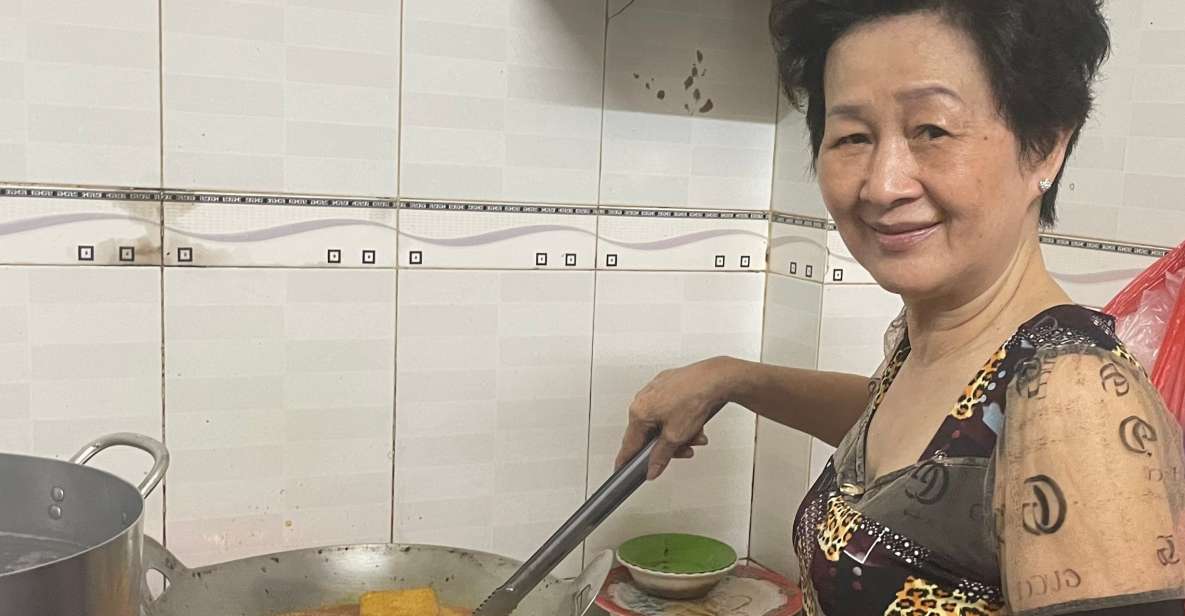
- Auntie Tu’s teaching style: small kitchen, lots of hands-on steps, and a focus on real Vietnamese technique.
- Real menu variety: standard meat/seafood dishes plus a full vegetarian menu option.
- You leave with more than memories: you get photos, and the recipes are provided afterward.
District 6 and Auntie Tu’s home kitchen: the big reason this works
This class is built around the idea that food makes more sense when you see the places it comes from. Instead of staying in central sightseeing areas, you head to District 6, where you’ll move through tight lanes and quiet neighborhood scenes and get a feel for daily routine.
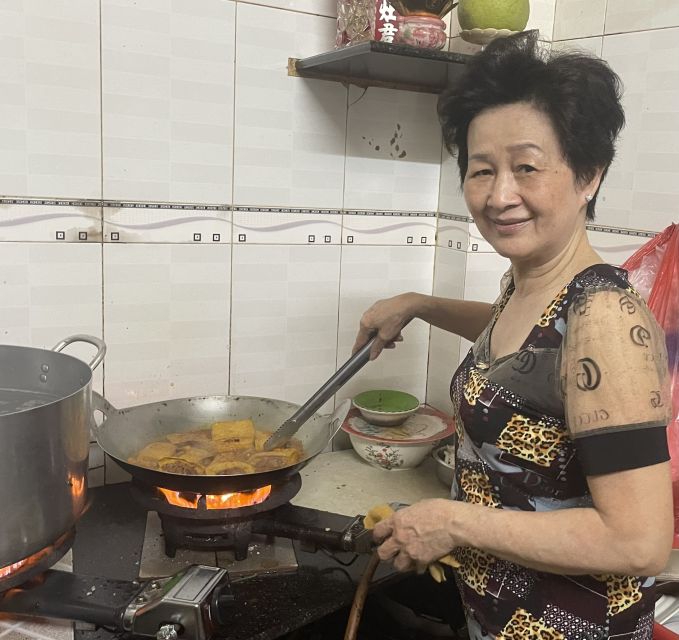
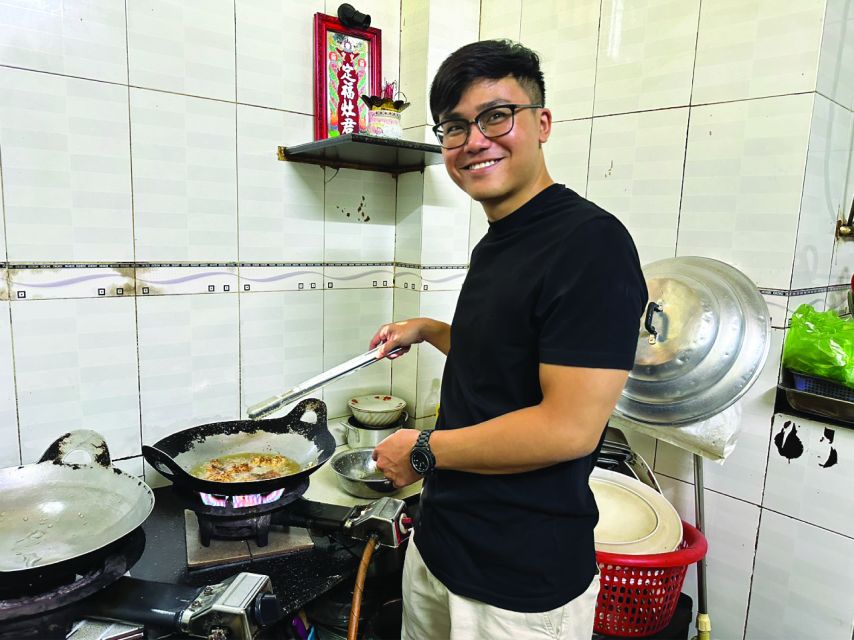
Then comes the part that changes everything: the cooking happens in a real Vietnamese home. Auntie Tu is the host and teacher, and the kitchen setup is intentionally small and lived-in. One review described it as a catering kitchen-in-a-house setup, which matters because you’re learning how people cook for real schedules and real appetites, not for a performance.
You can also read our reviews of more cooking classes in Ho Chi Minh City

Pickup points, motorbike energy, and the walk to the market
Your day starts with pickup options in several central districts: District 5, District 4, District 1, and District 3. From there, you travel as a private transportation experience, though the exact ride style can vary. In at least some cases, people took a motorbike ride with the guide driving—an experience in itself, especially when traffic feels full-on and fast.
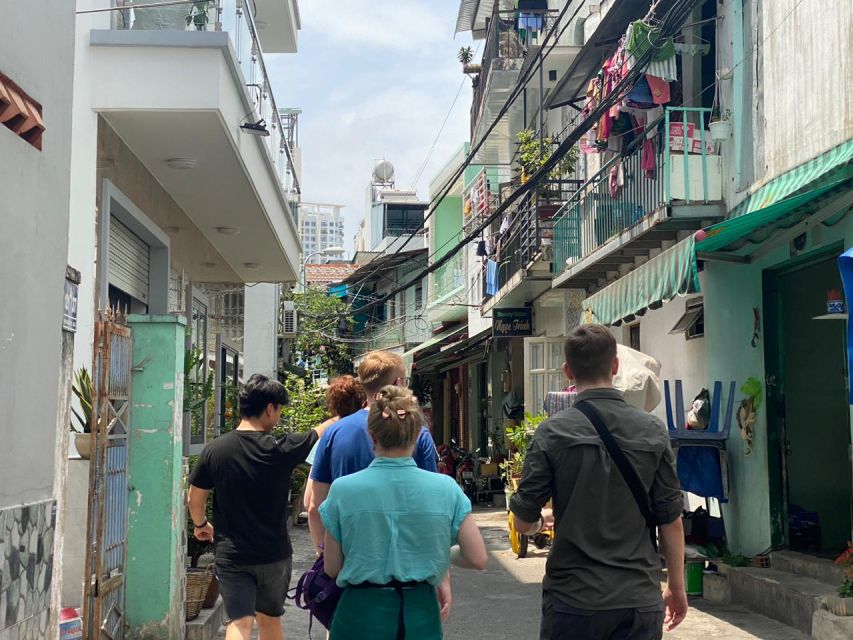
Once you’re settled, you start walking through the neighborhood back alleys toward the market. You’ll also get a conical hat for sun protection while you head out to shop. The biggest practical takeaway here: wear sunscreen and sunglasses (both are specifically recommended), and use shoes that won’t slip on uneven surfaces. One helpful tip from a past participant was to wear covered shoes—so your feet stay comfortable for the walking and cooking-day chaos.
Bình Tây / Bình Tien market stop: what shopping teaches you
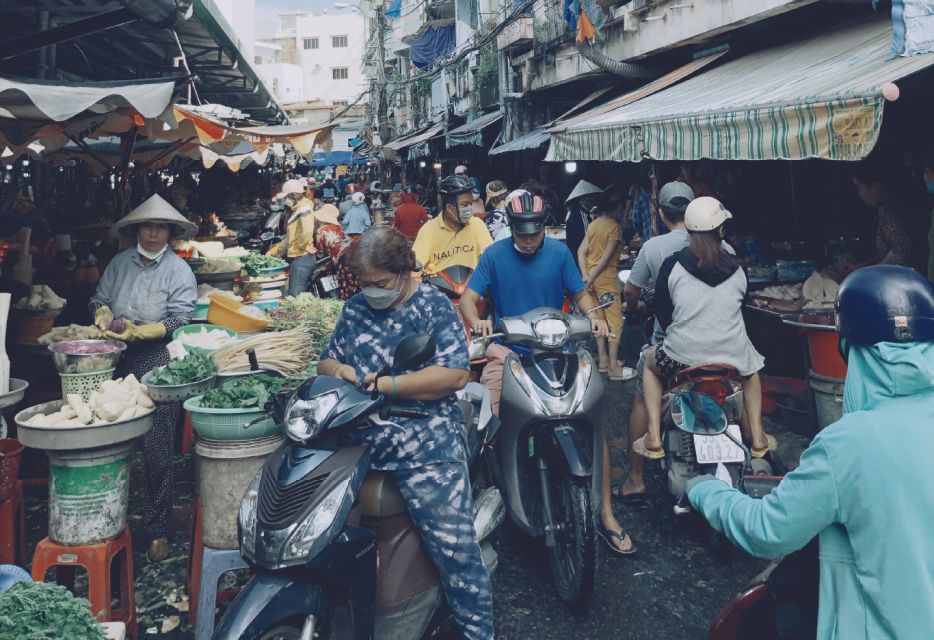
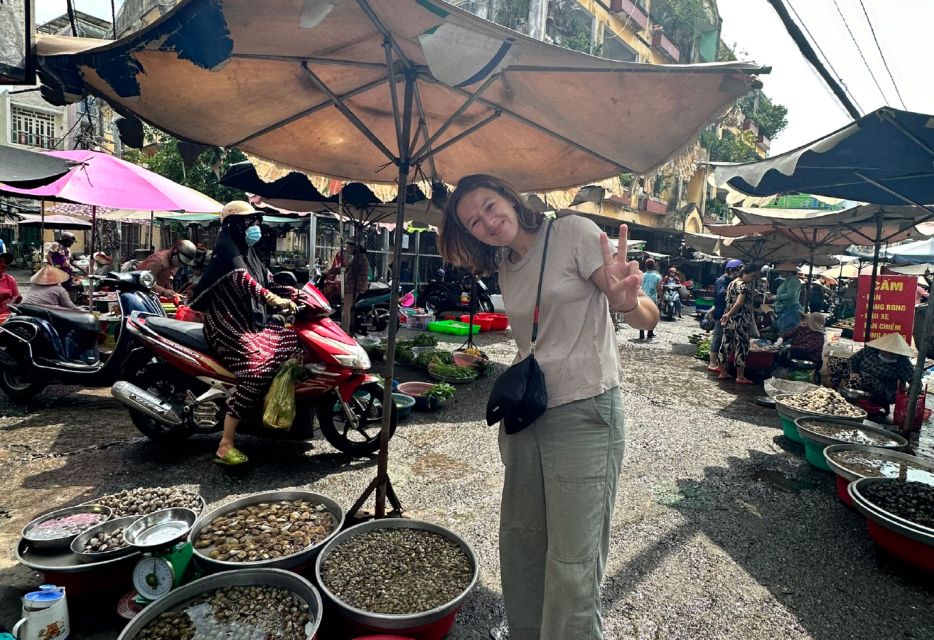
The wet market stop is where the trip stops being “just a cooking class.” You’ll visit Bình Tính / Bình Tây Market (the name appears in two slightly different ways), and you’re there to do what locals do: buy ingredients and read the stalls like a grocery list.
The guide provides an English-speaking presence, and you’ll also pick up some Vietnamese language cues so you understand what’s being discussed and why certain items are chosen. That’s not trivia—it’s how you gain confidence for street food later. When you can recognize basics like fish, herbs, greens, and seasoning patterns, you stop feeling lost.
What you should expect at the market:
- lots of people moving around the same stalls at once
- ingredient variety you won’t find in a supermarket aisle
- a guided sense of what to choose so your cooking steps make sense later
A market visit can feel overwhelming if you dislike crowds, but here it’s handled with a plan and a guide. You’re not wandering alone.
Cooking with Auntie Tu: the menu and how the class is taught
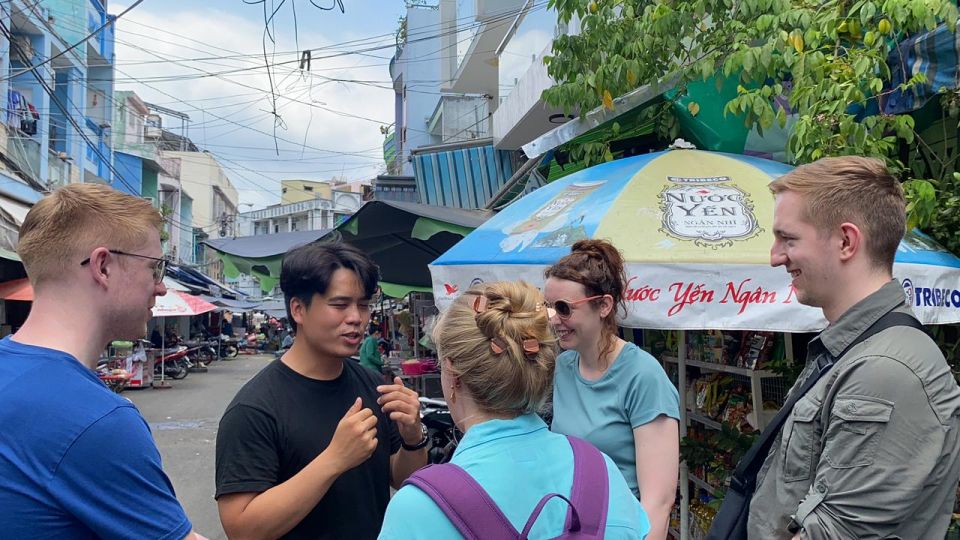
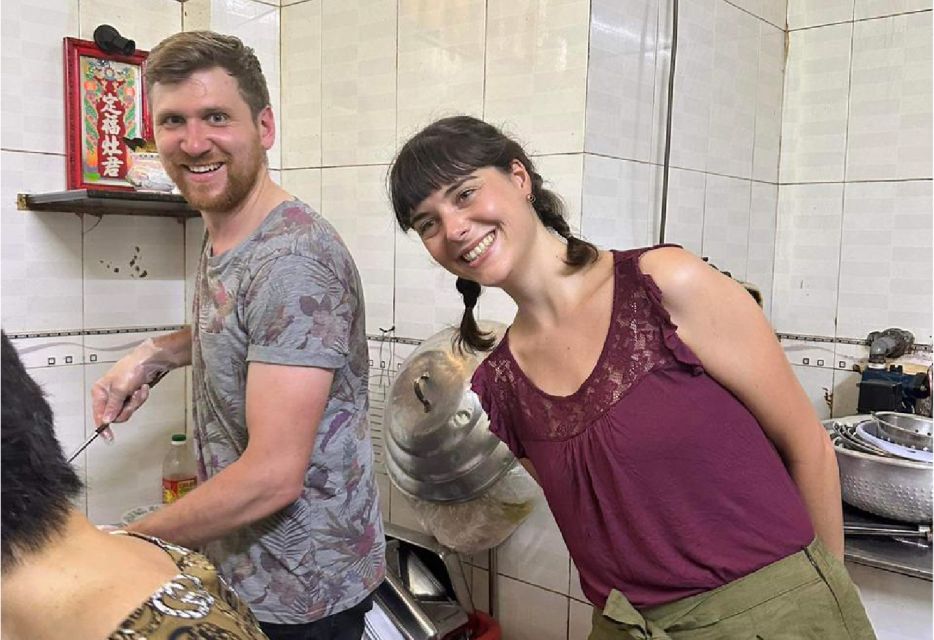
The main event is hands-on cooking in Auntie Tu’s home. The kitchen is small, and the pace is active. In a couple of real participant accounts, students ended up preparing nearly half of the dishes themselves, while Auntie Tu and the guide walked everyone through the steps.
Standard menu dishes
You’ll work on these five items:
- Poached meat with pepper
- Fried egg with minced meat
- Fried red tilapia
- Sauteed garlic spinach
- Sour soup
You can also read our reviews of more tours and experiences in Ho Chi Minh City

Vegetarian menu dishes
If you’re eating vegetarian, you can follow the alternative five-dish menu:
- Stewed vegetables
- Fried salted tofu with lemongrass
- Fried egg with onion
- Sauteed garlic spinach
- Vegetarian sour soup
A key point for your expectations: you’re learning Vietnamese cooking methodology, not just assembling plates. That includes technique and timing—how to handle flavors, how heat changes texture, and how the order of steps affects the final result.
You’ll also notice that at least one past participant shared that Auntie Tu’s instruction was very kind and practical, and the experience felt like cooking with family rather than attending a lesson. That matches the overall vibe of the day, which is why the trip is often described with a homey feeling.
Eating, photos, and what you take home
After the cooking, you eat the dishes you made. This is not an afterthought meal—it’s part of the learning loop. When you taste your own pepper-meat poach or the sour soup, you finally understand what you were doing while you stirred, fried, and sauteed.
On the extras side, you get:
- Beautiful photos taken during the experience
- Food and drinks included (two servings total are listed)
- A way to remember the process later, because recipe information is provided afterward along with the photos taken
That last detail is a big practical win. A lot of cooking experiences stop at the plate. Here, you can replicate the menu at home using what you learned during the steps.
Price and value: how $56 stacks up for a 4-hour home-kitchen class
$56 per person for a 4-hour experience sounds reasonable once you break down what’s included. You’re paying for much more than a cooking demo.
In your price, you get:
- 1 private transportation arrangement for the group route
- 2 food and drinks
- Local English-speaking tour guide support
- Local cooking host (Auntie Tu) for the teaching portion
- Conical hat for the market walk
- Photos
- Access to multiple Vietnamese cooking techniques
- Secret Vietnamese food recipe tied to Auntie Tu
- A you-feel-at-home style of hosting
In other words, the money goes into the whole arc of the day: neighborhood walking, market guidance, ingredient buying, then actual cooking and eating. That’s why it can feel like a bargain for people who want something beyond tourist-district food.
Who this class is best for (and who should be cautious)
This is best for you if you want:
- real local daily life, not a scripted city center loop
- hands-on cooking instruction in a home setting
- a market-and-kitchen connection that helps you understand Vietnamese food choices
It’s also a great match if you like asking questions during the day. Some guides, like Bao and Kevin, were singled out for explaining Vietnamese food culture and answering lots of questions. That makes a difference when you’re trying to learn how the cooking fits into everyday life.
You may want to be cautious if:
- you’re sensitive to sun and walking time (the route includes market walking)
- you need wheelchair accessibility, because it’s listed as not suitable for wheelchair users
Small-group feel, English support, and practical details
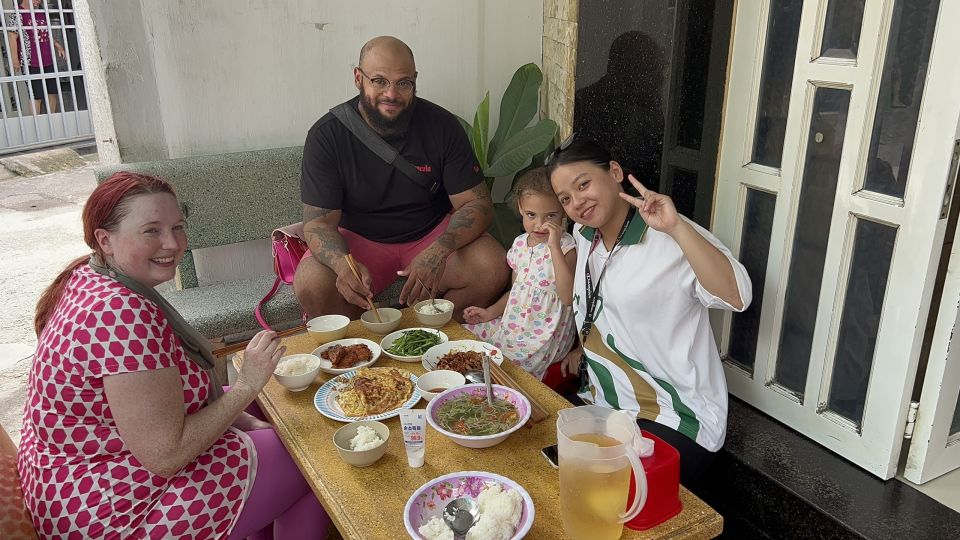
This activity runs as private or small groups, so you’re not stuck in a huge crowd. English is supported by the guide. In cases where Auntie Tu may not speak English, the guide acts as translator, which keeps things moving and helps you follow the steps.
For your planning checklist:
- Bring sunglasses and sunscreen
- Don’t plan on alcohol—alcohol and drugs are not allowed
- Be ready for a regular neighborhood pace, including tight areas and busy market energy
If you’re the type who likes taking breaks, you might find the schedule tight but manageable, since the core structure is fixed: pickup, market, then cooking, then eating.
Should you book Auntie Tu’s Ho Chi Minh local cooking class?
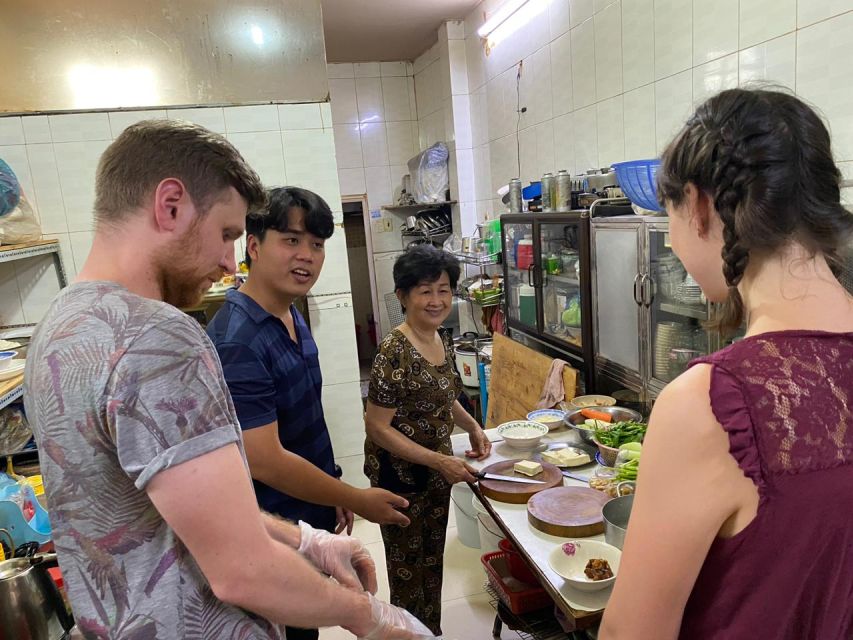
Book it if you want the kind of cooking class that starts before the stove and keeps going after the meal. The best part isn’t only the dishes—it’s the combination of back-alleys, wet market ingredient shopping, and Auntie Tu’s home kitchen teaching.
I’d skip it if you want a fully smooth, comfortable, minimal-walking experience, or if mobility limitations are a concern. Otherwise, at $56 for a 4-hour local-food day with transport, meals, photos, and recipe take-home info, this is one of the more practical and memorable ways to understand Vietnamese cooking in Ho Chi Minh City.
FAQ
How long is the Ho Chi Minh cooking class at Auntie Tu’s home?
The experience lasts about 4 hours, though you’ll want to check available starting times.
Where are the pickup and drop-off locations?
Pickup and drop-off are available in District 5, District 4, District 1, and District 3.
What is included in the price?
In addition to the cooking class, the price includes private transportation, two food and drinks, a local English-speaking tour guide, the local cooking host, conical hat, beautiful photos, and cooking techniques with Auntie Tu’s secret recipe.
Is there a vegetarian menu option?
Yes. There’s a vegetarian menu with five dishes, including stewed vegetables, fried salted tofu with lemongrass, and two soup options.
What dishes are on the standard and vegetarian menus?
The standard menu includes poached meat with pepper, fried egg with minced meat, fried red tilapia, sauteed garlic spinach, and sour soup. The vegetarian menu includes stewed vegetables, fried salted tofu with lemongrass, fried egg with onion, sauteed garlic spinach, and vegetarian sour soup.
What should I bring for the market walk and cooking day?
You should bring sunglasses and sunscreen. Comfortable, grippy footwear is also a smart idea based on the walking involved.
Are alcohol and drugs allowed during the tour?
No. Alcohol and drugs are not allowed.
Is this cooking class suitable for wheelchair users?
No. It’s listed as not suitable for wheelchair users.