REVIEW · HO CHI MINH CITY
Premium Cu Chi Tunnels Tour with Local Expert by SpeedBoat
Book on Viator →Operated by Saigon River Tour · Bookable on Viator
Speedboat to Cu Chi beats the day’s stress. I love the smooth river ride and the early arrival that helps you dodge the biggest bus crowds. I also like that you get real guided time at the tunnels, plus breakfast and lunch without scrambling for food. The one drawback to consider: parts of the visit involve walking and crawling into tight underground spaces, so claustrophobia is worth taking seriously.
This tour runs with a small group (up to 15), which makes it easier to move at a human pace and ask questions. Guides such as Mr Chi and Moon often set the tone: upbeat, clear storytelling, and good crowd-handling at the tunnel site. You also get optional extras like the rifle range, but you’ll pay separately for that.
In This Review
- Key things I’d circle before you book
- Luxury speedboat first, Cu Chi second
- From pickup to Tan Cang pier: how the day moves
- Breakfast on the Saigon River: a calmer start than you expect
- Cu Chi tunnels site: propaganda film, traps, and cassava
- Walking the restored network and crawling into the tunnels
- Optional rifle range, plus rice-paper and rice-wine production
- Green tea, tapioca, and a seven-course lunch at Tan Cang
- Guides like Mr Chi and Moon: why a small group matters
- Price of $89: does speedboat + meals make it worth it?
- What to pack so the tunnels don’t feel miserable
- Who should book this Cu Chi speedboat tour?
- FAQ
- How long is the Premium Cu Chi Tunnels Tour with Local Expert?
- Where is the meeting point and does the tour return you there?
- Is pickup offered from hotels?
- What meals and snacks are included?
- Do you also spend time on the Saigon River beyond transportation?
- Can I go inside the tunnels?
- Is rifle shooting included?
- How large is the group?
- What should I bring and what happens if weather is bad?
- Should you book this speedboat Cu Chi tour?
Key things I’d circle before you book
- Speedboat transfer cuts the road time and gets you to Cu Chi with less hassle
- Early entry helps you see more before the larger coach groups pile in
- Breakfast on the water includes seasonal fruit, pastry, bottled water, and a relaxing start
- Tunnel access is guided and structured with films, traps, bunkers, and a cassava tasting
- Lunch is a full Vietnamese set at Tan Cang, including seven main courses
- Optional shooting range costs extra and has an age minimum (18+)
Luxury speedboat first, Cu Chi second

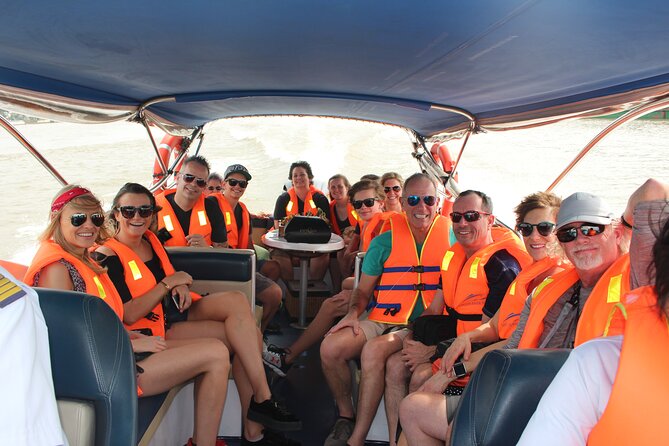
If you’re already in Ho Chi Minh City, the biggest win here is simple: you start the day on the Saigon River instead of sitting in traffic. The ride by luxury speedboat feels like a reset button. You get breeze, scenery, and a calmer route to Cu Chi than the typical long bus slog.
The other reason this works is timing. You arrive at the Cu Chi tunnels site before most larger bus tours land. That matters because Cu Chi can get hectic once the big groups arrive. Coming early gives you room to listen, look carefully, and move through the underground exhibits without feeling rushed.
You can also read our reviews of more tours and experiences in Ho Chi Minh City.



From pickup to Tan Cang pier: how the day moves
Your day begins with pickup in Ho Chi Minh City, then a transfer by minivan to the Tan Cang pier. From there, you head out on the speedboat toward Cu Chi (about 43 miles / 70 km from the city).
This matters because it keeps the schedule focused. You’re not burning your precious hours on the highway, and you’re not stuck waiting at a dock while other groups do the same shuffle. The plan is built around getting you to Cu Chi early and getting you back to the city in the afternoon.
Also note the “small group” setup. With a maximum of 15 travelers, you get quicker coordination—think less time herding people and more time actually doing the visit.
Breakfast on the Saigon River: a calmer start than you expect
On the water, you’ll be served a light breakfast. The included items are seasonal fruits and pastry, plus bottled water. It’s not a huge brunch spread, but it’s enough to keep your energy steady before the tunnels and the longer walk-through.
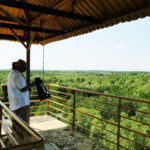
Even better, the guide’s commentary during the cruise helps connect what you’re seeing to how life around the river works. You’ll notice how the region looks and feels from the water—vegetation, riverbank life, and the quieter rhythm you don’t get when you travel by road.
Bring a little flexibility here. Weather can affect comfort, and the tour mentions planning around the season. An umbrella is recommended May to October, and a light jacket can help November to February.
Cu Chi tunnels site: propaganda film, traps, and cassava
When you arrive, you start with a short introductory film to set the context for what you’re about to see. The film is part of the experience, and it helps you understand why the tunnel network mattered to the fighters who built it.
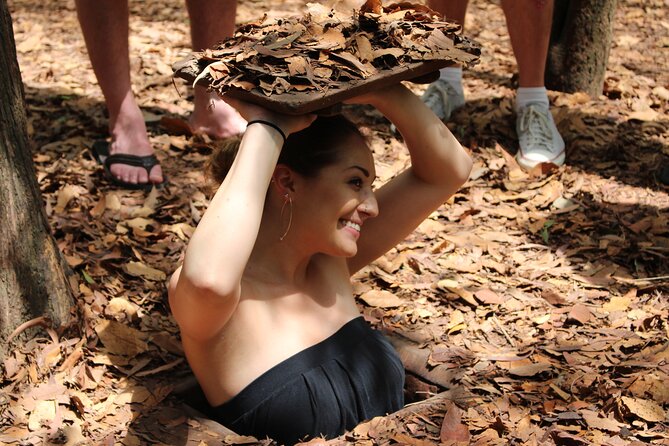
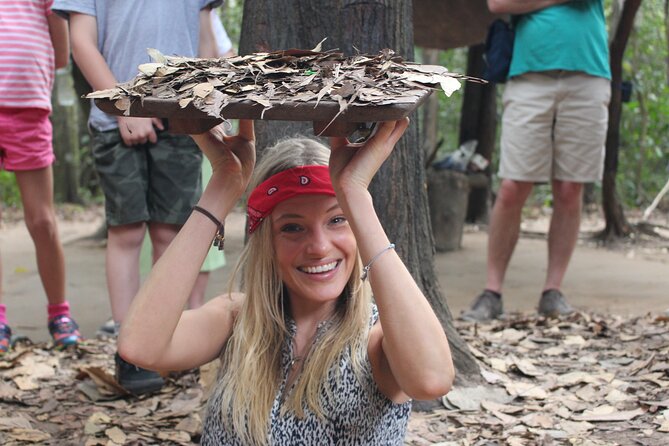
Then comes the main surface-level introduction: booby trap and weapon exhibitions, followed by an authentic Viet Cong tunnel section and underground structures (bunkers and rooms used for different tasks). This is where the visit becomes more than a photo stop. You can see how the tunnels were organized—spaces for work and storage, and areas tied to daily survival.
A smart detail: you’ll also try cassava root. It’s one of those small activities that makes the history tangible. When you taste the food that sustained people, the war story stops being abstract.
Walking the restored network and crawling into the tunnels

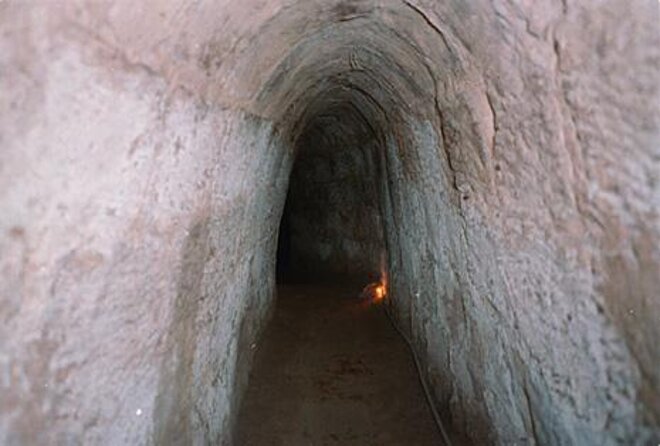
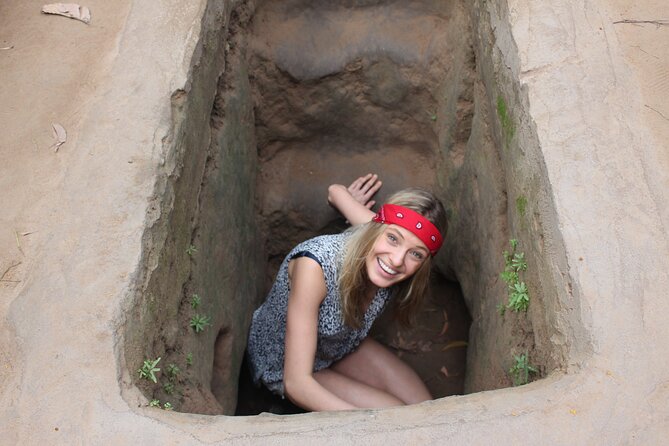
The most memorable part of Cu Chi is also the most physical. You’ll walk into a jungle area with your guide, then crawl into the tunnels to see traps, secret entrances, bunkers, and hideouts within a restored portion of the tunnel system (part of a larger network measuring about 155 miles / 250 km).
Go into this with the right expectations:
- Some tunnel sections are tight, low, and meant to slow and protect.
- You won’t get a casual stroll. You’ll be ducking, crawling, and moving carefully.
- You’ll be glad you have a guide, because the visit is structured around what each space was for.
There’s no sugarcoating here. This is a war site, and the tunnel experience can be emotionally heavy. But the guided approach helps you understand the logic behind the design—how people built safety and practicality into something made to hide.
If you’re claustrophobic, don’t treat it like a maybe. This is a hands-on tunnel crawl, and it’s the one element that can make the day feel wrong for some travelers.



Optional rifle range, plus rice-paper and rice-wine production
After you’ve seen the core tunnel exhibits, you can add the optional shooting range experience. It’s not included, and the rules are clear: minimum age is 18, and ammunition is extra (listed as about VND 55,000–60,000 per bullet).
Even if you skip shooting, you still get a look at local industries connected to what you’d find in the region: rice-paper and rice-wine production. That part works well because it adds everyday economic life to the war narrative. It’s not a replacement for the tunnels, but it broadens the day beyond one topic.
Green tea, tapioca, and a seven-course lunch at Tan Cang
At the next stage of the day, you get a break with green tea and tapioca. The tour frames tapioca as a main food during the Vietnam (American) War era. It’s one of those included touches that turns the food story into something you can actually taste and compare.
Then lunch is served at the Tan Cang resort. This is a traditional Vietnamese set lunch with seven main courses. In practice, it feels like more than a simple included meal. You get enough to reset after the tunnels, and it’s timed so you’re not eating in a rushed, random way.
If you’re picky about timing, this is one reason the price can feel fair. Many Cu Chi tours either underfeed you or make you handle your own meal arrangements. Here, you’re fed as part of the route.
Guides like Mr Chi and Moon: why a small group matters
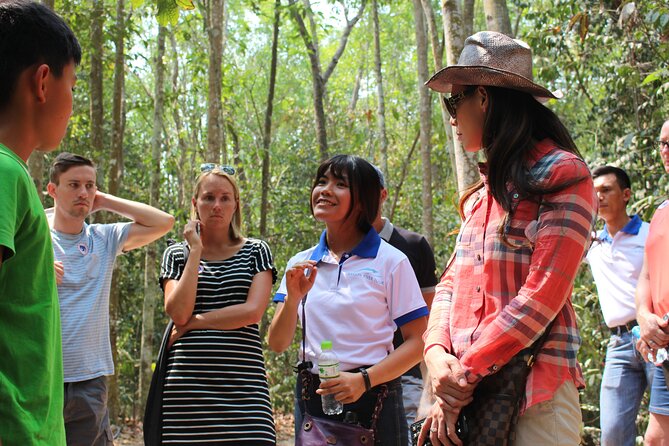
What makes this tour feel premium isn’t just the speedboat. It’s the way the guide keeps the day moving and helps you understand what you’re looking at.
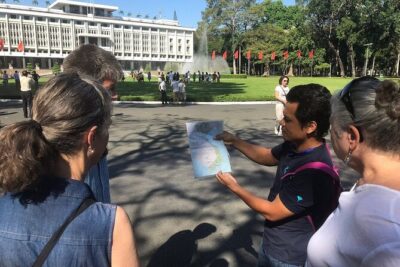
From the guides you’ll commonly see in this operation—people like Mr Chi and Moon—the approach tends to blend storytelling with practical pacing. They help you navigate the tunnel site efficiently and keep the group engaged, rather than letting you wander and figure things out on the fly.
And because the group size is limited to 15 max, the guide can manage questions and timing better. That’s also why you often feel less pressured. You get to slow down at the exhibits that catch your attention and not feel like you’re always chasing the group leader.
Price of $89: does speedboat + meals make it worth it?
At $89 per person, this isn’t the cheapest way to reach Cu Chi. The value is the combination:
- Speedboat transfer (less road time, more comfort)
- Early arrival (more calm time in a high-demand site)
- Light breakfast + included snacks/refreshments
- A full Vietnamese lunch (seven courses)
- Admission to Cu Chi Tunnels and a licensed guide
If you’ve only got one day in Ho Chi Minh City, this kind of “time-saving + included meals” plan often wins. Road travel can eat hours fast, and then you’re hungry and tired when you finally arrive at Cu Chi. Here, the day is built to feed you and get you moving efficiently.
If you’d rather spend less and don’t mind a longer commute and bigger crowds, a cheaper land-based option might suit you. But if you care about comfort and not being stuck in traffic, the math tends to make sense.
What to pack so the tunnels don’t feel miserable
The essentials are simple:
- Sunscreen and mosquito repellent (the tour specifically recommends both)
- Comfortable shoes you can move carefully in
- Light layers for the season (umbrella May–October, light jacket Nov–February)
Inside the tunnels, plan for a physical experience. Avoid anything that restricts movement. If you’re worried about crawling sections, it’s better to wear clothing that lets you bend and keep moving without snagging.
Also think about water and snacks. The tour includes unlimited refreshment and local fruits, so you’re not left hunting for drinks mid-day. Still, if you’re the kind of person who sweats easily, bring a personal habit of staying hydrated.
Who should book this Cu Chi speedboat tour?
This is a great fit if you:
- Want less time on the road and more time at the destination
- Appreciate a small group and a guide-led flow
- Prefer having meals included rather than planning food between stops
- Like adding a second experience to the tunnels, since the day includes a Saigon River cruise element for local life and nature views
It’s a harder sell if you:
- Feel uncomfortable in tight spaces and don’t want to crawl into tunnels
- Are very sensitive to war-related subject matter and want something less intense
If you’re on a first visit to Cu Chi, getting in early and using a structured guide route is usually the smartest way to make the day feel manageable.
FAQ
How long is the Premium Cu Chi Tunnels Tour with Local Expert?
It runs for about 6 hours.
Where is the meeting point and does the tour return you there?
You start at Ga Tàu Thuỷ Bạch Đằng – Tôn Đức Thắng – Phường Bến Nghé in District 1, Ho Chi Minh City, and it ends back at the meeting point.
Is pickup offered from hotels?
Yes, pickup is offered in Ho Chi Minh City.
What meals and snacks are included?
A light breakfast is served on the speedboat (seasonal fruits, pastry, and bottled water). Lunch is a traditional Vietnamese set meal with seven main courses. The tour also includes unlimited refreshment and local fruits, plus the Sugar Town bakery cake.
Do you also spend time on the Saigon River beyond transportation?
Yes. The day includes a cruise on the Saigon River to see local life and nature.
Can I go inside the tunnels?
You’ll have a guided walk and then crawl into the tunnels to see traps, secret entrances, bunkers, and underground hideouts from a restored section.
Is rifle shooting included?
No. The rifle range is optional, with a minimum age of 18. Ammunition costs extra (VND 55,000–60,000 per bullet).
How large is the group?
The tour caps at a maximum of 15 travelers. There’s also a private tour option if available for your date.
What should I bring and what happens if weather is bad?
Bring sunscreen and mosquito repellent. An umbrella is recommended May–October, and a light jacket is recommended November–February. The tour requires good weather; if it’s canceled due to poor weather, you’ll be offered a different date or a full refund.
Should you book this speedboat Cu Chi tour?
I’d book it if your top goals are comfort, early entry, and meals handled for you. The speedboat ride plus the structured tunnel visit makes the day feel efficient and more pleasant than a full day stuck on the road.
Skip it (or ask tough questions before booking) if the tunnel crawl sounds like a stress you can’t handle. Otherwise, this is a solid value pick for a first-time Cu Chi visit, especially when you want to see more and feel less rushed getting there.