REVIEW · HO CHI MINH CITY
Luxury Speedboat 2 Ways from Ho Chi Minh city to Cu Chi Tunnels
Book on Viator →Operated by KIM TRAVEL · Bookable on Viator
One ride by luxury speedboat makes this Cu Chi Tunnels day feel less like a long slog and more like a proper journey. You’ll cruise the Saigon River one way, then spend about two hours inside the tunnel network with a chance to crawl through one tunnel. The whole setup is built for comfort and clarity, with an English-speaking guide and a small group size.
I also like that you’re not only looking at theory. You’ll see the war-era elements up close—trap doors, storage areas, command setups, field hospital spaces, kitchens—and you’ll get lunch afterward, including cassava. The only real consideration: the tunnel portion involves crawling and tight spaces, so if you’re uncomfortable with that, you’ll want to think hard before booking.
In This Review
- Key things to know before you go
- A Saigon River speedboat to reach Cu Chi Tunnels
- Cu Chi Tunnels: what two hours feels like on the ground
- Inside the tunnel network: what to look for and how to pace yourself
- The speedboat experience: comfort, timing, and a different viewpoint
- Food and rest: lunch, water, and cassava
- Where you end up: War Remnants Museum, Ben Thanh, or your District 1 hotel
- Price and value: is $75.59 a fair deal?
- Who this tour suits best (and who should consider alternatives)
- How to prepare so the day goes smoothly
- Should you book Luxury Speedboat 2 Ways to Cu Chi Tunnels?
Key things to know before you go
- One-hour Saigon River speedboat ride cuts down travel time and gives you a different angle on the journey
- About two hours at Cu Chi Tunnels, including admission and time to explore plus a tunnel crawl
- English-speaking guide helps you connect what you’re seeing to what it meant during the war
- Cassava lunch plus set menu keeps you fed after the heavier part of the day
- Small max group of 16 makes it easier to get answers without feeling rushed
- Return drop-off options include War Remnants Museum, Ben Thanh Market, or a centrally located District 1 hotel
A Saigon River speedboat to reach Cu Chi Tunnels
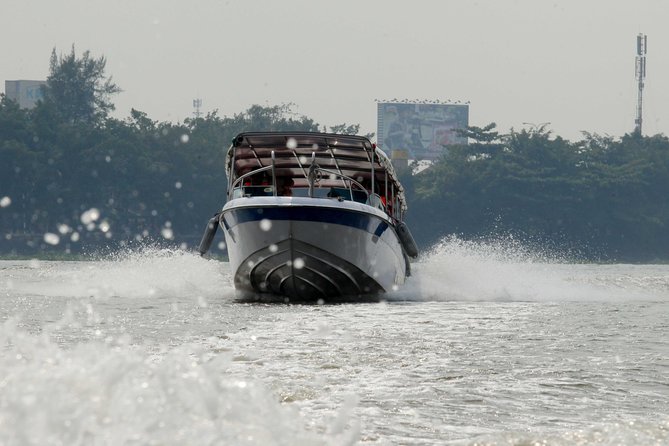
This tour is built around the idea that getting to Cu Chi should feel like part of the day, not just downtime. You’ll start in Ho Chi Minh City and ride a luxury speedboat along the Saigon River for about one hour. That single change—boat instead of straight highway travel—often makes the whole experience feel more efficient and more memorable.
The route also gives you a moving view of the river area on the way in and out. Even if you’ve seen lots of city scenes already, the river corridor has a different rhythm. On a day like this, that change of scenery matters because you’ll spend the next block of time in a very serious place.
You should expect the day to run long. The total time is about 8 hours, and you’ll have a mix of transit, guided time, and time to move through the tunnels at your own pace. Plan to bring water habits into the day: even with mineral water included, you’ll appreciate breaks when you surface.
You can also read our reviews of more city tours in Ho Chi Minh City



Cu Chi Tunnels: what two hours feels like on the ground
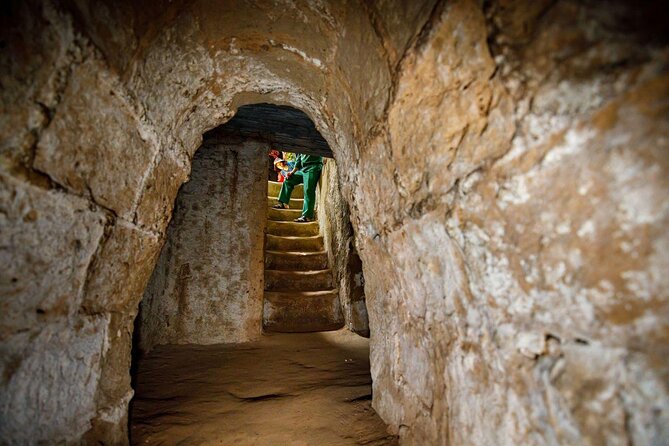
The heart of the day is your visit to the Củ Chi District tunnel network. This is not a quick stop. You’ll get around two hours there with admission included, and the guide will frame what you’re looking at so you don’t just see holes and steps—you understand the logic behind them.
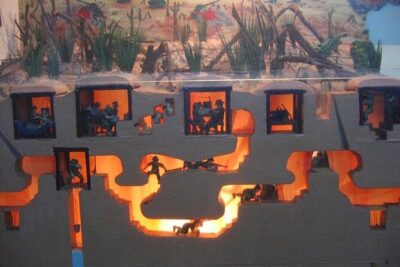
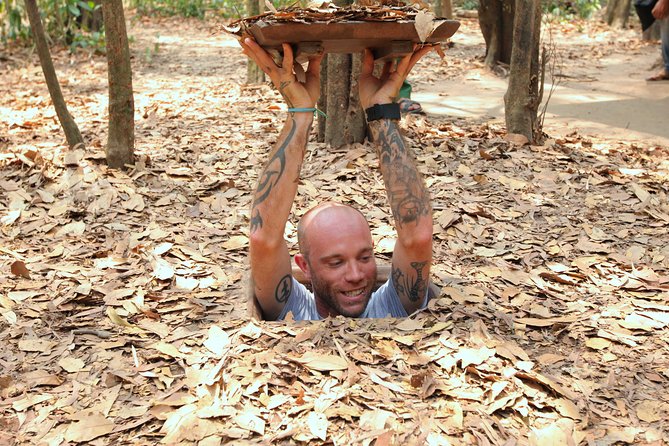
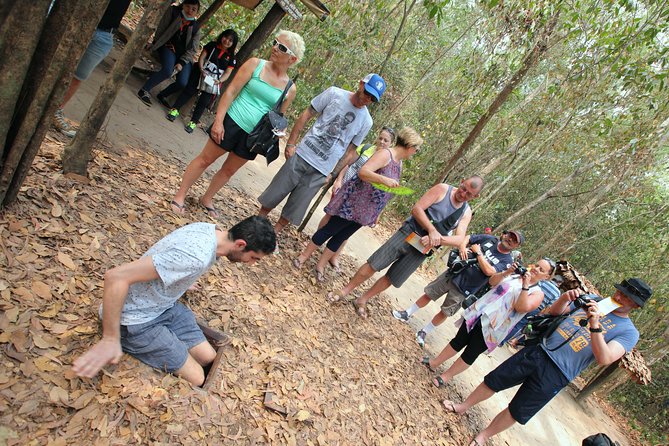
The most important part is that you’ll get to enter and crawl through one tunnel. That crawl is short compared with the full network, but it’s still the closest you’ll get to what daily movement could feel like underground. You’ll also see the kinds of features that kept people alive and moving: trap doors, storage facilities, and areas described as factories, field hospitals, and kitchens. Command centers and other practical spaces are also part of the visit.
The crawl is where you should be honest with yourself. Tight spaces and low light can be uncomfortable. If you’ve got any claustrophobia, knee or back issues, or breathing sensitivity, you’ll want to weigh that before you book. For many people, it’s a powerful way to understand the system. For others, it’s the one part that doesn’t feel worth the tradeoff.
Inside the tunnel network: what to look for and how to pace yourself
Once you’re in the tunnel area, your guide’s job becomes translating the “where” into the “why.” You’ll be shown the maze-like nature of the network—connections that could hide people, move supplies, or reduce exposure. When you see trap doors and storage spaces, it helps to think like a planner, not a tourist. The features aren’t random; they’re about controlling movement and maintaining safety.
Also keep an eye on the variety of spaces mentioned for the site: command centers, field hospital areas, kitchens, and factory-style work areas. Seeing multiple functions in one connected system helps you understand how daily life could continue even under threat. It’s not just shelter. It’s infrastructure.
Pacing is key. You’ll have time to explore rather than being herded through at high speed. That’s especially helpful for photos, for questions, and for regrouping before the crawl part. If you want to get your bearings fast, tell your guide you’d like a quick orientation before you enter the tunnel.
One more note from the experience’s standout guide feedback: guides named Nhu and Thanh Le Terry receive strong praise for being thoughtful, considerate, and patient, with clear communication. If your guide has that style, you’ll likely feel more confident asking questions and moving at your own rhythm.
The speedboat experience: comfort, timing, and a different viewpoint
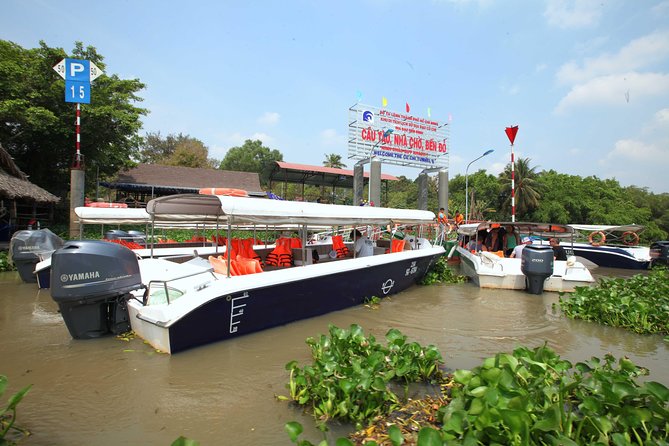
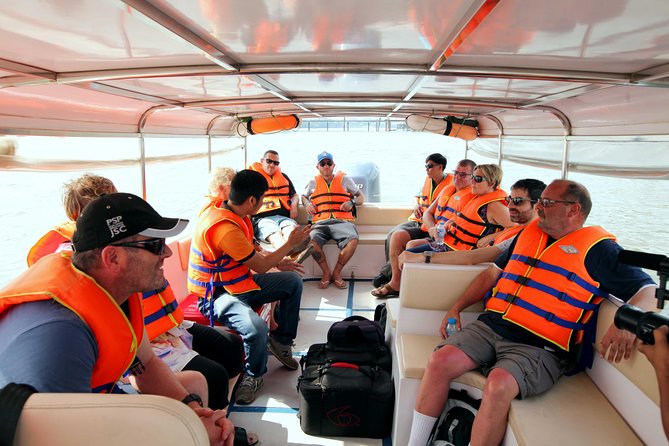
The boat segment is why a lot of people choose this tour in the first place. You get a comfortable ride on the Saigon River, and it helps break up what could otherwise be a single long travel day. Because the speedboat is scheduled for about one hour each direction, it gives you structure: you know when you’re traveling and when you’re arriving.
The tour also includes transport support beyond the boat. An air-conditioned tourist bus is listed as part of the included services. Practically, that means you should expect some extra ground transfer time during the day, even though the signature element is the river ride.
This matters for timing. When tours rely only on one long road drive, delays can compound. With a planned boat segment and clear stop points, the schedule tends to feel more predictable—as long as weather cooperates.
Also, the tour requires good weather. If conditions aren’t right, the operator may shift plans by offering a different date or a full refund. This is one of those travel realities that’s worth factoring in when you’re booking near the edge of your trip dates.
Food and rest: lunch, water, and cassava
After the tunnel portion, you’ll eat lunch. It’s a set menu and comes with mineral water included. A set menu is practical on a day like this because it removes the guesswork of finding food around the area, especially when you’re working with a fixed group schedule.
One detail I really like is the emphasis on cassava. The tour specifically notes cassava as the popular food you’ll enjoy during W days at Cu Chi tunnels. Even if you’ve tried cassava before, this is the point: it connects what you eat to what was reportedly common during wartime conditions there.
Don’t treat lunch as a full reset. You’ll still be mentally processing what you saw underground. But a real meal helps you keep your energy steady for the final round of the day when you’ll head back toward Ho Chi Minh City.
You can also read our reviews of more tours and experiences in Ho Chi Minh City





Where you end up: War Remnants Museum, Ben Thanh, or your District 1 hotel
On the way back, you don’t just get dropped somewhere generic. The return options include being dropped off at the War Remnants Museum, Ben Thanh Market, or your hotel in District 1. That flexibility is useful. It means you can keep your day moving without immediately hunting for transportation.
If you’re planning to visit the War Remnants Museum anyway, this is a smart pairing. The tunnel visit is intense, and seeing related materials afterward can help tie it together in your mind. If shopping or walking is more your thing, Ben Thanh Market is an easy landing point for that last-hour energy.
If you prefer a softer landing, the District 1 hotel drop-off option keeps things simple. It’s especially handy if you’re tired after a day with both a boat ride and a tunnel crawl.
One small thing to watch: the tour is described as ending back at the meeting point, but it also lists return drop-off options. In practice, you’ll want to confirm your exact end location when you book, since pickup and drop-off are tied to centrally located hotels.
Price and value: is $75.59 a fair deal?
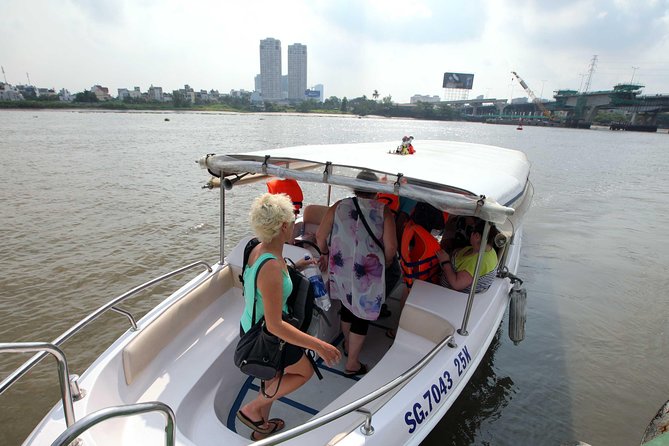
At $75.59 per person, this tour costs more than some land-only options, but it’s not just paying for a bus and a ticket. You’re paying for several included items that add up fast: a luxury speedboat, an experienced English-speaking guide, lunch with mineral water, and tunnel admission. Travel insurance is included too, which is a real value-add on tours that involve transit and physical elements.
The other value factor is time efficiency. With about one hour on the water and a structured two-hour on-site visit, you get a full day without stretching into something like a full-day-with-no-clear-time-blocks setup. The tour also keeps group size capped at a maximum of 16, which usually means you spend less time waiting and more time learning.
Where the cost may feel high is if you’re mainly looking for a low-effort overview and you don’t care about the tunnel crawl. But if you want the speedboat segment and you plan to spend real time at the tunnels, the pricing looks more balanced.
Who this tour suits best (and who should consider alternatives)
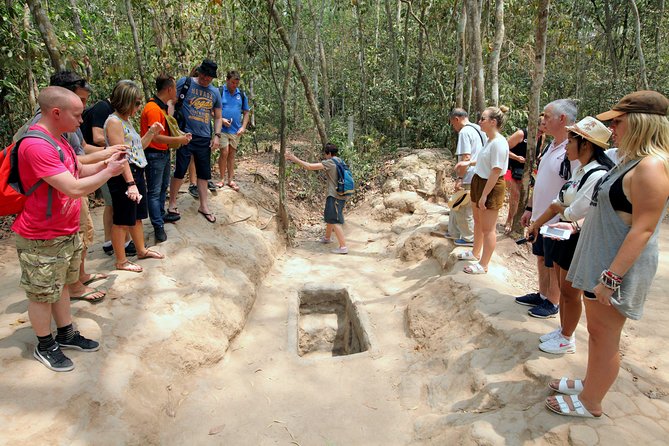
This is a good fit if you want a day that mixes travel comfort with a hands-on site visit. The tour design works well for first-timers to Cu Chi who want guidance in English and a clear sense of what each tunnel feature represents.
It’s also a strong choice if you hate wasting half your day in traffic. The speedboat is a clear quality upgrade in terms of ride experience, and it changes the day’s feel.
This may be less ideal if you’re sensitive to confined spaces. The crawl through one tunnel is part of the experience, and even if you don’t go far, you’ll still be in a tight environment. If you have mobility issues, consider your limits carefully. The tour notes that most travelers can participate, but “can” and “should” aren’t always the same thing.
Families should plan around the rules for kids. Children must be accompanied by an adult, and children under 5 are free, though parents handle any costs that arise during the tour. For families, it’s also worth thinking about the tunnel segment and whether it’s appropriate for your child’s comfort level.
Vegetarian lunch is available if you request it at booking. If that matters to you, request it early so there’s no scramble on the day.
How to prepare so the day goes smoothly
You’ll enjoy this tour more if you show up ready for both parts: travel and underground. Bring something light for the boat ride because river weather can change quickly. Wear shoes that work for uneven, potentially damp surfaces in the tunnel area.
You should also plan mentally for the crawl segment. It’s not an extreme obstacle course, but it is a physical experience. Take it slowly, listen to your guide, and don’t treat it like a race.
If you’re a photo person, remember you’ll be moving between open areas and darker underground sections. Your best shots may require patience and quick angles, especially near trap-related areas or entrance points. Don’t force it—your comfort comes first.
Finally, take advantage of the guide’s clear explanations. The standout guide feedback includes praise for Nhu and Thanh Le Terry for being thoughtful and patient, with history explained in a way that’s easy to follow. When the guide speaks, try to listen for the “why” behind the features, not just the location names.
Should you book Luxury Speedboat 2 Ways to Cu Chi Tunnels?
Book this tour if you want Cu Chi Tunnels with a more comfortable, scenic approach. The speedboat adds real value, the tunnel time is substantial at around two hours, and lunch with cassava plus an English guide keeps the day organized.
Don’t book if you strongly dislike confined spaces or you expect a totally low-physical-exertion visit. The crawl part is central, and the day is long at about 8 hours.
If you’re on the fence, think about your priorities: boat comfort and guided structure, or a lighter, less physical experience. For the first group, this tour is a solid choice. For the second group, you’ll likely want to compare with options that don’t include the tunnel crawl.