REVIEW · HO CHI MINH CITY
Cu Chi Luxury Group Tour – Tapioca and Cake Half Day
Book on Viator →Operated by KIM TRAVEL · Bookable on Viator
A trip underground that sticks with you. This Cu Chi Luxury Group Tour pairs Cu Chi Tunnels exploration with quick history framing and a stop for cassava tasting, so you leave with more than just dark holes in the ground.
Two things I like right away are the strong focus on what you’re seeing underground, and the fact that the experience includes hands-on tunnel time, including a chance to crawl through a tight section and test a tiny entrance. Guides such as Hien and Long are repeatedly praised for clear, story-driven explanations, and that matters a lot when the tunnels all start to look the same.
One possible consideration: at peak times, tunnel entries can bunch up, so you may spend more time standing in the heat than you’d like before you get moving again.
In This Review
- Key highlights you should care about
- Cu Chi Tunnels: what you’re really walking into
- The 3D movie briefing before you go underground
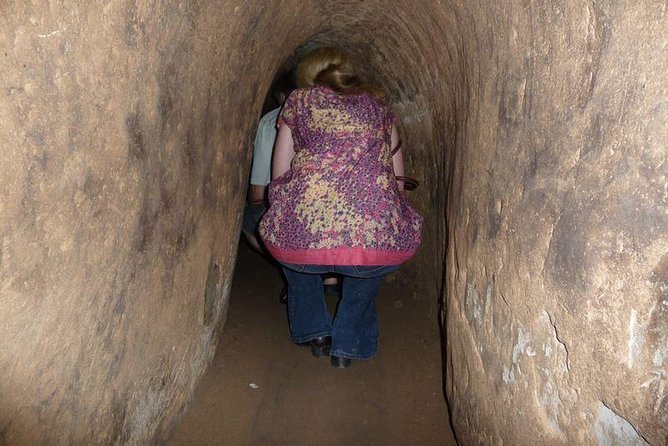
- Tunnel time: tight spaces, trapdoors, and the crawl
- Blast craters and the forest documentary stop
- Cassava and Vietnamese hot tea: included food with real context
- Pickup, air-conditioned minivan, and group size realities
- Crowds, timing, and how to make the day feel smoother
- Value at $21.99: what you get for the money
- Who this tour fits best (and who should skip it)
- Should you book this Cu Chi Luxury Group Tour?
- FAQ
- How long is the Cu Chi Tunnels half-day tour?
- Where does the tour pick you up and drop you off?
- What’s included with the tour?
- Do I get to go into the tunnels?
- Is this tour physically demanding?
- What is the cancellation policy?
Key highlights you should care about
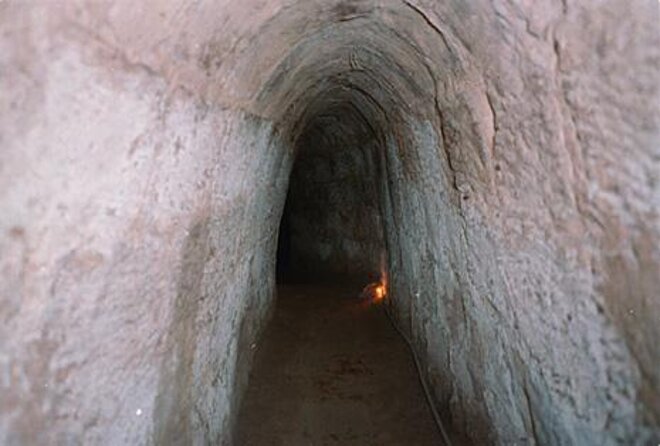
- A real tunnel crawl plus a chance to try a very small entrance opening
- 3D movie briefing that sets context before you go underground
- Trapped doors, kitchens, field hospital areas, and command posts all shown on your route
- Blast crater views and a documentary stop that connect the war to the ground you’re walking on
- Tapioca, hot tea, and wheat cake included to keep energy up during the long outing
- Hotel pickup in Districts 1, 3, and 4 with air-conditioning, plus an English-speaking guide
Cu Chi Tunnels: what you’re really walking into
Cu Chi is famous for its tunnel network built during the wars with France and later during the American War. The basic idea is simple: underground life wasn’t an accident. It was a survival system, designed to move people, store supplies, treat injuries, and keep leadership running—even with bombs falling above.
What makes this tour compelling is that you’re not only looking at tunnels behind glass. You’re guided through multiple layers of the site conceptually, and you get time to experience the narrow, low, cramped reality of the tunnels themselves. That physical smallness is a big part of why the place hits emotionally.
You should also know the tunnels you’ll see here are described as some of Vietnam’s best preserved sections for visitors. Still, this is a war site. You’ll want to bring respect and a clear head, not a party mindset.
You can also read our reviews of more tours and experiences in Ho Chi Minh City


The 3D movie briefing before you go underground
Before the tunnel portion gets tight, the tour starts with a 3D movie. The topic is Vietnam War history, focused on the largest American ground operation of the war period. The point isn’t to turn you into an expert. It’s to give you a map in your mind before you start trying to interpret trapdoors, storage areas, and cut-through passages.
This matters because Cu Chi is confusing on first glance. Without framing, you might just see “tunnel entrances” and “some rooms.” With the briefing, you’re more likely to notice how the system is laid out and why different areas existed where they did.
Timing here is also useful. The movie is an indoor reset when the day starts to feel long, and it helps you move into the tunnel portion with better context for what your guide is explaining.
Tunnel time: tight spaces, trapdoors, and the crawl
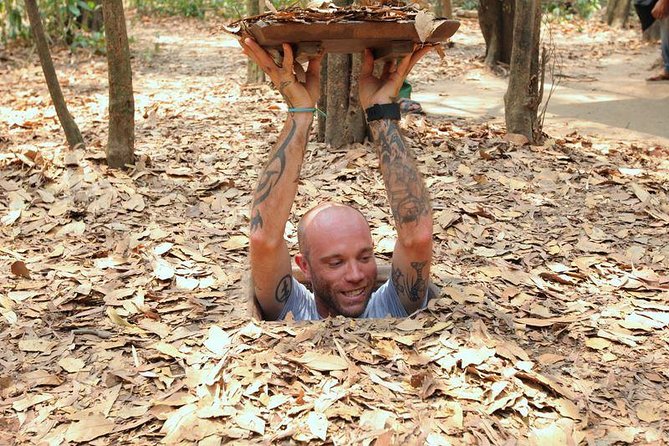
This is the main event. Your route includes time exploring the maze-like tunnel sections, including areas linked to storage, kitchens, command posts, and field hospital setups. Your guide also points out the logic behind the design—how hidden entrances, trapdoors, and ventilation helped people keep moving and stay alive.
Then comes the part that most people remember: you get a chance to crawl into a tunnel section and try a very small hiding entrance. Even if you’ve seen tunnel pictures online, real tunnel time feels different. Expect low ceilings, narrow openings, and the need to stay calm and slow.
Practical tip: wear clothes you don’t mind getting dusty. You’ll likely be moving in and out of covered areas, and some tunnel sections can feel damp or warm. If you bring a backpack, consider whether you’ll be able to hold essentials safely while you move through tight spaces.
Also plan for body comfort. The tour asks for a strong fitness level. If you’re dealing with knee issues, breathing trouble, or claustrophobia, this is the part you need to think about carefully before booking.
Blast craters and the forest documentary stop
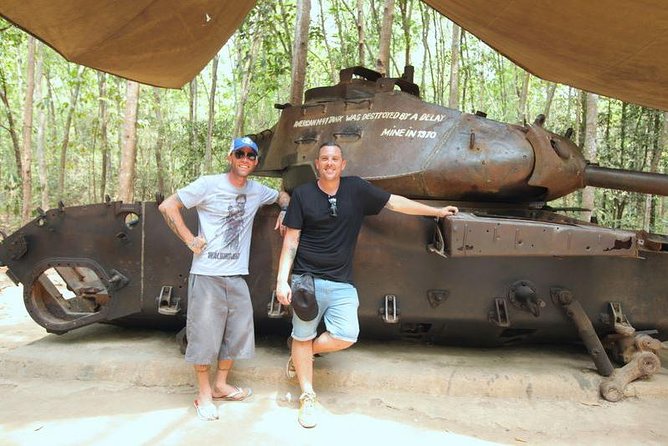
After the tunnel work, the experience shifts back toward the wider landscape. You’ll see overgrown blast craters left by aerial bombing campaigns. Seeing those craters after you’ve already been underground is powerful. It puts the tunnel story into the larger picture: protection wasn’t abstract. It was surrounded by damage above.
There’s also a stop in a forest area where you watch a documentary connected to Cu Chi’s strategic tunnel system. This breaks up the physical strain of tunneling and gives your brain time to connect the underground layout to what was happening on the surface.
One thing to keep in mind: this is still a full day of movement in Vietnam’s heat. The documentary stop helps, but you’ll still want water and a plan for sun exposure.
Cassava and Vietnamese hot tea: included food with real context
A fun and surprisingly meaningful detail is that the tour includes what’s described as the most popular food during war days at Cu Chi: cassava. You’ll also get Vietnamese hot tea, plus wheat cake, wet tissues, and bottled water.
It’s easy to treat this as a snack stop. But the reason it’s included is that it reminds you what the tunnels were defending, not just what they were built from. Cassava was a practical food—sturdy and widely used—so tasting it puts you closer to everyday survival, not only dramatic history.
If you’re picky about food, check your expectations. This isn’t a restaurant meal. It’s a simple included refresh during a long stretch.
You can also read our reviews of more tours and experiences in Ho Chi Minh City


Pickup, air-conditioned minivan, and group size realities
The tour includes hotel pickup in District 1, 3, and 4, and drop-off back in District 1. You’ll ride in an air-conditioned minivan with an English-speaking guide, which is a big deal in Ho Chi Minh City traffic and heat.
The group size is capped at 25 travelers. That’s usually manageable, and in the best cases, you’ll feel like a real group rather than a cattle line. Some departures can feel smaller in practice, which helps with questions and with getting through tunnel entry without everyone shouting over each other.
One logistics note: the tour runs about 7 hours even though it’s labeled half day. So treat it like a long afternoon outing. If you have dinner plans that require lots of time, I’d aim for flexibility.
Crowds, timing, and how to make the day feel smoother
The biggest repeat complaint isn’t about the tunnels themselves. It’s about waiting—standing in the hot sun for exhibits or for tunnel entry when too many groups overlap.
You can’t control crowd flow entirely, but you can reduce the sting. Wear light clothing that covers your shoulders, bring a hat, and keep your water handy. If you’re sensitive to heat, this is one outing where you should not plan to just “power through” without preparation.
Your guide can also influence how the group moves. In the feedback, guides such as Lam and Bo are praised for keeping the pace moving and providing clear explanations. That kind of leadership helps when you’re waiting, because you’re not just standing there guessing what you’re looking at.
Value at $21.99: what you get for the money
At $21.99 per person, this tour is priced in the budget-to-mid range for Cu Chi. The value comes from what’s bundled: hotel pickup and drop-off in key central districts, an air-conditioned vehicle, an English-speaking guide, entrance fees, travel insurance, and included food and drinks (cassava, hot tea, wheat cake, water, wet tissues).
You’re also paying for time. Many people struggle with Cu Chi because it’s far enough from central Ho Chi Minh City that DIY planning gets annoying fast. A guided route saves effort, even if the final experience still depends on how crowds behave.
What could cost extra?
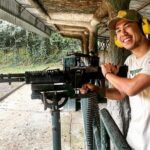
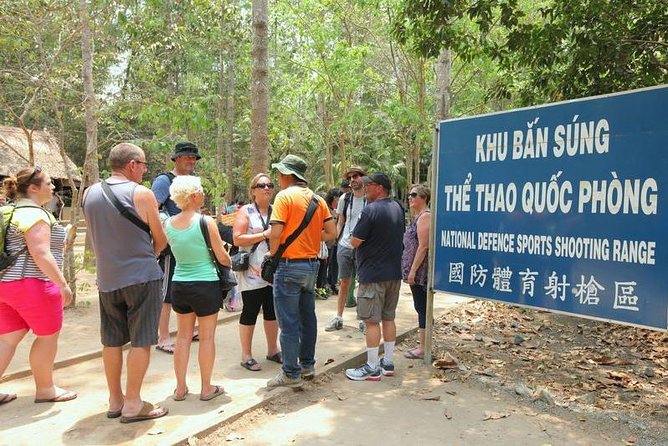
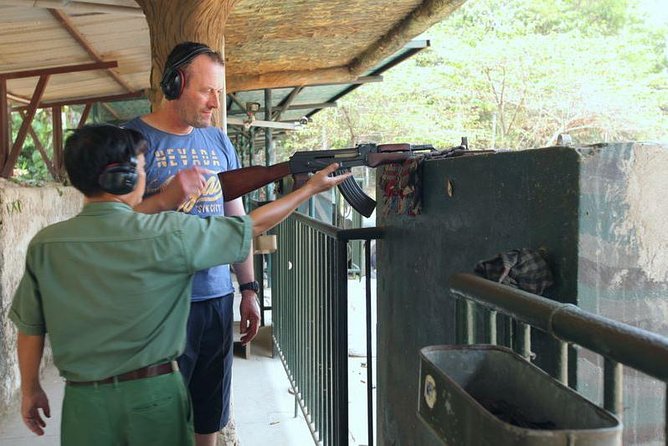
- There may be optional add-ons on site, like a shooting range experience for an additional fee.
- Some departures include a stop for lacquer or handicraft related to Agent Orange impact. Even when there’s no pressure to buy, it can add time, so keep that in mind if you’re tight on schedule.
If you want the core Cu Chi tunnel experience with transportation and basics handled, this price can feel like a good deal. If you only care about one or two tunnel highlights, compare it to other half-day options so you don’t end up paying for the full route you don’t need.
Who this tour fits best (and who should skip it)
This tour fits you if:
- You want a focused Cu Chi experience without the hassle of transportation planning
- You enjoy guided storytelling and context, not only self-guided photos
- You can handle physical movement and time spent outdoors in heat
I’d think twice if:
- You’re not comfortable with tight, low spaces and crawling
- You get stressed by crowds and queues
- You’re aiming for a short, easy outing that leaves you feeling fresh for evening plans
For history buffs, it’s also a good fit because you’re not only seeing tunnels. You’re also seeing bomb crater remnants and hearing how the tunnel system worked in the war period from 1961 to 1972, with areas mapped to daily survival tasks.
Should you book this Cu Chi Luxury Group Tour?
If your priority is a guided, practical Cu Chi outing from Ho Chi Minh City—with transport, entrance, and a guided tunnel crawl plus included cassava—this is an easy “yes” to consider. The price is strong for a tour that handles the logistics and puts you inside the site rather than just around it.
My advice: book it if you’re mentally ready for heat, crowds at busy times, and tight tunnel sections. Book it only if you’re comfortable with physical effort, since this isn’t a walk-through museum. If you want the history explained clearly and you appreciate a guide like Hien, Long, Bo, Lam, or Jackie (names that show up for strong instruction), you’re likely to have a satisfying day.
If you’re scheduling other tours the same day, plan buffer time. Cu Chi can run longer than you expect, and you’ll feel it.
FAQ
How long is the Cu Chi Tunnels half-day tour?
It runs for about 7 hours (approx.).
Where does the tour pick you up and drop you off?
Pickup is offered from hotels in Districts 1, 3, and 4. The tour drops you back in District 1.
What’s included with the tour?
Included are an air-conditioned minivan, an English-speaking guide, entrance fee, travel insurance, bottled water, wet tissues, tapioca, Vietnamese hot tea, and wheat cake.
Do I get to go into the tunnels?
Yes. The experience includes time exploring the tunnel maze and crawling into a tunnel section, plus a chance to try a tiny entrance.
Is this tour physically demanding?
Yes. The tour notes that travelers should have a strong physical fitness level due to the tunnel experience.
What is the cancellation policy?
Free cancellation is available. You can cancel up to 24 hours in advance for a full refund. If you cancel less than 24 hours before the start time, the amount paid is not refunded.