REVIEW · HO CHI MINH CITY
Saigon: City Highlights & Unseen Tour|Opt: Female Riders
Book on GetYourGuide →Operated by VIETNAM STREET FOODS TOUR · Bookable on GetYourGuide
Scooters and history, all in one ride. This 4-hour Saigon highlights and unseen route strings together a haunting Buddhist story, old apartment blocks, and Chinatown landmarks while you zip through multiple districts with guides like Linh and Minh calling out what you’re seeing.
I especially love how the tour reads like a guided street walk with momentum: the Thich Quang Duc monument sets the tone, then the ride keeps turning up human-scale scenes you’d likely miss on foot.
One thing to consider: you’re on a motorbike in heavy city traffic, so if you dislike the scooter experience (or motion), this may not be your ideal way to see Ho Chi Minh City.
My second big win is the food stop timing. You’ll finish with a hearty local meal, either grilled pork vermicelli with spring rolls or beef noodle soup, plus two drinks along the way. It’s not an afterthought either; the best part is you’re eating what feels normal for the neighborhood you just rode through.
The main drawback is simple logistics. Pickup and drop-off are included, but only for District 1, 3, 4 and some exclusions, and oversize luggage isn’t allowed—so pack light and keep expectations realistic.
In This Review
- Key things I’d mark on your map
- How the scooter tour gives you the real Saigon rhythm
- Thich Quang Duc monument: the story before the street noise
- Hoa Thi Ky Flower Market: photos, smells, and a quick lesson in scale
- Nguyen Thien Thuat apartments: lived-in Saigon, not postcard Saigon
- Chợ Campuchia: a smaller market where the snacks do the talking
- District 5 and Thien Hau Temple (1760): Chinatown’s oldest anchor
- The oldest Chinatown church built in 1865: religion beyond one story
- Lunch on two wheels: vermicelli or pho-style comfort
- Safety, helmets, and the comfort factor that makes it work
- Female-rider option and the Ao Dai request detail
- Who this tour is best for (and who should skip it)
- Quick reality check on value: $24 for 4 hours adds up
- Should you book this Saigon highlights and unseen tour?
- FAQ
- How long is the tour?
- What’s included besides the sightseeing stops?
- Where are pickup and drop-off included?
- Can I request female riders in Ao Dai?
- What food will I have on the tour?
- Is cancellation free?
Key things I’d mark on your map
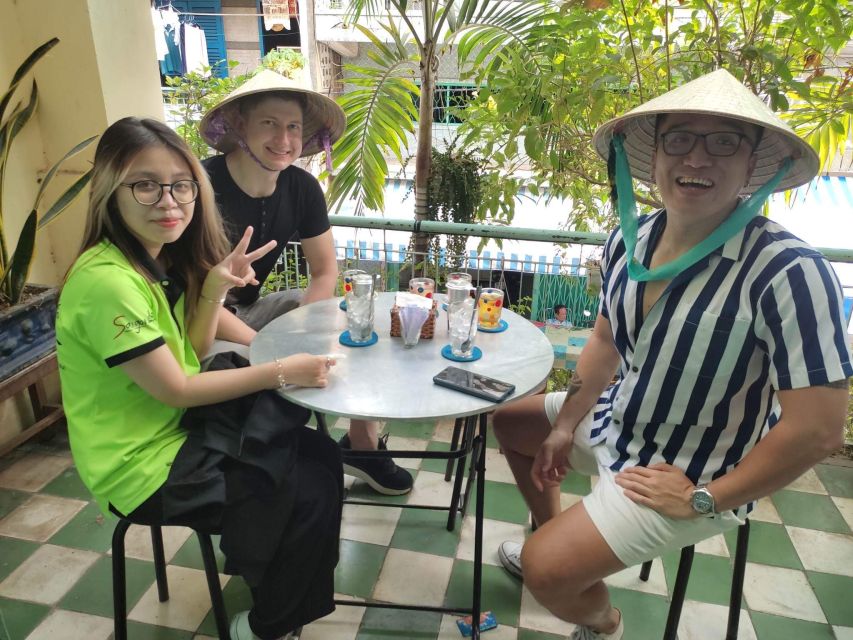
- Thich Quang Duc monument (1963): Learn the story behind the monk’s protest and how it shaped public memory.
- Hoa Thi Thi Ky Flower Market: Saigon’s biggest flower market feels like a pocket village of color and scent.
- Nguyen Thien Thuat apartment blocks: See old, lived-in buildings that show everyday district life.
- Chợ Campuchia (Cambodian Market): Taste and browse a smaller cross-cultural market where snacks and spices feel local.
- Thien Hau Temple (District 5): Chinatown’s oldest temple built in 1760 brings Chinese heritage into focus.
- First church in Chinatown (built 1865): A historic Paris Missionary Association church by Father Phillippe anchors the religious story of the area.
How the scooter tour gives you the real Saigon rhythm
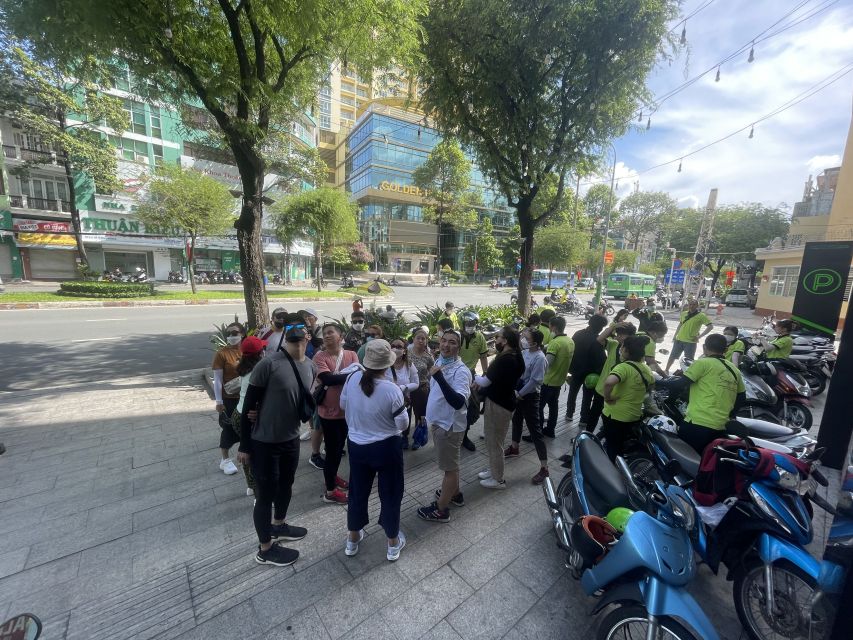
This kind of tour works because Saigon is a city you feel with your body, not just your eyes. On a scooter, you move through tight streets fast enough to cover more than walking ever would, but slow enough to notice details: shop signs, street rhythms, and how people actually use space. The whole experience is designed to be practical—you get guided structure without it feeling like a lecture.
You also get an English-speaking guide as your translator for what you’re seeing. In practice, that means you don’t just stand in front of a landmark and guess at its meaning. Guides like Lyn, Moon, Katie, and others (you’ll hear different names depending on the day) are praised for making the ride feel calm and safe, even when the traffic gets loud.
You can also read our reviews of more city tours in Ho Chi Minh City



Thich Quang Duc monument: the story before the street noise
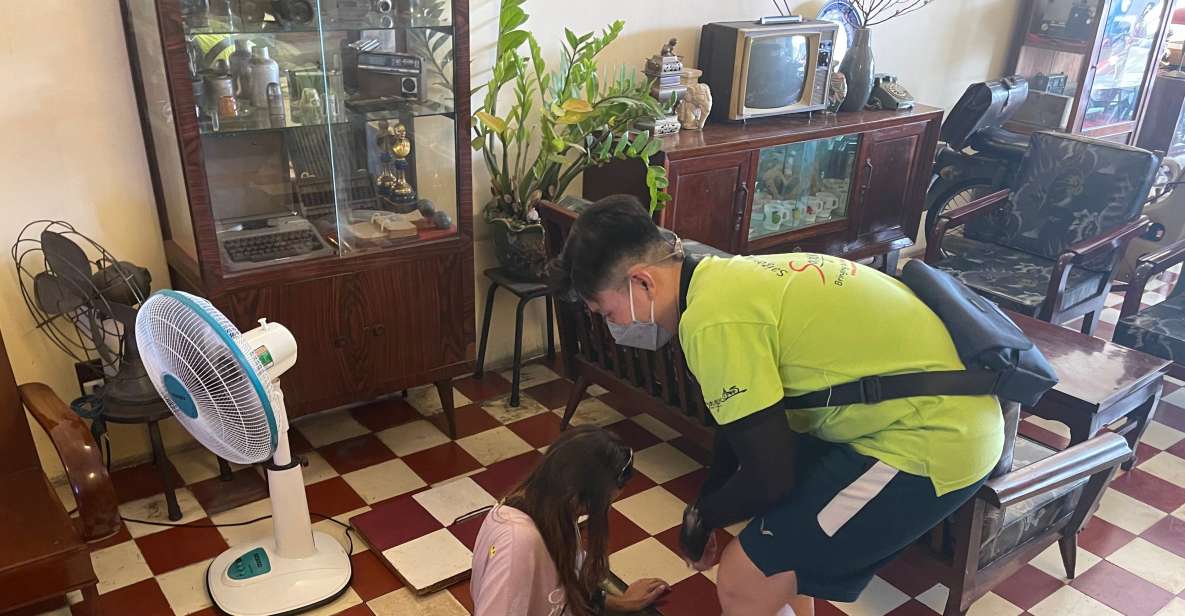
The tour starts with a strong first stop: the Thich Quang Duc monument. This is where you hear the story of Thích Quảng Đức, the Buddhist monk who self-immolated in 1963 as an act of protest. Even if you’ve read about it before, a monument like this lands differently when someone explains it while you’re standing there, surrounded by the city that grew around the memory.
Why I like this first: it gives you a lens. Saigon can feel chaotic at first glance, but once you understand the emotional weight behind certain places, the city stops being only noise and becomes layered. A good guide also connects it to what you’ll see later—religion and community aren’t separate topics here; they’re woven into daily life.
Hoa Thi Ky Flower Market: photos, smells, and a quick lesson in scale
Next is the Hoa Thi Ky Flower Market, described as Saigon’s biggest flower market. The appeal is immediate: rows of roses, orchids, and lilies create a kind of moving color wall on both sides of the ride. It’s not just pretty. It shows you a side of the city built around commerce, labor, and local habits—not just sightseeing.
What you’ll do in this stop is straightforward: wander, take photos, and enjoy the fragrance. Some guides also suggest grabbing a mini bouquet if you want a souvenir that’s actually tied to the neighborhood. A small note: you’ll probably see lots of close-up moments, so bring your phone case or keep your hands free so you can stay balanced while walking in narrow aisles.
Nguyen Thien Thuat apartments: lived-in Saigon, not postcard Saigon
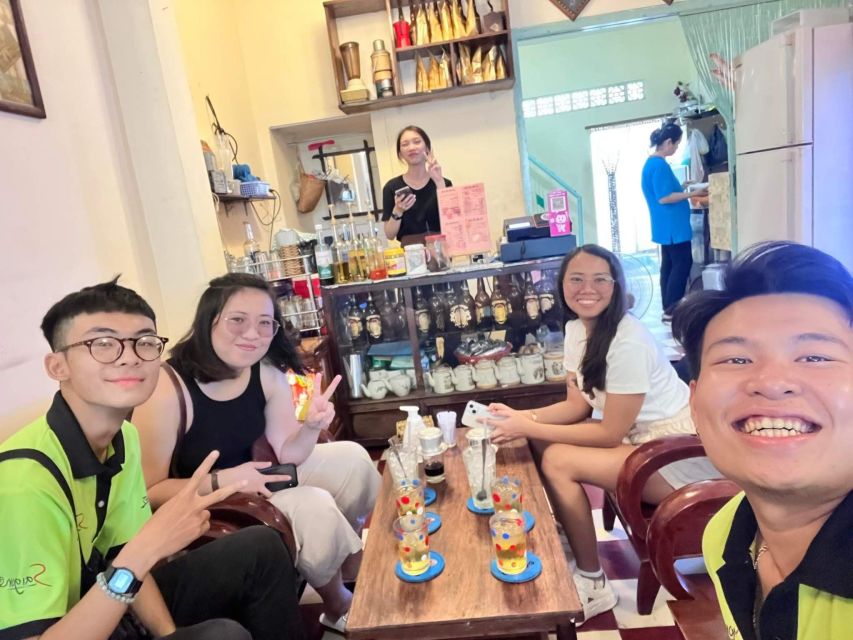
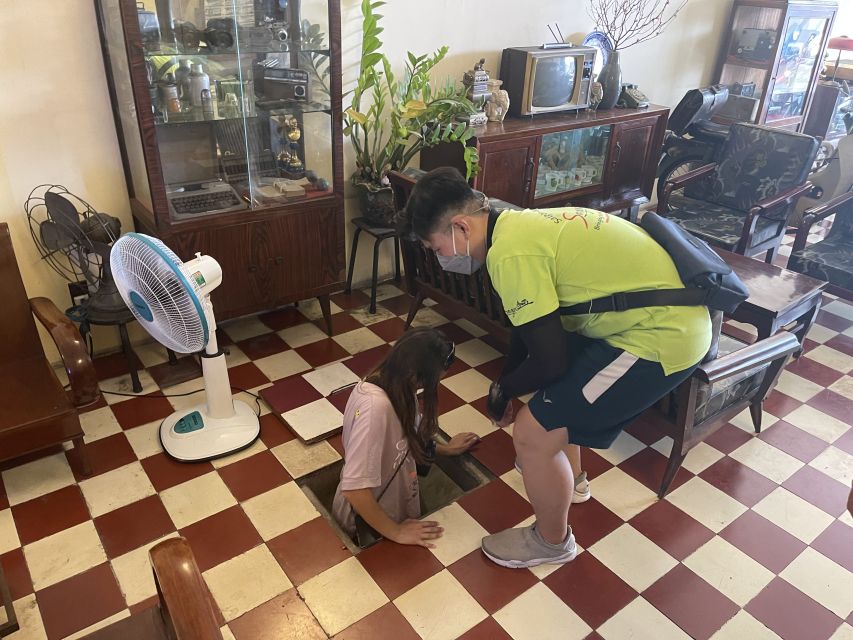
From flowers you move into something more grounded: Nguyen Thien Thuat Apartments. These blocks are old and lived-in, and that’s the point. Instead of a restored attraction, you see places shaped by real routines: laundry, doorways, and the kind of everyday architecture that tells you how people live when no tour cameras are rolling.
This stop is a reminder that Saigon has layers. Yes, there’s famous history, but there’s also the history of ordinary life—how neighborhoods evolve while still keeping their core. If you like street photography, this is a much better target than another temple yard. Just be respectful: you’re looking at people’s homes, so keep your distance and avoid blocking entrances.
Chợ Campuchia: a smaller market where the snacks do the talking
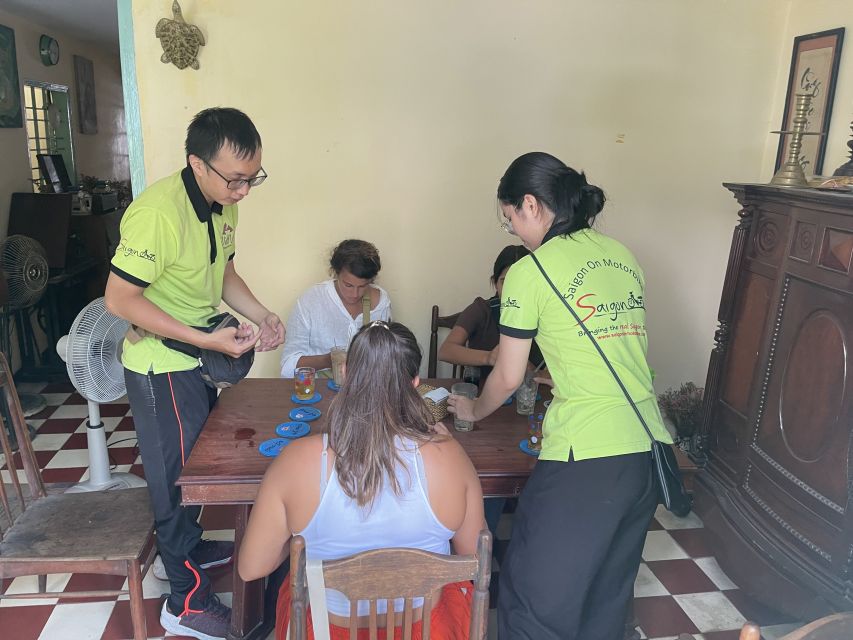
Then you head toward Chợ Campuchia (Cambodian Market). This is where the tour starts to feel like a food-and-senses walk, not only a sight list. You’ll see a blend of Vietnamese and Cambodian culture, and the market is known for offering snacks, spices, and items you might not find in the bigger, more famous stalls.
Here’s what I think you should pay attention to: the little practical differences. Markets like this are where ingredients and flavors travel across borders, and it shows up in what people buy and what’s being cooked. Even if you don’t eat everything, browsing the spice and snack options helps you understand why local meals taste the way they do.



District 5 and Thien Hau Temple (1760): Chinatown’s oldest anchor
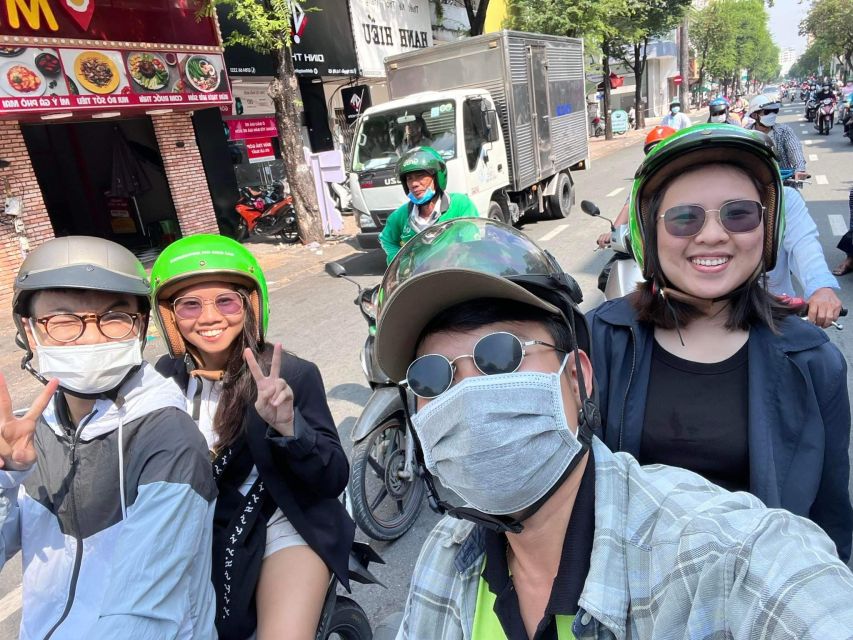
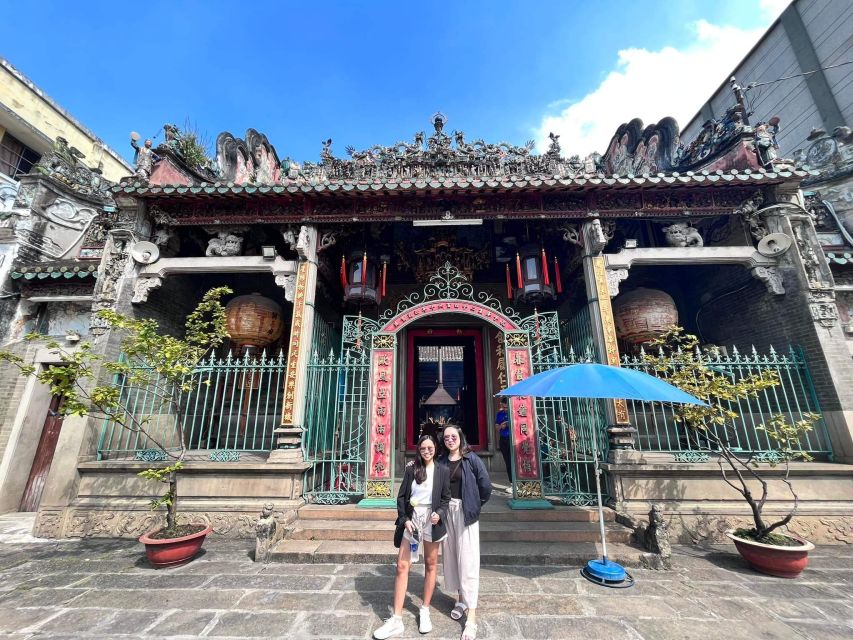
After the market stops, the route shifts into District 5, and that’s where Thien Hau Temple comes in. This temple is tied to the Chinese heritage of the Chinatown area and is listed here as the oldest temple in Chinatown, built in 1760.
This stop is worth it because it changes the mood. Markets are about movement and noise. Temples slow things down. You’ll have a chance to look closely at religious life and learn how community identity shows up in architecture and worship. If your past experience with temples was mostly about taking photos, this is the stop where a guide’s context makes the difference. The temple’s age also matters: 1760 isn’t a recent reenactment, it’s a long thread of continuity.
The oldest Chinatown church built in 1865: religion beyond one story
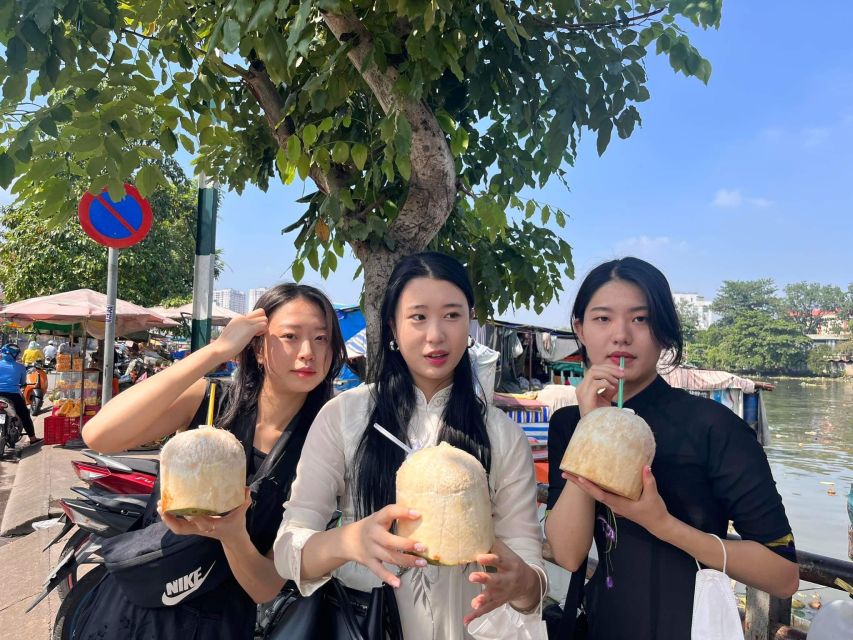
Next comes a different religious landmark: the oldest church in Ho Chi Minh City that’s associated with Chinatown, built in 1865 by Father Phillippe, a priest of the Paris Missionaries Association of the Diocese of Canton. The tour frames this as a sign of the city’s diverse religious history, and that diversity is easy to feel when you move from a Chinese temple setting into a Christian church setting with a clear historical timeline.
I like this pairing because it forces you to compare rather than just collect. You start noticing what stays the same across faiths—community gathering, ritual space, and how places become landmarks over time. If you’re the kind of traveler who likes understanding why a city looks the way it does, this stop delivers.
Lunch on two wheels: vermicelli or pho-style comfort
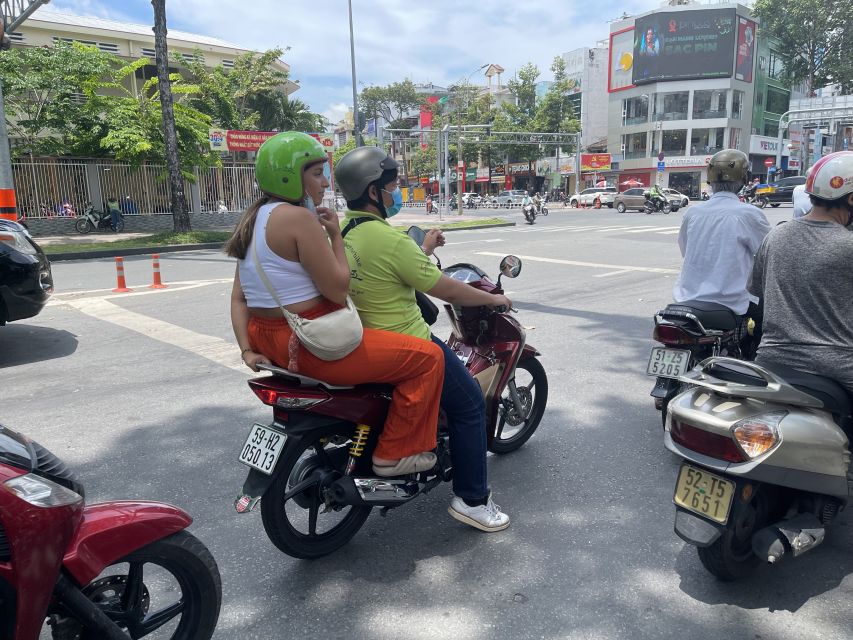
By the time you reach your meal, you’re usually hungry in a good way. The tour includes one meal plus two drinks, and the food options listed are grilled pork vermicelli with spring rolls or beef noodle soup.
This is where value really shows. At $24 for a 4-hour experience, the meal inclusion matters because street food in Saigon can easily run up your budget if you keep buying snacks between stops. Here, you get a real local bowl that feels like part of the day, not a ticket punch at the end.
One practical tip: go in ready to eat with chopsticks or Vietnamese-style handling. Don’t worry if you’re clumsy—guides are typically good at guiding you, and the food is served in a way that most people can manage quickly.
Safety, helmets, and the comfort factor that makes it work
You’ll get a high-quality open-faced helmet and a raincoat if needed, plus accident insurance. That setup is exactly what you want for a city scooter tour: minimal friction, clear safety gear, and no guesswork about what you’re wearing.
The reviews you provided repeatedly praise how drivers handle traffic. Many mention guides making them feel safe through hectic intersections, and some even note the ride being relaxing enough for families with kids. So while this is still an on-the-motorbike experience, it’s not a chaotic free-for-all. The guides aim for steady control and clear communication.
Female-rider option and the Ao Dai request detail
This tour is tied to female riders as the option, and you’ll travel with friendly English-speaking guides. If you want a specific style—female riders in Ao Dai—you’ll want to request it at least 6 hours in advance.
If you request within 6 hours, or on crowded days, riders may be randomly assigned. This isn’t a dealbreaker for most people, but it’s a key detail to know upfront so you don’t end up disappointed.
Who this tour is best for (and who should skip it)
I’d recommend this tour if you:
- want a fast way to cover multiple districts without sprinting across the city on foot
- like history and religion, but you also want it tied to street life and everyday spaces
- enjoy eating what locals eat, especially noodle meals
- prefer a guided scooter ride over solo navigation
I’d think twice if:
- you have motion sickness or strong discomfort with motorbike rides
- you’re carrying bulky luggage (oversize luggage isn’t allowed)
- you need very specific pickup timing outside District 1, 3, or 4
Quick reality check on value: $24 for 4 hours adds up
At $24 per person for a 4-hour private tour on a motorbike, the value comes from three things. First, transport: you’re not just getting a driver; you’re getting guided stops across different areas. Second, the included meal and drinks reduce what you’d otherwise spend independently. Third, the safety gear and accident insurance are practical extras that make the ride feel more professional than a casual scooter taxi.
If you’re on a tight schedule, this is the kind of half-day plan that can replace multiple shorter outings. You get variety: a monument with a protest story, a flower market, lived-in apartments, a cross-cultural market, and two major Chinatown religious stops.
Should you book this Saigon highlights and unseen tour?
If you want a half-day that feels like Saigon with a local friend—then yes, book it. The mix of monuments + neighborhood texture + real noodle lunch is the sweet spot. Also, you’ll likely appreciate the way the guides explain what you’re seeing, not just where to stand.
Just go in with the right mindset: you’re riding through real traffic, not viewing a staged city. Wear comfortable clothes, keep your bag secure, and pack light. If you do that, you’ll come away with a smarter understanding of Saigon’s religious and cultural layers, and with photos and flavors that feel connected to actual neighborhoods.
FAQ
How long is the tour?
The tour runs for 4 hours.
What’s included besides the sightseeing stops?
You get a 4-hour motorbike tour, high-quality open-faced helmet and a raincoat if needed, 2 kinds of drinks, and 1 meal, plus accident insurance and an English-speaking private guide.
Where are pickup and drop-off included?
Pickup and drop-off are included for District 1, District 3, District 4, and some exclusions apply. The guide picks you up from your hotel or specified place.
Can I request female riders in Ao Dai?
Yes, but you need to request it at least 6 hours in advance. If you request within 6 hours or on crowded days, riders may be randomly assigned.
What food will I have on the tour?
The included meal is either grilled pork vermicelli with spring rolls or beef noodle soup.
Is cancellation free?
Free cancellation is available up to 24 hours in advance for a full refund.