REVIEW · HO CHI MINH CITY
Saigon History & Cu Chi Tunnels with War Museum 1-Day Tour
Book on GetYourGuide →Operated by Joy_Journeys · Bookable on GetYourGuide
Saigon tunnels turn history into your hands. This Cu Chi Tunnels and War Remnants 1-day tour is one of the more thoughtful ways to understand Vietnam’s conflict, pairing a live English guide with time above ground in Saigon. I especially like the small group size (up to 10), because you get room to ask questions and move at a human pace.
What I liked most is practical and hands-on: the chance to crawl into a 100-meter tunnel section, plus the visit to the War Remnants Museum and a related bunker stop. You’ll also get context before you go underground via a guided tour and a propaganda documentary, so you’re not staring at holes in the ground with no story.
One consideration: parts of the experience involve crouching and crawling in tight spaces. If you’re short on mobility or claustrophobic, you’ll want to think twice before choosing the tunnel crawl.
In This Review
- Key highlights you’ll actually care about
- Cu Chi Tunnels with a small-group guide you can talk to
- The underground part: tunnels, traps, secret entry, and the 100-meter crawl
- Booby traps and “why this mattered” beyond the photos
- War Remnants Museum and the Hidden Weapon Bunker stop
- Lunch and “Viet Cong food” basics: what to expect and how to plan
- Post Office and Notre-Dame Cathedral Church: a calm finish to a heavy day
- Price and value: is $54 reasonable for 8.5–9 hours?
- Timing, pickup, and how to avoid losing your day
- What to wear and bring for the tunnel crawl
- Who this tour suits best
- Should you book this Cu Chi Tunnels and War Remnants day?
- FAQ
- How long is the Cu Chi Tunnels with War Museum day tour?
- What is the group size?
- Is the tour guide English-speaking?
- Where are pickup and drop-off available?
- Where does the lunch stop happen?
- What food is included with the tour?
- Is the ex-US Army tank included?
- What does the Cu Chi tunnel experience include?
- Is the War Remnants Museum included?
- What’s included in the price, and what’s not?
- FAQ
- Can I cancel for a refund?
- Do I pay now or later?
- Does the tour skip ticket lines?
Key highlights you’ll actually care about
- Small group size (max 10) for a more conversational day
- English-speaking guides who make the history easier to follow
- A guided 100-meter tunnel crawl plus a secret entrance experience
- War Remnants Museum and a Hidden Weapon Bunker stop for added context
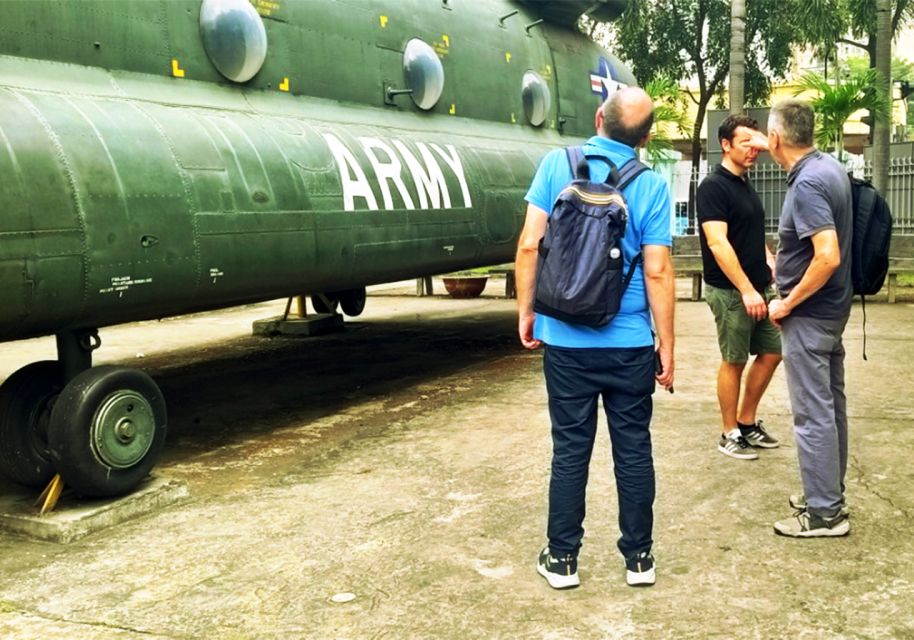
- Touching an ex-US Army tank connected to the Vietnam War era
- Classic Saigon landmarks at the end of the day: Post Office and Notre-Dame Cathedral Church
Cu Chi Tunnels with a small-group guide you can talk to
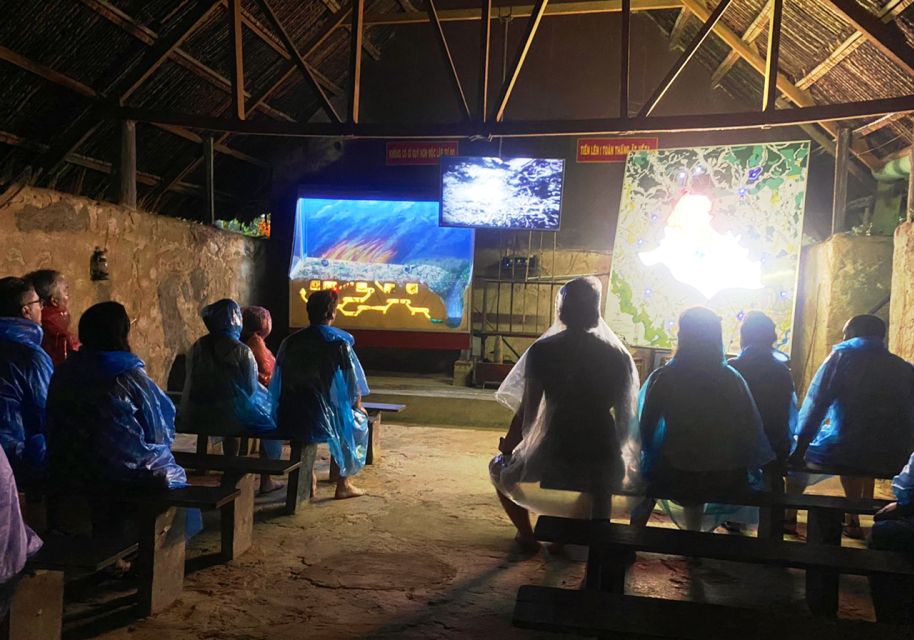
Cu Chi is one of those places where the setting alone can overwhelm people. This tour helps by slowing things down and giving you a clear storyline, from what the Viet Cong needed underground to the traps and tactics that shaped daily life above and below ground.
The experience is built around a small group, with pickup available in District 1 and District 4 (and District 3 as well). Your guide wears a Joy Journeys shirt, and you’re guided in English throughout. I like that setup because it’s not just a “see-and-go” bus trip—there’s time for explanations as you move.
If you’re wondering whether this is a good choice for learning, the guide quality matters a lot here. One review praised Logan as an amazing guide with an exciting day, and another called Nhia superb and said nothing was too much trouble. Even if you don’t get those exact names, you can use that as a cue: pick a day tour that sends you with a live guide, not just a passive audio experience.
You can also read our reviews of more historical tours in Ho Chi Minh City



The underground part: tunnels, traps, secret entry, and the 100-meter crawl
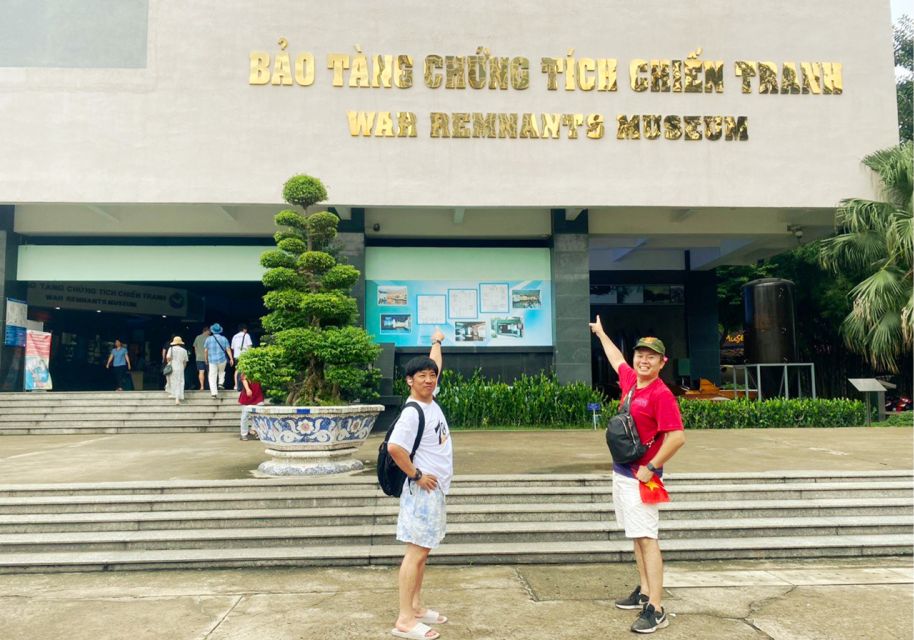
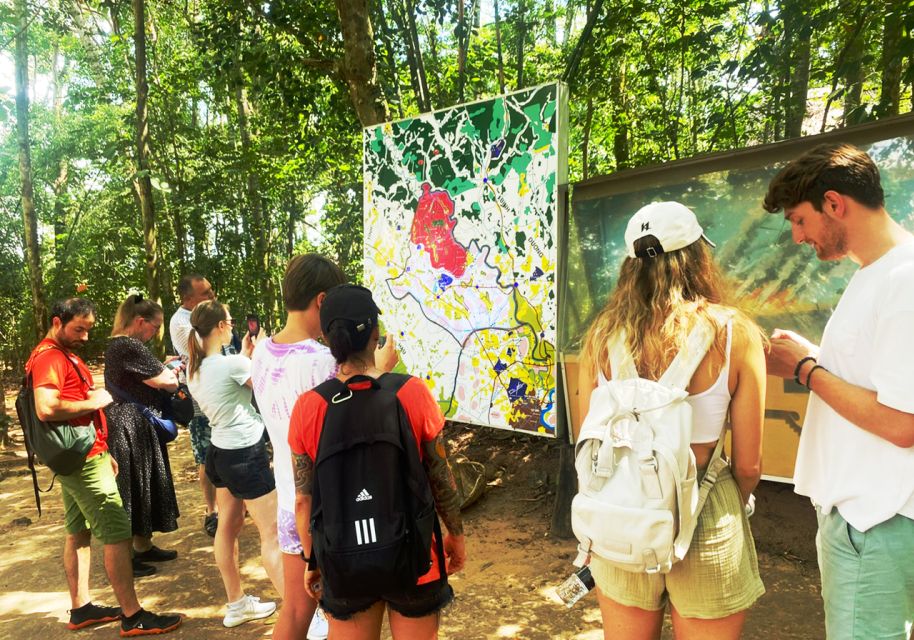
The heart of the day is Cu Chi Tunnels, and you’ll start with orientation before you ever crawl. You’ll visit areas tied to the tunnel system and learn how it worked, including references to booby traps set up in the region. The goal is to help you understand why the tunnels were more than hiding places—they were logistics, protection, and movement.
A couple of stops are designed to put you in the mindset of what people faced. You’ll watch a propaganda documentary and also visit a handcrafted-related stop. That combination can be useful because it frames what you’re about to see with both narrative and physical description, rather than treating the tunnels like a theme park.
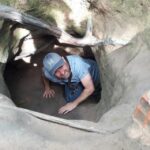
Then comes the part most people remember: you’ll experience a secret entrance and crawl into a 100-meter tunnel section. This isn’t presented as a casual walk. Expect a low, confined, physical experience where you’re moving at a pace set by the guide and safety instructions.
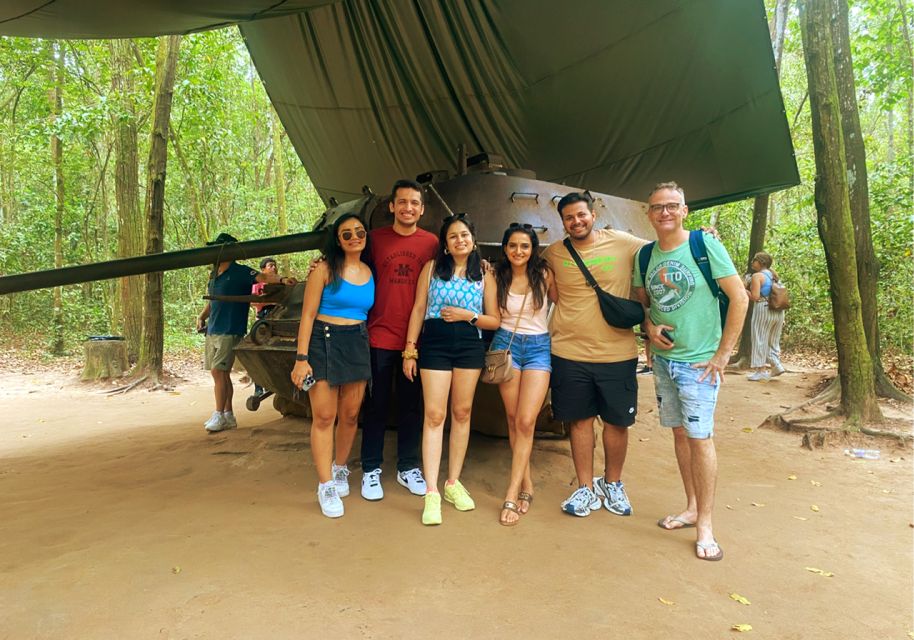
You should also know that there’s more than “just tunnels.” The tour includes a chance to see and touch an ex-US Army tank from the Vietnam War era. Touch is important here—it turns history into something immediate and tangible. You’re not only looking at objects; you’re getting a guided explanation of why that object shows up in the broader story of the war.
Booby traps and “why this mattered” beyond the photos
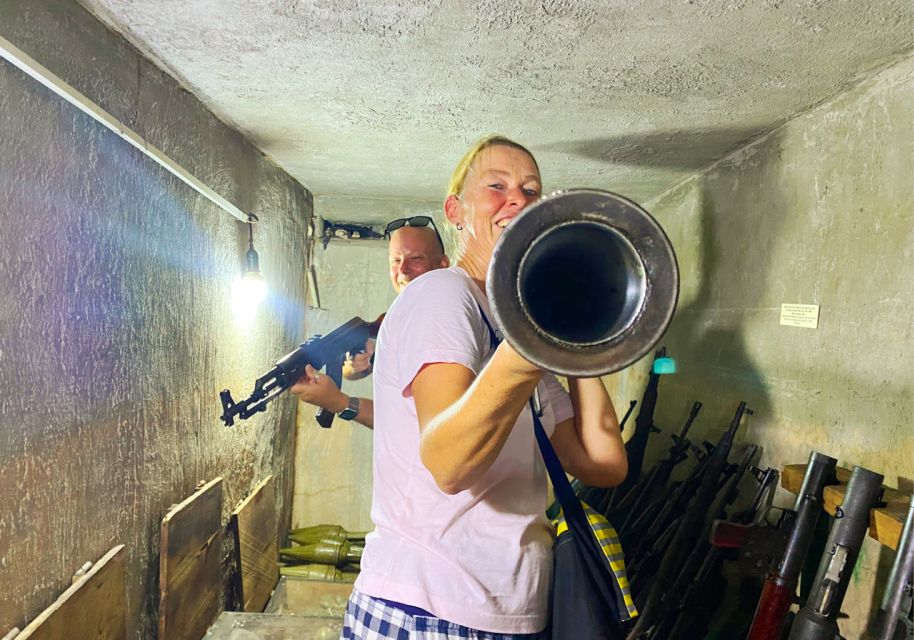
It’s easy to remember Cu Chi as a collection of images: cramped tunnels, danger markers, and dramatic war-era footage. What I appreciate about this tour format is that it connects the visuals to the practical question: why build it that way?
As you learn about the tunnel system, the discussion of booby traps is key. You’re not just told “there were traps.” You’re guided through how the setup worked in the area and what it meant for people trying to move, search, or fight. That changes the feel of the visit. Instead of viewing the tunnels as a museum object, you see them as a lived strategy—one shaped by limited resources, terrain, and the need for secrecy.
This is where a good guide makes the difference. I’d expect your guide to answer the same questions you’re probably thinking: How did they stay hidden? What did they do for movement and storage? How did they defend approaches? With a live English guide and a small group, those questions don’t have to wait for the bus.
War Remnants Museum and the Hidden Weapon Bunker stop
Above ground, the tour shifts to a more reflective approach. You’ll visit the War Remnants Museum, which helps you place Cu Chi into a larger picture of the conflict. Even if you’ve read about Vietnam before, it can be striking to see how the museum frames the war’s impact.
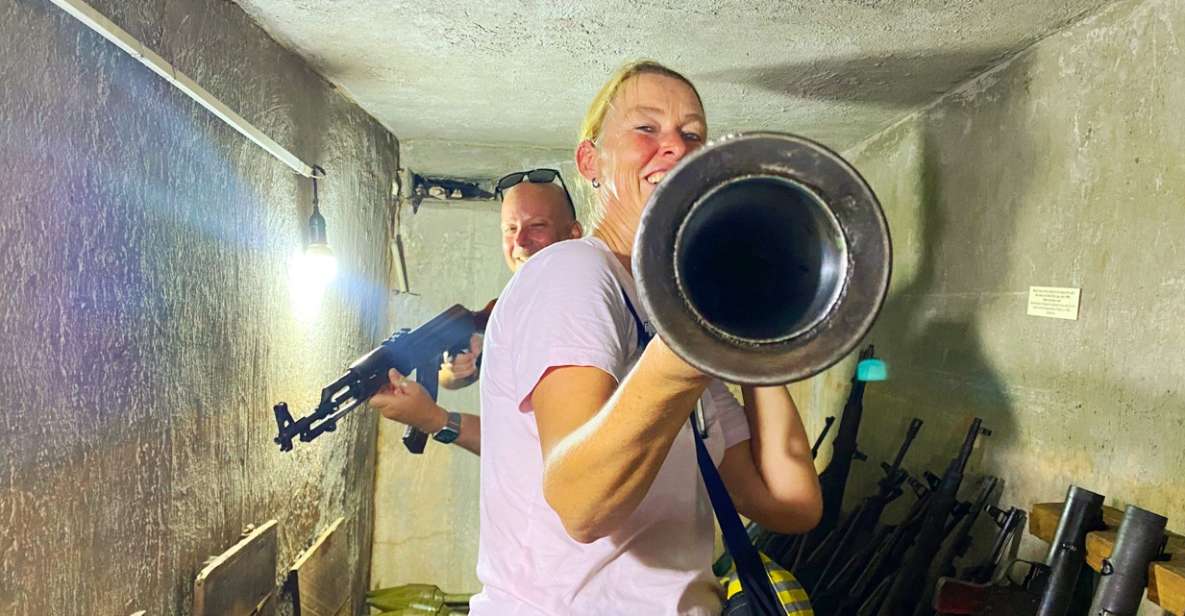
The added stop—the Hidden Weapon Bunker—adds another layer. It gives you a guerrilla-tactics angle tied to underground planning. That matters because tunnels are only part of the story. When you also see bunker-related space, you’re better able to understand how survival, movement, and supply can be engineered into the environment.
If you’re someone who gets restless in “stand-in-line, read-a-plaque” museums, this should feel more active than you expect. You’ll have just done the crawl underground, then you get museum context and another bunker setting. It’s a steady rhythm: experience → explain → experience again.
Lunch and “Viet Cong food” basics: what to expect and how to plan
Lunch comes with the tour and includes pho—either beef or chicken—or vegetarian on request. You’ll have a break time for lunch that’s long enough to eat properly, not just grab a quick bowl and run.
There’s also a smaller food moment near the tunnels. The tour includes the chance to taste locally grown Viet Cong food, including tapioca. I like that detail because it’s specific and local, not just generic “snacks.” It also helps you remember that underground life wasn’t only about danger; it was about feeding people with what was available.
Practical tip: if you’re sensitive to spicy or strong flavors, you may want to tell your guide what you prefer during ordering. You’re not choosing a restaurant menu, but your day includes options (pho types and vegetarian), so it’s worth asking.
You can also read our reviews of more museum experiences in Ho Chi Minh City






Post Office and Notre-Dame Cathedral Church: a calm finish to a heavy day
Most Cu Chi trips end after the underground and museum stops. This one adds time back in central Saigon with landmarks like the Saigon Post Office and Notre-Dame Cathedral Church.
I genuinely appreciate this pacing. After hours of war context and confined crawling, it’s helpful to see the city’s more familiar face. These are easy stops that help you reset your brain and give you something to photograph that doesn’t look like another “war exhibit.”
It also helps you transition back to normal life quickly, especially if you still need to make dinner plans in the city afterward.
Price and value: is $54 reasonable for 8.5–9 hours?
At $54 per person, you’re paying for a full-day format: air-conditioned vehicle, a guided English experience, lunch, snacks, and water. You’re also getting a mix of sites that require on-the-ground time—Cu Chi, the War Remnants Museum, and central Saigon stops.
For me, value comes from two places here. First, you get a live guide for the main learning portion, and second, the tour isn’t just a drive-by of tunnels. You’re actually crawling into a tunnel section and getting additional war-related context with the museum and bunker stop.
A small-group cap (max 10) is another big part of the value. When the group is larger, guides often rush explanations. Here, the structure suggests you’ll keep moving, but still have time to ask questions.
If you’re comparing options, I’d focus on whether your day includes: an English guide, the tunnel crawl experience, the museum, and lunch. If those pieces are all there, $54 feels like fair pricing for a full, guided day.
Timing, pickup, and how to avoid losing your day
The day runs about 8.5 to 9 hours, and you’ll want to check starting times when you book. Pickup takes about 30 minutes, and your tour team confirms pickup time via WhatsApp the day before.
Pickup is available in District 1, District 4, and District 3. If you’re not in the pickup zone, the meeting point is at or near Notre-Dame Cathedral Church. This matters because in Saigon, traffic can be unpredictable—being clear on where you meet prevents you from arriving late or hunting for the van.
The travel time includes a roughly 2-hour van segment to and from the Cu Chi area, and then your time on site for walking and guided exploration. Plan to keep your morning simple and avoid rushing between appointments.
What to wear and bring for the tunnel crawl
This is the one part where your comfort really affects your enjoyment. The tunnel experience involves crawling into a low space, so wear clothes you can move in without snagging. Closed-toe shoes are the smart call, since you’ll be stepping on uneven ground and moving through areas that aren’t meant for flip-flops.
If you’re traveling with a camera, keep it compact. You don’t want to be worrying about gear while you’re trying to follow the guide. Bring a small bag only if you can keep it secure.
If you’re tall, consider the practical reality: one participant noted that climbing into the bunkers was difficult for a 6’5 person, though they said they had no issues in the tour overall. That’s a good heads-up. You don’t have to assume it’s impossible, but you should be mentally ready for awkward angles and tight entry points.
Who this tour suits best
This is best for you if you want real context, not just sightseeing. I’d recommend it for people who like guided history, enjoy small groups, and want at least one hands-on component—especially the 100-meter crawl.
It also suits you if you’re interested in how geography shapes strategy. The tunnel system and bunker stop connect the “how” to the “why,” instead of leaving you with just dramatic anecdotes.
It may be less ideal if you can’t handle crawling or confined spaces, or if you know you’ll feel panicked in tight environments.
Should you book this Cu Chi Tunnels and War Remnants day?
Yes, you should book if you want a structured, English-guided day that pairs underground experience with museum context and ends with central Saigon landmarks. The small group size, live guide, lunch included, and the actual tunnel crawl make it feel like more than a checkbox tour.
Hold off if crawling in tight spaces would stress you out. In that case, you might prefer a different format that stays above ground. Otherwise, this is one of the more complete ways to understand Cu Chi in a single day, without rushing through the story.
FAQ
How long is the Cu Chi Tunnels with War Museum day tour?
It runs about 8.5 to 9 hours, depending on the starting time.
What is the group size?
It’s a small group, with a maximum of 10 guests.
Is the tour guide English-speaking?
Yes, the tour includes a live English guide.
Where are pickup and drop-off available?
Pickup and drop-off are available in District 1 and District 4. District 3 pickup is also listed as an option. If you’re not in the pickup zone, you might see the group at Notre-Dame Cathedral Church.
Where does the lunch stop happen?
You’ll have lunch in Ho Chi Minh City as part of the day’s schedule, with a break time included.
What food is included with the tour?
Lunch is included (pho with beef or chicken, or vegetarian on request), plus snacks and two bottles of water per guest. Tapioca tasting is also included near the tunnels.
Is the ex-US Army tank included?
Yes. The tour includes experiencing an ex-US Army tank from the Vietnam War by touching it.
What does the Cu Chi tunnel experience include?
You’ll get a guided visit and walk around, then experience a secret entrance and crawl into a 100-meter tunnel section.
Is the War Remnants Museum included?
Yes, the itinerary includes the War Remnants Museum, along with a Hidden Weapon Bunker stop.
What’s included in the price, and what’s not?
Included are air-conditioned transport, lunch, snacks, bottled water, and all fees and taxes. Not included are anything not mentioned in the package.
FAQ
Can I cancel for a refund?
Free cancellation is available up to 24 hours in advance for a full refund.
Do I pay now or later?
There’s a reserve now and pay later option, so you can book and pay nothing today.
Does the tour skip ticket lines?
Yes, it includes skip-the-ticket-line access.