REVIEW · HO CHI MINH CITY
HCMC: English or German War History Tour: Tunnels & Museums
Book on GetYourGuide →Operated by TripGuru Vietnam · Bookable on GetYourGuide
A day of history, under the city’s skin. This tour’s standouts for me are the Cu Chi Tunnels stop (with a war veteran talk) and the War Remnants Museum afterward, where the exhibits connect the dots between the First Indochina War and the Vietnam War. The main drawback to plan around is that the day packs a lot in, so if you want slow pacing or lots of downtime, this may feel like a sprint.
Pickup and transport are handled for you in an air-conditioned vehicle, and it runs as a small group (up to 9). Just be honest with yourself about comfort: the itinerary includes walking and a visit inside tunnel areas, so it’s not a great fit if you have mobility, heart, or respiratory limitations.
In This Review
- Key things I’d underline before you go
- The value of squeezing Cu Chi Tunnels + 4 landmark stops into one day
- Pickup inside District 1 (and limited District 3) so you don’t lose the day
- Cu Chi Tunnels: where the Tet Offensive stories feel real
- What you’ll do there
- One practical consideration
- War Remnants Museum: artifacts, exhibits, and the story you came to understand
- Why this stop is worth your energy
- Independence Palace: the political center behind the architecture
- What to focus on
- Notre-Dame Cathedral: French colonial style as a contrast point
- Central Post Office: French-influenced ceilings and real local shopping
- The day’s pace: how to avoid ending it with museum fatigue
- Who this tour fits best (and who should skip it)
- Price reality check: what $115 gets you here
- Should you book this HCMC war history tour?
- FAQ
- How long is the tour?
- What stops are included during the day?
- Is hotel pickup included?
- Is the rifle firing included?
- Are meals included?
- What should I bring?
Key things I’d underline before you go
- Cu Chi Tunnels with a veteran interaction: you’re not just watching history; you hear it in plain, human terms.
- War Remnants Museum exhibits: built around war artifacts tied to both the First Indochina War and the Vietnam War.
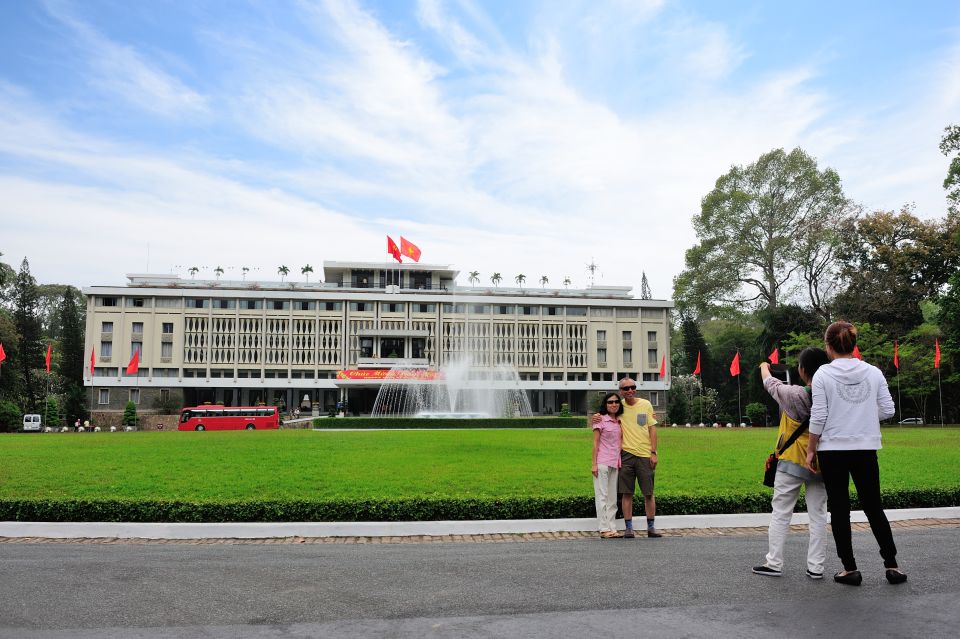
- Independence Palace plus French-colonial landmarks: you’ll see the city’s political story next to its French-era architecture.
- Notre-Dame Cathedral and Central Post Office in the same loop: one side trip that’s efficient and easy to enjoy.
- Resting Hut use included: a small comfort that matters in Ho Chi Minh heat.
- Optional rifle firing: you can add it later, but it costs extra.
The value of squeezing Cu Chi Tunnels + 4 landmark stops into one day
At $115 per person, this isn’t a budget “see-it-all” bargain. It’s priced like a focused day with guided interpretation and transportation—and it includes several things that usually cost extra when you DIY it: hotel pickup/drop-off, an air-conditioned vehicle, a professional English-speaking guide, and war veteran interaction. You also get drinking water, plus entrance fees are included for some private/small-group options (while another tour option lists a separate entrance-fee amount).
For me, the value comes from the structure. Ho Chi Minh City is big, traffic can be unpredictable, and most people are time-limited. This itinerary gives you a complete arc: underground warfare (Cu Chi Tunnels), public memory and artifacts (War Remnants Museum), then the political and architectural landmarks that frame the aftermath (Independence Palace, Notre Dame Cathedral, and the Central Post Office).
You can also read our reviews of more historical tours in Ho Chi Minh City


Pickup inside District 1 (and limited District 3) so you don’t lose the day
The tour starts with pickup from several districts, but it’s not completely open-ended. Your pickup options include District 5, District 4, District 3, and District 1. The details matter because pickup is listed as only available for hotels in District 1 with specific exceptions, and District 3 pickup works only in Vo Thi Sau Ward and 6th Ward.
What that means for you: if you’re staying outside those zones, you’ll want to confirm your exact pickup point early. When pickup works, it saves real time and keeps your day from turning into a half-day search for a meeting location.
Once you’re in, you’re transported in an air-conditioned vehicle. In Ho Chi Minh heat, that’s not a luxury—it’s the difference between enjoying the museums and feeling wiped out before the afternoon.
Cu Chi Tunnels: where the Tet Offensive stories feel real
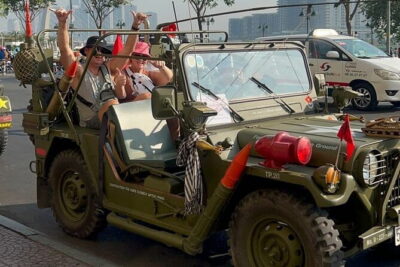
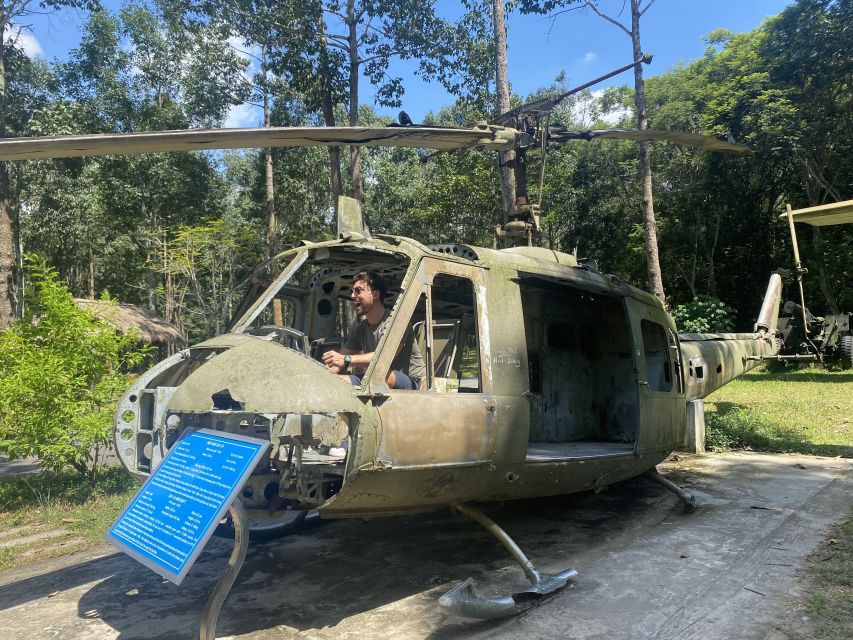
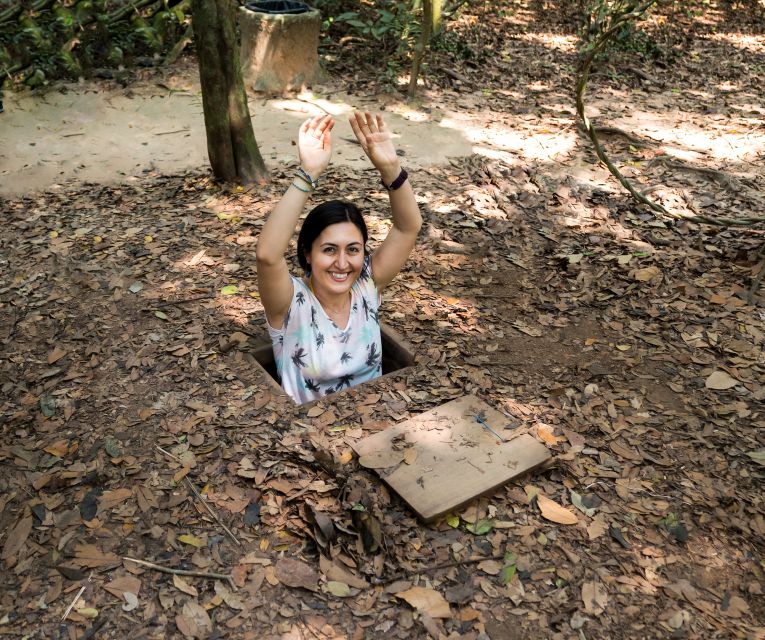
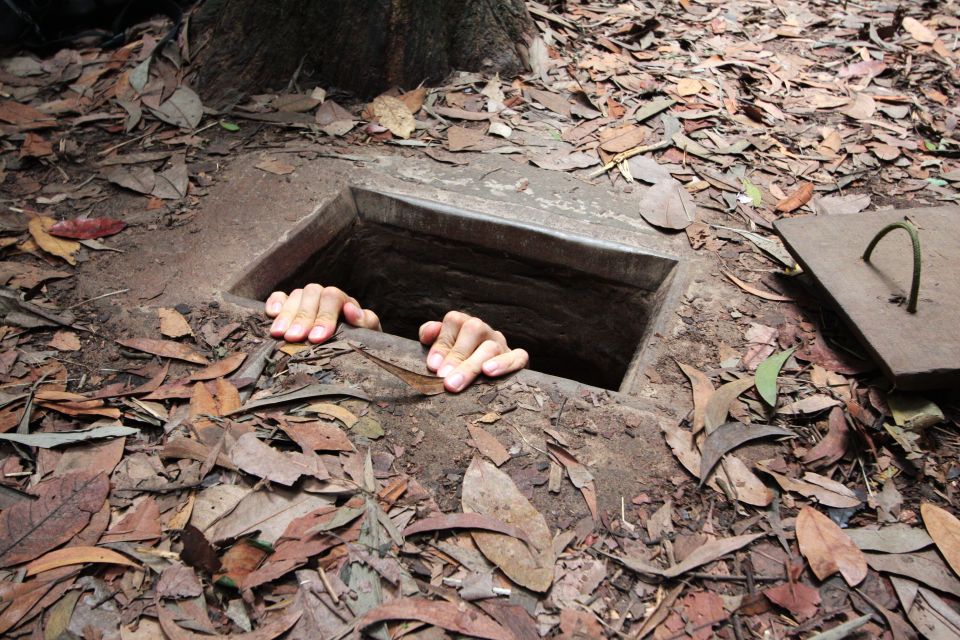
The day’s first major site is Cu Chi Tunnels, an underground passage network used during the Vietnam War and the Tet Offensive. The big reason this stop lands well is that you don’t just get a facts-only tour. You also meet a war veteran and hear real wartime stories.
That veteran interaction is the piece I’d protect on this itinerary. Many tours can show you tunnels; fewer can frame what you’re seeing with lived experience. It also helps you interpret the tunnels as something more than a tourist attraction. You start thinking about stealth, survival, logistics, and how war reshaped daily life.
What you’ll do there
Expect a guided visit of about an hour. You’ll learn how people used the tunnels for guerrilla warfare, and you’ll likely get time to view tunnel areas and related exhibits.
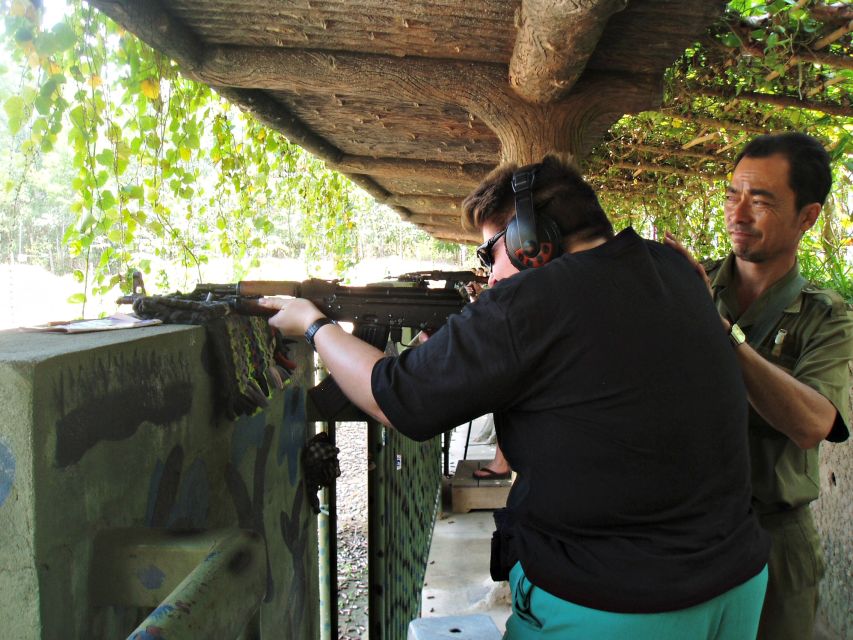
There’s also an optional rifle firing component with an extra fee. If that’s not your thing, you can skip it. If it is, treat it as a separate decision rather than the core experience.
One practical consideration
Tunnel visits can be uncomfortable, tight, and physically demanding. Even if you’re not going deep underground, you should plan for enclosed spaces and uneven conditions. Bring comfy shoes and be ready for a heavier-than-average walking day.
You can also read our reviews of more museum experiences in Ho Chi Minh City





War Remnants Museum: artifacts, exhibits, and the story you came to understand
After Cu Chi, you head back into the city for a local lunch stop, then it’s off to the War Remnants Museum for a guided visit around 75 minutes.
This museum is often the point where the day stops being just a tour and starts becoming a timeline. The exhibits cover paraphernalia and themes related to both the First Indochina War and the Vietnam War. The walkthrough matters because the guide helps you connect what you saw at Cu Chi—underground warfare, survival tactics, and resistance—to how the conflict is presented and remembered in public space.
Why this stop is worth your energy
Museums can either feel overwhelming or helpful. This one tends to work best because it’s focused on war-related artifacts and the framing is guided. If you like history, this is where the earlier stops make sense.
If you don’t like heavy content, you can still get value by treating it as context. Seeing how a country documents and processes conflict can be as important as seeing the sites themselves.
Independence Palace: the political center behind the architecture
Next up is Independence Palace (a.k.a. the presidential palace and offices of Vietnam’s presidents). You get about 75 minutes for a guided visit and sightseeing.
This is one of those stops that works even if you’re tired, because the building does part of the talking. The grand halls and preserved spaces help you picture the kind of decisions that were made there and how power looked in physical form.
What to focus on
When you’re inside, pay attention to layout and how spaces connect. The guide can help you understand why certain rooms and features mattered. If you’re the type who likes “where was the action,” this is your chance to map the political story onto a real structure, not just a chapter in a book.
Notre-Dame Cathedral: French colonial style as a contrast point
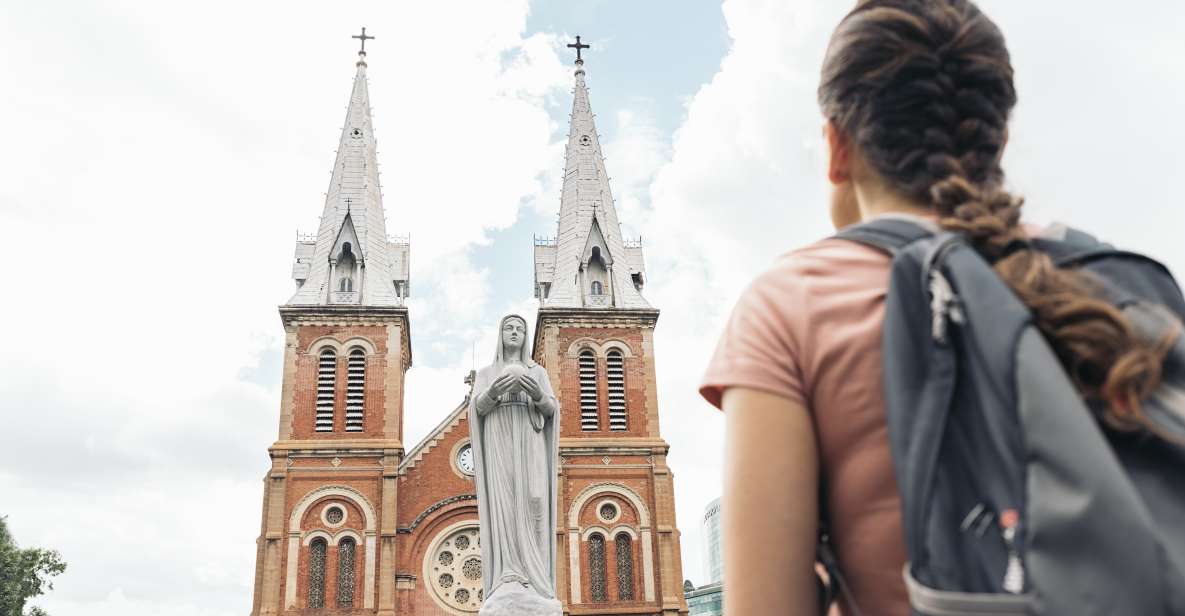
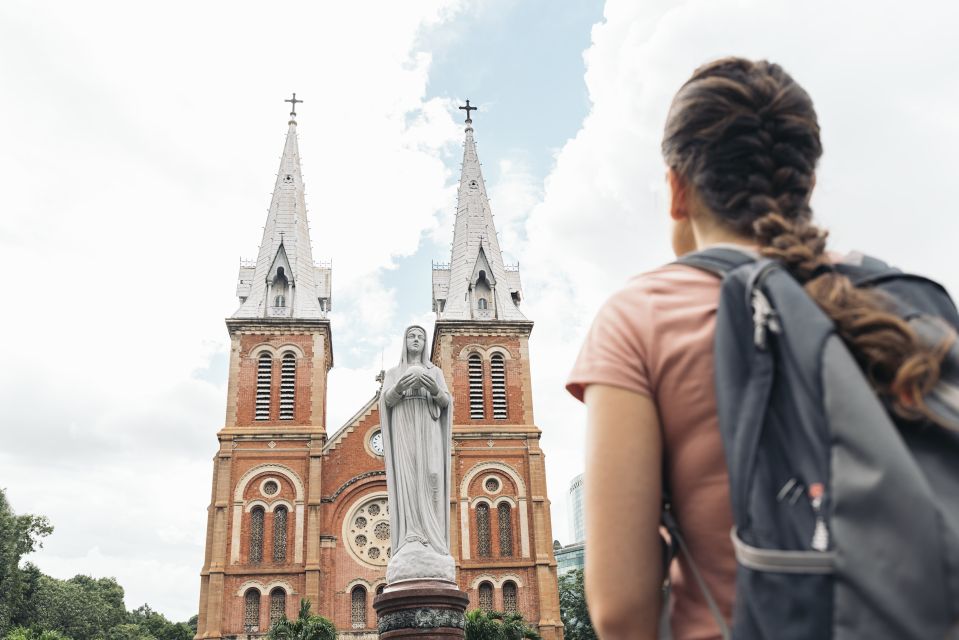
After Independence Palace, you’ll visit Saigon Notre-Dame Cathedral for around 30 minutes. This is a 19th-century cathedral built by French colonists.
I like using this as a contrast stop. After the underground tunnels and war museum, the cathedral’s architecture pulls you back into the idea that cities grow layers over time. It’s not a replacement for the historical stops, but it’s a helpful tonal shift.
You’ll also have a short sightseeing window, which makes it ideal if you don’t want a long church visit but still want to see one of Ho Chi Minh City’s best-known landmarks.
Central Post Office: French-influenced ceilings and real local shopping
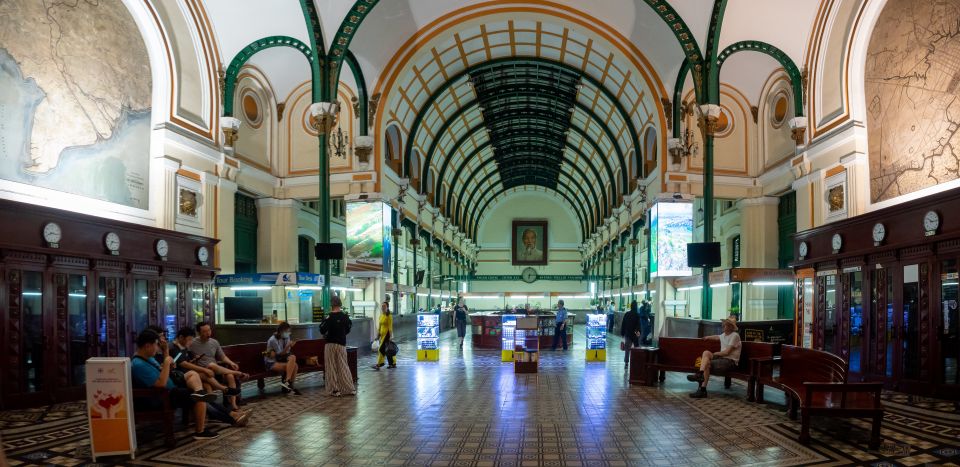
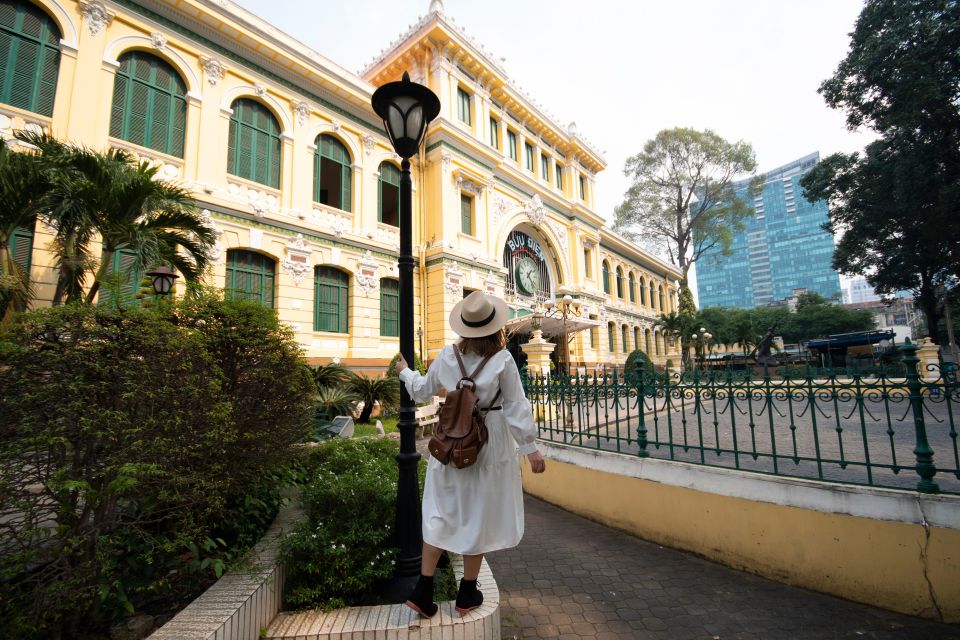
Your final stop is the Saigon Central Post Office, located just across from the cathedral. You’ll spend about 30 minutes there with a guided visit and time to browse.
This building is also French-influenced, with striking structure and sweeping ceilings. The best part for me isn’t only the architecture—it’s the chance to shop and look at local vendors in a place that many visitors rush through.
If you like practical souvenirs (postcards, stationery, small gifts), this is a good place to slow down for a moment. Bring cash so you’re not stuck at the counter.
The day’s pace: how to avoid ending it with museum fatigue
This tour is built for one-day coverage, which is great when you have limited time—but it can feel like a lot. Here’s how I’d make it work:
Wear comfortable shoes from the start. You’ll do museum walking and outdoor-to-indoor transitions, plus you’re in a tunnel environment at Cu Chi. Bring sunscreen and insect repellent, and don’t skip sunglasses. An umbrella is smart too, since Ho Chi Minh weather can shift.
Also, plan your lunch expectation. Meals aren’t included, but the schedule does include a local lunch stop. Budget accordingly, and consider eating a bit before you arrive starving—your focus will stay better at the museum.
Who this tour fits best (and who should skip it)
This is a strong fit if you:
- Want a single-day war history overview without juggling tickets and transport
- Like guided context, not just photos
- Appreciate a personal element, especially the war veteran interaction
- Enjoy seeing how history connects to major city landmarks
It’s not suitable for:
- Children under 7
- Pregnant women
- People with mobility impairments
- People with heart problems or respiratory issues
If any of those apply, it’s worth looking for a less physically demanding option. Cu Chi tunnels and the overall walking load are the likely stress points.
Price reality check: what $115 gets you here
You’ll usually see two different entrance-fee setups depending on the specific tour option. Some options list entrance fees as included, while another standard small-group option lists entrance fees around VND 225K per person. Since details vary by option, check before you go so the final cost feels predictable.
With that said, the $115 price makes more sense when you factor in what’s included:
- Hotel pickup and drop-off
- Air-conditioned transportation
- Professional English-speaking guide
- War veteran interaction
- Exclusive use of a resting hut
- Drinking water
- Local taxes and fees and fuel charges
What’s not included:
- Meals
- Rifle firing fee (optional)
- Entrance fees for some tour options
- Personal expenses
My take: if you’re short on time, and you want a guided day with major stops grouped efficiently, this is a fair deal. If you have lots of time and like independent travel, you can DIY some landmarks, but you’d be giving up the guided storytelling and the veteran interaction—two things that are hard to replicate on your own.
Should you book this HCMC war history tour?
If you want one day that connects Cu Chi Tunnels, the War Remnants Museum, and major landmark stops like Independence Palace, Notre-Dame Cathedral, and the Central Post Office, this tour is a practical way to do it. The standout is the human element from the war veteran story, paired with guided museum interpretation that helps you understand what you’re seeing.
Book it if your priorities are strong historical context, tight logistics, and a small group feel (up to 9). Skip or reconsider if you can’t manage tight spaces or a physically active schedule, or if you need long breaks between stops. One-day history is powerful, but it demands a bit from your body and attention span.
If you decide to go, go prepared: comfortable shoes, sunscreen, insect repellent, and cash for small purchases at the post office.
FAQ
How long is the tour?
The tour runs for about 9 hours.
What stops are included during the day?
You’ll visit Cu Chi Tunnels, the War Remnants Museum, Independence Palace, Saigon Notre-Dame Cathedral, and the Saigon Central Post Office.
Is hotel pickup included?
Yes. Pickup and drop-off are included, with pickup options listed for District 1 (with stated exceptions), District 3 (only in specific wards), and also District 4 and District 5 pickup options.
Is the rifle firing included?
No. Rifle firing is optional and has an extra fee.
Are meals included?
Meals are not included, though the schedule includes a local lunch stop during the day.
What should I bring?
Bring comfortable shoes, sunglasses, an umbrella, a camera, sunscreen, insect repellent, and cash.