REVIEW · HO CHI MINH CITY
Saigon City Sights & War Remnant Museum on Scooter
Book on Viator →Operated by Vietnam Exploring Tour · Bookable on Viator
Saigon history hits different when you’re moving through it. This scooter tour strings together pagodas, the War Remnants Museum, and everyday neighborhood streets so the city feels like a lived place, not a checklist. You’ll glide past landmarks tied to faith, protest, and daily life, with a guide who keeps the story grounded in what Saigon is really like.
I especially like two things. First, the guides drive with confidence and explain in clear, practical English—people mention names like Vy, Kieran, and Lian, and they also stress how safe the ride feels even if it’s your first time on a scooter. Second, the food and the sites are linked: you get an included meal and end with a bowl of bún bò Huế, so you’re tasting Saigon while you’re learning Saigon.
One consideration: you’re on a scooter for about 4 hours, and the tour runs best in good weather. If you get uncomfortable riding in traffic or you’re sensitive to rain, plan to take that seriously—helmets and rain gear are provided, but you still need to be game for the road.
In This Review
- Key highlights to look for
- Scooter time: why this tour feels more real than buses
- Entering Saigon’s wartime memory: War Remnants Museum and the resistance story
- Pagodas and protest: Jade Emperor Pagoda and the Thích Quảng Đức memorial
- District streets that teach you how Saigon lives: Nguyễn Thiện Thuật and flower market time
- Chợ Lớn and Chinatown walk-through: temples, clan culture, and market energy
- Ten Thousand Buddhas and the quieter spiritual pause
- The included food stop: how bún bò Huế fits the day
- Value for money: $22 buys more than a ride
- Who should book this scooter tour (and who might not)
- Should you book it?
- FAQ
- How long is the scooter tour?
- What is the price per person?
- Does the tour include hotel pickup and drop-off?
- Is a scooter and guide included?
- Do I get a helmet and raincoat?
- Is the War Remnants Museum admission included?
- What food is included?
- Can the tour accommodate vegetarians?
- Do I need to book far in advance?
- Is free cancellation available?
Key highlights to look for
- First-time scooter friendly: helmets and raincoat included, and guides are praised for safe driving
- War Remnants Museum with context: stories connect what you see to the wider resistance and war consequences
- Spiritual sites with meaning: the Jade Emperor Pagoda and the Thích Quảng Đức memorial are treated as more than photo stops
- Real street Saigon: apartment blocks on Nguyễn Thiện Thuật, plus flower and market areas in different districts
- English-speaking guidance: you’re not left guessing what things mean
- Food included, not tacked on: an included meal with a strong Saigon finish
Scooter time: why this tour feels more real than buses
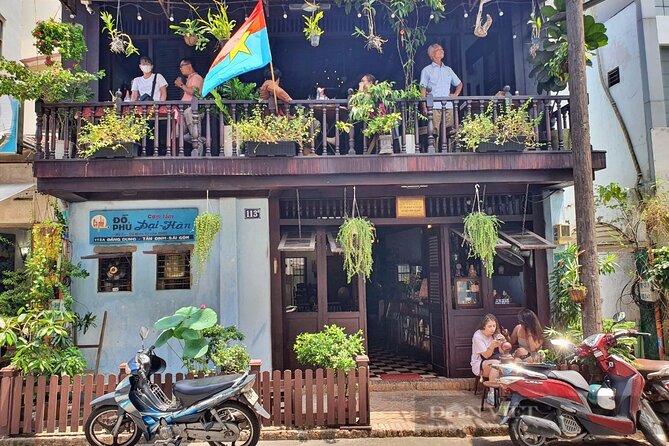
In Ho Chi Minh City, a bus tour often leaves you staring at life from the curb. Here, you ride in the flow. That changes how you notice the city. You see the edges of neighborhoods—where families live, where people buy flowers, and where religious life shows up in small, everyday ways.
The practical stuff matters too. You get a helmet and a raincoat, plus hotel pickup and drop-off, which removes the biggest hassle. The tour also uses a small-group feel (it’s private for your group), so you’re not stuck waiting while a big bus loads and unloads.
If you’re nervous about riding—totally normal—this is the part where you should relax your shoulders a bit. Several guide experiences shared names like Vy, and the feedback emphasizes careful driving and clear communication. That doesn’t erase the fact that you’re in traffic, but it does mean you’re not just being tossed on a scooter and sent off.
You can also read our reviews of more city tours in Ho Chi Minh City



Entering Saigon’s wartime memory: War Remnants Museum and the resistance story
The War Remnants Museum is the emotional center of this tour. You’re not just walking through rooms—you’re being guided through what the museum focuses on: evidence of crimes and consequences of the war of aggression against Vietnam. That framing is important because it sets your eyes on details that you might otherwise skim past.
Plan for your museum time to be thoughtful, not quick. Even with a short visit, the point is to understand why the museum is there and what it’s trying to document. The guide’s storytelling helps you connect the exhibits to the broader story of Vietnam’s modern history.
This tour also includes time at a stop tied to the city’s resistance story, where you can see underground tunnels and exhibit material about the bravery and sacrifice of people who fought for independence. That’s a different kind of learning than reading a textbook. Instead of abstract dates, you’re looking at physical spaces and visual explanations—things you can stand near and try to imagine.
Pagodas and protest: Jade Emperor Pagoda and the Thích Quảng Đức memorial
Saigon can look like a party from afar. Up close, faith and protest run side by side. Two stops make that crystal clear.
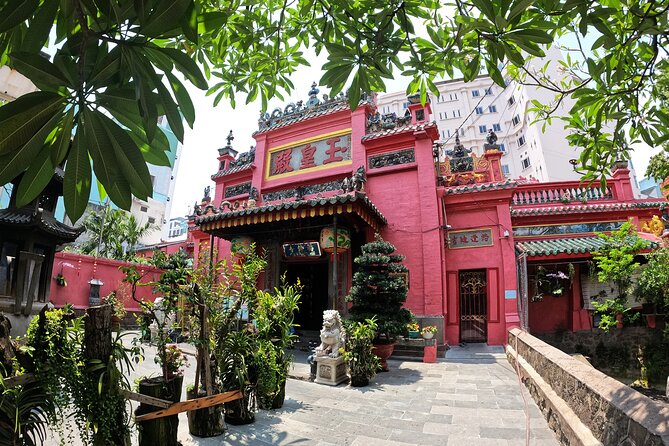
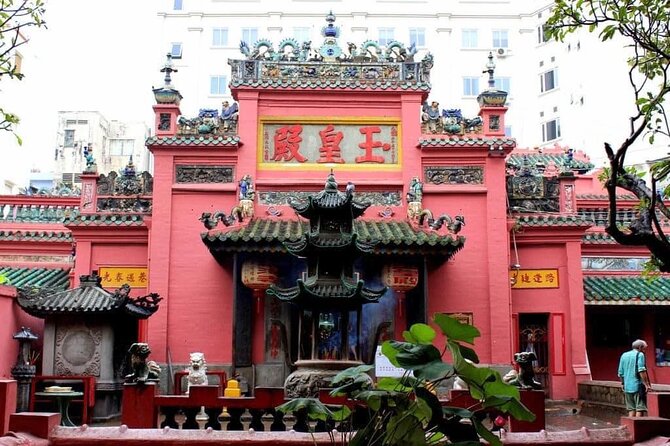
At the Jade Emperor Pagoda (Chùa Ngọc Hoàng), the mood is spiritual and symbolic. It’s one of the city’s most revered pagodas, and you’re given time to take it in properly rather than sprinting for the next photo. If you’ve visited pagodas before, you’ll recognize the feeling: people come seeking meaning, not just architecture.
Then you move to the Thích Quảng Đức Monument, connected to Thích Quảng Đức, a Buddhist monk known for his self-immolation in protest against religious persecution. This isn’t a “history trivia” stop. It’s presented as a powerful memorial tied to suffering, resistance, and faith under pressure.
For me, the value here is how the tour links these moments. A pagoda isn’t shown as a pretty setting. It’s shown as part of a real belief system that shaped people’s lives—and, in Quảng Đức’s case, helped shape a turning point.
District streets that teach you how Saigon lives: Nguyễn Thiện Thuật and flower market time
One reason I like scooter tours in Saigon is simple: they let you see streets that guidebooks often treat like background. Here, the route includes neighborhood texture, not only landmarks.
On Nguyễn Thiện Thuật, you get a look at the apartment buildings that line a busy street in District 3. This is where the city feels like a place people work, eat, and go about their day—not a stage set. Even if you don’t understand every word on a sign, you can read the rhythm: scooters flowing, shops opening, daily movement doing its thing.
Then the tour shifts to the Hồ Thị Kỷ Flower Market (Cho Hoa Ho Thi Ky) in District 10. Markets like this are where Saigon’s seasonal needs show up in color and motion. You’re not just seeing flowers—you’re seeing the supply chain behind the city’s celebrations and offerings. The time here is long enough to watch activity without feeling rushed.
A good practical tip: bring your camera, but also take a moment to look with your eyes first. Flower markets are visual overload. If you try to photograph everything, you’ll miss the little patterns that make it feel real.
Chợ Lớn and Chinatown walk-through: temples, clan culture, and market energy
Saigon’s Chinatown—Chợ Lớn—comes into the story through a couple of stops. You’ll spend time in Quận 5’s Chinatown area (Phố Tàu Saigon), then later you’ll get time around Chợ Lớn’s wider market neighborhood.
Why it matters: Chợ Lớn isn’t just Chinese restaurants. It’s a long mix of Chinese, Vietnamese, and other communities, with religious and cultural traditions reflected in temples, pagodas, and clan houses. The tour’s approach helps you notice how that cultural blend shapes the architecture and street life.
If you enjoy travel that makes you feel the city’s identity shift block by block, this section delivers. One minute you’re thinking about religious memorials. The next minute you’re watching everyday neighborhood commerce in a different cultural lane.
You can also read our reviews of more museum experiences in Ho Chi Minh City






Ten Thousand Buddhas and the quieter spiritual pause
Not every stop is heavy. The tour includes a visit to Chùa Vạn Phát – Temple of Ten Thousand Buddhas. Even in a dense city, places like this tend to slow your pace. You get a chance to step back from the motion outside and take in a more meditative atmosphere.
I like keeping a temple stop in the middle of a day like this. It helps your brain reset. After absorbing wartime memory and memorial context, the calmer spiritual break makes the whole experience feel more balanced.
The included food stop: how bún bò Huế fits the day
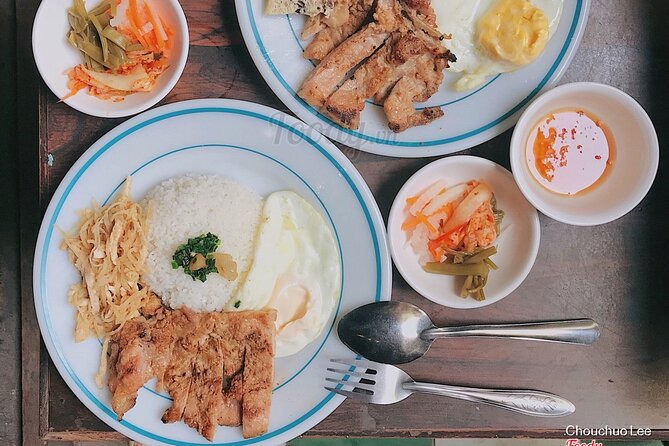
Food on a tour can be a checkbox. Here it’s treated like part of the learning. The tour includes a meal and drink, and the day ends with a bowl of bún bò Huế.
That matters because bún bò Huế isn’t just comfort food. It’s a chance to taste what people eat as part of normal Saigon life—after temples, after museums, after neighborhood streets. It’s a payoff that shifts you from observer to participant.
Also, this is one of the spots where the tour seems to handle real-life dietary needs. One of the experiences highlighted that the tour worked well even for a vegetarian traveler. That’s not guaranteed for every situation, but it’s a strong sign that the guide team can adapt when you tell them what you need.
Practical note: if you have allergies, the booking info explicitly asks you to share them. Do that early. It’s the easiest way to avoid stress later.
Value for money: $22 buys more than a ride
At $22 per person, the value is surprisingly strong when you list what’s included. You get:
- Scooter + English-speaking guide
- Helmet and raincoat
- Hotel pickup and drop-off
- One meal + drink
- War Remnants Museum admission included
- Multiple stops where admission is listed as free
Even if you ignore the museum for a moment, a guided scooter experience with pickup, safety gear, and food typically costs more elsewhere. Here, the structure keeps the price tied to actual access—getting you into the right places and making the time meaningful.
The key is the ratio: you’re not paying extra to hop between far-flung locations with a lot of dead time. This is designed as short stops with story, then food, then more city texture.
Who should book this scooter tour (and who might not)
This works best if you like these things:
- You want Saigon’s story with movement, not sitting on a bus.
- You want real cultural variety: pagodas, memorials, market areas, and street food.
- You’re okay riding a scooter for about 4 hours.
It may not be ideal if:
- You can’t handle scooters in traffic, even with safety gear.
- You’re not comfortable with outdoor walking in changing weather. The tour requires good weather, and that’s a real factor in Ho Chi Minh City.
If you’re a first-time visitor who’s only got a short window, this is a smart way to see more of the city’s layers without feeling like you’re sprinting through landmarks.
Should you book it?
I think you should book this tour if you want Saigon with context. The combination of War Remnants Museum, the Jade Emperor Pagoda, the Thích Quảng Đức memorial, and neighborhood stops gives you a fuller picture than a standard highlights circuit. Add the scooter format and the included meal, and it becomes a day that feels both practical and meaningful.
I’d skip it or choose a different option if you’re unsure about scooter comfort or you’re traveling during questionable weather. If you’re game for the road and you want to understand what shaped modern Saigon, this one is worth your time.
FAQ
How long is the scooter tour?
It runs about 4 hours (approx.).
What is the price per person?
The price is $22.00 per person.
Does the tour include hotel pickup and drop-off?
Yes. Hotel pickup & drop-off are included.
Is a scooter and guide included?
Yes. You get a scooter and an English-speaking tour guide.
Do I get a helmet and raincoat?
Yes. Helmet and raincoat are included.
Is the War Remnants Museum admission included?
Yes. Admission to the War Remnants Museum is included.
What food is included?
The tour includes one meal and a drink. The tour description also notes a final bowl of bún bò Huế.
Can the tour accommodate vegetarians?
There is at least one experience noting the tour worked well even for a vegetarian traveler. Tell your guide about dietary needs so they can plan accordingly.
Do I need to book far in advance?
On average, it’s booked about 56 days in advance.
Is free cancellation available?
Yes. You can cancel for a full refund up to 24 hours before the experience start time.