REVIEW · HO CHI MINH CITY
Cuchi Tunnel Tour
Book on GetYourGuide →Operated by Ace Travels Viet Nam · Bookable on GetYourGuide
You can feel the war’s pressure underground. The Cu Chi Tunnel Tour shows how the Viet Cong survived, moved, and fought in a 250km network in Vietnam’s Cu Chi district.
What I like most is the professional, friendly guiding style, and the way the day mixes underground history with hands-on workshops instead of just staring at displays. One thing to think about: the optional shooting range is an extra cost and can get loud right next to the snack area.
When the guide is Harry (I kept seeing his name pop up), you get clear explanations that connect the tunnel system to real tactics like hiding and ambushing. Another strong win is the included food experiences: tapioca root tasting plus a rice paper workshop, and even a visit to a lacquer ware art studio.
The main drawback is not the tunnel part itself, it’s logistics on the day: some groups can start a bit later than listed, and if the guide is hard to spot, you can miss sections.
In This Review
- Key things to know before you go
- Cu Chi Tunnels: What 250km Below You Really Means
- Meeting Your English Guide and Handling the Half-Day Schedule
- Museum-Style Briefing: Maps, Models, and Trap Details
- Go Underground: Kitchen, Health Care, and Fighting Bunkers
- Food and Craft Stops That Make the Day Feel Human
- Tapioca root tasting
- Rice paper workshop
- Lacquer ware art studio
- Shooting Range Add-On: Cool, but Read the Fine Print
- Getting Real Value from the $23 Price
- Small Details That Can Make or Break Your Day
- Who This Tour Fits Best (and Who Might Skip)
- Should You Book the Cu Chi Tunnel Tour with Ace Travels?
- FAQ
- What start times does the Cu Chi Tunnel Tour offer?
- How long is the tour?
- How big are the groups?
- Is the tour guided in English?
- What’s included in the ticket price?
- Is the shooting range included?
- Do you try tapioca or rice paper?
- Do you visit an art studio?
- Can I cancel or pay later?
Key things to know before you go
- 250km tunnel network in Cu Chi district, focused on how the VC hid, lived, and attacked
- Small groups (max around 10–20, or private) help explanations land instead of getting lost in a crowd
- Optional go-underground moments so you control how far you want to take the experience
- Practical war-era elements shown through traps, VC workshops, and underground spaces (kitchen, medical, meeting, fighting bunker)
- Hands-on add-ons included: map/tunnel model briefing, tapioca tasting, rice paper workshop, and lacquer ware studio visit
- Shooting range is optional and paid on your own (bullets required)
Cu Chi Tunnels: What 250km Below You Really Means
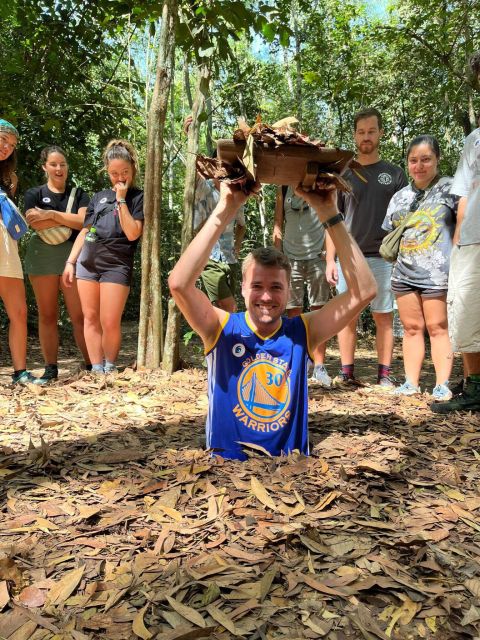
Cu Chi is famous for its tunnel network, and this tour frames it in a very specific way: how the Viet Cong created and used the underground system for hiding, living, attacking, and ambushing during both the French and Vietnam wars. That matters, because the tunnels aren’t treated like one single attraction. They’re presented as a whole strategy—movement, protection, and survival—repeated across a huge area.
The tour also makes the scale feel real. It doesn’t just say tunnels existed. You get a map and tunnel model briefing first, which helps your brain place what you’ll see next. Then you’re shown the kind of underground spaces people needed to function—like a smokeless kitchen, health care areas, and meeting rooms. Even if you already know the basics, this structure makes it easier to understand why tunnels were so useful.
You can also read our reviews of more tours and experiences in Ho Chi Minh City.



Meeting Your English Guide and Handling the Half-Day Schedule
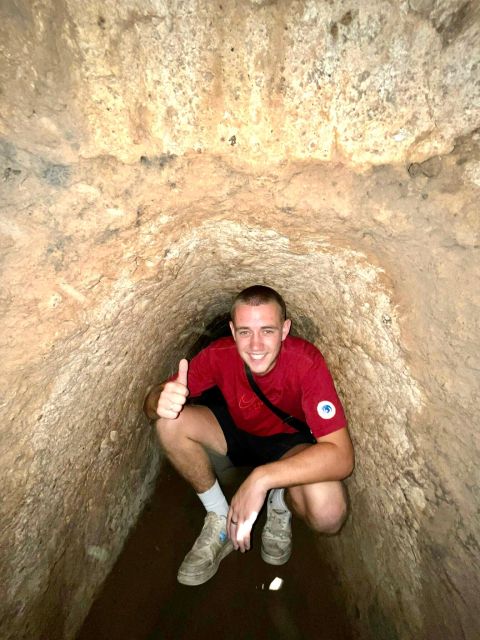
This tour runs two start times: 7:30am (morning) and 12:00pm (afternoon). Expect a total duration around 5–6 hours (listed as 330 minutes). That timing is a sweet spot if you want “big experience” without losing a full day.
You’ll travel by vehicle with hotel pickup and drop-off, and your guide will be English speaking. The operator notes that pickup timing works best when you’re in the hotel lobby and ready. Practically, I’d plan for a little waiting—because pickup is described as 10 to 20 minutes before your scheduled time.
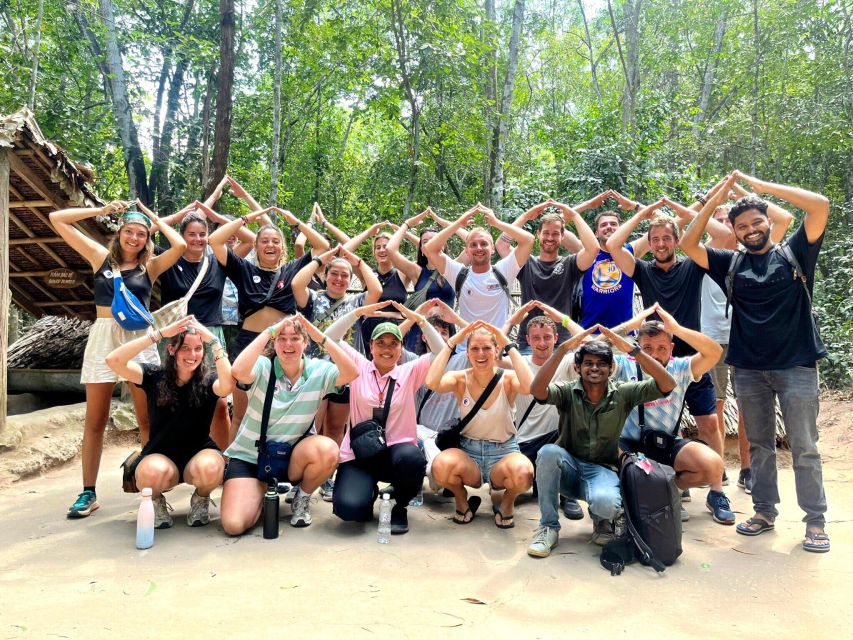
Group size is capped (and you might be in a small group like 10–12, or larger up to 20, or a private setup). Smaller groups are a big deal here because tunnel details are easy to miss if everyone is clustered or the guide can’t keep eyes on the group.
Museum-Style Briefing: Maps, Models, and Trap Details
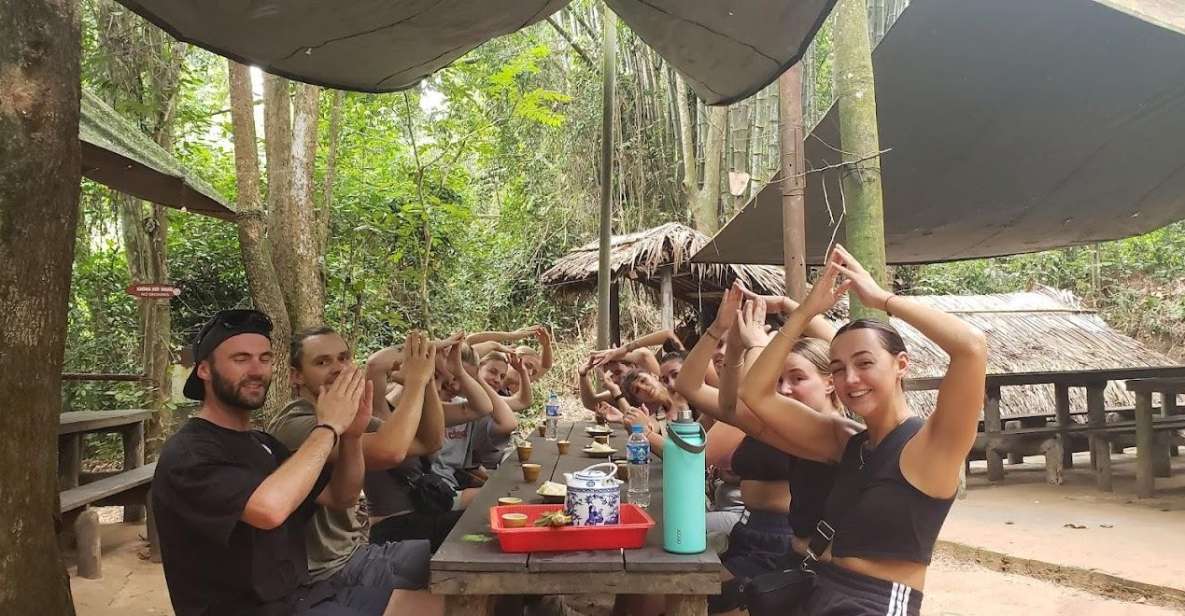
Before you go fully underground, you’ll get a briefing with a map and tunnel model. This is the part that turns random images into a connected story. The tour explains how tunnels were used for hiding and moving, and it also highlights that traps were part of the system—built by the Viet Cong.
Look closely at how traps and underground spaces are shown. The tour doesn’t just treat them as scary set dressing. It presents them as functional tools designed for survival in a hostile environment. That’s where a good guide makes the difference. I saw multiple mentions of guides like Harry explaining the tactics clearly and with personality, not just facts.
Go Underground: Kitchen, Health Care, and Fighting Bunkers
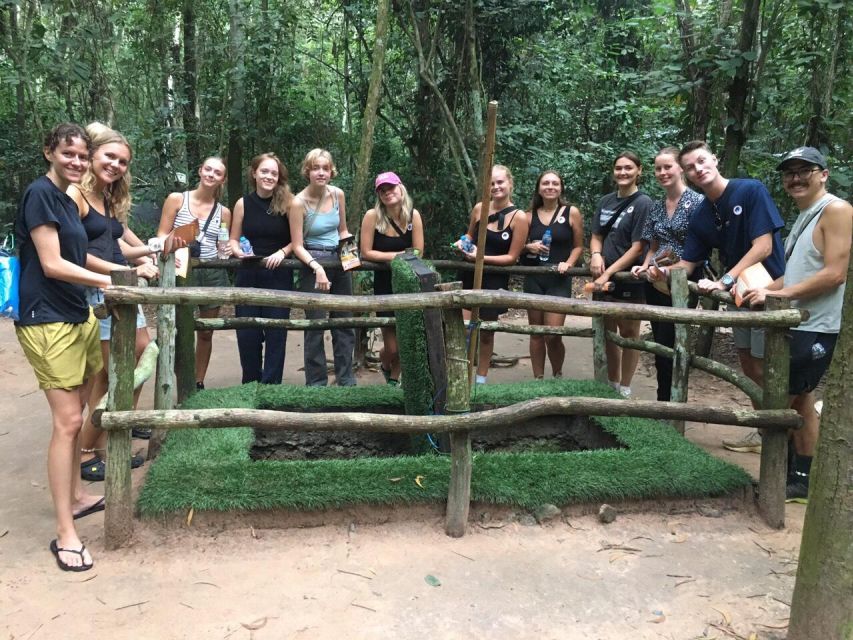
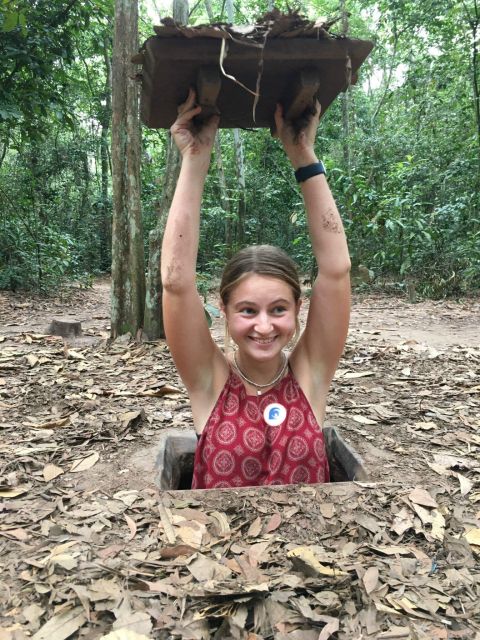
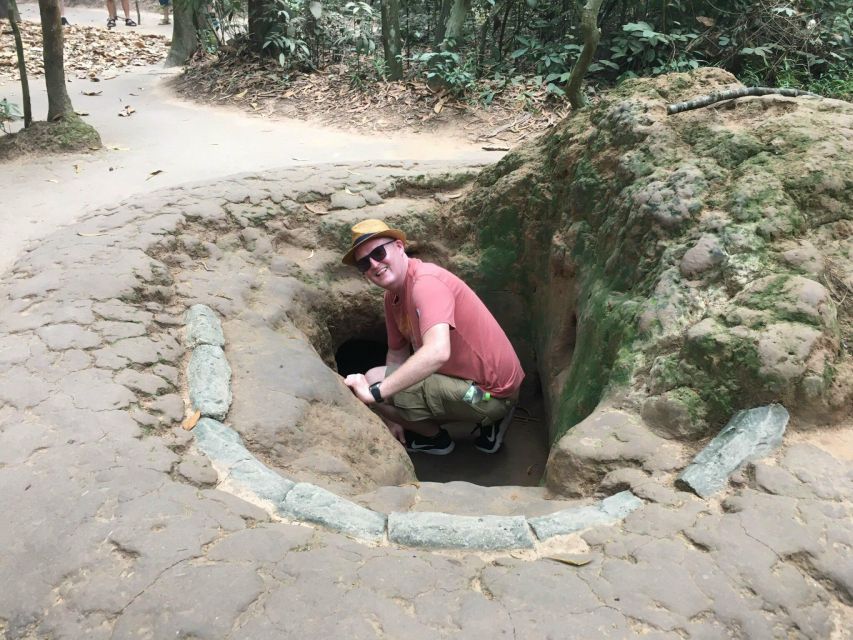
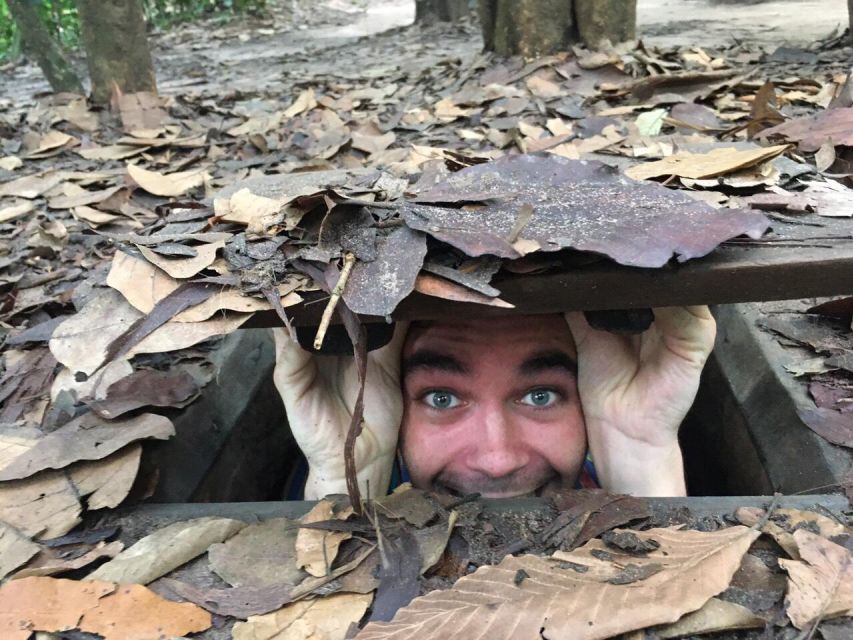
The headline moment is the option to go underground, since the tour explicitly offers you that choice. If you prefer not to crawl, you can still learn from the setup and explanations—but you’ll miss part of the physical understanding.
When you do go underground, the tour points out several wartime remnants and functional areas:
- Underground smokeless kitchen
- Health care area
- Meeting room
- Fighting bunker
- VC workshop spaces
- Entrances and crawl areas (some are enlarged for visitors, so you get a feel without the same level of risk you’d face historically)
This is where the day becomes more than sightseeing. Even in a visitor-oriented setup, you start to understand how a network can be used like a living system. People needed to cook, care for injuries, plan and communicate, and still keep a fighting capability ready. That balance shows up in the way the tour orders the information.
Food and Craft Stops That Make the Day Feel Human
A war tunnel tour can easily become too heavy and too mechanical. This one helps break that up with food and craft experiences tied to what the VC used and what Vietnamese artisans do today.



Tapioca root tasting
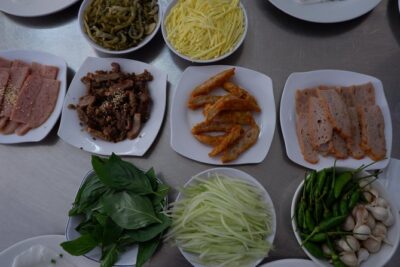
You’ll get tapioca root tasting, described as VC food. Food isn’t a trivia detail here. It’s a reminder that survival meant eating what you could access and prepare under extreme conditions. This small stop is also a relief valve if the morning briefing already has your emotions turned up.
Rice paper workshop
You’ll visit a rice paper workshop. This is one of those “you can actually picture it later” activities. Even if you don’t become an expert, you’ll see the process with your own eyes instead of treating it as a packaged product back home.
Lacquer ware art studio
There’s also an art studio visit where you can see how lacquer ware fine art is made. This part works as a contrast: the tunnels show endurance during conflict, and the studio shows another kind of endurance—slow craft, careful layers, and patience. It helps the day end with something more forward-looking.
I especially like when tours include craft work with real observation. It’s not just a quick photo stop. You get to watch skills in motion.
Shooting Range Add-On: Cool, but Read the Fine Print
There’s a shooting range add-on that’s on your own expenses. The guidance is clear: you’ll need to buy a minimum of 10 bullets for 600,000 VND. That means you should treat it as a “want it or don’t” option, not something casually included.
One practical note from the day’s experience: the shooting range sits right beside the food/buffer area inside the facility. If you’re sensitive to noise, you’ll feel it. The cost isn’t the only factor—time spent there can be longer than you expect just because the environment is loud.
My advice: if you do it, go in with a mindset of budgeting for the add-on and staying aware of how noise affects your whole group.
Getting Real Value from the $23 Price
At about $23 per person for a 5–6 hour outing, value is pretty strong—mainly because this includes what tends to add up fast elsewhere:
- Transport with pickup and drop-off
- Entrance fee
- English speaking guide
- Snack and water
- Wet tissue
- Multiple guided components (briefing + underground + workshops + studio visit)
What’s not fully included is the shooting range add-on (bullets are extra). So think of the base price as covering the structured core of the day: transportation, access, interpretation, and multiple activities.
Also, the “small group” model tends to justify the price. Tunnel details aren’t just visual; they rely on explanations. When your guide is animated and clear—like Harry in the comments I saw—the experience feels like a guided story instead of a checklist.
Small Details That Can Make or Break Your Day
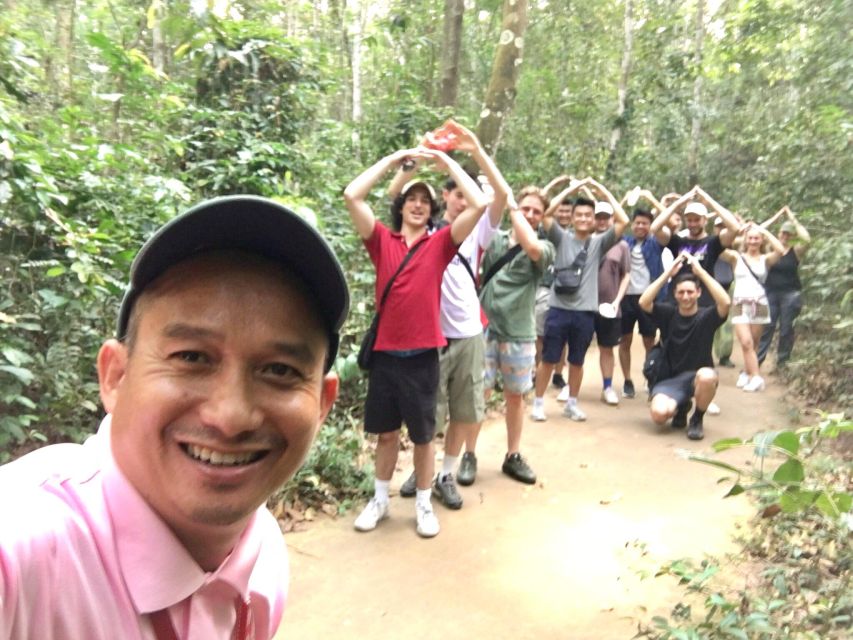
A tour like this succeeds when the guide can keep the group together and speak loudly enough for everyone to catch the same points. I saw one concern where guiding was not loud enough and the group scattered, making it harder for the guide to re-spot people without visible markers.
So here’s your practical move: stay close to the guide, especially in any transition moments. If you don’t see the guide clearly, ask quickly before you drift off. Tunnel tours move fast, and it’s easy to miss a section if you’re a step behind.
Another logistics thing to expect: pickup timing can vary. One guest reported leaving about an hour later than written, which can turn a planned “early start” into a groggy one. You can’t control that, but you can protect yourself by not booking something right after.
Who This Tour Fits Best (and Who Might Skip)
This Cu Chi Tunnel Tour is a great fit if you:
- Want a clear explanation of how the Viet Cong used tunnels for hiding, living, and attacks
- Like a guided day with English interpretation
- Appreciate included hands-on stops like tapioca tasting, rice paper, and lacquer ware craft
- Prefer a half-day format over an all-day marathon
You might think twice if you:
- Know you get stressed in tight crawl spaces or don’t want the physical part (even though you can choose whether to go underground)
- Are not comfortable with loud sections if you plan to add the shooting range
- Need absolute schedule certainty, since some departure timing can shift
Should You Book the Cu Chi Tunnel Tour with Ace Travels?
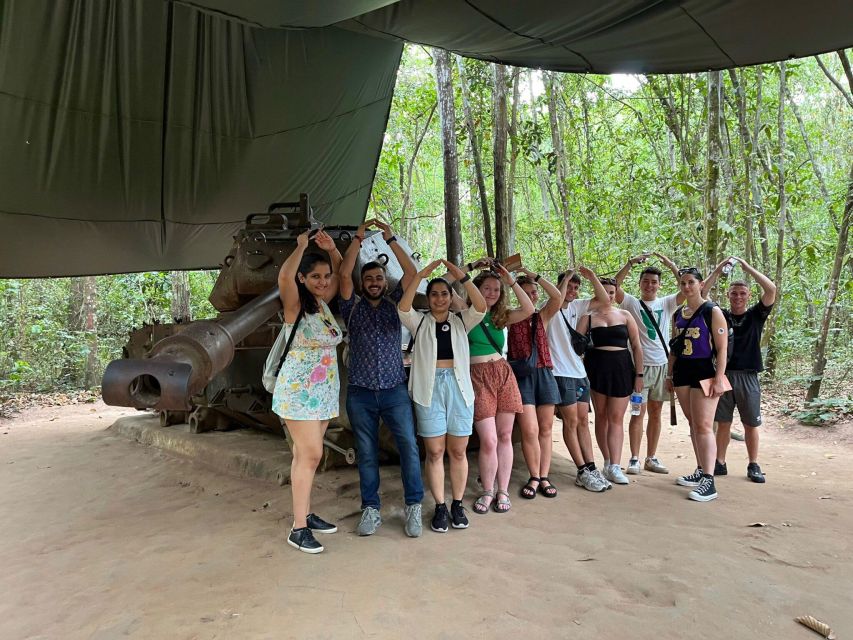
If your priority is a structured, English-guided look at how the tunnels worked—plus food and craft stops that keep the day from feeling like one long exhibit—then yes, it’s a solid booking. The guide quality seems to be the real engine here, with names like Harry showing up for strong explanations and a careful, human tone.
The “maybe not” case is simple: if you’re only interested in tunnels as a photos-and-video attraction, you might feel the day is too interpretive and too guided. And if you hate noise, decide upfront whether the shooting range is worth it.
If you want a value-heavy half day with both history and everyday Vietnamese skills, this tour is worth your spot. Just go in with a little patience for timing, and keep close to the guide so you don’t miss the parts that make it special.
FAQ
What start times does the Cu Chi Tunnel Tour offer?
It runs with a 7:30am departure option and a 12:00pm departure option.
How long is the tour?
The tour duration is listed as 330 minutes, which matches the typical 5–6 hours you should plan for.
How big are the groups?
The group size is capped at maximum 10, 12, or 20, depending on the setup, and there is also a private group option.
Is the tour guided in English?
Yes. The tour includes an English speaking guide.
What’s included in the ticket price?
Included items are transportation, pick up & drop off, entrance fee, English speaking guide, wet tissue, snack & water.
Is the shooting range included?
No. The shooting range is optional and costs extra. You must buy bullets (minimum 10 bullets / 600,000 VND).
Do you try tapioca or rice paper?
Yes. You’ll have tapioca root tasting and a rice paper workshop.
Do you visit an art studio?
Yes. The tour includes a visit to an art studio to see how lacquer ware fine art is made.
Can I cancel or pay later?
The tour offers free cancellation up to 24 hours in advance for a full refund, and it also supports reserve now & pay later (you can book your spot and pay nothing today).