REVIEW · HO CHI MINH CITY
Amazing Vietnam, Cambodia and Thailand 16 Days
Book on Viator →Operated by Prestigo Asia · Bookable on Viator
Three countries in 16 days, minus the guesswork. This route stitches together Vietnam’s Mekong Delta, Cu Chi Tunnels, and Hoi An, then jumps north for Halong Bay, before heading to Cambodia for Angkor and finishing with beach time in Phuket. You start in Ho Chi Minh City with an airport meet-and-transfer, so you can land, check in, and get moving without wrestling logistics.
What I like most is how clearly the trip is run day to day. You get English-speaking guides for the scheduled sights, plus air-conditioned transport and the constant rhythm of pick-ups and transfers. I also like the balance: after a lot of intense sightseeing, you get three full days in Phuket for real downtime.
One thing to think about: it is an active, multi-flight circuit. You’ll face early mornings on the Halong Bay days, plus walking at temple sites, cycling in the countryside, and time in enclosed spaces like Cu Chi Tunnels—fine for most people, but not the choice if you want a super relaxed trip.
In This Review
- Key things that make this tour work
- Price and logistics: what the $1,758 really covers
- Ho Chi Minh City, then the Mekong: a smooth start
- Cu Chi Tunnels: history you can’t ignore (but don’t rush)
- Hoi An by flight plus countryside time: bikes and river lantern vibes
- Halong Bay cruise: caves, early wake-ups, and deck time
- Angkor in a full day: the kind of sight that changes your scale
- Tonle Sap floating village: seeing livelihoods tied to water
- Phuket: three days to recover after nonstop sights
- How the pace feels and who this suits
- Smart tips to make your days easier
- Should you book this 16-day Vietnam, Cambodia and Thailand tour?
- FAQ
- Where does the tour start and how do I get there?
- Which countries are included in this 16-day experience?
- How long is the tour?
- What’s the cost per person?
- Are domestic flights included, and what luggage is allowed?
- Are English-speaking guides included?
- What meals are included?
- What kind of accommodation is provided?
- Is there a mobile ticket and pickup service?
- What is the cancellation window for a refund?
Key things that make this tour work
- Airport meet-and-greet plus sign-holding support at arrivals (helpful when you’re tired from flights)
- English-speaking guides and organized transport that reduce decision fatigue
- A strong mix of “big-ticket” sights and calmer breaks, especially the Phuket unwind days
- Internal flights included, with baggage allowance (20 kg checked + 7 kg carry-on)
- Small group size (maximum 15), which keeps the experience from feeling like cattle-herding
- Reliable support structure with a 24/7 hotline and reported on-trip assistance when issues pop up
Price and logistics: what the $1,758 really covers
At $1,758 per person, this isn’t a budget-only trip. But it’s also not just paying for sightseeing tickets. The plan includes your major domestic moves—domestic flights, hotel stays with daily breakfast, and guided excursions—plus transport that keeps you from spending every day piecing together your own connections.
That domestic-flight piece matters. Your itinerary crosses regions fast: Ho Chi Minh City → Hoi An area (via flight) → Hanoi → Siem Reap → Phuket. Add those internal flights together and you’ll see why the price can pencil out, especially if you’d otherwise book separate flights, guides, and transfers.
You also get clear baggage expectations: 20 kg checked and 7 kg carry-on are included on the included domestic flights. And you’re not stuck with endless meal decisions; breakfast is built in (15 breakfasts), plus six lunches and one dinner are included as listed.
Logistics are handled in a modern way too. You get mobile tickets, and pickup is offered. In plain terms: you arrive, you’re met, and you move on—less time waiting at terminals, more time outside seeing things.
You can also read our reviews of more tours and experiences in Ho Chi Minh City.



Ho Chi Minh City, then the Mekong: a smooth start

Ho Chi Minh City is a strong launchpad for this trip. It’s the kind of place where you’ll see colonial-era architecture alongside traditional life, and it fits the “go see everything” energy of a 16-day circuit. On day one, the tour keeps it simple: you get met at Tan Son Nhat International Airport and transferred to your hotel, then you’re free to rest.
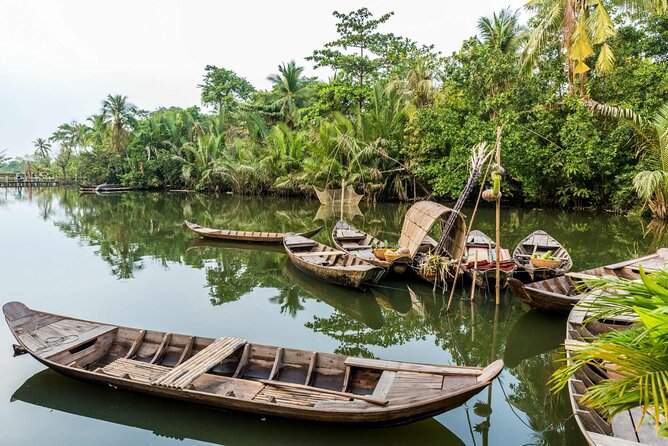
On day two, the Mekong Delta day is the classic Vietnam palate reset. You go from the city to My Tho with an experienced English-speaking guide and driver. The heart of the day is the change in scenery: rice paddies, riverside life, and that slower pace you don’t really get in a big city.
Why this stop is valuable: it’s not just a scenic detour. The Mekong is where you start understanding how food, water, and daily work connect across the region. A well-run guided day also helps, because you’re less likely to feel like you’re just riding around without context.
A practical consideration: Mekong days are long. Even with comfortable transport, it’s a full day out, so plan for an early night after this one.
Cu Chi Tunnels: history you can’t ignore (but don’t rush)
Cu Chi Tunnels is one of those stops that hits harder than the photos. The site sits in the countryside near Ho Chi Minh City, and the day includes guided time at the tunnels (entrance is included).
This is not a light activity. You’re dealing with tight spaces, uneven ground, and the emotional weight of the subject. If you’re prone to claustrophobia, or you know you struggle with enclosed environments, consider how much time you want to spend inside. Even if you don’t go all the way into every section, the broader site visit usually gives you plenty to think about.
Why I think it’s worth it: it connects you to Vietnam’s modern story through place, not just through words. A guided stop helps you understand what you’re seeing and what the tunnels were used for.
The drawback is simple: it’s physically demanding and mentally heavy. Wear comfortable shoes and keep expectations grounded. This is one where “quick looks” won’t give you the full impact.
Hoi An by flight plus countryside time: bikes and river lantern vibes
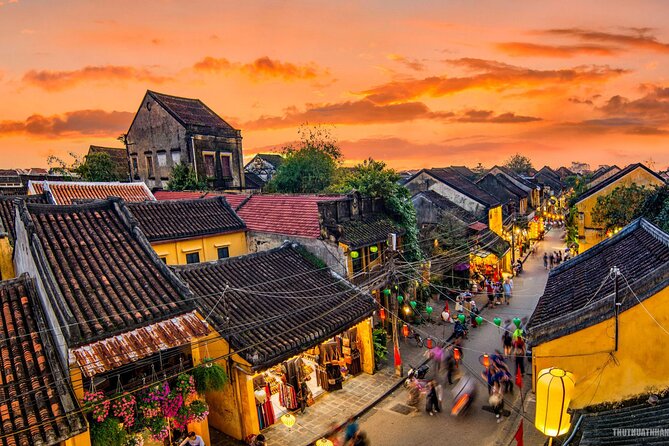
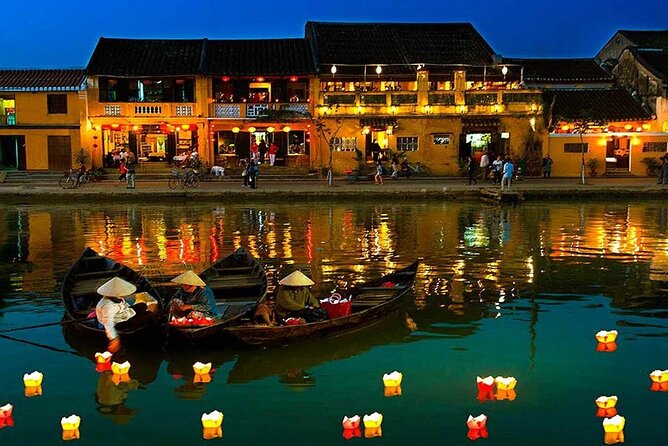
From Ho Chi Minh City you fly to the Hoi An area, and the trip gives you a decent buffer to transition. In Hoi An, you don’t get just one sightseeing day. You get a mix: old-town wandering time, a countryside ride, and an evening cultural attraction.
Day five is a standout if you like getting out of the city. You take a cycling trip in the countryside and along rivers around Hoi An, guided in English. The plan specifically includes the Bay Mau Coconut Forest area, which is the kind of stop that makes Hoi An feel less like a postcard and more like a working landscape.
Then there’s Hoi An Memories Island in the evening. The overall trip theme here is light and river atmosphere, and this is where that energy shows up. You’ll be doing a planned evening activity rather than guessing what’s worth it.
What to watch for: cycling days are weather-dependent. You’ll want sun protection and water, and you should be comfortable riding at least at a moderate pace. Also, don’t plan major late nights if you know you’ll need to be up early soon—this itinerary moves you again after Hoi An.
Halong Bay cruise: caves, early wake-ups, and deck time
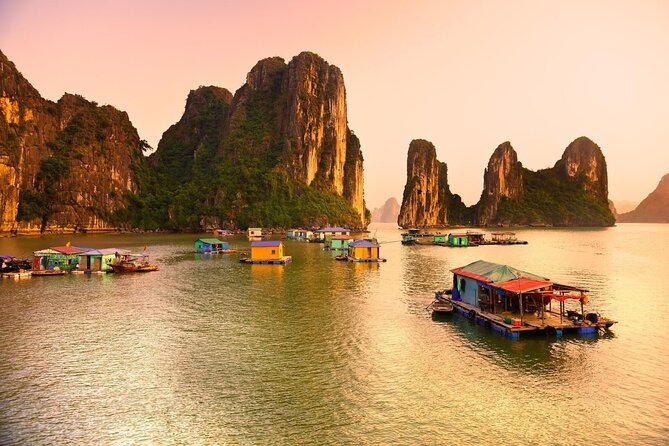
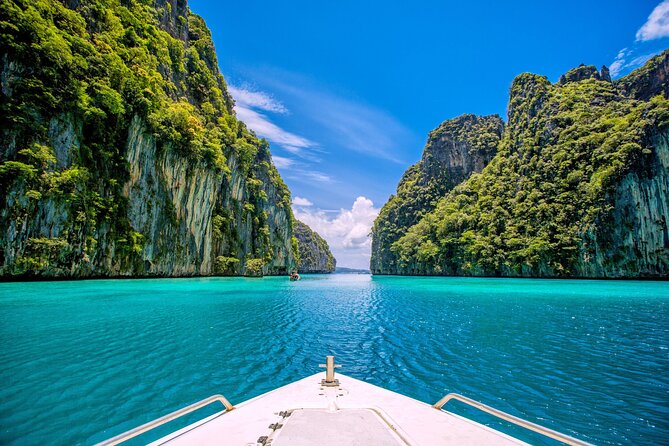
Halong Bay is where the trip shifts from human-scale history to dramatic natural views. After you check out, you travel with your guide and driver to Halong Bay via a scenic route. The day includes entrance-related costs as listed, and the cruise style means you’ll spend meaningful time on the water.
On the next day, you wake early and get the classic cruise rhythm: tai chi on the sundeck, breakfast onboard, and a cave visit. The plan also mentions exploring a cave with stalagmites, which is the kind of experience that feels extra worthwhile when you’re not just sightseeing from shore.
Why this stop works: Halong isn’t just one viewpoint. You get a slow-moving sense of scale—limestone karst islands rising from the ocean—plus onboard activities that break up the day.
The one drawback is timing. Early mornings are part of the package here, and cruise days usually mean you’re on the move even when you feel like you should be relaxing. If your ideal travel day is late starts only, this section may feel rushed.
Also, Halong Bay is on the water. If you’re sensitive to wind or chill, bring something light that you can layer.



Angkor in a full day: the kind of sight that changes your scale
Siem Reap is a gateway to one of the world’s most famous temple complexes, and this itinerary doesn’t treat Angkor like a quick stop. You get a full day exploring Angkor with key highlights included—most notably Angkor Wat’s surrounding area and Angkor Thom’s South Gate, known for its carved human faces.
This is one of those days where your brain starts mixing architecture with jungle imagery, and the pace feels different from typical city sightseeing. It’s a lot of walking, a lot of looking up, and a lot of absorbing details you can’t fully catch in a fast tour.
The value of going with a guide is huge here. Temples can look similar if you’re just moving from one photo angle to the next. A good explanation helps you understand why specific structures matter and how everything connects.
Practical note: temple days can be hot and sunny, and you’ll be on uneven surfaces. Wear breathable clothes, comfortable shoes, and keep a hat handy.
Tonle Sap floating village: seeing livelihoods tied to water
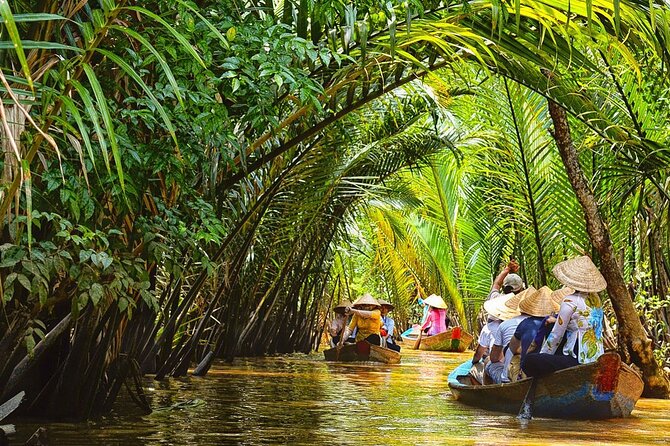
Tonle Sap Lake adds a different angle to Cambodia. After breakfast, you visit the Floating Village and take a ride by traditional wooden boat on the lake. The point isn’t just the view; it’s understanding how people live where the water shapes life.
This portion is listed as an included excursion, so you’re not left figuring out boat logistics. Having a guide helps you understand what you’re seeing, especially because floating communities can be hard to interpret from the outside.
The consideration: boat rides can feel bumpy and weather-sensitive. Dress for getting a little damp and be ready for sun exposure.
Phuket: three days to recover after nonstop sights
After Cambodia, Phuket gives you what this itinerary is clearly built around: recovery time. You fly to Phuket, meet your guide who is holding a name sign, and then you get a free day structure for three days.
Days fourteen and fifteen are listed as full leisure days, and day sixteen is your departure day after a breakfast. In other words, you get room to choose your own style—beach lounging, exploring nearby spots, or just doing nothing for a while without worrying about a packed schedule.
Why this downtime is valuable: it prevents the common “I saw everything but I remember nothing” problem. After Vietnam and Cambodia’s intensity, those Phuket days give you time to let the trip settle in.
The main drawback is also obvious: Phuket is a break, not a culture-heavy day. If you want more temples and history every day, you may find the beach days feel like a pause rather than an expansion.
How the pace feels and who this suits
This is built for travelers who like structure and hate constant planning. The small group limit (maximum 15 travelers) helps, and the included English-speaking guides keep the experience from turning into a self-guided scramble.
You should be ready for a pace that includes:
- Flying between countries and regions
- One long day to the Mekong Delta
- A heavy subject stop at Cu Chi Tunnels
- Cycling in Hoi An countryside
- Early wake-ups on Halong Bay days
- Long walking days at Angkor
- Boat time on Tonle Sap
- Leisure recovery in Phuket
This fits best for first-timers to Indochina or for anyone who wants to hit major highlights without micromanaging bookings. It’s also a good fit if you’re traveling as a couple or small group and want the security of pickup and support.
The tradeoff: if you’re someone who gets irritated by packed days, internal flights, and frequent hotel changes, this route may feel like too much. It’s not a slow-and-steady trip.
Smart tips to make your days easier
A few practical things can make this itinerary feel smoother:
- Keep your packing light and organized. You’ll change hotels multiple times and fly several times, so easy-to-access essentials help.
- Plan for walking. Comfortable shoes are non-negotiable for temples, boat transfers, and countryside paths.
- Bring sun protection. Vietnam and Cambodia can be intense, and Halong and Angkor are both exposed.
- Watch your timing around early mornings. Halong Bay’s early start is part of the experience, so don’t schedule late-night activities the night before.
- Use included transport. The value here is in not having to figure out airport transfers or meeting points on your own.
On the support side, the company’s reported service style is reassuring. Support stories include a tour manager named Dat staying in contact and helping with practical assistance when an ankle got sprained, and a Hanoi contact named Ms Nhi handling requests for itinerary changes on short notice. That doesn’t guarantee perfect outcomes, but it does suggest an organized team approach.
Should you book this 16-day Vietnam, Cambodia and Thailand tour?
If you want a high-coverage trip with included internal flights, guided highlights, and built-in downtime, this is a solid choice. The strongest reasons to book are the way it groups famous sights into efficient days, the guided Angkor and Halong sections, and the end-of-trip reset in Phuket.
I’d hesitate if you dislike early starts, you prefer very slow travel, or you know you’re sensitive to enclosed spaces like tunnels. Cu Chi is the biggest “fitness and comfort” question mark in this plan.
My bottom line: book it if your goal is to see a lot, feel supported the whole way, and then actually recharge at the end. If your goal is deep, unhurried travel in one country, you’ll probably want a different style of itinerary.
FAQ
Where does the tour start and how do I get there?
It starts at Tan Son Nhat International Airport in Ho Chi Minh City, Vietnam. Airport pickup is offered, and you’ll be met and transferred to your accommodation on arrival.
Which countries are included in this 16-day experience?
You visit three countries: Vietnam, Cambodia, and Thailand.
How long is the tour?
The duration is 16 days, approximately.
What’s the cost per person?
The price listed is $1,758.00 per person.
Are domestic flights included, and what luggage is allowed?
Yes. Domestic flights are included, and the listed baggage allowance is 20kg checked-in luggage and 7kg carry-on luggage.
Are English-speaking guides included?
Yes. The tour includes an experienced English-speaking guide for the activities listed in the itinerary.
What meals are included?
Breakfast is included for 15 days. Lunch is included for 6 days, and dinner is included as well (listed as included). Other meals are not included unless specified.
What kind of accommodation is provided?
Accommodation is provided in shared twin/double rooms, with daily breakfast included.
Is there a mobile ticket and pickup service?
Yes. The tour features mobile ticket access, and pickup is offered.
What is the cancellation window for a refund?
You can cancel up to 6 days in advance of the experience for a full refund. Cancel 2–6 days before for a 50% refund, and less than 2 days before is not refundable. Cut-off times are based on local time.