Saigon history is still in the walls. This guided walking tour connects the Independence Palace and War Remnants Museum, and I like how the tour ties the rooms and exhibits together with real historical context. I also like that guides answer questions with specific details, so you’re not just reading signs. One thing to consider: the museum covers painful wartime material, so if you want a light, breezy outing, this may feel heavy.
You’ll spend about 3 to 4 hours moving between two of the city’s most important stops, with admission and guided access included at both. The group size caps at 99, so it’s more than a private tour, but you still get a structured path and someone keeping you on track.
In This Review
- Key things to look forward to
- Independence Palace and War Museum: the real reason to do both
- Meeting point, walking pace, and what 3 to 4 hours feels like
- Independence Palace: seeing a turning point in real rooms
- War Remnants Museum: the exhibits you’ll remember long after
- How the guides shape the tour (Cyta, Huan Le, Steven, Thang, Tory)
- Tickets included and what “value” really means here
- What to do to get the most out of the day
- Who this tour fits best (and who might rethink it)
- Book it or skip it: my practical recommendation
- FAQ
- What is the duration of the walking tour?
- How much does the Independence Palace and War Remnants Museum walking tour cost?
- Do I need to buy tickets for the Independence Palace and the War Remnants Museum?
- Where does the tour start and end?
- Is a guide included?
- Is a free e-sim included?
- How large is the group?
- Is free cancellation available?
- Does weather affect the tour?
Key things to look forward to
- Inside Independence Palace with admission included, so you can see the rooms that shaped modern Vietnam
- War Remnants Museum tickets covered, plus a guide to explain the exhibits and the timeline
- Free e-sim when you book, a practical add-on for staying connected right away
- Guides who answer questions with depth, including named guides like Cyta, Huan Le, Steven, Thang, and Tory
- A walking format that links central sights without you needing to plan transit between them
Independence Palace and War Museum: the real reason to do both
Most people pick one site in Ho Chi Minh City and move on. I think that misses the point. The Independence Palace shows the political theater of a turning point, while the War Remnants Museum shows the cost paid by ordinary people. Put together, they give you a fuller picture than either one alone.
I also like the emotional logic of the pairing. You start with a place that looks almost unreal in its preserved interiors. Then you shift to a museum that doesn’t let you escape the reality of what conflict did to bodies, families, and memory. It’s not a “history lesson.” It’s a sequence.
The tour format helps. You’re not wandering between two major attractions on your own. A guide keeps the story moving, and you get the most important context before you start looking closely at what’s on the walls and in the display rooms.
You can also read our reviews of more walking tours in Ho Chi Minh City



Meeting point, walking pace, and what 3 to 4 hours feels like
You begin at the Independence Palace area in District 1 (near Ben Thanh), and the tour ends at the War Remnants Museum on Vo Van Tan Street, District 3, at the Vo Van Tan Gate. That end point matters because it’s a clean handoff: you finish close to the next thing you might want to see in District 3.
Time-wise, the tour is listed as about 3 to 4 hours. The visits are each around two hours, so plan your day around a solid morning or afternoon block rather than squeezing this in between transfers.
Because this is a walking tour and the group can be up to 99 people, you’ll want to wear comfortable shoes and expect some crowd flow inside. It’s not the kind of tour where you linger forever at every single room, but with a guide, you still get the important moments without feeling rushed through the entire experience.
Independence Palace: seeing a turning point in real rooms
The Independence Palace—also called the Reunification Palace—is one of those places where the setting does half the explaining. From the outside, it already looks like a movie set. Inside, it turns into something more specific: a snapshot of an era’s power, decision-making, and uncertainty.
This tour includes admission and a guided walk inside for about two hours, which is the sweet spot for a site like this. You’re not just looking at a few rooms. You can take in the layout and how the building functions as a command space, not a normal public monument.
What I like here is that the guide’s job is to help you read the palace like a timeline. The building isn’t just pretty architecture. It’s a physical record of events and the way leadership communicated, planned, and reacted during the Vietnam War period and afterward.
Potential drawback: if you’re visiting purely for photos and don’t enjoy political context, the palace may feel more like “rooms and dates” than an emotional experience. But if you’re willing to let the guide explain what you’re seeing, it becomes much more than architecture.
War Remnants Museum: the exhibits you’ll remember long after
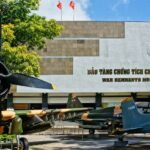
The War Remnants Museum is the counterpart to the palace. If the palace helps you understand the political side of the turning point, this museum forces you to look at the human cost.
This stop is also about two hours, with admission included and guided access. The museum organizes wartime material like a carefully arranged history book. You’ll see how the displays are curated to help visitors understand what happened in Vietnam because of the war, and you’ll likely get guided interpretation that connects the exhibits to the bigger story.
I think this is where a strong guide becomes essential. Without someone to frame what you’re seeing, it’s easy to get stuck reading labels while the emotional weight floats overhead. With a guide, you can ask questions and get answers that make the chronology clearer, and you spend less time guessing what you’re looking at.
One consideration is emotional intensity. The museum deals with conflict impacts, so take breaks if you need them. If you’re traveling with someone who’s easily overwhelmed by graphic or sad content, this is the part of the day where you should check in with each other.
How the guides shape the tour (Cyta, Huan Le, Steven, Thang, Tory)
This tour’s quality rides heavily on the guide. The good news: the guiding style on this experience is consistent in one big way—questions get real answers, not stock responses.
I’m especially glad when a guide can connect details together. One guide experience that stands out is Steven using folders with pictures of other city sites, helping you connect the palace story to places around Ho Chi Minh City. That kind of visual linking turns a single stop into something you can carry with you on the rest of your trip.
You may also encounter guides like Cyta, who is described as thorough and full of background information for both the palace and the museum. Other guides mentioned include Huan Le, who provides detailed explanations, and Thang (sometimes noted as Tory for Victory), praised for engaging conversation and helpful answers.
Even if your guide isn’t one of those named individuals, the pattern is clear from the tour feedback: the best version of this tour happens when you speak up. Ask what a room is for. Ask how to connect exhibit sections into a timeline. A good guide will meet you there.
You can also read our reviews of more museum experiences in Ho Chi Minh City






Tickets included and what “value” really means here
At $20.52 per person, this is easy to justify because admission is included for both the Independence Palace and the War Remnants Museum, plus you have a professional guide and guided access inside.
If you’ve ever tried to do these two sites on your own in a short timeframe, you know the hidden cost is time and sorting. You’d need to figure out entry tickets, timing, and how to structure your day so the story makes sense. Here, that work is done for you.
Also, there’s the practical bonus: you get a free e-sim when you book. That’s not a tiny perk. It helps you navigate Ho Chi Minh City right away, translate as needed, and look up context if you want to follow your guide’s explanations with extra reading later.
What’s not included: tips and gratuities, and any personal expenses. So I’d plan a little extra in your budget for that, plus water and small snacks.
What to do to get the most out of the day
You’ll get the most value if you treat the tour like a guided storyline, not just a checklist.
Before you start, I’d pick one or two questions you care about. For example: What changed between the palace’s function and what followed? Or: Which museum exhibit best explains the war’s impact on civilians? When you show up with a question, the guide’s answers land harder.
Inside both locations, be ready to slow down. Even if you’re not a museum person, the guides are there to help you interpret what you’re seeing. Bring a light layer too—indoor spaces can vary, and comfortable clothing makes it easier to focus rather than fidget.
Photography rules aren’t specified here, so don’t count on anything. If there are signs or staff instructions, follow them. And if you feel like you need a breather in the museum, take it. Your future self will still remember the important parts.
Who this tour fits best (and who might rethink it)
I’d book this tour if you want a high-impact day with structure. It’s a good match for first-time visitors who want to understand the country’s modern history without building a complicated route.
It also works well for people who like discussion. The tour style supports questions, and the guides are praised for answering thoroughly and clearly.
If you’re traveling with someone who hates emotional or graphic wartime content, you might still go, but plan for the museum to be the hardest segment. If your idea of a great day is markets, food stops, and light sightseeing only, consider pairing Ho Chi Minh’s history sites with more relaxed activities on other days.
Book it or skip it: my practical recommendation
I’d book this if you have one good window for history in Ho Chi Minh City and you want guided context with admission included. The palace gives you the physical setting of a major political turning point, and the museum makes you face what conflict did to people.
If you’re on a tight schedule, this tour’s 3–4 hour structure is also a big plus. And if you want to reduce planning stress, having the free e-sim bundled into your booking is just practical.
Should you skip it? I’d only do that if you strongly prefer light sightseeing or you know you’ll struggle with intense wartime material. Otherwise, it’s a strong value way to connect two of the city’s most important experiences in one go.
FAQ
What is the duration of the walking tour?
The tour runs about 3 to 4 hours.
How much does the Independence Palace and War Remnants Museum walking tour cost?
The price is $20.52 per person.
Do I need to buy tickets for the Independence Palace and the War Remnants Museum?
Admission is included for both attractions, and guided access inside is included too.
Where does the tour start and end?
It starts at the Independence Palace area in District 1 near Ben Thanh, and it ends at the War Remnants Museum at the Vo Van Tan Gate in District 3.
Is a guide included?
Yes. The tour includes a professional tour guide.
Is a free e-sim included?
Yes. You get a FREE e-sim when you book this tour.
How large is the group?
The tour has a maximum of 99 travelers.
Is free cancellation available?
Yes. You can cancel for a full refund up to 24 hours in advance.
Does weather affect the tour?
Yes. The experience requires good weather, and if it’s canceled due to poor weather, you’ll be offered a different date or a full refund.