REVIEW · HO CHI MINH CITY
Saigon Slum Tour with Motorbike
Book on GetYourGuide →Operated by CONNECT CULTURE CO.,LTD · Bookable on GetYourGuide
Saigon has two faces, and you ride between them. This motorbike slum tour is all about contrast: you start in the glossier parts of Ho Chi Minh City and then move through real neighborhoods with a local guide. I like the way local guide stories turn the city into something you can understand, not just see, and names like Che and Zack (safe driving) and Jay or Peter (clear, thoughtful explanations) show up for good reason.
A possible drawback: if you choose the 2-hour option, you may spend a noticeable chunk of the time simply traveling through the city traffic.
In This Review
- Key things you’ll notice
- Why the motorbike matters in Ho Chi Minh City
- Pickup, gear, and how to feel safe on a bike
- From luxury edges to real alleyways
- Old mafia-area lanes: history you can spot on the street
- Central vs outside the center: the map of need
- Districts 5 to 7 along the river: work, routines, and river life
- The floating market stop: a different kind of economy
- Seeing dismantling and reconstruction in real time
- The charity food stall: rice for 2,000 VND
- Guides, humor, and why people remember the names
- Timing reality: 2–4 hours and how it feels on the road
- Price and value: what $16 really includes
- Optional car upgrades if you don’t want the bike
- What to bring and how to behave respectfully
- Who this tour is best for
- Should you book this Saigon slum tour?
- FAQ
- What time does hotel pickup start?
- How long is the tour?
- Where is free hotel pickup available?
- What’s included in the tour price?
- Do you provide helmets and rain protection?
- Is there a charity food stall on the tour?
- Is the tour guide available in English?
- Are there extra charges for private tours or upgrades?
- Can I cancel for a full refund?
Key things you’ll notice
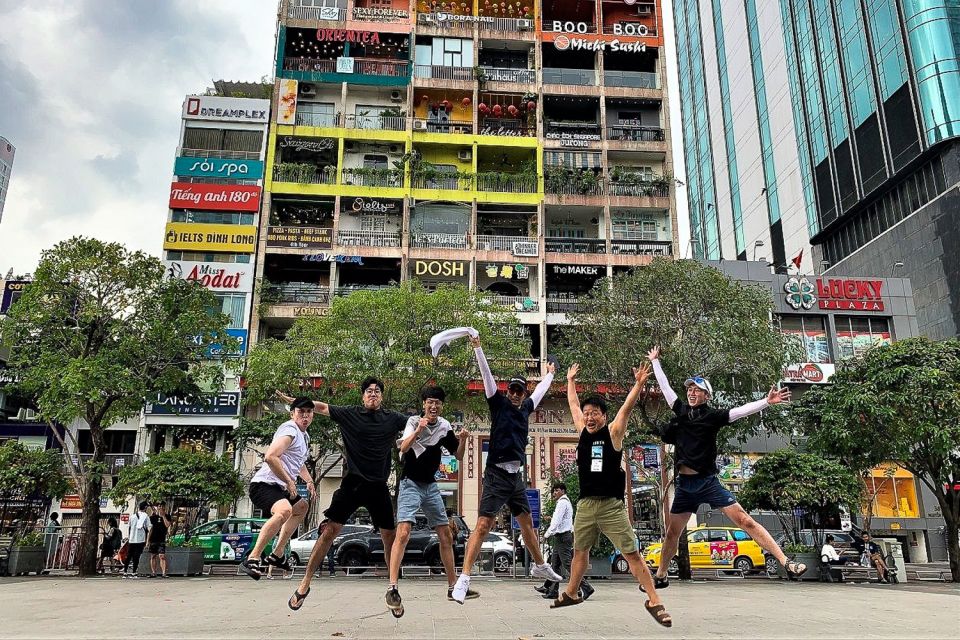
- District 1 contrast, then straight into slum districts for an eye-opening shift fast
- Guides who explain daily life and government support in plain, human terms
- Motorbikes, helmets, and ponchos included so you’re not scrambling for gear
- Stops across multiple slum areas, including old mafia-area lanes, river areas (districts 5 to 7), and a floating market stop
- A charity meal moment with rice for only 2,000 VND
- Photo stops and a local drink included, so the tour gives you more than just views
Why the motorbike matters in Ho Chi Minh City
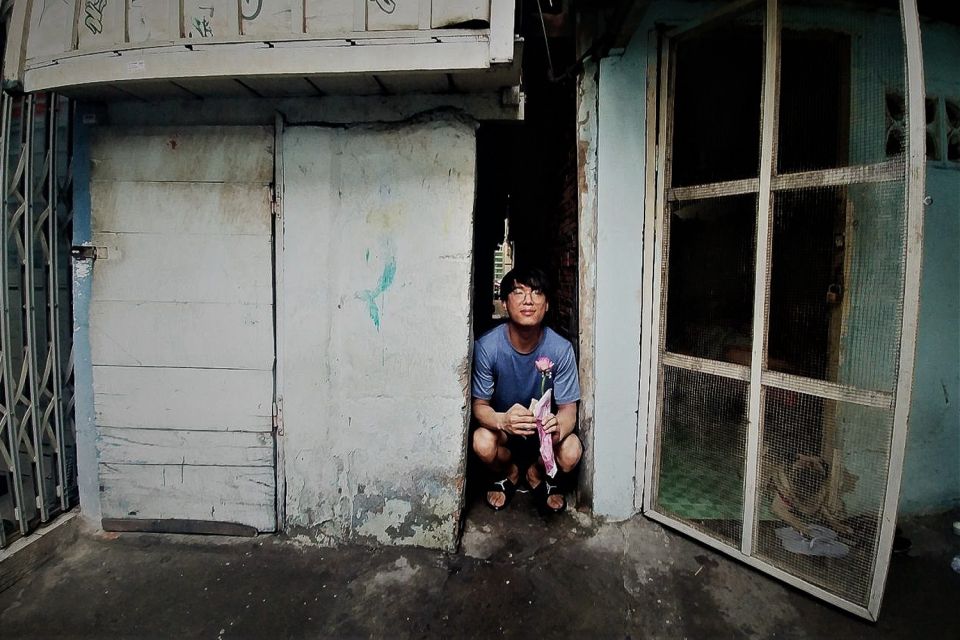
Sitting on a motorbike gives you a different kind of understanding of Ho Chi Minh City than a bus tour ever can. The roads, the pace, the everyday sounds, and even how people move in and out of alleys all land differently when you’re on the back of a bike like locals.
You also get a faster “story arc.” You’ll see the sharp switch between the tourist-and-affluent areas and the poorer neighborhoods inside the city without waiting all day to stitch it together. That matters, because Saigon’s contrast isn’t a distant concept. It’s right next to you.
You can also read our reviews of more tours and experiences in Ho Chi Minh City.



Pickup, gear, and how to feel safe on a bike
This tour starts early, with hotel pickup around 8:00 AM, and the standard pickup is within District 1, 3, and 4. If you’re outside those areas, you’ll have a 5 USD per person surcharge on the service day.
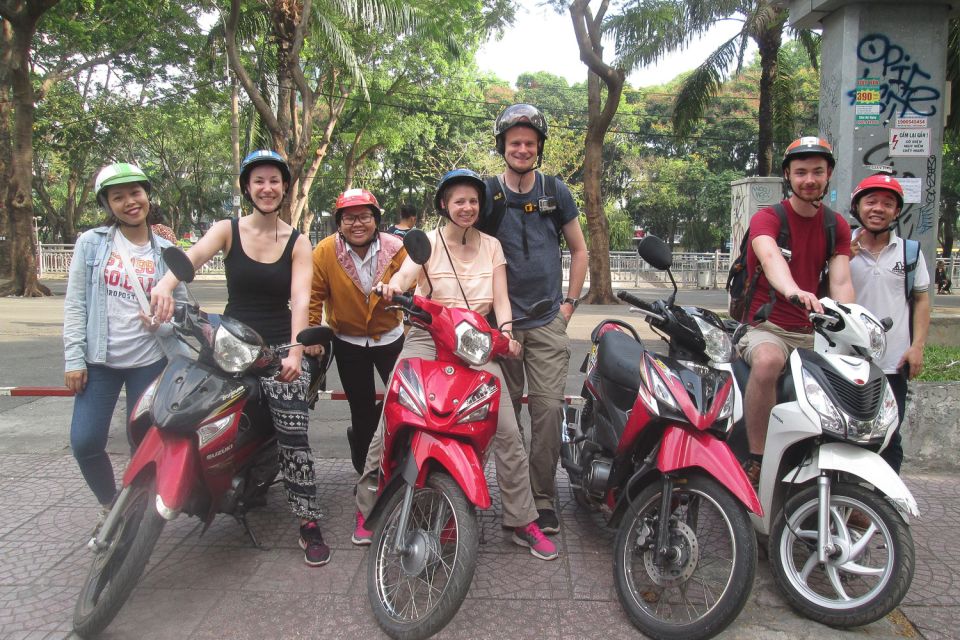
You’re provided helmets and ponchos, plus an accident insurance policy. In a city known for traffic, that combination is practical. You’re not just hoping for the best; you’re equipped for the ride.
From luxury edges to real alleyways
The first stage of the tour is essentially setup. You begin in the more comfortable, higher-profile parts of Saigon, then head toward neighborhoods people rarely experience unless they have a reason to. The point isn’t shock for its own sake. It’s to help you notice how the city’s layout and economy shape where families live, work, and raise kids.
Expect lots of city views during transit. You’ll pass through the places where the money is visible, then move toward places where survival skills are visible instead. That’s the tour’s main lesson in one line: the city is doing two different things at once.
Old mafia-area lanes: history you can spot on the street
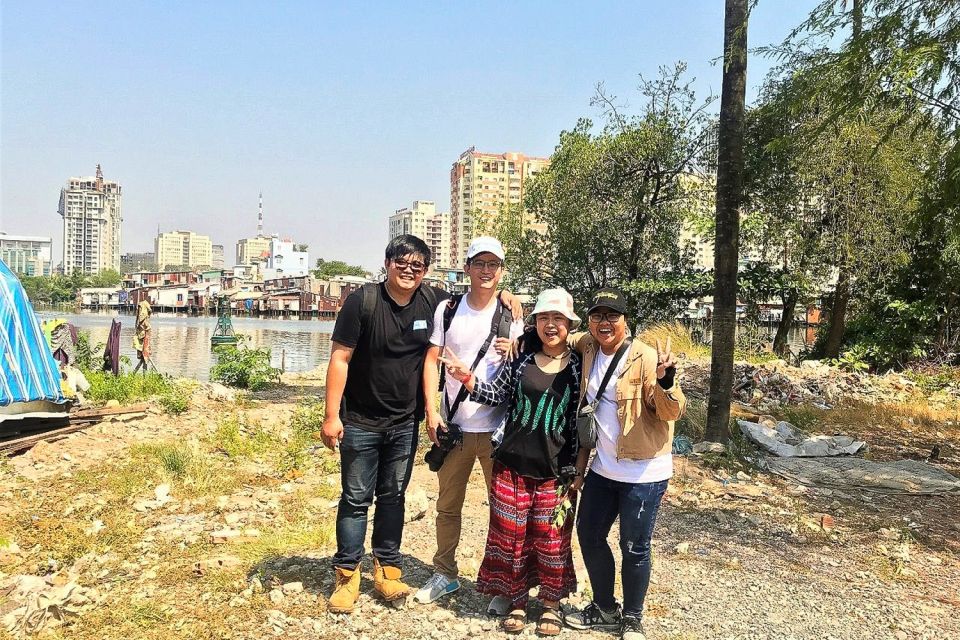
One of the most specific parts of the experience is the stop in the old mafia area. Here, you’ll be watching more than scenery. You’ll be seeing how older neighborhood patterns still influence everyday life, from housing conditions to the way people use tight spaces.
This is also where the guide’s role really matters. A good guide doesn’t just point at buildings. They connect the dots between past events and what you’re seeing now, including the way neighborhoods evolved after the war.
You’ll likely spend time walking and observing, not only riding. That makes it easier to notice the small details of daily routine and community life.
Central vs outside the center: the map of need
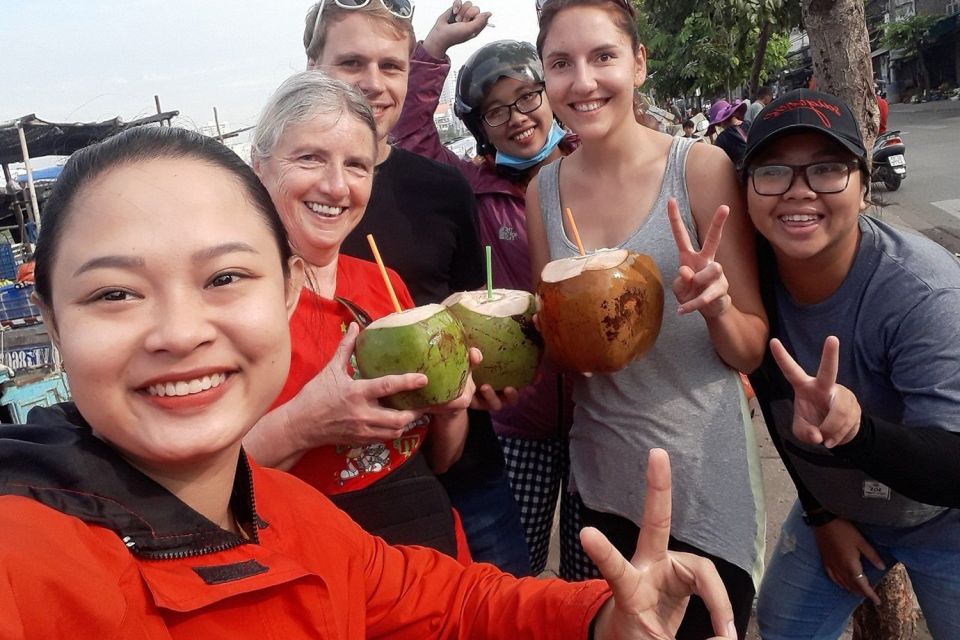
The tour also includes slum areas in the city center and outside the center, which is important because poverty isn’t one uniform pattern. Conditions and access can change depending on where you are, and the tour helps you see those differences.
Outside the center areas often feel more spread out, with more room for work and daily logistics. Center-area neighborhoods can feel tighter and more crowded, with more activity concentrated in smaller spaces. Either way, you’ll come away with a clearer sense of what “living in the city” can mean when resources are limited.
This section is where I think you’ll get the biggest mental shift. You stop thinking of “slum” as one place and start seeing it as a network of real communities.



Districts 5 to 7 along the river: work, routines, and river life
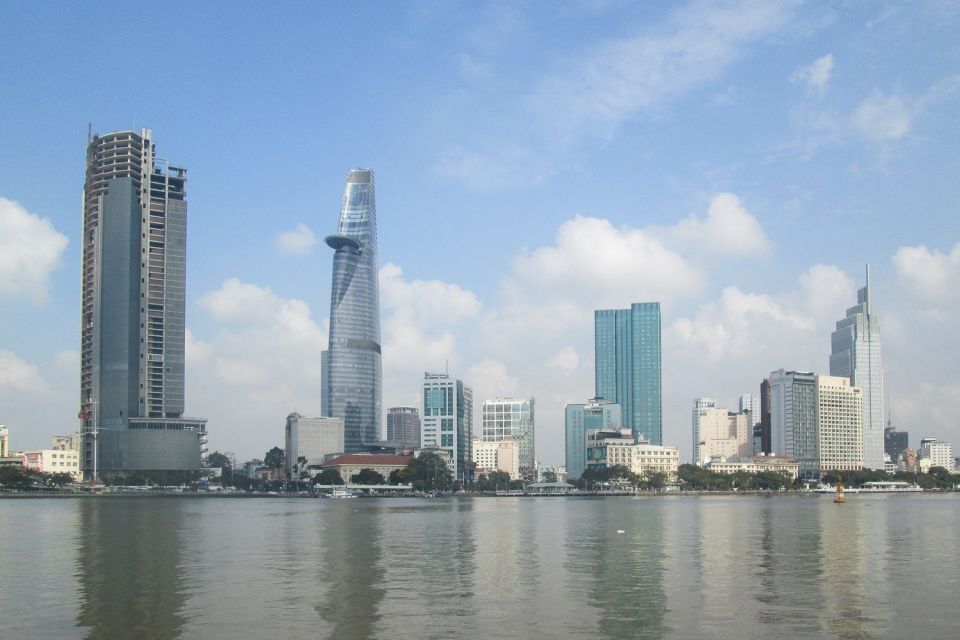
Next comes the river side through districts 5 to 7. The river affects everything here: jobs, movement, and how people organize daily life. Even if you’re not a “river person,” this part tends to stick in your memory because the geography feels tied to survival.
In this stretch, you’ll get a mix of viewing from the bike and short stops where your guide explains what you’re seeing. You may notice signs of informal work, repairs, and how families manage space and time. The guide’s perspective is key, especially when they explain how people make a living day to day.
If you like practical photo moments, bring your camera with a mindset of documentation, not tourism. These are tight areas, and respect goes a long way.
The floating market stop: a different kind of economy
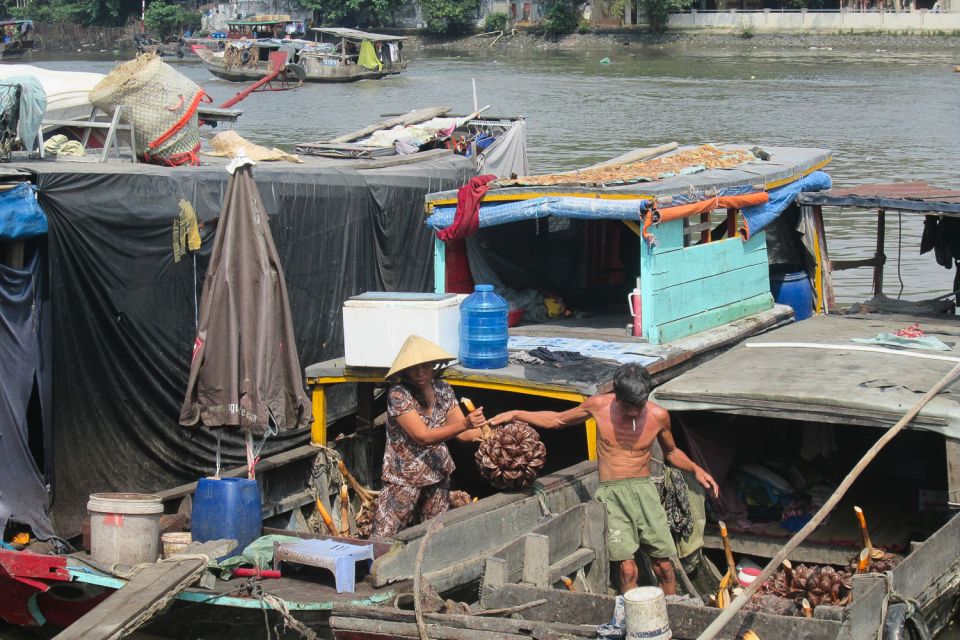
The tour includes a stop related to the floating market area. This isn’t presented as a “cute attraction.” It’s part of understanding how commerce works in Ho Chi Minh City beyond glossy storefronts.
Markets like this connect food supply, transportation, and household income in one place. Even if you don’t buy anything, just watching how people move and trade helps you understand why some neighborhoods form where they do.
Treat this stop like a lens: it helps you see that there are many ways to earn a living in Saigon, and not all of them look like formal employment.
Seeing dismantling and reconstruction in real time
One of the tour’s most serious components is witnessing slums in the process of dismantling and reconstruction. That phrasing matters. You’re not just looking at hardship from the outside. You’re seeing a city changing around people.
This part can be emotional because it’s about transitions. Housing shifts, relocation pressures, and how support works in practice. Your guide’s explanations about government support are meant to give you a clearer picture of what changes are intended to solve, and what challenges remain.
If you’re the type who likes to understand systems, not just scenes, this is likely the section you’ll remember most.
The charity food stall: rice for 2,000 VND
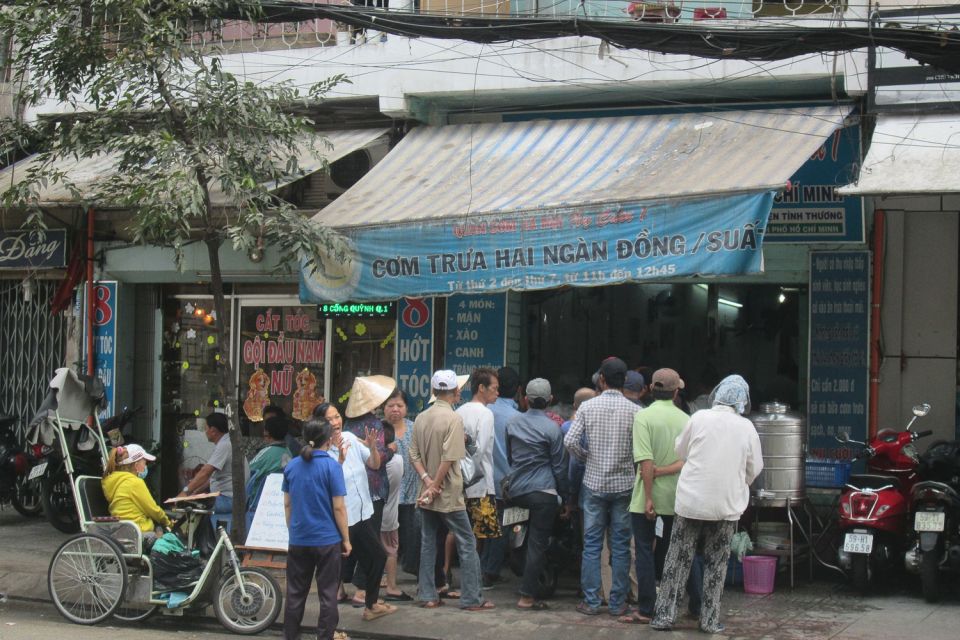
You’ll visit a charity food stall where they sell a meal with rice for only 2,000 VND. This isn’t framed as a spectacle. It’s a small, concrete example of how help shows up in everyday life.
In my view, it’s one of the best value stops on the route because it helps you connect the tour topic to something tangible: food, cost, and community support. It also gives you a break in the middle of the route, so you can recharge.
If you’re curious, ask your guide how the stall fits into the wider support network. That’s usually where the conversation becomes most informative.
Guides, humor, and why people remember the names
A big reason this tour earns a strong rating is the human factor: the guide and driver chemistry. You’ll hear different styles, but a consistent theme shows up: clear English, quick humor, and answers to real questions.
In the material you provided, certain guide names come up repeatedly in a positive way: Duy (Danny), Peter, Rosalyne, Wibu, My, Eddie Nguyen, Hana and Flora, and Jay. The shared takeaway is that the guide doesn’t just lead. They interpret. They explain what you’re seeing and keep the experience comfortable enough that you can focus.
If you’re worried about language, this tour is English-guided, and your guide will also guide photo moments.
Timing reality: 2–4 hours and how it feels on the road
The tour is listed as 2–4 hours. In practice, expect a mix of riding time and stops, plus short walking segments in alleyways. One caution from the feedback you shared: the 2-hour option can feel shorter than expected because a good chunk of time is spent traveling.
So here’s my practical advice: if you want more time at each stop and more time to ask questions, lean toward the longer end of the schedule. If you’re short on time and just want the core contrast, the 2-hour version can still work.
Either way, bring some patience. Saigon traffic isn’t something the tour can erase. Good drivers and a calm guide make it feel manageable.
Price and value: what $16 really includes
At $16 per person, the tour is aggressively priced for what you get: hotel pickup and drop-off (within District 1, 3, and 4), local guides, motorbikes with helmets and ponchos, photos, a local drink (coconut, coffee, or a local drink), and accident insurance.
That’s why this price point can feel like value rather than a bargain. You’re not paying extra for basic safety gear or for a driver-led route. And you’re paying for explanations and access, not just transportation.
Two cost notes to keep in mind:
- If your hotel is outside District 1, 3, and 4, expect the 5 USD per person pickup surcharge.
- If you upgrade to a private tour option, there’s a 5 USD surcharge per person (and car options are extra).
Optional car upgrades if you don’t want the bike
Not everyone loves motorbike riding, and the operator offers alternatives. You can upgrade to a car:
- 7-seat car: 50 USD surcharge
- 16-seat van: 70 USD surcharge
The car option has to be booked before 24 hours. That’s useful if you’re traveling with someone who can’t handle the motorbike setup but still wants the same route and stops.
What to bring and how to behave respectfully
You only need a few things:
- Comfortable shoes (you may walk and stand in tight areas)
- Wear clothing that you’re comfortable in during stops
Also, the tour is about real neighborhoods and real people. Your guide will set the tone, but it helps if you bring an attitude of respect. A calm, friendly approach makes conversations easier and the whole day smoother.
If you want better photos, keep your camera ready but don’t treat every moment as a shooting opportunity. Ask when it makes sense, and follow your guide’s guidance.
Who this tour is best for
I’d point you toward this tour if you:
- Want a first real introduction to Saigon that goes beyond the usual sights
- Like understanding how everyday life works, not only landmarks
- Are comfortable with motorbike travel and heavy city traffic
- Want a guided route with context, including government support and neighborhood change
I’d think twice if you:
- Don’t feel comfortable on a motorbike even with helmets and ponchos
- Are very time-sensitive and only booking the 2-hour slot
Should you book this Saigon slum tour?
Book it if you want the fast, high-impact contrast of Saigon and you’re open to learning through real neighborhood stops. At $16, the inclusion of transport gear, pickup (in key districts), a local drink, photos, and insurance makes it one of the more practical ways to get context quickly.
Skip it or choose the car option if you know you won’t enjoy the motorbike ride. And if you want the fullest experience, lean toward the longer end of the 2–4 hour range so you don’t feel rushed.
In short: this tour is for people who want Saigon to make sense as a city, not just as a postcard.
FAQ
What time does hotel pickup start?
Hotel pickup starts at 8:00 AM.
How long is the tour?
It runs for 2 to 4 hours, depending on the option you choose.
Where is free hotel pickup available?
Free pickup is available within District 1, District 3, and District 4. There is also a meeting point at 212 Lê Lai Phường Phạm Ngũ Lão, Quận 1, Hồ Chí Minh (the meeting point is also referred to near the Saigon Opera House).
What’s included in the tour price?
Included items are local guides, motorbikes, helmets and ponchos, photos, one local drink (coconut, coffee, or a local drink), hotel pickup and drop-off within the listed areas, and accident insurance.
Do you provide helmets and rain protection?
Yes. Motorbikes, helmets, and ponchos are provided.
Is there a charity food stall on the tour?
Yes. You’ll visit a charity food stall that sells a meal with rice for 2,000 VND.
Is the tour guide available in English?
Yes. The tour is conducted by an English-speaking live guide.
Are there extra charges for private tours or upgrades?
For the private tour option there is a 5 USD surcharge per person. A car upgrade is also available (7-seat car for 50 USD or a 16-seat van for 70 USD). There is also an upgrade for Female Ao Dai Rider for 10 USD extra per person.
Can I cancel for a full refund?
Free cancellation is available up to 24 hours in advance for a full refund.