REVIEW · HO CHI MINH CITY
Saigoncholon
Book on Viator →Operated by Saigoncholon · Bookable on Viator
Cholon Chinatown hits different the moment you arrive. This Saigon Cholon discovery tour turns Ho Chi Minh City’s Chinese community into something you can actually see and understand, not just photograph. I like how the whole plan is built around everyday places where locals trade, pray, and eat—starting from Ben Thanh Market and finishing back there.
I also like the included morning food and drinks. You get coffee or tea, a Chinese-style noodle breakfast served in an alley, plus bottled water and an air-conditioned vehicle to keep the heat from ruining your timing.
One thing to consider: this is a short, good-weather-focused plan (about 3–4 hours). If your day is already tight, you’ll want to give yourself buffer time, and you should confirm meeting details the day-of since a no-show issue was reported once in the past.
In This Review
- Key highlights you’ll care about
- Cholon feels personal, not performative
- Price and value: what $29.75 really covers
- Starting at Ben Thanh: easy logistics, less stress
- Binh Tay Market: the symbol of Chinatown, in snack form
- Soai Kinh Lam fabric market: silk trading energy
- Temples: Ba Thien Hau and Nghia An show different kinds of faith
- Ba Thien Hau Temple (30 minutes)
- Nghia An Temple (about 1 hour, plus the hidden-feeling surprise)
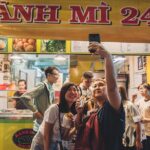
- Chợ Thủ Đô street-food stop: local bites you can plan around
- How the tour actually flows (and why it works)
- What to bring and how to get the most out of it
- Who should book this tour, and who might prefer something else
- Should you book Saigoncholon’s Saigon Cholon Chinatown discovery tour?
- FAQ
- How long is the Saigon Cholon Chinatown discovery tour?
- Where does the tour start and end?
- What’s included in the price?
- Is pickup available?
- How many people are in the group?
- Do I need to pay extra for food at the markets?
- What is the cancellation policy?
Key highlights you’ll care about
- Small group (max 4 people), so your guide can answer questions without rushing you
- Local markets first, not souvenir stops, so you learn how people shop and bargain
- Temple comparisons: a standard local temple visit plus a more private-feeling stop
- Food included, including a Chinese-style noodle breakfast plus street-food time
- Air-conditioned ride between areas, which matters in Ho Chi Minh City heat
Cholon feels personal, not performative
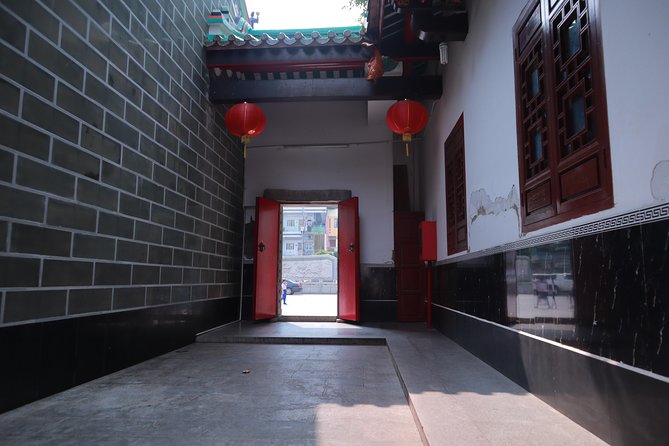
Cholon is the Chinese Chinatown district in Ho Chi Minh City, and this tour leans into what makes it different. Your guide, Minh (Tony), is Taiwanese-Chinese and grew up in Cholon. That matters because you’re not getting a script. You’re getting context from someone who studied and lived abroad, yet still has his childhood and career rooted here.
I like that the tour doesn’t treat culture like a museum display. Markets and temples are shown as active parts of daily life: where people handle business, where families make wishes, and where tradition still shapes routines. You’ll come away with a clearer sense of Chinese-Vietnamese identity in this neighborhood, plus a better idea of why certain goods and rituals matter to locals.
You can also read our reviews of more tours and experiences in Ho Chi Minh City.


Price and value: what $29.75 really covers
At $29.75 per person for roughly 3–4 hours, you’re paying for more than a walk with a map. The value is in the small-group pacing, the transportation, and the included food + drinks.
Here’s what you get without extra cost:
- Breakfast: a special Vietnamse-Chinese style noodle served in an alley
- Coffee and/or tea
- Bottled water (1 bottle per person)
- Air-conditioned vehicle
- Free admission tickets for the listed stops
The key value tip: don’t overpack your budget expectations for market stops. Extra snacks and drinks you buy on your own aren’t covered, so decide what you want to sample versus what you just want to look at. In a place like Binh Tay and the fabric market, temptation is real.
Starting at Ben Thanh: easy logistics, less stress
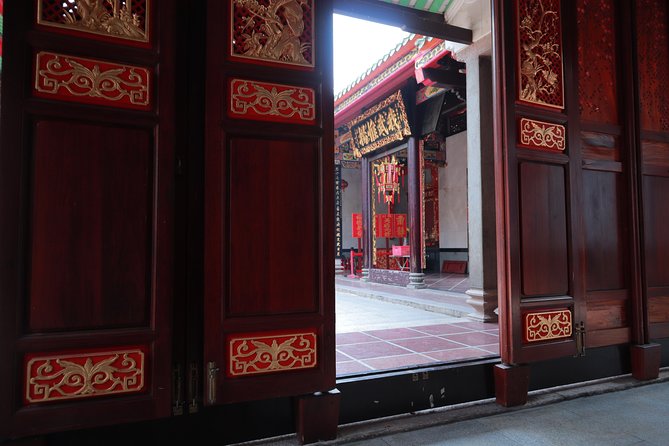
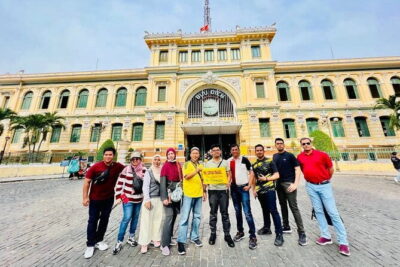
The tour meets at Ben Thanh Market (District 1) and ends back at the meeting point. Pickup is offered, and the tour uses a mobile ticket, which keeps check-in straightforward.
Why I think this setup works: Ben Thanh is a natural anchor point. If you’re already sightseeing in District 1, you don’t need to solve complicated “how do I get there” questions. You’ll also spend less energy on transportation and more on the areas that make Cholon memorable.
Plan around the timing too. The market and fabric stops are each about 30 minutes, temple time varies, and the street-food stop is another short block. That means the tour stays efficient. If you want long shopping sessions, you might prefer to add personal time before or after the tour.
Binh Tay Market: the symbol of Chinatown, in snack form
Your first stop is Binh Tay Market, described as a symbol of Chinatown built by wealthy Chinese businessmen. The practical point isn’t the legend—it’s what the market lets you understand quickly.
In about 30 minutes, you’ll see how locals trade and how food moves through the space. You can shop for cheap snacks and eat delicious things, but the real learning is the flow:
- what kinds of stalls are busiest
- how people order and decide
- the mix of everyday items and food culture
Possible drawback: market stops can make you feel rushed if you’re the type who needs time to compare everything. If you’re serious about eating, come ready to pick just a few items instead of sampling everything. Your tour is short by design.
Soai Kinh Lam fabric market: silk trading energy
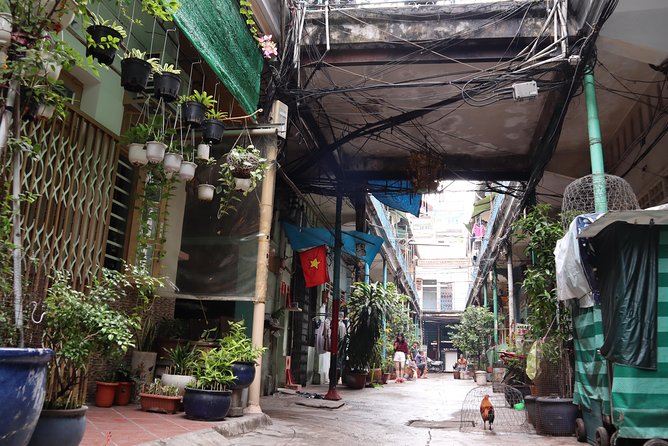
Next up is the Soai Kinh Lam fabric market, billed as the biggest fabric and silk materials market. Again, the appeal isn’t just goods—it’s the trading rhythm.
You’ll get about 30 minutes here, which is enough time to:
- understand what’s being sold (fabric and silk materials)
- notice how the market works for locals and for visitors
- see the scale of fabric commerce in Cholon
This is a good stop if you like crafts, shopping as observation, or you simply want a contrast to the food-and-temple pace. If your main goal is eating, you might find fabric time a little less exciting—though even then, it’s one of the clearest windows into Chinatown’s economic side.



Temples: Ba Thien Hau and Nghia An show different kinds of faith
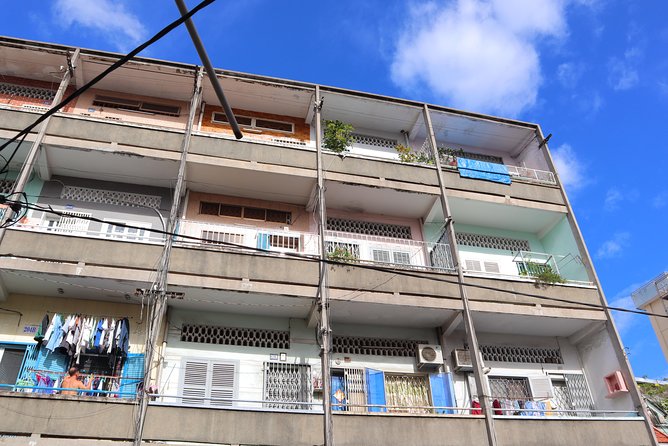
Temple time in Cholon is where the tour slows down enough to feel meaningful.
Ba Thien Hau Temple (30 minutes)
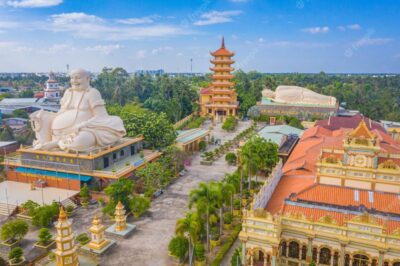
You’ll visit Ba Thien Hau Temple with a focus on comparison. The idea is to see how a more local temple setup differs from what many tourists expect. In about 30 minutes, you can observe worship practices and the feel of a temple that’s part of community life, not only an attraction.
If you want respectful photo moments, this is the stop where you should be careful and mindful. Temples are for praying first. Photos come second.
Nghia An Temple (about 1 hour, plus the hidden-feeling surprise)
Then comes Nghia An Temple, described as a more hidden local place where you get a closer look at how people touch the figure of God and pray for luck and blessings. You’ll also get a note that the hidden location within this experience is shown after the visit—so don’t expect everything to be laid out at the start.
This stop is about 1 hour, which is longer than the markets. That tells you the tour considers temple time different: it’s not a quick photo stop. It’s a chance to watch prayer behavior and feel how rituals fit into daily belief.
Weather consideration matters here too. This experience requires good weather, and temple areas aren’t the kind of place where you want to rush through discomfort. If the day is hot or rainy, your enjoyment will depend on staying comfortable and flexible.
Chợ Thủ Đô street-food stop: local bites you can plan around
Your final stop is the Khu ăn uống chợ Thủ Đô, a local market food area focused on food trading between locals plus street food sampling.
You’ll get about 30 minutes here. That’s a sweet spot for two reasons:
- It’s long enough to find a few bites and compare options
- It’s short enough that you don’t feel stuck if one stall isn’t for you
The tour highlights the street food as both varied and safe. Still, my practical advice is to follow your senses. Choose foods that look fresh and stalls that are busy with locals. And pace yourself—markets plus noodles plus street snacks can stack up quickly.
Also note what you should budget for. Extra foods beyond what’s included are paid by you, so think of this stop as your personal buffet choice.
How the tour actually flows (and why it works)
This tour is designed like a chain: market → market → temple → temple → food. Each step changes your brain rhythm.
- Markets (Binh Tay, Soai Kinh Lam) teach you what the Chinese-Vietnamese community buys, sells, and how commerce works.
- Temples (Ba Thien Hau, Nghia An) teach you why devotion looks the way it does here, including the idea of praying for luck and blessings.
- The food stop ties it together by showing that culture isn’t only visual. It’s tasted.
The tour also includes a coffee/tea moment and bottled water, which helps you keep energy up. In Ho Chi Minh City, hydration and timing can make or break a short half-day plan.
One more detail that’s worth your attention: the experience maximum is 4 people. When groups stay small, your questions don’t get ignored, and you’re less likely to feel herded. In one past case, Minh was praised for asking about interests beforehand and tailoring the tour while still covering essentials—so if you have specific interests (food, shopping, religion, photography), say them clearly at booking time.
What to bring and how to get the most out of it
You’ll be walking between a few distinct areas and spending real time in markets and temples. So keep it simple and comfortable.
Bring:
- comfortable shoes for market floors
- a hat or light layer for sun and sudden weather changes
- your phone with the mobile ticket ready
If you have dietary needs, you should inform the tour before you go—especially if you have a food allergy. The tour asks you to share allergies in advance, which is exactly what you should do.
If you’re into photos, set expectations. Markets are about motion. Temples are about respect. You’ll likely get better results by shooting less and watching more—especially during prayer moments.
Who should book this tour, and who might prefer something else
This tour is a strong fit if you:
- want a focused half-day on Cholon without planning a route yourself
- enjoy markets and want a guided explanation of how trade and community life works
- like food, but don’t want to guess which stalls to try first
- appreciate local context from a guide who grew up in the district, like Minh
You might consider a different option if you:
- want a very long shopping session (the market blocks are short)
- prefer only sightseeing with minimal eating
- are extremely sensitive to weather changes, since the experience requires good weather
Should you book Saigoncholon’s Saigon Cholon Chinatown discovery tour?
I think you should book if you want a short, well-fed, small-group way to understand Cholon. The included breakfast noodles, coffee/tea, and bottled water make the price feel more grounded. Add in the local market focus and Minh’s personal Cholon connection, and it’s the kind of tour that saves you from wandering blind.
I’d be a bit cautious if you’re the type who needs perfect punctuality every minute. One past report mentioned a tour guide no-show and trouble getting resolution through the booking platform. That’s not something you can fix from your side, but you can reduce stress by confirming meeting details ahead of time and having a Plan B for the day’s timing.
FAQ
How long is the Saigon Cholon Chinatown discovery tour?
The tour runs about 3 to 4 hours.
Where does the tour start and end?
It starts at Ben Thanh Market in District 1 and ends back at the same meeting point.
What’s included in the price?
Coffee and/or tea, a breakfast special Chinese-style noodle, bottled water (1 per person), and an air-conditioned vehicle are included. Admission tickets for the listed stops are free.
Is pickup available?
Yes, pickup is offered.
How many people are in the group?
The tour has a maximum of 4 people.
Do I need to pay extra for food at the markets?
Extra foods, water, and snacks are not covered, so anything beyond the included items will be paid by you.
What is the cancellation policy?
You can cancel for a full refund up to 24 hours in advance. The experience requires good weather, and if it’s canceled due to poor weather, you’ll be offered a different date or a full refund.