REVIEW · HO CHI MINH CITY
Small Group or Private Tour| Cu Chi Tunnels & Mekong Delta
Book on GetYourGuide →Operated by Travel over the world · Bookable on GetYourGuide
Craters and cannons in one unforgettable day. This Cu Chi Tunnels & Mekong Delta trip strings together two very different Southern Vietnam worlds: Vietnam’s wartime underground networks and the everyday life of the Mekong countryside, all in a single, well-paced day. You start with a comfort-first pickup, then move from hand-dug tunnels to river canals and local food.
What I like most is the mix of clear history and hands-on experiences. I really value how the day uses a short documentary before you go into the tunnels, so you’re not just staring at holes in the ground. I also like the Mekong side for the variety of “do something” moments—tropical fruit tasting, live folk music, a horse-drawn cart ride, and a sampan experience on the canals.
One thing to consider: it’s a full-day program with a lot of movement. If you’re sensitive to long rides, hot weather, or the idea of going underground in the tunnels, plan accordingly. Also, the listing flags boat ride as not included, so double-check what’s covered for the Mekong transport on your specific booking.
In This Review
- Key things to know before you go
- First Stop: The Ride Out of Ho Chi Minh City
- Entering The Cu Chi Tunnels: More Than Just Photos
- The War-Era Details I’d Actually Explain to a Friend
- Boiled Tapica and Pandan Tea: The Taste of “Practical Survival”
- Optional AK-47 or M16 Shooting: If You Want the Extra Charge
- Mekong Delta Arrival: A Different Vietnam Mood
- Sampan Canals, Palm-Shaded Lanes, and Seeing Daily Life Close Up
- The Sacred Islets: Dragon, Unicorn, Tortoise, Phoenix
- Đờn ca tài tử and Fruit Tasting: Culture You Can Actually Feel
- Coconut Candy or a Bee Farm: Small Workshops with Real Flavor
- Riverside Lunch: Fried Elephant Ear Fish and Friends
- Value and Practical Cost: Is $44 a Fair Deal for One Day?
- Who This Tour Fits Best (and Who Might Prefer Something Else)
- Should You Book This Cu Chi Tunnels & Mekong Delta Day Trip?
- FAQ
- What is the duration of the Cu Chi Tunnels & Mekong Delta tour?
- Where does the tour pick you up in Ho Chi Minh City?
- Is lunch included?
- What’s included at Cu Chi besides the tunnels?
- Is the shooting range experience included?
- Does the Mekong Delta part include a boat or sampan ride?
- What languages are available for the tour guide?
Key things to know before you go
- Short war-context briefing before you enter the tunnels, so the site makes sense fast
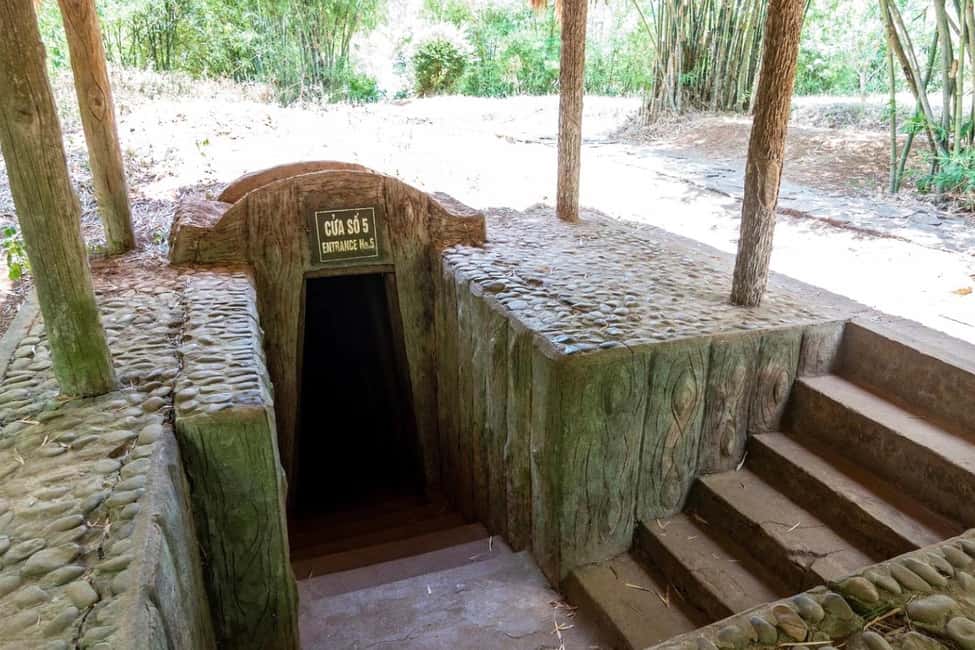
- Hand-dug tunnels with trapdoors, bunkers, and weapon-factory style areas to see
- War-era food included: boiled tapioca with pandan tea
- Mekong countryside activities like fruit tasting, Đờn ca tài tử folk music, and rides by cart and sampan
- Riverside Mekong lunch with regional specialties such as fried elephant ear fish
- Guide matters here: on one recent trip, Tri was praised as professional and thorough with guests
First Stop: The Ride Out of Ho Chi Minh City
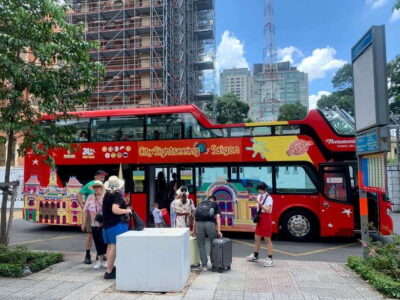
The day starts with pickup in central Ho Chi Minh City in an air-conditioned vehicle. I like this because it takes the stress out of getting organized—no hunting for the right transport, no figuring out timing. Once you head south through rural stretches, the trip naturally shifts gears from big-city pace to countryside rhythm.
The driving time matters because it sets your day. You’ll want to stay hydrated and keep a light plan for snacks, since you’ll be eating during the tour rather than searching for food every few hours. The good news: cold towels and bottled water are included, so you’re not left to fend for yourself in the heat.
You can also read our reviews of more private tours in Ho Chi Minh City

Entering The Cu Chi Tunnels: More Than Just Photos
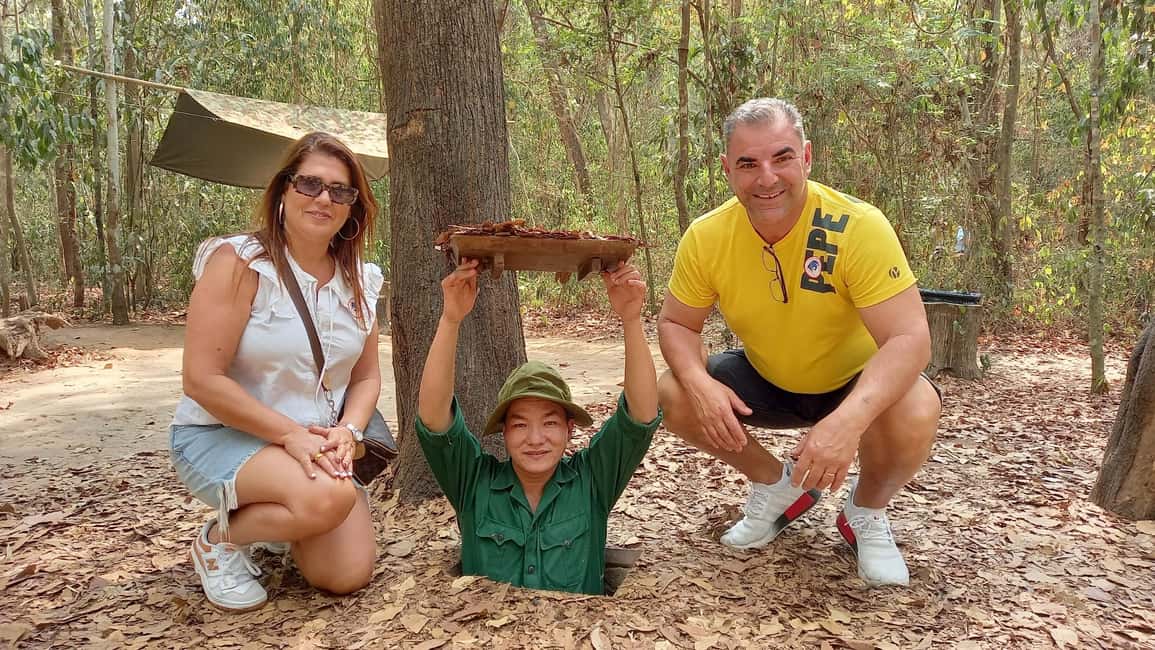
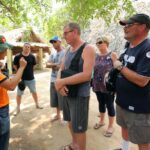
Cu Chi Tunnels is one of those places where a quick glance doesn’t tell the real story. You’ll arrive, watch a short documentary for context, and then go deeper into the underground system—hand-dug tunnels that served as living quarters, hideouts, and supply routes during the conflict.
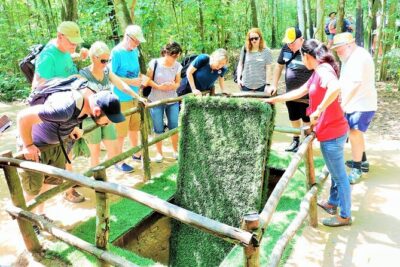
Here’s what makes this stop click: the guide leads you through the layout and purpose of what you’re seeing. It’s not just walk-through tourism. You’ll be shown hidden trapdoors, bunkers, and areas linked to weapon production, which helps you understand how people survived and moved with limited resources.
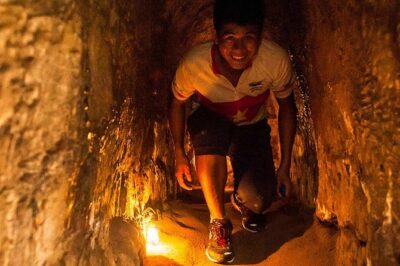
As you descend and walk through parts of the tunnels, keep expectations realistic. The tunnels are tight and not built for comfort in the modern sense. If you’re claustrophobic, take your time, breathe calmly, and let your guide know so they can pace you.
The War-Era Details I’d Actually Explain to a Friend
A lot of historic sites stop at “what happened.” Cu Chi Tunnels goes further by showing the mechanics of how people adapted. The experience includes seeing sections used for daily living, plus supply-route style areas that connect the larger system.
You’ll also encounter the kinds of protective design that make the tunnels more than a curiosity. Trapdoors and bunker areas are designed to limit exposure and movement, and weapon-factory style spaces show how manufacturing fit into life underground. Seeing these pieces together is a big part of why this site hits harder than a standard museum visit.
One more practical note: go into the tunnels with curiosity, not with the goal of “finishing” them quickly. This is the kind of place where stopping for a few seconds to absorb what you’re looking at makes the whole thing feel more meaningful.
Boiled Tapica and Pandan Tea: The Taste of “Practical Survival”
After the tunnel walkthrough, the tour includes a light snack at Cu Chi Tunnels: boiled tapioca with pandan tea. I love when a tour includes food that connects to the historical setting instead of just offering a random sweet.
Tapioca is repeatedly tied to wartime survival in Vietnam, and pandan tea is a nice touch because it’s aromatic and soothing after time underground. Even if you’re not a big tea drinker, you’ll likely find this snack easy to handle during a busy schedule.
This part also helps balance the emotional weight of the tunnels. You get a moment of normalcy—sitting, tasting, and refocusing before the day continues south.
Optional AK-47 or M16 Shooting: If You Want the Extra Charge
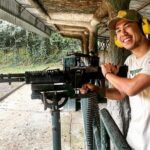
There’s an optional shooting experience at Cu Chi where you can try firing AK-47 or M16 rifles (surcharge applies). This isn’t included in the base package, so treat it as a choice, not an expectation.
My practical advice is to think about your comfort level before you commit. If you’re curious about the mechanics and don’t mind extra cost, it can add a different kind of perspective to a site like this. If you prefer to keep the day focused purely on history and scenery, you can skip it and still get the full tunnels-and-Mekong experience.

Mekong Delta Arrival: A Different Vietnam Mood
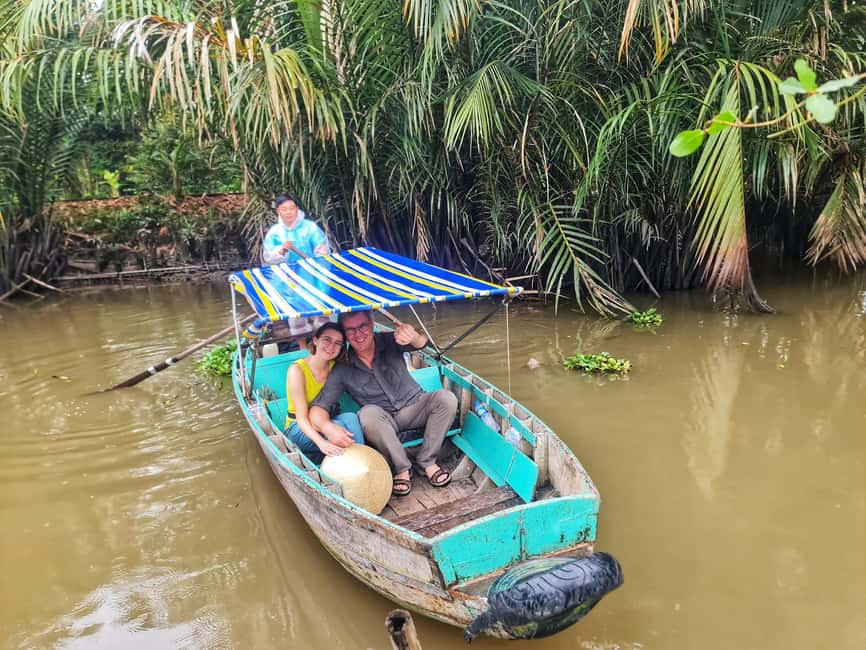
After Cu Chi, you head to the Mekong Delta, Vietnam’s agricultural heartland. The transition is part of the appeal. One moment you’re in a wartime underground space; the next you’re in a landscape shaped by waterways, farms, and small communities.
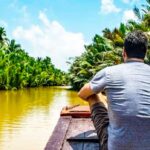
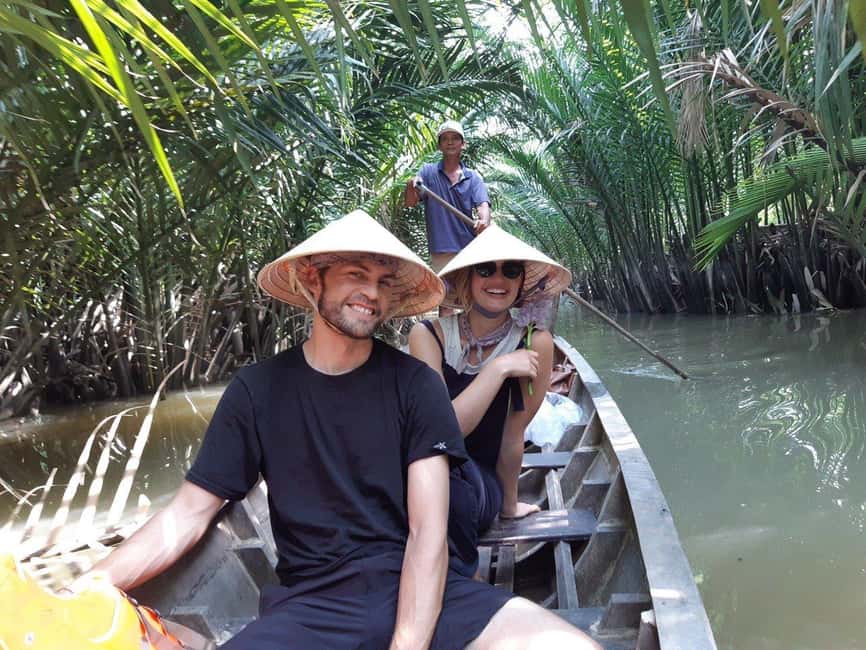
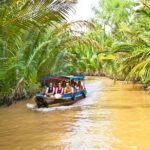
This is where your tour becomes more of a countryside day than a checklist day. You’ll go to the Tien River area, then board a private boat to cruise along the river and pass by floating fish farms and local houses on stilts. I like these details because they’re everyday life elements—things you don’t usually see from a distance in a typical city routine.
Sampan Canals, Palm-Shaded Lanes, and Seeing Daily Life Close Up
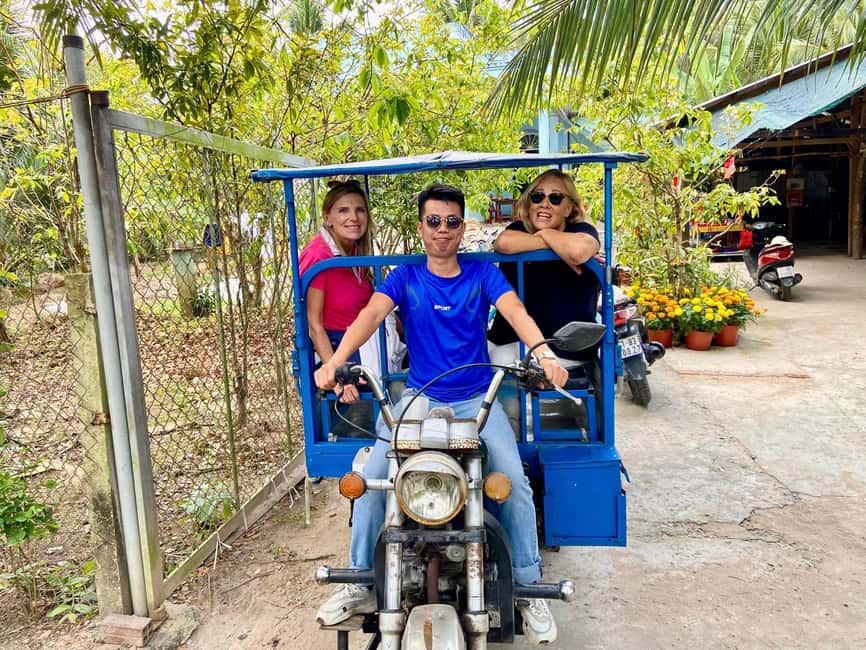
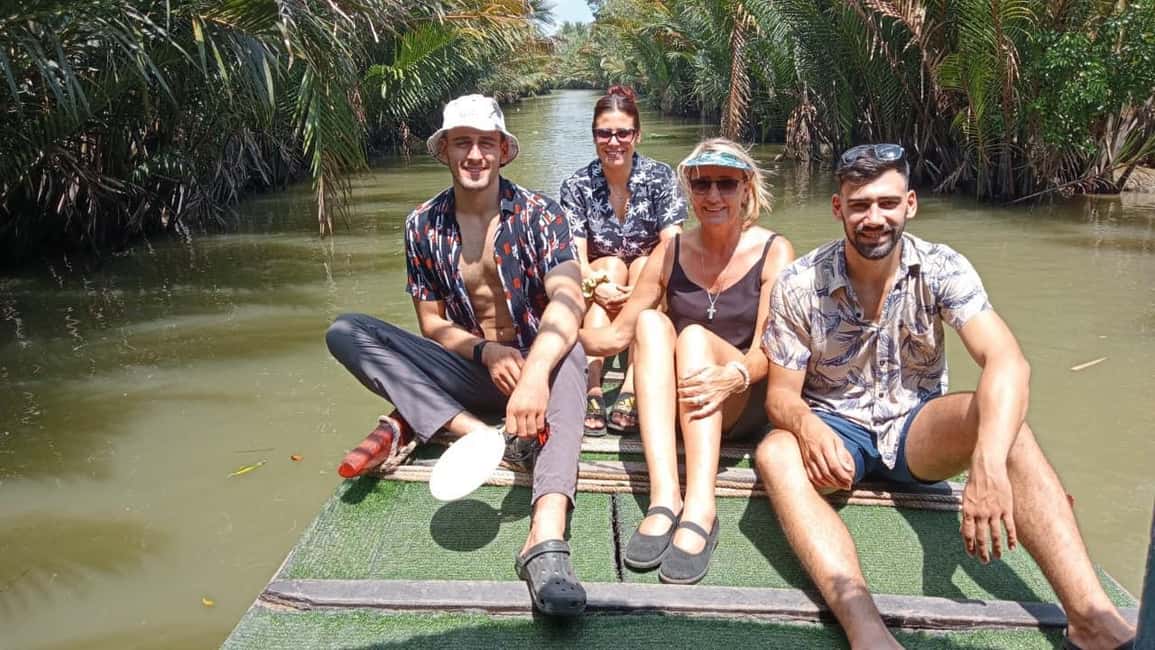
The Mekong portion includes navigation through tranquil canals, including a sampan ride experience. This is the moment where the day feels less like “activity hopping” and more like you’re moving through the same waterways locals use.
If the listing flags boat ride as not included, keep that in mind: the experience clearly includes time on the water, but your exact inclusions may vary. Before you go, check what portion is covered by your booking versus what might be paid onsite.
Either way, the vibe on the canals tends to be calmer than you’d expect. You’re not in a theme-park environment. You’re passing palms, canal edges, and riverside homes, and your guide helps connect what you see with how people live there.
The Sacred Islets: Dragon, Unicorn, Tortoise, Phoenix
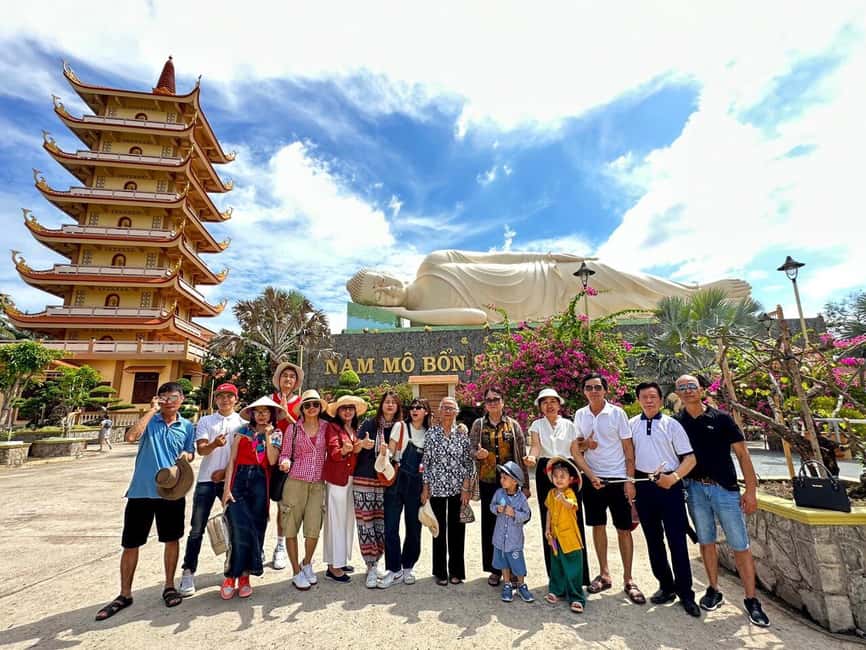
One of the highlights in the Mekong segment is visiting a sacred islet, chosen from the group of Dragon, Unicorn, Tortoise, and Phoenix. You’ll then get hands-on experiences and cultural moments that help break up the water time.
This is the part of the tour that you’ll feel in your body—walking, eating fruit, hearing music live, riding short distances by cart or boat. And because the islet is one of four options, it keeps the experience feeling flexible rather than cookie-cutter.
Đờn ca tài tử and Fruit Tasting: Culture You Can Actually Feel
Two culture-and-food stops are built into this day in a way that feels genuinely useful:
- Tropical fruit tasting, freshly picked from orchard gardens
- Live Đờn ca tài tử folk music performed by local musicians
I’m a big fan of when tours don’t just point at culture, but actually make you hear it. Đờn ca tài tử isn’t background noise here—it becomes part of why the stop feels special.
And the fruit tasting isn’t just a token plate. Fresh fruit matters on a hot day, and it also makes sense after time on rivers and canals—this is the Mekong’s job description: grow, harvest, share.
Coconut Candy or a Bee Farm: Small Workshops with Real Flavor
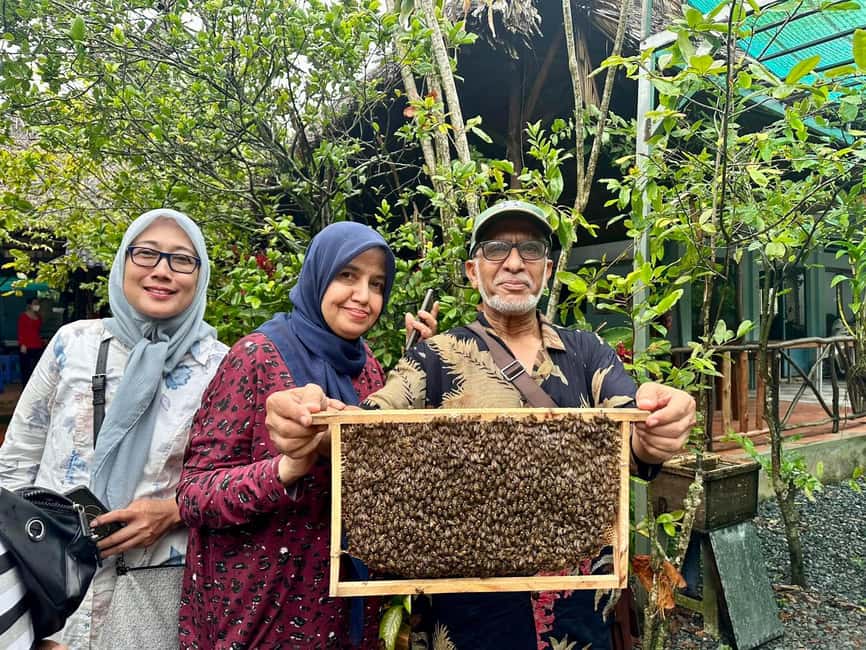
You’ll also visit a local workshop, which can be a coconut candy workshop or a bee farm for local treats (depends on the stop). This is one of those “small but memorable” moments.
Why it works: it turns sightseeing into flavor and product. You get a clearer picture of how villagers make goods using local ingredients—coconut-based sweets or bee-related treats—without needing a separate ticket to a market later.
If you’re the kind of person who likes bringing home edible souvenirs, these stops make that easy. You’ll already understand what you’re buying because you saw where the process happens.
Riverside Lunch: Fried Elephant Ear Fish and Friends
Lunch is served at a riverside garden restaurant with Mekong specialties. The meal is part of the value because you’re not left hungry between stops.
On the menu style side, you’ll likely see favorites such as:
- Fried elephant ear fish
- Spring rolls
- Sticky rice balls
I like this lineup because it covers different cravings: crispy and savory with the fried fish, snackable comfort with spring rolls, and a sweet-sticky finish with sticky rice balls. Eating by the water also helps you slow down for a moment, which you’ll appreciate after Cu Chi.
Value and Practical Cost: Is $44 a Fair Deal for One Day?
At $44 per person for a 1-day outing, the value depends on what you care about most—because this isn’t a “transport-only” tour. You’re paying for:
- Hotel pickup and drop-off in central Ho Chi Minh City
- An English-speaking professional guide
- Entrance tickets for Cu Chi and Mekong sites
- Lunch at a riverside restaurant
- Light snack at Cu Chi (tapioca and pandan tea)
- Cold towels and bottled water
- Fruit tasting and a live folk music performance
For a day that includes two major regions plus included admissions and a full lunch, this pricing can be very reasonable. The main place to watch is the list of extras that may apply, especially the optional shooting range and any clarifications around the Mekong boat ride.
Also, the tour supports a private group option. If you prefer fewer people and a more flexible pace, private can be worth considering even if you’re paying attention to the final total with any surcharges.
Who This Tour Fits Best (and Who Might Prefer Something Else)
This tour is a strong choice if you want a single day that covers big contrasts in Vietnam—war history and Mekong daily life—without needing to plan transfers yourself. It’s also a good fit for people who appreciate a guided explanation, because the tunnels especially benefit from getting the context in plain terms.
It may be less ideal if you:
- Don’t handle enclosed spaces well (tunnel time is real)
- Prefer a slower pace with fewer stops
- Want complete control over every boat and transport detail (some elements may be optional or paid separately)
If you’re traveling as a couple, with friends, or as a solo traveler who doesn’t want to navigate, the small-group or private group setup makes it easier.
Should You Book This Cu Chi Tunnels & Mekong Delta Day Trip?
I’d book this if your top goal is a meaningful, structured day that doesn’t leave you guessing. The Cu Chi side gives you the historical framing you need, plus tunnel access and a snack that connects to the setting. Then the Mekong side shifts into sensory, hands-on experiences—fruit, live folk music, rides, and a proper riverside lunch.
One reason I feel confident recommending it: when a guide is strong, the whole day clicks. In one recent experience, Tri was described as a top-notch guide who kept guests well informed and looked after throughout. That kind of guide quality matters a lot when the day includes intense historical content and multiple activity segments.
If you’re open to a packed day, and you’re curious about how Vietnam’s past shaped daily survival and how the Mekong carries on the daily rhythm now, this is a solid choice.
FAQ
What is the duration of the Cu Chi Tunnels & Mekong Delta tour?
The tour runs for one day.
Where does the tour pick you up in Ho Chi Minh City?
Hotel pickup and drop-off are available in central Ho Chi Minh City.
Is lunch included?
Yes. Lunch at a riverside garden restaurant with Mekong specialties is included.
What’s included at Cu Chi besides the tunnels?
You’ll have a short documentary context, you’ll explore the tunnels, and you’ll also get a light snack of boiled tapioca with pandan tea.
Is the shooting range experience included?
No. The optional AK-47 or M16 shooting experience is available onsite with a surcharge.
Does the Mekong Delta part include a boat or sampan ride?
The Mekong portion includes cruising and canal time, including a sampan ride experience, but the listing also notes Boat Ride as not included, so check what your booking covers.
What languages are available for the tour guide?
The tour guide can be available in English, French, Japanese, Chinese, German, Italian, and Spanish.
If you’d like, tell me your travel dates and whether you’re booking small group or private—I can help you think through timing and whether the optional shooting stop makes sense for your style of travel.