REVIEW · HO CHI MINH CITY
Vietnamese Homestyle Cooking Class in Ho Chi Minh City
Book on Viator →Operated by Hoa’s Kitchen-Vietnamese Homestyle Cooking Class · Bookable on Viator
Cooking class at home is a rare kind of travel memory. In Hoa’s Kitchen, you’re not just learning recipes—you’re learning the habits behind everyday Vietnamese cooking, with fresh ingredients and a step-by-step guide from Hoa herself.
What I love most is the warm, real-house vibe: you cook together in one shared kitchen setup, then sit down and eat what you made. I also like that the menu is designed to be re-created at home, with dishes picked to feel doable after your trip.
One thing to consider: there’s no pickup service. You’ll start at the meeting point on your own, and you’ll all cook the same menu together, so it’s less “choose-your-own” and more group kitchen rhythm.
In This Review
- Key Things to Know Before You Go
- A Homestyle Class at Hoa’s Kitchen: What the Warm Welcome Really Looks Like
- 3 Dishes You’ll Actually Want to Cook Again
- The Real-World Value of the Price (and What You Get for $38.63)
- District 6 Meeting Point: Why Starting on Your Own Matters
- Binh Tay Market Stop: An Optional Extra If You Want the Local Feed
- Cooking Together in One Home Kitchen: What the Shared Setup Teaches
- From Scratch Step-by-Step: How Hoa Keeps It Learnable
- What You’ll Likely Learn Through the Ingredients and Techniques
- The Meal Moment: Eating What You Made Together
- Who Should Book This Cooking Class
- Practical Tips So You Get the Most Out of the Class
- Should You Book Hoa’s Vietnamese Homestyle Cooking Class?
Key Things to Know Before You Go
- Hoa guides you from scratch, with clear step-by-step instruction so you’re not guessing
- 3 traditional dishes come from scratch, not premade shortcuts
- Homestyle, shared kitchen setup means one group flow, not separate stations
- Fresh, daily ingredients and no MSG are part of the promise for the dishes you’ll make
- Binh Tay Market can be added (market tour is offered on request with an extra fee)
A Homestyle Class at Hoa’s Kitchen: What the Warm Welcome Really Looks Like
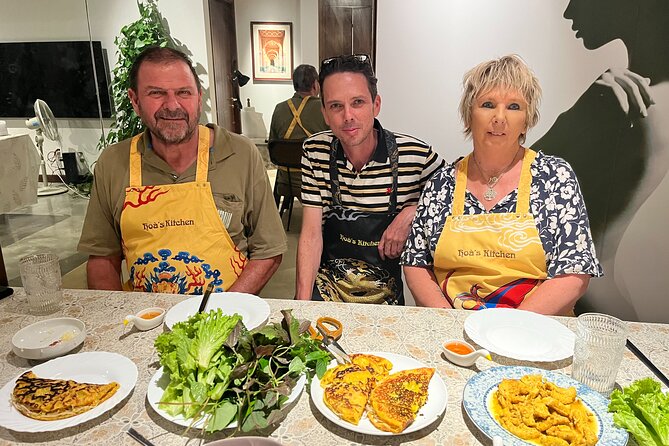
Hoa’s Kitchen is built around an idea you can feel immediately: Vietnamese food is made in families, not show kitchens. The goal of a homestyle class here is to give you that sense of being welcomed—like you’re learning from a local friend’s kitchen rather than a staged cooking studio.
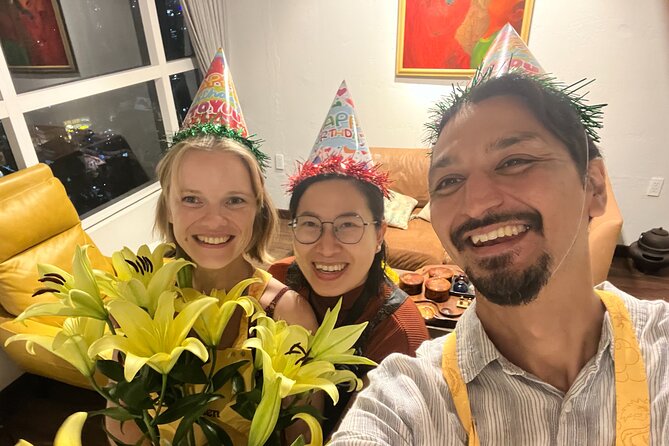
The tone of the class matters. You’ll start from the basics and get walked through the whole process. People tend to remember not only what they cooked, but the little moments around it—like the welcoming drinks and the relaxed chatting while you’re prepping.
And because it’s a home-style setup, the pace is practical. You’re learning how to manage ingredients and timing together, the way a family kitchen would actually run on a normal day.
You can also read our reviews of more city tours in Ho Chi Minh City


3 Dishes You’ll Actually Want to Cook Again
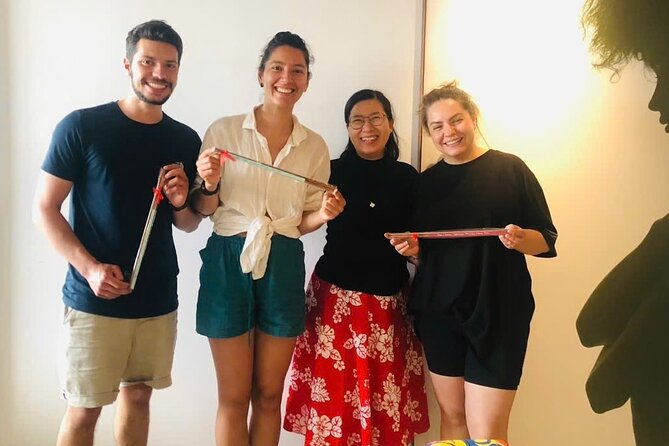
The best cooking classes help you leave with more than photos. This one is designed so you can re-create the dishes at home, because the dishes chosen are meant to be easy-made outside Vietnam.
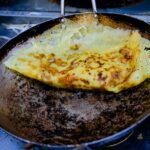
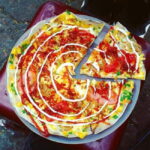
You’ll prepare three traditional Vietnamese dishes from scratch during the lesson. That’s a sweet spot: enough variety to learn different techniques (think chopping, mixing, cooking, and assembling), but not so much that the class becomes rushed.
A key detail is the ingredient approach. The class promises no MSG and focuses on daily fresh ingredients. Even if you don’t cook often, learning how flavors build without MSG teaches you what to taste for—salt balance, herb fragrance, and the right sour-sweet balance that shows up in many Vietnamese dishes.
What’s also smart here is the intent behind the menu. It’s not just about authenticity for its own sake. The dishes are selected with home cooking in mind, so the lesson is usable after you return.
The Real-World Value of the Price (and What You Get for $38.63)
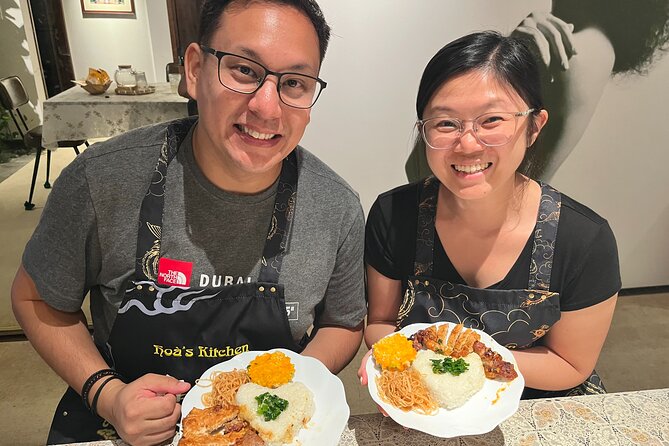
At $38.63 per person for about 3 hours, this class sits in the category of paid experiences that should include more than instruction alone. Here, you’re getting instruction, ingredients, and a shared meal at the end—so it’s not only a cooking class. It’s also a chance to eat what you cook while learning the reasoning behind the steps.
Also pay attention to the group size: it’s capped at a maximum of 6 travelers. Smaller groups usually mean more personal attention and fewer moments where you’re just waiting for someone else’s turn.
One “value trade” to note: you’re cooking the same menu together in a shared home setup with no separate station per guest. That keeps the experience cohesive, but it also means you won’t have your own dedicated counter and setup. If you’re hoping for individualized cooking time for each person, you may find the shared pace a little less flexible.
District 6 Meeting Point: Why Starting on Your Own Matters
This class does not offer pickup. You’ll meet at Lucky Palace Wholesales Market and Luxury Apartment, 50 Đ. Phan Văn Khỏe, Phường 2, Quận 6, Thành phố Hồ Chí Minh.
You’ll want to plan your arrival so you’re not rushing. The meeting point being near public transportation is helpful—so if you’re using Grab or local transit, you can usually get there without drama. Still, it’s on you to be there on time.
The good news: the tour starts and ends back at the meeting point. That simplifies your evening plans. You won’t need to coordinate transport at the end beyond getting yourself back out.
Bring your mobile ticket, too. It’s one less paper thing to manage in a busy city.
Binh Tay Market Stop: An Optional Extra If You Want the Local Feed
The experience includes a Binh Tay Market stop as part of the plan. Market time can be a big part of cooking classes because ingredients have stories—what’s fresh, what looks best, what Vietnamese shoppers actually choose.
Here’s the practical twist: a market visit is offered as requested with an extra fee. So you can treat the Binh Tay Market portion in two ways:
- If you want a deeper ingredient-and-street-food feel, ask about adding the market tour.
- If you’d rather spend more time learning to cook, you can likely keep it simpler.
Either way, the market is a strong context clue. Even if your market add-on is short, seeing how people shop for herbs, produce, and pantry items helps you understand how Vietnamese flavors build.
You can also read our reviews of more cooking classes in Ho Chi Minh City

Cooking Together in One Home Kitchen: What the Shared Setup Teaches
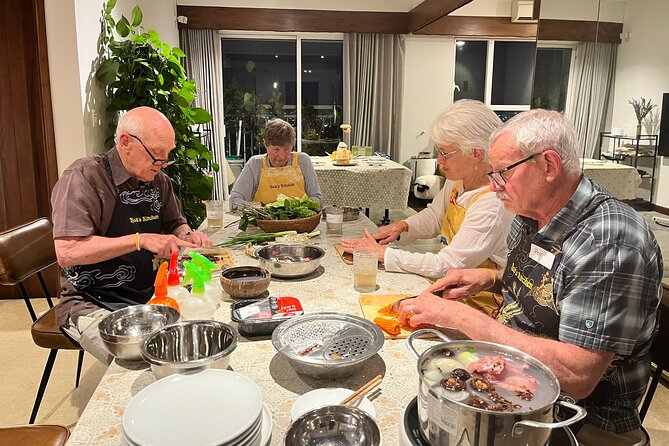
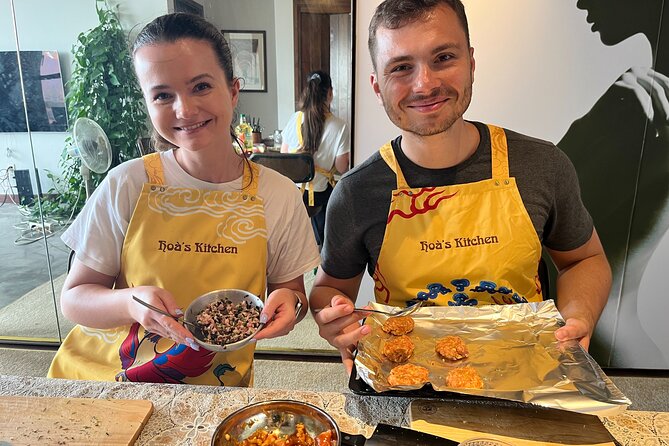
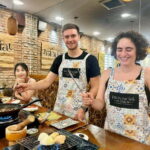
The class uses a “together” model. You’ll cook the same menu alongside everyone else, and there’s no separate station for each guest.
This is more important than it sounds. In shared kitchen setups, you learn teamwork in a real way—who chops first, who stirs, how timing changes when one ingredient needs attention while another finishes cooking. Vietnamese home cooking often depends on that rhythm.
The upside is that the cooking feels social. People often mention chatting with the guide while working—because you’re not hidden behind your own workstation. You’ll likely find it easier to ask questions and get real-time tips.
The downside: you might not control every moment of the workflow. If you prefer highly structured, solo instruction, you may want to pair this with another more individual experience. But for most people, this shared approach is exactly what makes the class feel authentic.
From Scratch Step-by-Step: How Hoa Keeps It Learnable
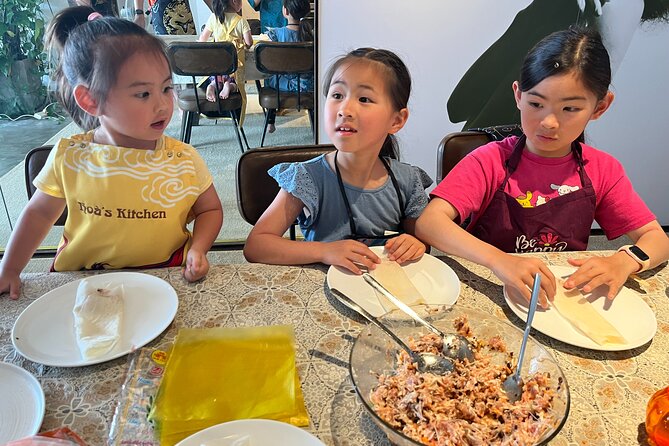
The class starts from scratch, and the instruction is built around guiding you step-by-step through the entire cooking process.
This matters because Vietnamese cooking can look complicated on screens. In real life, it’s often about a series of simple moves done in the right order: prep ingredients cleanly, heat pans correctly, balance sauces, and adjust flavors at the end.
Hoa’s role is to connect the steps to outcomes. You’re not just told what to do—you’re guided toward getting the best results with your ingredients. That’s the difference between following a recipe and understanding how the dish comes together.
Also, a standout theme from the experience is patience. People describe Hoa as kind and helpful, explaining each step in detail. That’s huge if you’re not a confident cook or if you’re cooking with limited kitchen experience.
What You’ll Likely Learn Through the Ingredients and Techniques
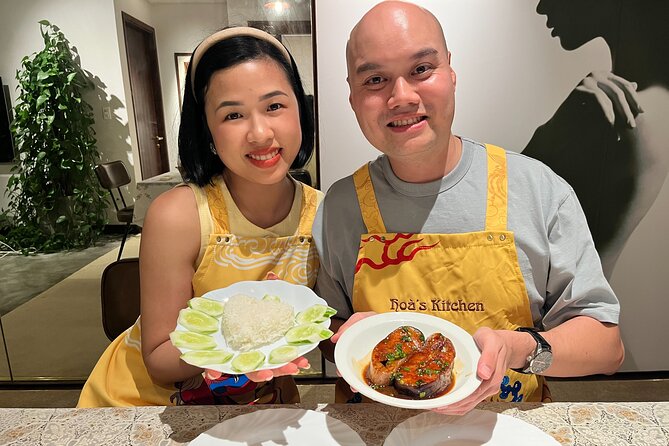
Even without a dish list in front of you here, the structure of the class tells you what skills you’ll build. Since you’re making three dishes from scratch, you’ll almost certainly touch several core Vietnamese home-cooking elements:
- Herb-forward flavor building: learning how herbs and aromatics show up, not just as garnish
- Balance in sauces: understanding how sweet, sour, salty, and savory move together
- Heat management: getting the right cooking stage so textures stay Vietnamese
- Timing and staging: working multiple steps while keeping everything tasting fresh
- Taste adjustment at the end: learning why final tweaks matter more than exact measurements
A detail worth remembering: the class emphasizes daily fresh ingredients and no MSG. That pushes you to rely on real flavor, not an all-purpose shortcut. It’s the kind of lesson that makes you better at cooking overall, not only better at copying one recipe.
The Meal Moment: Eating What You Made Together
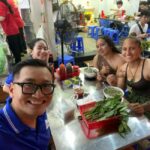
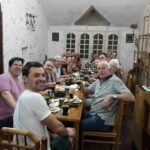
After you finish cooking, you’ll sit down together to enjoy your home-cooked Vietnamese meal.
This is not a throwaway ending. The meal is where you connect instruction to results. You’ll see if the flavors were balanced the way you expected. You’ll also notice texture differences that are hard to learn from watching videos.
There’s also a social feel here. People describe nice conversation during prep, which means you’re learning in a human way, not just standing at a counter.
And you’re likely to appreciate the drinks. Hoa’s kitchen welcomes you with coffee and/or tea, and some people specifically mention an ice-cold homemade lemongrass tea at the start. That kind of start changes the mood right away—it makes the cooking feel like part of hospitality, not a task.
Who Should Book This Cooking Class
This is a good fit if you want practical Vietnamese cooking skills and a homey experience, not just a food show.
You’ll probably love it if:
- you like hands-on learning and want to cook more confidently at home
- you care about ingredient quality—fresh and MSG-free is part of the promise
- you enjoy conversational, friendly guides in a small group
- you’re traveling with friends or family and want a shared activity
It also seems to work for multi-generational groups. One class mention involved grandchildren aged 9 and 11, suggesting it can be a fun educational activity for kids old enough to handle cooking steps comfortably with supervision.
You might consider another option if:
- you want pickup service and minimal logistics
- you need private, separate workstations for each person
- you’re looking for a faster, more independent cooking pace rather than a shared kitchen flow
Practical Tips So You Get the Most Out of the Class
A few small decisions can make your 3 hours smoother:
- Plan your arrival early since there’s no pickup. Being a few minutes early helps you start calm.
- Wear comfortable shoes if you’re going to any market area—movement and standing can add up.
- Ask questions as you cook, especially about flavor balance. That’s where the lessons usually stick.
- Take notes or photos of key steps if you can—especially sauce stages and final tasting adjustments. The menu is meant to be recreated at home, so you’ll want reference points.
And don’t underestimate the meal ending. If you arrive hungry, you’ll appreciate the food more, and the learning will feel more satisfying.
Should You Book Hoa’s Vietnamese Homestyle Cooking Class?
If your goal is to learn Vietnamese cooking in a friendly, real-house way—with three dishes from scratch, a small group feel (up to 6), and MSG-free fresh ingredients—then yes, I think you should book it.
The only reasons to pass are mostly about logistics and style: no pickup, and you’ll be cooking the same menu together with a shared setup rather than a private station. If you’re comfortable meeting yourself and enjoying a group kitchen rhythm, this is the kind of experience that can teach you how to cook, not just what to cook.
If you want a single memorable food moment in Ho Chi Minh City that turns into something you can repeat at home, this is a solid choice.