REVIEW · HO CHI MINH CITY
Coffee Workshop in Ho Chi Minh City: Discover the art of coffee
Book on Viator →Operated by iO Specialty Coffee · Bookable on Viator
A great cup starts with this. This hands-on Coffee Workshop in Ho Chi Minh City walks you through Vietnamese coffee from picking cherries to brewing with a traditional phin filter. I like the way the class treats coffee like a craft you can measure—processing, roasting levels, and tasting side by side—plus the chance to actually handle green beans and work the phin filter at the end. One thing to keep in mind: the course can get technical, and one participant noted the instructor’s English was hard to follow for very detailed espresso-style questions.
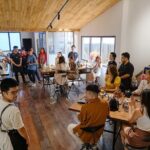
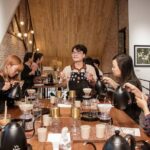
With just up to 15 people (and sometimes smaller), you’ll get more attention than you would at a casual café tasting. Instructors I’ve seen mentioned, like Chris and Danny, focus on clear steps and patient guidance, and they adapt when the group is small.
In This Review
- Key Things to Know Before You Go
- District 7 Meeting Point: Starting With Local Coffee Culture
- The 2-Hour Flow: What You’ll Do From Cherries to Your Cup
- Farming and Processing: Harvest, Cherry Structure, and Bean Selection
- Roasting Practice and Roast-Level Comparisons
- Cupping Samples: Taste Like a Pro, Without the Stress
- Brewing Vietnamese Phin Coffee: The Signature Skill
- Teaching Style: Small Group Attention and Real Feedback
- Price and Value: Is $71 Fair for This Much Coffee Work?
- Who Should Book This Coffee Workshop
- Should You Book This Coffee Workshop in Ho Chi Minh City?
- FAQ
- How long is the coffee workshop?
- How much does it cost?
- How many people are in the class?
- What do I do during the workshop?
- Is a mobile ticket used?
- Where does the workshop start?
- Is confirmation provided after booking?
- Is there free cancellation?
- Are service animals allowed?
Key Things to Know Before You Go
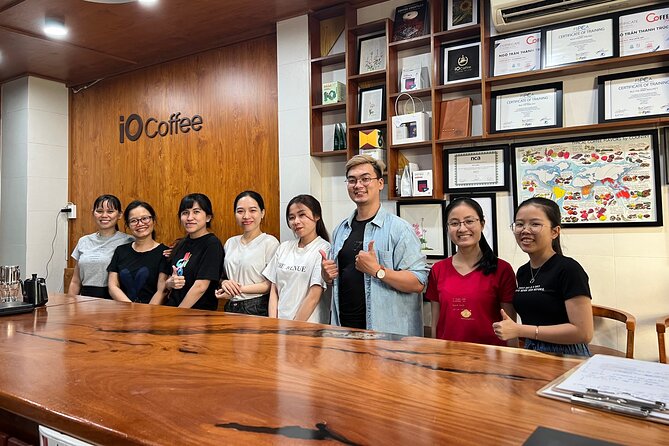
- A farm-to-phin format: coffee harvesting and processing, then roasting, cupping, and brewing in one sitting.
- Traditional phin brewing included: you don’t just taste Vietnamese coffee—you learn how to make it.
- Small group size: capped at 15 travelers for a more personal pace.
- Hands-on roasting and tasting: you’ll experience multiple roast levels and compare flavors.
- Green bean sorting practice: you’ll learn how to avoid defective beans before brewing.
District 7 Meeting Point: Starting With Local Coffee Culture
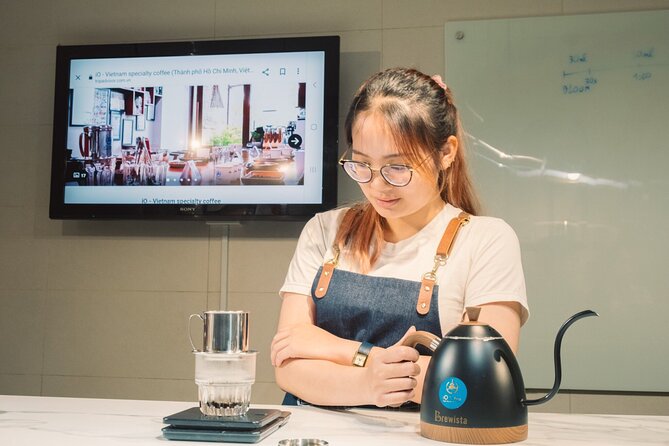
This class meets in District 7, at the Signature M7 complex (Lobby Block A), in the Phú Mỹ Hưng area. If you’re staying elsewhere in the city, plan a little extra time to get there, since District 7 can mean one or two transfers depending on where you are.
The session runs about two hours, and you’ll come back to the same meeting point when it ends. It’s also set up with a mobile ticket, so you can keep things simple on your phone.
You can also read our reviews of more city tours in Ho Chi Minh City


The 2-Hour Flow: What You’ll Do From Cherries to Your Cup
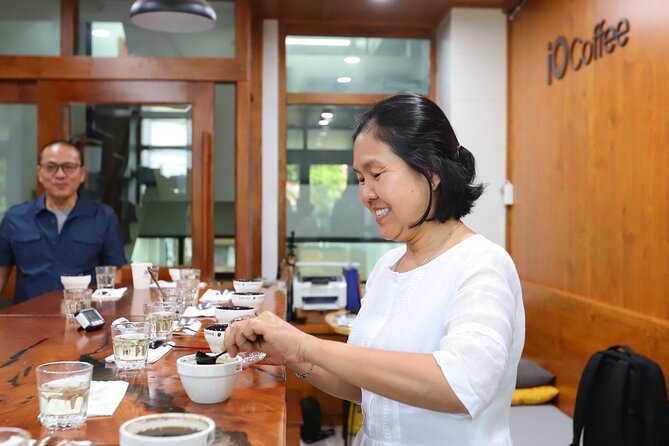
The workshop is built around the idea that Vietnamese coffee is not one thing—it’s a chain of choices. You’ll move through four stages: farming/processing, roasting, cupping, and brewing. It’s the sort of structure that helps you stop guessing why a cup tastes the way it does.
If you already like coffee, you’ll probably enjoy the hands-on parts most: peeling, sorting, roasting, and comparing samples. If you’re new to Vietnamese coffee, the pacing helps you learn without getting lost in a history lecture.
Farming and Processing: Harvest, Cherry Structure, and Bean Selection
The first part is about how coffee cherries become green beans. You’ll learn the harvesting process and what ripe cherries look like. There’s also a small demonstration of three different coffee processing methods, which matters because processing can change flavor even before roasting happens.
Then comes a practical skill: sorting green beans. You’ll learn how to distinguish lower-quality coffee and how to personally select green beans to remove defective ones. That’s a real value-add for anyone who buys beans and wonders why quality seems random—this is where many issues start.
One detail I like here: the class doesn’t treat “good coffee” as a marketing term. It frames quality as something you can identify earlier in the chain. That makes the rest of the workshop click.
Roasting Practice and Roast-Level Comparisons
Next you’ll get hands-on roasting. You’ll experience three roasting levels and learn how the roast changes what you taste. This is where coffee becomes less mysterious and more repeatable.
You’ll also get to notice your own preferences. Not everyone likes the same profile—some people want brighter cups, others prefer deeper, darker notes. By tasting roast levels side by side, you can start building your own “default settings” in your head for what you want next time you buy or brew.
If you’re a serious coffee person, you might find this section satisfies that technical itch. The workshop is set up with enough structure that one participant described it as very scientific, designed for people who care about the technical side of brewing. That can be a plus, as long as you’re comfortable with a slightly technical classroom style.
Cupping Samples: Taste Like a Pro, Without the Stress
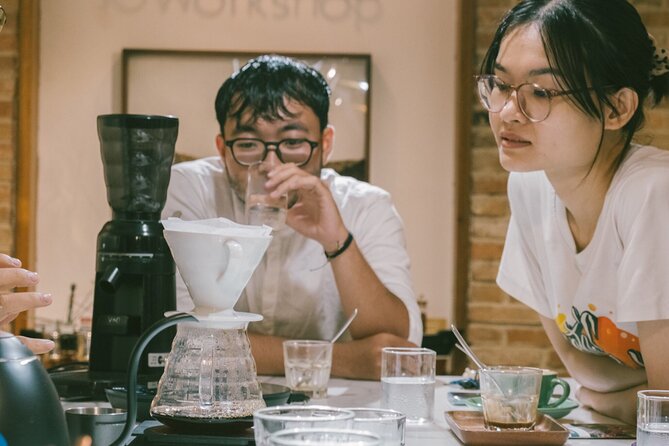
In the cupping portion, you taste coffee across the roast levels you just worked with. Cupping is a simple skill, but it’s also where you learn to compare rather than just enjoy.
This is also the part that helps you learn what to pay attention to. Even if you don’t use the same exact language as a coffee professional, you’ll come away with a clearer sense of how roasting level shifts aroma and flavor.
If your goal is to bring home usable knowledge, cupping is what turns “I liked that” into “I know why I liked that.” That’s why the workshop includes it instead of only doing a tasting at random.
You can also read our reviews of more tours and experiences in Ho Chi Minh City
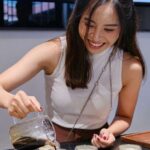
Brewing Vietnamese Phin Coffee: The Signature Skill
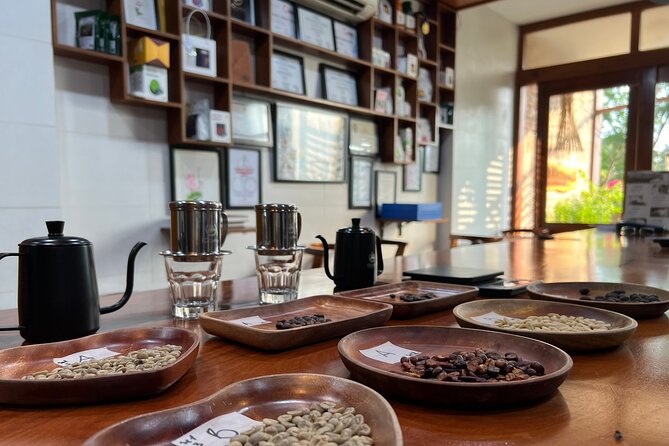
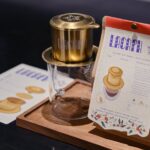
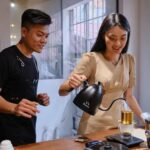
The final segment focuses on brewing Vietnamese coffee with a traditional phin filter. You’ll learn the history behind phin coffee in Vietnam, then you’ll brew an authentic cup using the fine Robusta style highlighted in the class.
Why this matters: Vietnamese coffee culture is strongly associated with Robusta, and the phin is a distinct brewing method that changes extraction and intensity compared with many international brewers. You’re not just copying a recipe—you’re learning the method so you can reproduce it later at home.
When you brew your own cup here, you also learn timing and flow—how long the coffee takes to drip, how you can adjust variables, and what “done” looks like. That turns the tasting into a skill, not just a souvenir moment.
Teaching Style: Small Group Attention and Real Feedback
Because the class is capped at 15, it tends to feel less like a show and more like instruction. In one instance, an instructor (mentioned as Chris) was able to adapt the course to only one participant and provide more personalized guidance. That’s a good sign if you want Q&A time instead of rushing through the steps.
Danny is another instructor name that came up, described as kind and patient during explanations. That personality matters in a workshop like this—coffee steps can feel fussy, and you want someone who won’t rush you when you ask what you’re doing.
One caution from an earlier experience: if you’re expecting very clear English for highly technical espresso topics, you might find the communication challenging. If you’re the kind of person who asks about pressure curves, grind size in microns, or recipe math, consider whether you’re comfortable translating on the spot.
Price and Value: Is $71 Fair for This Much Coffee Work?
At $71 for about two hours, you’re paying for instruction plus multiple tasting and hands-on activities. What makes the price feel reasonable is that you’re not just sampling coffee—you’re practicing the chain that creates the cup.
You get:
- demonstrations of processing methods
- hands-on green bean selection
- hands-on roasting at three roast levels
- cupping comparisons
- brewing Vietnamese phin coffee yourself
If you’d normally spend money on a guided tasting plus extra equipment or a separate workshop for brewing, this bundle is a convenient way to learn fast. It’s also easier to replicate the method at home because you leave with practical steps for the phin process.
Who Should Book This Coffee Workshop
I’d put this in the “coffee people” category—especially if you’re curious about Robusta and want more than a tourist-friendly tasting. It’s also great if you like learning by doing and you want a small group setting.
Book it if:
- you want to understand why coffee tastes the way it does
- you’re interested in Vietnamese Robusta and phin brewing
- you like hands-on roasting and tasting instead of passive listening
Consider skipping or adjusting expectations if:
- you want a casual café-style class with minimal technical talk
- you rely on very precise espresso jargon and you’re sensitive to language clarity
Should You Book This Coffee Workshop in Ho Chi Minh City?
Yes, if your idea of a good day is learning by touch, smell, and taste—then finishing by brewing your own Vietnamese coffee at the phin. The small group cap and the fact that you do multiple stages (processing, roasting, cupping, brewing) give it strong value.
If you’re mainly looking for a quick coffee stop to check something off, you may find it more work than you expected. But for anyone who wants real skill—especially Vietnamese phin brewing—this is an efficient, practical way to level up in a couple hours.
FAQ
How long is the coffee workshop?
It runs for about 2 hours.
How much does it cost?
The price is $71.
How many people are in the class?
The workshop is limited to a maximum of 15 travelers.
What do I do during the workshop?
You’ll learn about harvesting and processing, experience roasting at multiple levels, do tasting/cupping sessions, and brew Vietnamese coffee using a traditional phin filter.
Is a mobile ticket used?
Yes, the experience includes a mobile ticket.
Where does the workshop start?
The start point is The Signature M7, Lobby Block A & Block B in Phú Mỹ Hưng, District 7, Ho Chi Minh City.
Is confirmation provided after booking?
You should receive confirmation at the time of booking.
Is there free cancellation?
Yes. You can cancel for a full refund up to 24 hours in advance. If you cancel less than 24 hours before the start time, the amount paid is not refunded.
Are service animals allowed?
Yes, service animals are allowed.