REVIEW · HO CHI MINH CITY
Cooking Class with Ben Thanh Market visit
Book on GetYourGuide →Operated by Saigon Cooking Class · Bookable on GetYourGuide
Ben Thanh Market plus cooking class is a great combo. You start at the Cua Tay gate with a chef-led shopping walk, then head by taxi to cook and eat a 3-course Vietnamese meal together. Two things I’d call out right away are the chance to learn ingredients in context, and the fact that the class teaches by doing, not just watching. One watch-out: the cooking timeline can feel fast if you like to go step-by-step slowly, so bring a curious pace and stay focused.
The day runs smoothly from morning market hunting to hands-on station work. You’re taught in Vietnamese and English (and the teaching quality gets real praise, including chefs like Chef Ly, Chef Oanh, and guides such as Wan and Thao), and you’ll cook with your own equipment. One drawback to consider: pickup and drop-off aren’t included, so you’ll need to get yourself to the meeting point on time.
And yes, the kitchen follows a clear rule. No MSG and no Knorr powders are allowed, which matters if you care about clean flavor and learning seasonings that you can recreate later. If you’re vegetarian or have allergies, the menu can be adapted—just tell them in advance.
In This Review
- Key takeaways before you go
- From Ben Thanh to the Kitchen: The 4-Hour Game Plan
- Meeting at Ben Thanh’s Cua Tay Gate (and what to do first)
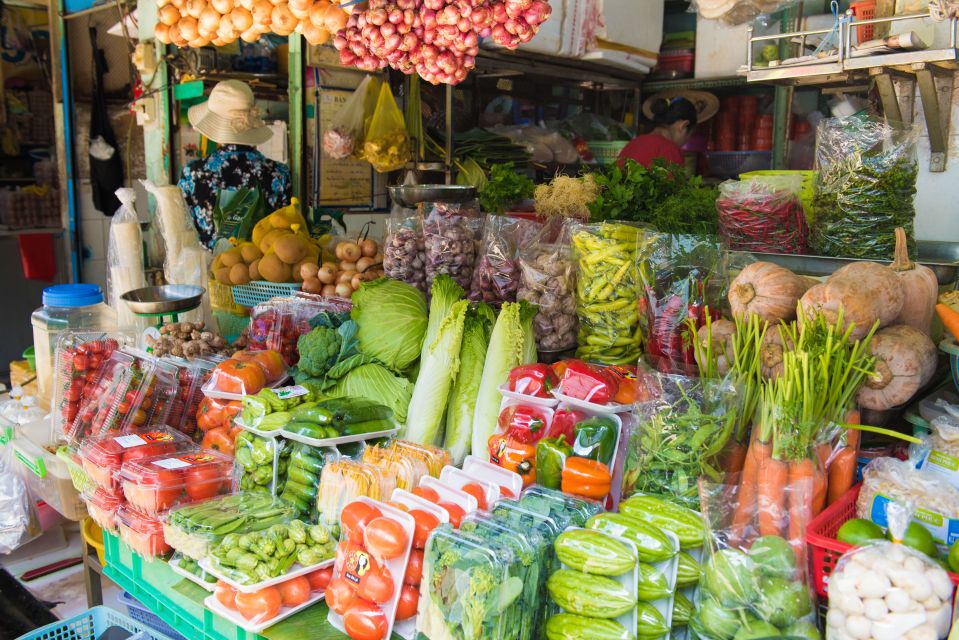
- Ben Thanh Market shopping with your chef: how it actually helps you cook
- Taxi back to the kitchen: why the schedule feels worth it
- Hands-on cooking from 10:00 to 1:00: what your class feels like
- Your 3-course Vietnamese meal: and why the no MSG rule matters
- Vegetarian and allergy adaptations: ask early, and you can still join
- What you get to take home: the digital recipe book
- Price and value: what $45 buys you in Saigon
- Who should book this, and who might prefer something else
- Quick practical tips before your morning starts
- Should you book the Ben Thanh market cooking class?
- FAQ
- Where do I meet the chef?
- What time does the market visit start and end?
- How long is the cooking class?
- What’s included in the price?
- Does the class accommodate vegetarian diets or food allergies?
- Is MSG or Knorr powder used?
- What languages are the instructor(s) speaking?
- Are there options for free cancellation or paying later?
Key takeaways before you go
- Chef-led Ben Thanh Market shopping with practical ingredient pointers (not just a stroll)
- Taxi to the cooking kitchen included, so you don’t waste time figuring out transport
- Hands-on 3-course cooking where each person has their own equipment and ingredients
- No MSG / no Knorr powders for a more authentic, less processed flavor approach
- Digital recipe book so you can repeat the dishes at home
- Vegetarian and allergy options available when you notify them ahead of time
From Ben Thanh to the Kitchen: The 4-Hour Game Plan
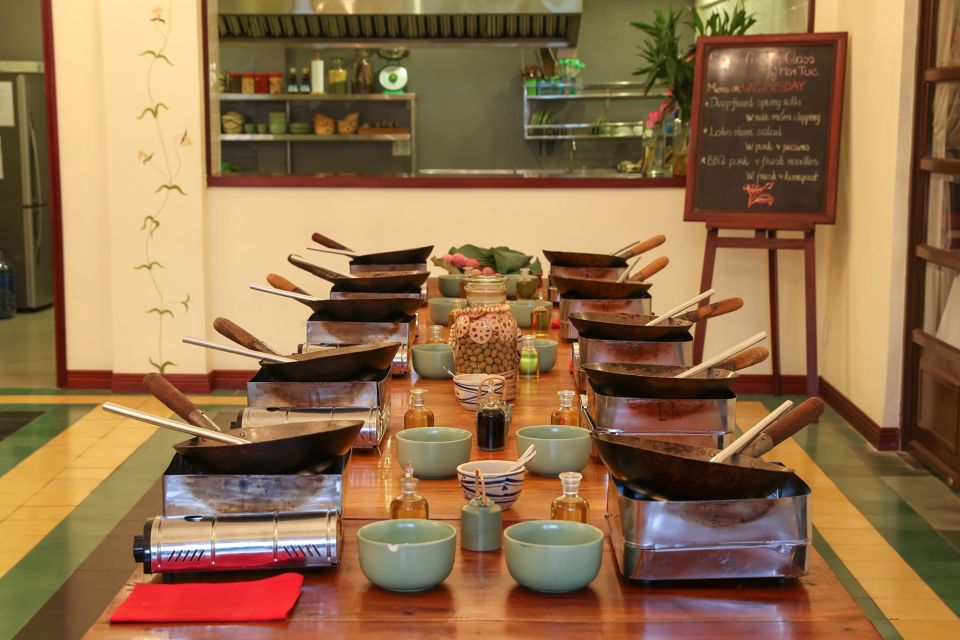
This experience is built around a simple flow: buy the right ingredients, then cook them the same morning. It runs about 4 hours total, with the market portion from 9:00 AM to 9:50 AM, and the cooking class from 10:00 AM to 1:00 PM. That timing is nice because you’re not waiting all afternoon for the meal—your shopping and cooking are linked.
Right after the market, your chef brings you back to the kitchen by taxi. That matters in Saigon traffic because it keeps the schedule tight and protects the cooking start time. It also means you’re not lugging bags of ingredients around for long.
You’ll also end right back at the meeting point. So you get a full morning experience without the “where do I go next?” stress afterward.
You can also read our reviews of more shopping tours in Ho Chi Minh City



Meeting at Ben Thanh’s Cua Tay Gate (and what to do first)
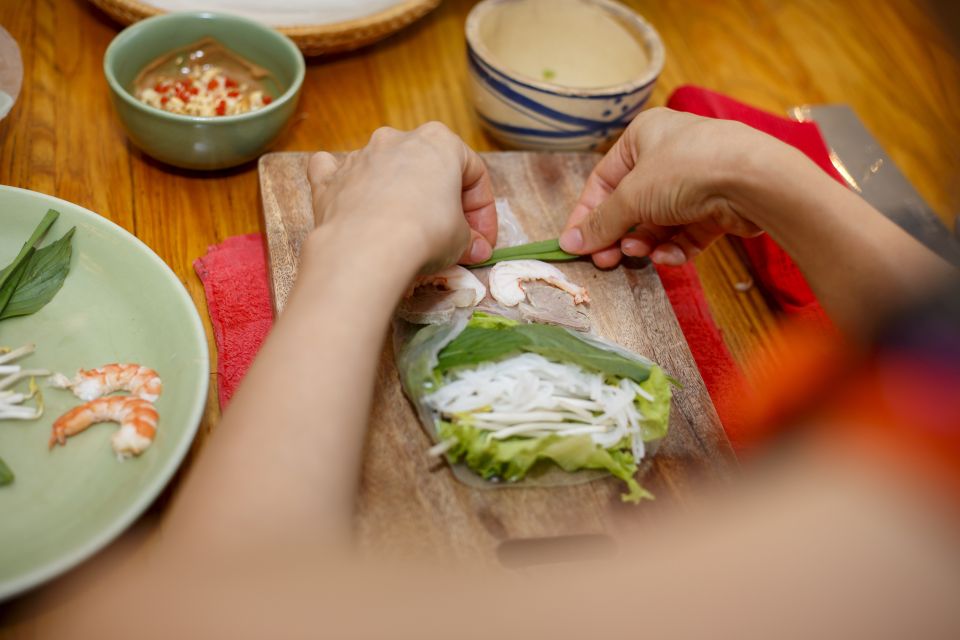
You meet at 9:00 AM at the Cua Tay gate of Ben Thanh Market, on Phan Chu Trinh Street. Look for the chef wearing a Saigon Cooking Class t-shirt—that’s your easiest orientation tool when the market is busy.
I like this meeting setup because it’s very specific. Ben Thanh is famous and packed, but having a particular gate and street helps you avoid wandering at the start. If you’re arriving early, it’s worth taking a minute to locate that gate so you can settle in before the group starts.
Also, plan on being ready to ask questions. The market tour isn’t just sightseeing; the chef is there to guide you through what matters in Vietnamese cooking—ingredients, forms, and how they’re used once you get to the kitchen.
Ben Thanh Market shopping with your chef: how it actually helps you cook
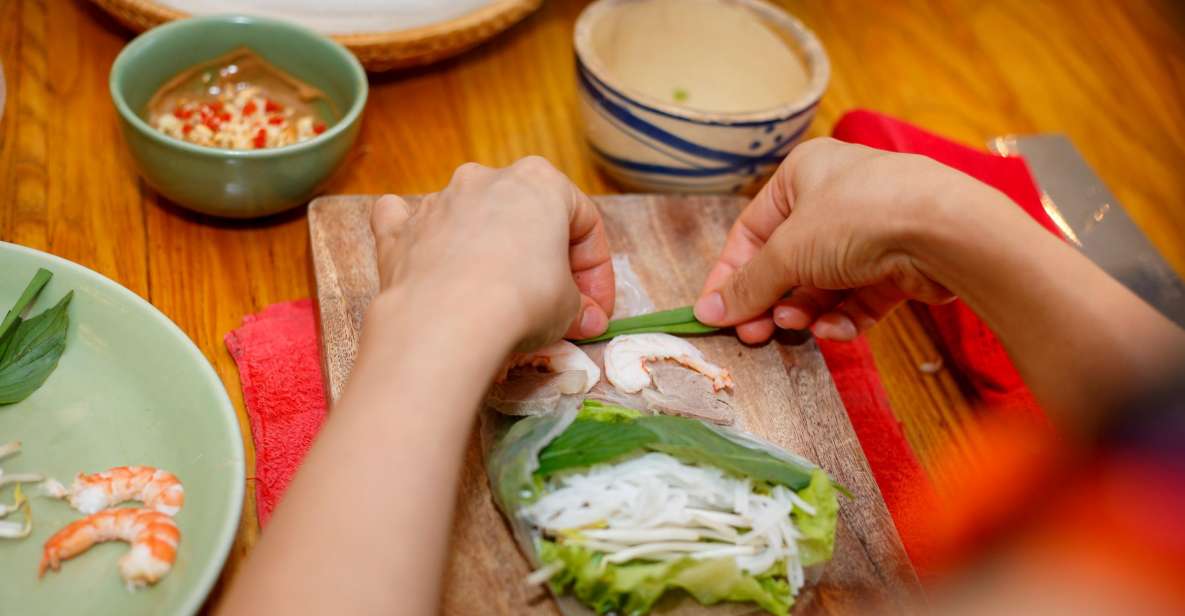
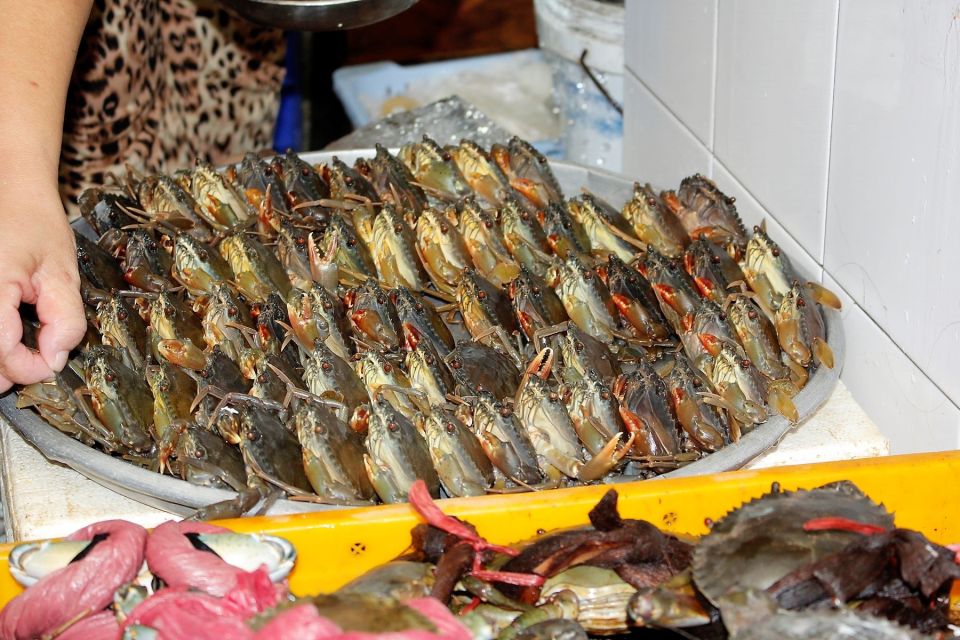
The market portion is designed as ingredient shopping with context. You follow your chef through Ben Thanh’s stalls to pick what you’ll need for your lesson, and you’ll learn what each ingredient is for. Instead of treating Vietnamese food like a mysterious flavor code, the chef turns it into practical choices you can repeat.
One of the most praised parts of the experience is the way the chef talks through the food you’ll be cooking later. Guides like Wan and Thao have been called out for their humor and clear teaching, which can make the market stop feel less formal and more like a guided conversation. And chefs such as Li have been noted for explaining how different vegetable varieties are used.
Here’s what this means for you: shopping with a chef helps you understand how ingredients differ, not just what they are. That’s the difference between eating Vietnamese food and being able to cook it. Even if some items aren’t “rare,” knowing the right type, freshness cues, and intended role can change your final dish.
A practical consideration: the market is active and sometimes hectic. Wear comfortable shoes and keep your hands free for close-up looking, because you’ll likely be guided to specific stalls and product forms.
Taxi back to the kitchen: why the schedule feels worth it
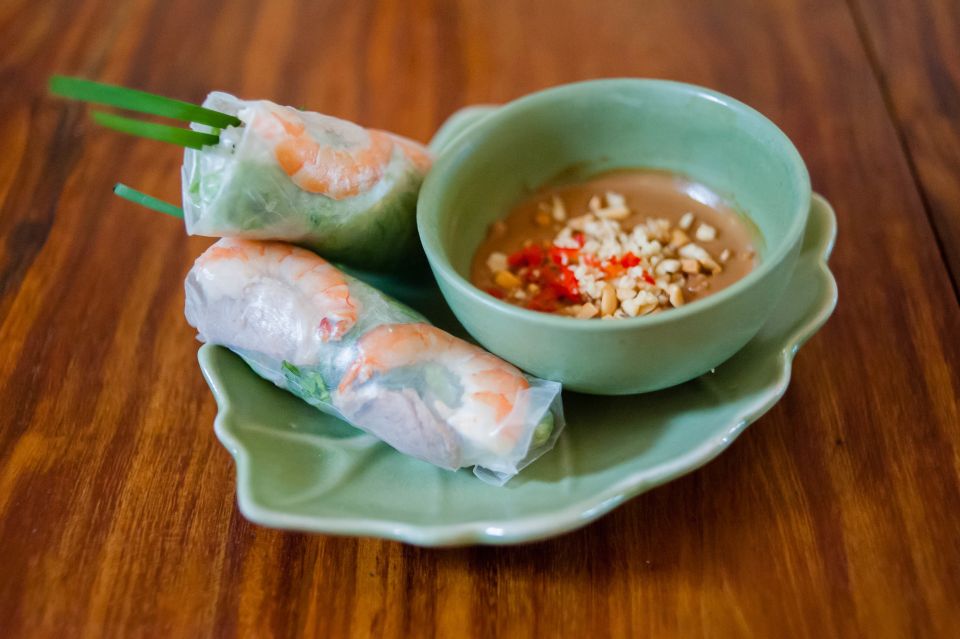
At 9:40 AM, your chef taxis you back to start cooking at 10:00 AM. The timing is tight on purpose. It prevents that common cooking-class problem where you feel separated from the ingredients you just bought.
This also means you’ll have less time for market “distractions” to eat the schedule. You get one focused shopping block, then you switch into active cooking mode.
If you’re the type who likes to understand how ingredients transform, this back-to-back structure is a big win. You’re not relying on memory by the time you start chopping and seasoning—you’re still in the ingredient mindset.
Hands-on cooking from 10:00 to 1:00: what your class feels like
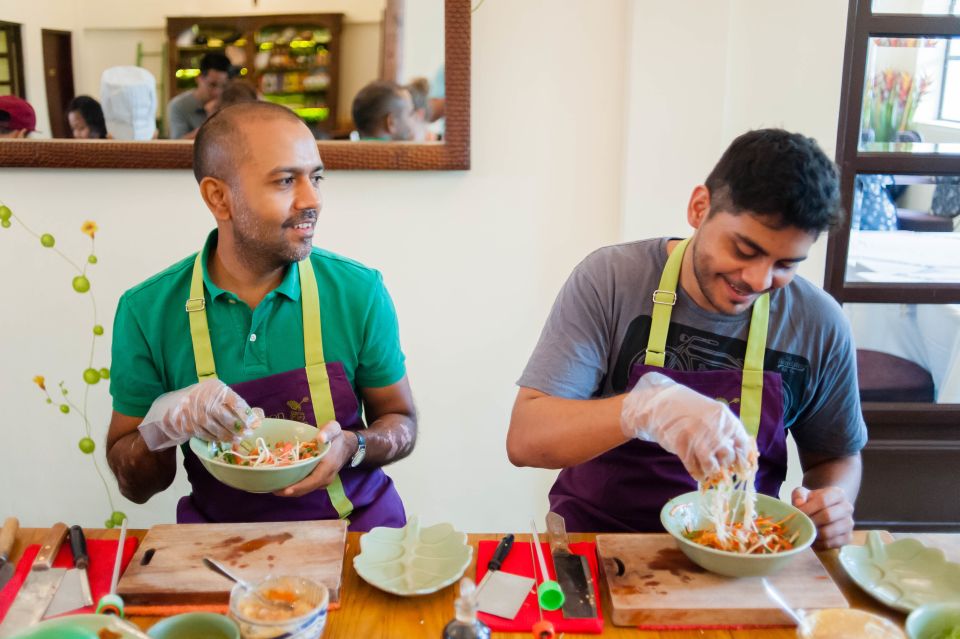
The cooking class is hands-on and built around step-by-step instruction. Participants cook together, following the chef’s guidance. The best part for first-timers is that each person has their own equipment and ingredients, so you’re not just observing from the sidelines.
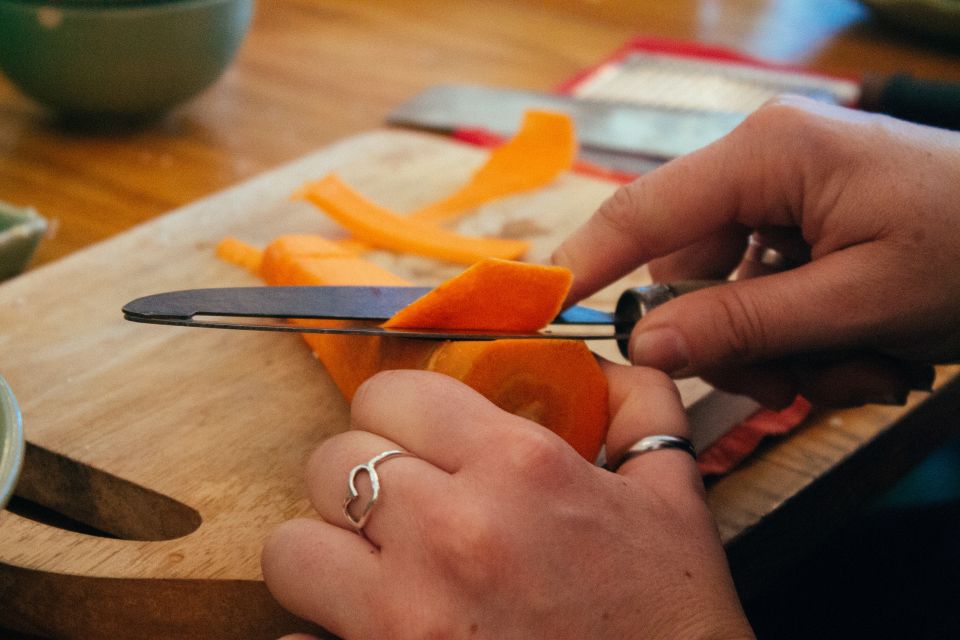
One helpful detail: there’s a mix of preparation and hands-on work. Some prep is handled by staff (like portioning ingredients), so you’re not spending the whole morning doing logistics. But the cooking itself is still yours—stirring, chopping, assembling, and learning the sequence.
Pace is the one area you should be aware of. Some people felt the chef could be a bit quick during certain steps. If you know you learn best when you can slow down and repeat, ask questions when a step changes. In a class with multiple people, it’s normal for teachers to move to keep everyone on track, so you’ll do best by staying mentally present.
In terms of teaching quality, the English gets real credit. Chef Ly has been highlighted for strong English, and Chef Oanh has been praised for being patient and thorough even with mixed ages and learners whose first language isn’t English. That’s a good sign if you’re nervous about language barriers—this isn’t a “just watch and hope” setup.
You can also read our reviews of more tours and experiences in Ho Chi Minh City




Your 3-course Vietnamese meal: and why the no MSG rule matters
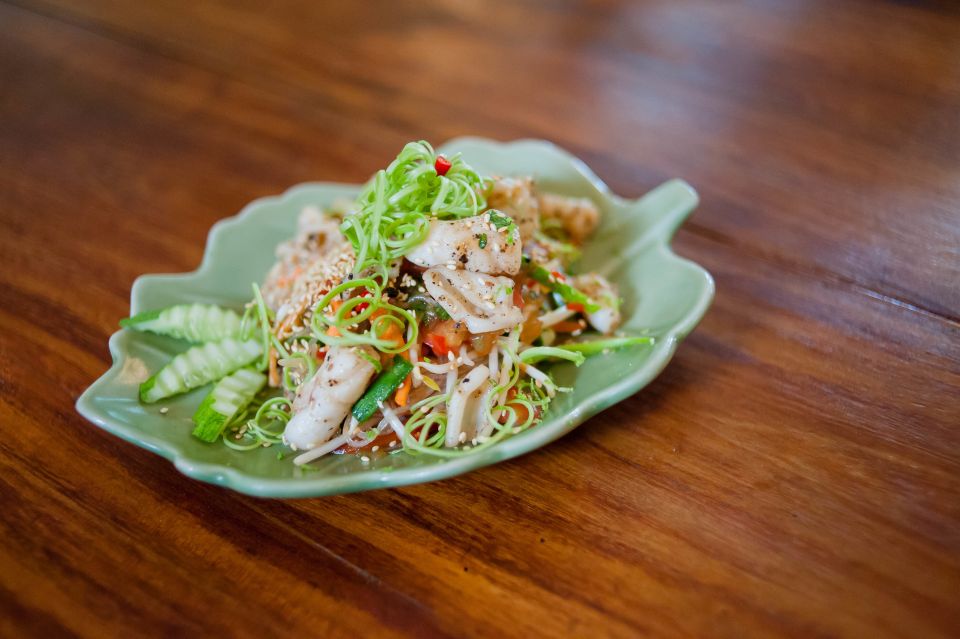
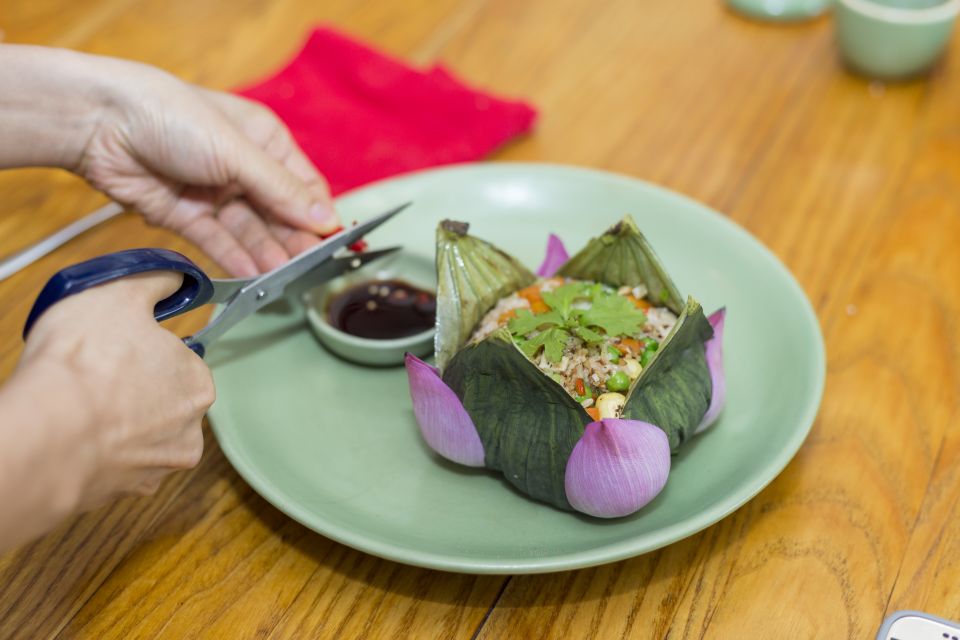
You make and enjoy a 3-course meal as part of the class. You also get iced tea and water, which helps keep you comfortable while you cook. This is one of those classes where eating isn’t the end-of-day reward; it’s tied directly to the skills you’re learning.
The seasoning policy is clear: MSG and Knorr powders/enhance flavors are forbidden. That matters because a lot of instant flavor habits rely on processed shortcuts. By removing those, the kitchen pushes you toward understanding real seasoning balance—saltiness, aromatics, and how sauces and pastes behave when you heat them.
I also like that the meal is designed around what you bought in the market. It reinforces the connection between ingredients and final taste. You’re not learning a random recipe list; you’re learning a cooking flow that starts with the produce and ends on your plate.
And yes, people really do walk away proud of what they made. The consistent feedback is that the dishes are delicious and achievable, and that you can recreate them later with the materials you’re given.
Vegetarian and allergy adaptations: ask early, and you can still join
The menu can be adapted for vegetarians and for people with food allergies, as long as you let them know in advance. That’s a big deal in cooking classes, because a lot of them treat dietary needs as an afterthought.
This class gives you a way to participate fully. Instead of feeling like you’ll be stuck eating something separate, you can plan dishes around your needs while still learning Vietnamese cooking techniques. If you have allergies, be sure to communicate clearly before the day of the class, since ingredient substitutions can affect flavor and safety.
What you get to take home: the digital recipe book
You’ll receive a digital recipe book. That’s the quiet value that makes the experience more than a one-time meal. Cooking classes can be fun in the moment, but the recipe support is what turns that fun into a skill you can practice.
People also highlight that the instructions are clear and that the dishes are made in a way you can follow again later. I see that as a sign the chef isn’t just teaching a performance; they’re teaching a repeatable process.
If you cook at home already, this is a straightforward way to expand your Vietnamese toolkit. If you’re new to Vietnamese cooking, the recipe book helps you rebuild the steps later without guessing.
Price and value: what $45 buys you in Saigon
At $45 per person, this class sits in a reasonable range for a market + cooking combo, and the math is fairly clean. You’re not only paying for cooking instruction—you’re paying for about an hour of guided ingredient shopping, the taxi transfer to the kitchen, and a full 3-course meal.
You also get practical “access” value: a chef explains ingredients while you’re looking at them, not after you’ve already left the market. That’s hard to replicate on your own unless you already know what to look for.
If you’re comparing options, look for classes that include both market time and meals, and that provide take-home recipes. This one checks those boxes. The small-group feel mentioned in feedback also suggests you’re more likely to get attention when questions come up, which is part of why it feels worth the money.
Who should book this, and who might prefer something else
This is a great match if you want a hands-on morning activity and you like understanding where flavor comes from. It suits beginners too, because everyone cooks together and follows step-by-step guidance. It’s also a strong choice if you’re traveling with someone—sharing the market walk and meal makes the experience feel full, not rushed.
You might want to think twice if you:
- Get frustrated when instructions move quickly and you prefer extra time per step
- Hate markets or find crowds stressful (because the ingredient walk is a core part of the class)
For most people, that tradeoff is worth it because the payoff is real: you leave with food you made and a process you can repeat.
Quick practical tips before your morning starts
- Don’t plan a huge breakfast right before. Since the meal happens during the class, you’ll enjoy it more when you’re hungry enough to taste what you make.
- Wear comfortable shoes for Ben Thanh. You’ll be walking and standing for part of the morning.
- If you have allergies or follow a vegetarian diet, message ahead. The menu can be adapted, but it works best when they know your needs early.
Should you book the Ben Thanh market cooking class?
I’d book this if you want the full market-to-plate experience and you care about learning techniques, not just collecting photos. The chef-guided ingredient shopping at Ben Thanh, the hands-on cooking with your own setup, the 3-course meal, and the digital recipe book combine into solid value for the time you spend.
The main reason to hesitate is pace. If you’re the kind of cook who learns by slowing down at every step, be prepared to ask questions and stay present when the chef moves through timing. Otherwise, this is one of the more straightforward ways to understand Vietnamese cooking in the real order it happens—ingredients first, then heat, then flavor.
If that sounds like your kind of morning, you’ll probably leave happy with a kitchen confidence boost you can actually use later.
FAQ
Where do I meet the chef?
Meet at 9:00 AM at the Cua Tay gate of Ben Thanh Market on Phan Chu Trinh Street. The chef will be wearing a Saigon Cooking Class t-shirt.
What time does the market visit start and end?
The market visit runs from 9:00 AM until 9:50 AM.
How long is the cooking class?
The hands-on cooking class runs from 10:00 AM until 1:00 PM, for a total experience duration of about 4 hours.
What’s included in the price?
Included: 1 hour market tour, the 3 courses cooking class, iced tea and water, and a digital recipe book. Pick-up and drop-off aren’t included.
Does the class accommodate vegetarian diets or food allergies?
Yes. The menu can be adapted for vegetarians and for people with food allergies if you let them know in advance.
Is MSG or Knorr powder used?
No. MSG and Knorr powders/enhance flavors are forbidden.
What languages are the instructor(s) speaking?
The instructor(s) speak Vietnamese and English.
Are there options for free cancellation or paying later?
There is free cancellation up to 24 hours in advance for a full refund. You can also reserve now & pay later (pay nothing today).