REVIEW · HO CHI MINH CITY
Explore Vietnams Wartime History with Cu Chi Tunnels Tour
Book on Viator →Operated by Little Saigonese Tours · Bookable on Viator
Want to see war underground? The Cu Chi Tunnels tour turns Vietnam’s wartime story into something you can actually walk through, then slows down at Quang Minh lacquerware to show the patience behind everyday culture. I especially like the mix of serious history with human-scale craft work, and I like that the day is set up for you with District 1 pickup and tickets handled. One heads-up: the tunnel portions can feel tight and hot, so if you hate enclosed spaces, you’ll want to plan for that mood.
What I found really valuable is how the guide connects the tunnels to daily survival. You’re not just looking at a bunker-type attraction; you’re learning how people adapted their movement, storage, and even medical care to living in the ground. The tour also stays small, with a maximum of 12 travelers, which usually means you can ask questions instead of staring at the back of someone’s head.
This is a solid choice if you want more than a quick photo stop in Ho Chi Minh City. If you’re short on time but still want context—wartime and then cultural craft—this one-day format makes it efficient without feeling rushed.
In This Review
- Key Highlights You’ll Actually Care About
- Cu Chi Tunnels: The War You Can Walk Through
- What the tunnels were used for
- The visitor experience you should expect
- How the Guide Turns Tunnels Into Real Understanding
- Learn names you might hear along the way
- Expect a mix of history and human scale
- Quang Minh Lacquerware: Craftsmanship After the War
- Why a lacquer stop makes sense
- What to look for in those 20 minutes
- The Day Plan: Timing and Transport That Don’t Waste Your Time
- Start point and how to orient quickly
- Group size keeps the pace sane
- Price and Value: What $25 Buys in Real Terms
- The one consideration for value
- Practical Tips for Cu Chi Tunnels and Lacquerware
- What to wear and bring
- How to handle the emotional tone
- Buying expectations at the craft stop
- Who Should Book This Tour, and Who Might Skip It
- Should You Book Cu Chi Tunnels + Quang Minh Lacquerware?
- FAQ
- How long is the Cu Chi Tunnels and lacquerware tour?
- What does the tour cost?
- Does the tour include pickup from Ho Chi Minh City?
- Are entrance tickets included?
- What is included for food and drinks?
- Is there an English-speaking guide?
- How big is the group?
- What is the cancellation policy?
Key Highlights You’ll Actually Care About
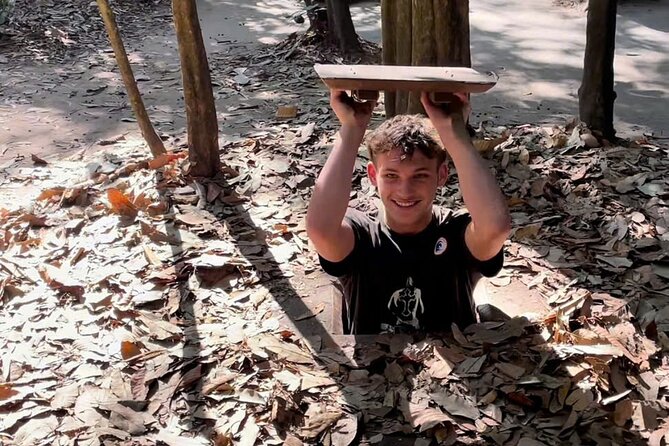
- Cu Chi Tunnels, 2 hours on-site: a guided look at tunnels used for living, supplies, storage, and hospitals
- English-speaking guide throughout: explanations for the traps and survival tactics behind the tunnel system
- Quang Minh lacquerware stop: you watch artisans layering, polishing, and hand-painting lacquer pieces
- District 1 hotel pickup and drop-off: easier start and finish, especially if you don’t want to navigate buses
- Small group size (up to 12): better pacing and more room for questions
- Tapioca, hot tea, and bottled water included: a small comfort break built into the day
Cu Chi Tunnels: The War You Can Walk Through
Ho Chi Minh City has plenty of surface-level history. This tour takes you under it—about an hour out to the Cu Chi Tunnels, a long-used tunnel network built during the Vietnam War. The site is often described as a vast system, and the numbers matter: it stretches over 200 kilometers, with passageways designed to be narrow and discreet.
What makes this stop feel different from a museum is the physical sensation of the space. When a guide explains how people lived and moved in tight underground routes, it clicks faster than any timeline ever will. You see why the entrances and routes had to be careful, and why hiding and routing supplies underground was a survival strategy, not just a cool wartime trick.
You can also read our reviews of more historical tours in Ho Chi Minh City



What the tunnels were used for
The tour focuses on how the tunnels supported real life: not only shelter-like spaces, but also supply routes, storage, and even hospitals. That matters, because it changes how you think about the war. It wasn’t only attacks and battle plans. It was logistics and care—getting by day after day under impossible conditions.
The visitor experience you should expect
You explore parts of the site, with a clear emphasis on wartime history and the ingenuity behind the tunnel system. You’ll hear about narrow passages, clever traps, and the stories tied to resilience and survival. The goal is not to turn this into a thrill ride; it’s to help you understand the scale and the mindset behind the tunnels.
How the Guide Turns Tunnels Into Real Understanding
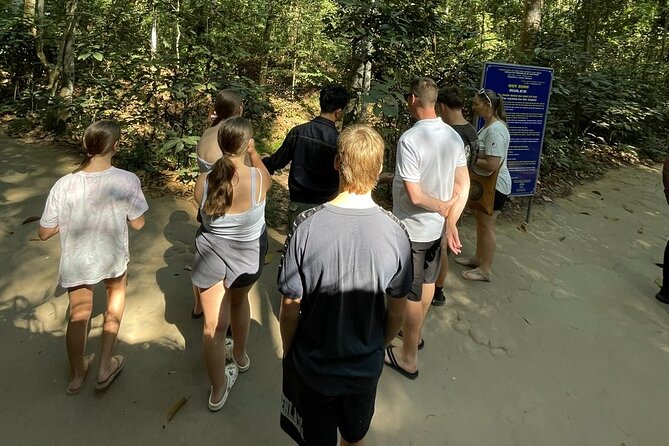
A big reason this tour works is how the guide narrates what you’re seeing. Tunnels can look like a set of dark corridors until someone connects them to choices people had to make under pressure.
In my experience, the most useful moments come when your guide slows down and explains cause and effect. For example, narrow design isn’t just a physical feature—it affects visibility, speed of movement, and how someone could defend a route. The tour also includes discussion of traps, which helps you understand that the tunnel system wasn’t passive. It was protected and controlled.
Learn names you might hear along the way
From the guide feedback I saw in the details, English explanations are a core part of the experience, with names like Rachel, Mango, and Ellie/Elly mentioned. Even if your guide is someone else, the style seems consistent: friendly explanations, clear guidance, and a focus on culture and context, not only facts.






Expect a mix of history and human scale
What I like about this kind of tour is that it keeps the story human. You’re walking through infrastructure built by people who had to solve daily problems: moving quietly, storing supplies, and finding ways to keep functioning even when everything above ground was hostile.
That is also where you’ll feel the emotional weight. The lessons can be heavy, but the tour doesn’t leave you floating in sadness. It gives you an explanation for why the system existed, what it made possible, and why it shaped Vietnam’s wartime experience.
Quang Minh Lacquerware: Craftsmanship After the War

After the underground portion, the day shifts gears to Quang Minh Lacquerware. This stop is only around 20 minutes, but it’s the kind of time I appreciate: short enough to keep energy up, long enough to actually watch the craft happening.
Here, the point isn’t war. It’s how Vietnamese culture expresses patience and precision through traditional lacquer work. The process is time-consuming, and the tour highlights that you’ll see artisans working with old techniques—layering, polishing, and hand-painting each piece.
Why a lacquer stop makes sense
This might sound like a random add-on after Cu Chi Tunnels, but it actually gives your brain a breather. You go from a story about survival under extreme pressure to a story about skill passed through generations. It helps you see Vietnam as more than a war backdrop.
Also, you’ll get an easy reminder: history doesn’t only live in monuments. It lives in ongoing craft, daily life, and what people choose to preserve.
What to look for in those 20 minutes
Don’t treat this as a quick shopping stop. Look closely at the hands and the steps you’re told about—especially the repeated layering and polishing. Those are the actions that make lacquerware what it is: not just a pretty finish, but a method that depends on time and care.
The Day Plan: Timing and Transport That Don’t Waste Your Time
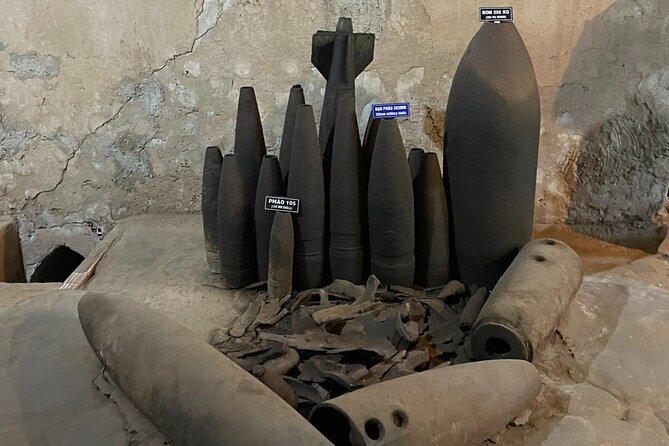
The full experience is about 6 hours. That’s a meaningful length: long enough to see Cu Chi Tunnels properly and still fit the lacquerware stop, but not so long that you feel wrecked afterward.
You also get pickup and drop-off from central hotels in District 1. That detail sounds basic, but it changes the day. If you’re staying in District 1, you avoid the extra friction of figuring out transport out to the Cu Chi area on your own. You also get air-conditioned vehicle time, which is genuinely nice in Ho Chi Minh City’s heat.
Start point and how to orient quickly
The tour begins at Saigon Central Post Office, at 02 Công trường Công xã Paris, Bến Nghé, Quận 1. If you’re meeting there, do yourself a favor and arrive a little early to get your bearings fast. The post office area is a landmark, which helps.
Group size keeps the pace sane
There’s a maximum of 12 travelers, which usually means the guide can keep the group together without rushing you through explanations. In tours that are larger, you often lose context because everyone’s walking too fast. Here, you’re more likely to get the stories with your own attention, not just the guide’s voice disappearing into the crowd.
Price and Value: What $25 Buys in Real Terms

The price is listed as $25 per person for a roughly 6-hour day. On paper, that’s low for a tour that includes:
- Cu Chi Tunnels entrance
- English-speaking guide
- Air-conditioned transport
- Hotel pickup and drop-off in District 1
- Tapioca, hot tea, and bottled water
- Quang Minh lacquerware admission (listed as free for that stop)
So the value isn’t only the dollar amount. It’s what’s bundled. You’re getting transport out of the city center, paying for entrance fees, and getting guide time for both history and craft. If you tried to piece it together yourself, you’d likely spend more on transport and admissions, and you’d still miss some of the interpretation that makes the tunnels meaningful.
The one consideration for value
Because this is a structured day, you should be comfortable with the schedule. The lacquerware portion is brief by design, so if you were hoping for a long guided craft workshop, you won’t get that here. For most people, though, the time balance works well.
Practical Tips for Cu Chi Tunnels and Lacquerware
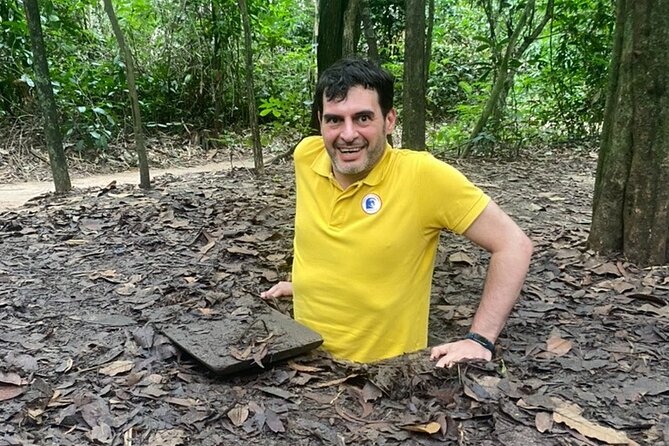
You can’t fully control comfort in tunnels, but you can stack the odds in your favor.
What to wear and bring
Go for comfortable, closed-toe shoes. Even without promising a crawl-through experience, the tunnel environment is narrow and can be slippery. Also bring a light layer because the underground parts can feel cooler than the outside heat in some sections, while the overall day may still be warm.
Since bottled water, hot tea, and tapioca are included, you don’t need to hunt for snacks mid-tour. Still, keep your day pack simple, because you’ll likely be carrying small items rather than big stuff.
How to handle the emotional tone
War sites can bring up strong feelings. I like approaching this with a mindset of learning: focus on how people built a system for survival, not on treating it like a single dramatic moment. The guide’s story-driven approach is what makes the tunnels click.
Buying expectations at the craft stop
Quang Minh lacquerware is part of the itinerary with admission handled. You may see items for sale, but the tour’s main value is watching the artisans and learning the process steps you’re told about—layering, polishing, and hand-painting. If you buy anything, consider it a bonus, not the reason to go.
Who Should Book This Tour, and Who Might Skip It
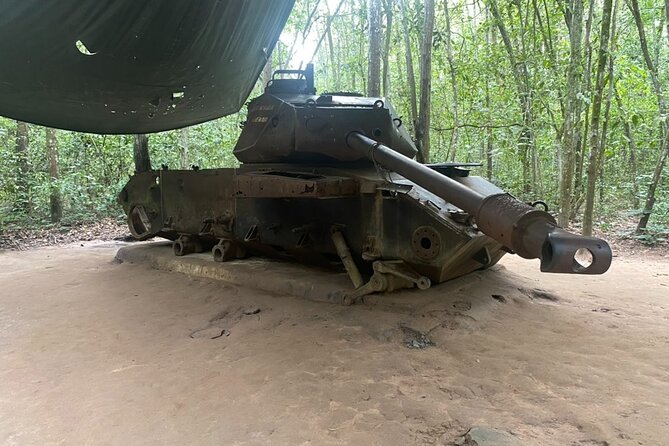
This experience is a strong fit if you:
- want a one-day mix of Ho Chi Minh City context plus real wartime sites
- like guided explanations that connect visuals to survival strategy
- want a quick culture follow-up at Quang Minh lacquerware without adding another full half-day tour
- appreciate small group size for questions and pacing
You might think twice if:
- you strongly dislike confined or enclosed spaces, since the tunnels are described as narrow and underground
- you want a longer, slower craft experience rather than a 20-minute craft stop
It’s not a bad choice if you’re traveling with mixed interests, either. History lovers get the tunnels. Culture lovers get lacquerware. And the included tea and snack keep the day comfortable.
Should You Book Cu Chi Tunnels + Quang Minh Lacquerware?

If you want a high-value day with clear structure, I’d book it. The combination makes sense: you get a guided look at an underground wartime system, then you see Vietnamese craftsmanship tied to patience and skill. The small group size, District 1 pickup, and included entrance tickets make the logistics feel straightforward, which lets you focus on the experience itself.
My best advice for your decision is simple: if you can handle tight underground spaces and you want context, this is one of the most practical ways to experience Cu Chi without turning your day into a transportation puzzle. If you’d rather avoid enclosed environments or you’re looking for a long, hands-on workshop day, pick a different format.
FAQ
How long is the Cu Chi Tunnels and lacquerware tour?
The tour lasts about 6 hours (approximately), including time at both stops.
What does the tour cost?
It’s priced at $25.00 per person.
Does the tour include pickup from Ho Chi Minh City?
Yes. Pickup and drop-off are offered from central hotels in District 1.
Are entrance tickets included?
Yes. Entrance tickets are included, including Entry/Admission to Cu Chi Tunnels. Quang Minh lacquerware admission is listed as free.
What is included for food and drinks?
The tour includes tapioca, hot tea, and bottled water.
Is there an English-speaking guide?
Yes. The tour includes an English-speaking tour guide.
How big is the group?
The tour has a maximum of 12 travelers.
What is the cancellation policy?
Free cancellation is available up to 24 hours in advance for a full refund. If you cancel less than 24 hours before the start time, the amount paid is not refunded.