REVIEW · HO CHI MINH CITY
Full-day Cai Rang floating market – explore countryside, make bakery – from HCM
Book on Viator →Operated by Winter Spring Homestay · Bookable on Viator
Sunrise comes early on the Mekong. I like the chance to start at the Cai Rang floating market for breakfast, then switch gears to hands-on cake making with local instructors. You also get a full circuit around canals and islands by ferry, foot, and car, so it feels like a real day in the Mekong Delta—not a quick photo sprint.
The big trade-off is timing: pickup is around 3:30–4:00 AM, and there can be some walking on uneven ground and bridges. One guest reported being forced to walk over a bridge and called it unsafe, so wear grippy shoes and be ready to speak up if you have any mobility concerns.
What makes the $119 price feel more reasonable is that you’re not nickel-and-diming the day: entrance fees are included, plus breakfast and lunch, and you get structured cultural stops with a maximum group size of 16. That early start means you’ll be tired by mid-afternoon—but you’ll also have seen places most visitors never manage.
In This Review
- Key things you’ll notice on this Mekong day trip
- Leaving HCMC for Cai Rang: Timing, comfort, and the feel of the day
- Cai Rang Floating Market breakfast: how to make it more than a photo stop
- Rice noodle and pho factory stop: seeing staple food as real craft
- Canals of Cần Thơ and Binh Thủy Ancient House: a calmer mid-morning reset
- Cồn Sơn island time: villages, ferry rides, and fish encounters
- Orchards and fruit tasting: pomelo and star apple as a living lesson
- Cake buffet and cooking trials: where the tour turns from viewing to doing
- Lunch, pacing, and what the 15-hour schedule feels like in real life
- Price and value: what $119 buys you beyond transportation
- Who should book this Mekong Delta day trip from HCMC?
- FAQ
- What time does pickup start in Ho Chi Minh City?
- When does the tour return to Ho Chi Minh City?
- How long is the tour?
- What’s included in the price?
- Do I get to cook or make food, or is it only tasting?
- How many people are in the group?
- Is there a floating market breakfast?
- What ticket format do I get?
- Does the tour require good weather?
- What if I need to cancel?
- Should you book this Cai Rang and Mekong countryside day trip?
Key things you’ll notice on this Mekong day trip
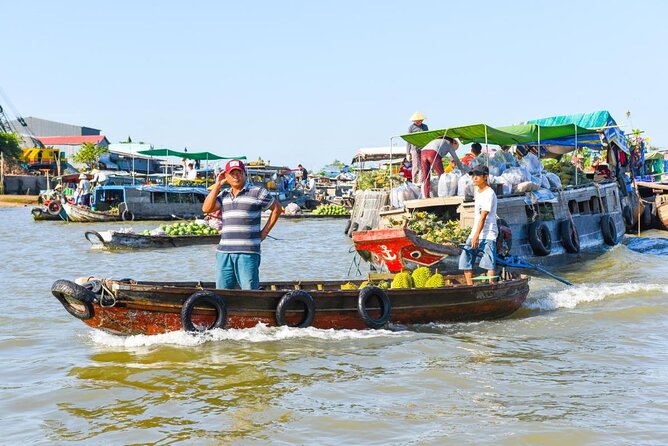
- Cai Rang breakfast before the day warms up: you’re on the water early, when the market is working, not performing
- Cooking trials that turn into a meal: cake and local snacks are part of the experience, not just added stops
- Noodle-making and food production stops: rice noodles and pho are shown as real local work
- Canals, an old riverside house, then an island: the day changes scenery again and again
- Fruit tasting that connects to daily life: pomelo and star apple show up in the middle of the story
- Fish-raft / fish-farm style encounters: expect hands-on moments and entertaining sights
Leaving HCMC for Cai Rang: Timing, comfort, and the feel of the day
This tour runs about 15 hours, with pickup from downtown Ho Chi Minh City in the early dark—around 3:30 to 4:00 AM. You’ll ride out in a private car, then spend the day moving by a mix of boat, foot, and ferry.
Plan your expectations around one simple fact: it’s a marathon, not a stroll. The reward is that you reach Cai Rang early, when the market looks and sounds like daily life, not late-morning tourism.
Group size is capped at 16, which is big enough to have energy but small enough that your guide can keep tabs on the group. Multiple guides are mentioned by name in the feedback—Nga, An, Trinh, Dai, Windy, Donny, and Nhu Y are all examples of the kind of local communication style you might get, from gentle explanations to more playful guiding.
You can also read our reviews of more shopping tours in Ho Chi Minh City
Cai Rang Floating Market breakfast: how to make it more than a photo stop
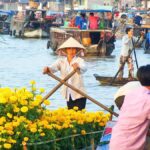
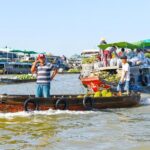
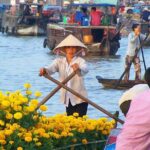
Cai Rang is the headline for a reason: it’s the kind of market where people sell from boats, using the river as the main road. Your day starts here, and the best part is breakfast on-site. Expect a morning spread that can include hu tieu and other local bites served in the market setting.
The practical trick: don’t just watch the boats. Listen for what the vendors are doing—how they move, what they’re offering, and how the market flows. You’ll get a feel for why this place exists: it’s efficient, built for the river, and tied to fishing and farming schedules.
What you’ll likely notice with your own eyes:
- The market is active even before the sky fully opens up
- You’ll see fruit being offered and sampled
- You’ll get a better sense of Mekong river habits once you’re on the water early
If you’re sensitive to crowds or noise, this morning timing helps. It’s still lively, but it’s not the midday crush people often get later in the day.
Also, keep your expectations grounded. One guest mentioned there can be a lot of waste floating in the river. You can’t control that, but you can control your behavior: skip litter, use a refillable bottle if you have one, and treat the market as a working place.
Rice noodle and pho factory stop: seeing staple food as real craft
After breakfast, the pace shifts from river bustle to production. You’ll visit a rice noodle and pho factory, guided by local experts, and you’ll learn how noodles are made.
This is one of my favorite types of stops because it explains the food you’ll keep seeing all day. Noodles in Vietnam aren’t just a dish. They’re infrastructure—labor, water, timing, and know-how.
The factory part is also quick on purpose (about 20 minutes). That keeps the day from turning into a slow museum visit, and it leaves you time for the hands-on experiences later, like cake preparation.
If you’re a foodie, this stop helps you connect the dots. If you’re not, it still works because you’ll see how everyday ingredients are turned into something people can sell and serve quickly.
Canals of Cần Thơ and Binh Thủy Ancient House: a calmer mid-morning reset
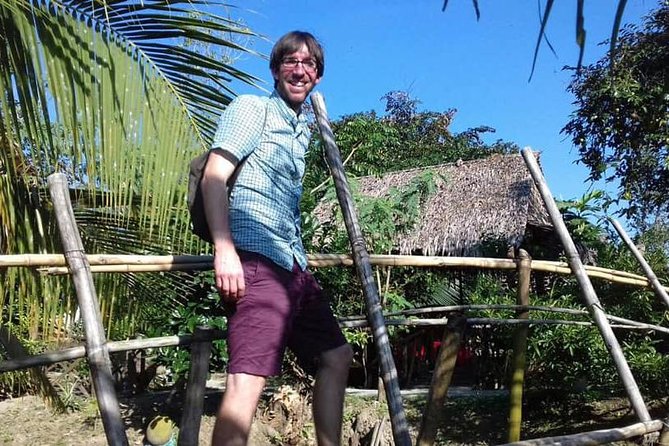
You’ll then move through scenic river sections, including time around Sông Cần Thơ for canal views. This isn’t a long stay, but it matters. After intense market energy, this is where you breathe, look at the tree-lined waterways, and understand how the river shapes daily movement.
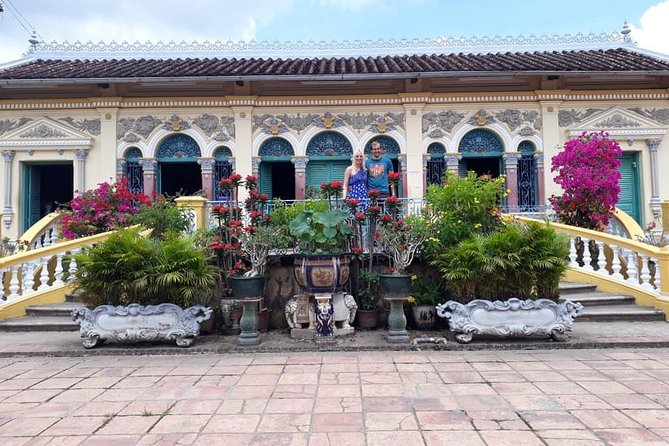
Next comes Binh Thủy Ancient House, a historic house over a century old. This stop gives you contrast: less about food production, more about the architecture and river-era setting that turned Can Tho into a trading city.
One detail worth remembering: a historic house along the river is still part of the Mekong story. It reflects how wealth and influence traveled with trade—not just how people ate.
Cồn Sơn island time: villages, ferry rides, and fish encounters
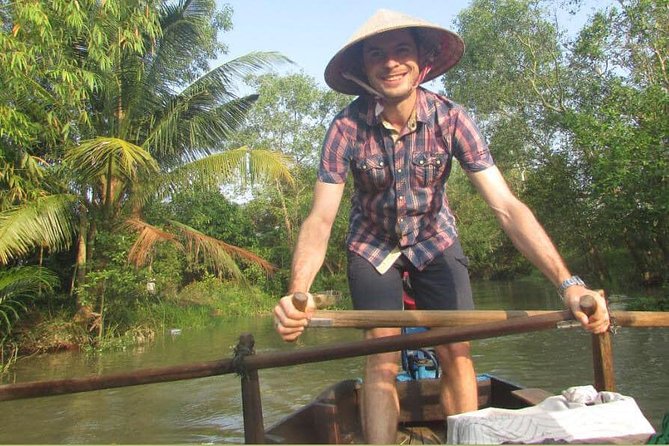
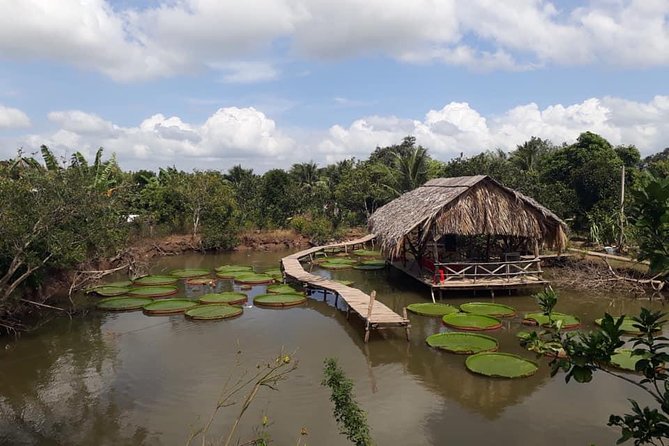
At Cồn Sơn, you leave the mainland by boat and head to a tropical island in the Mekong River area. You’ll have time for activities with local people, including a trek through Mekong countryside and islands (about 2 hours).
This is also where the experience turns hands-on in a way that many people remember long after the day is over. Based on the descriptions and guest experiences, you may see:
- A fish-farm style setting
- A floating fish raft village moment
- Entertaining animal encounters like the snakehead fish dance
Some groups also get extra fun here, like fish spa-style foot nibbling (koi fish). Even if your exact encounters vary slightly by day and timing, the overall feel is consistent: you’re not just touring around buildings. You’re in an ecosystem where people farm, fish, and live with the river as your neighbor.
Comfort tip: this is the part where footwear matters. Sandals might feel tempting, but grippy shoes make it easier to move across uneven surfaces and keep you confident on short walks.
You can also read our reviews of more tours and experiences in Ho Chi Minh City
Orchards and fruit tasting: pomelo and star apple as a living lesson
A standout detail from the day’s description is fruit culture, including pomelo and star apple. This isn’t just tasting for fun—it’s tasting for context.
Fruit here isn’t an accessory. It’s tied to how people farm, sell, and schedule their day around river conditions. When fruit appears during the tour, you’re usually moving between places that support the fruit supply chain, so the flavors land better.
If you like learning through food, this is where you’ll start connecting the morning market to the countryside work behind it. And yes, you’ll likely be sampling multiple fruits, not just one small bite.
Cake buffet and cooking trials: where the tour turns from viewing to doing
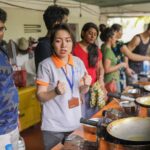
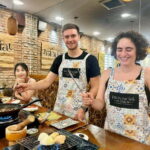
One of the best reasons to choose this tour is the cooking component. You don’t just watch cakes appear. You make parts of the experience yourself—traditional cakes and local delicacies—with trial lessons included.
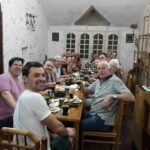
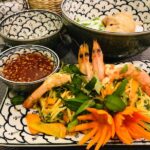
You’ll also enjoy a village lunch and what’s described as a cake buffet. In practice, that means you’ll eat what you helped prepare (or what was prepared in connection with your cooking session), then keep sampling local items afterward.
Some guests mention making things like coconut crepes, and others describe the lunch as relaxed and locally prepared, served in a riverside or water-adjacent setting. Even when the specific cake looks a bit different session to session, the core value stays the same: you’ll leave with a sensory memory that’s more personal than a landmark photo.
If you’re traveling with a partner, this part is fun because it creates a shared story: you’ll compare what you made, what you liked, and what you’d never try at home.
Lunch, pacing, and what the 15-hour schedule feels like in real life
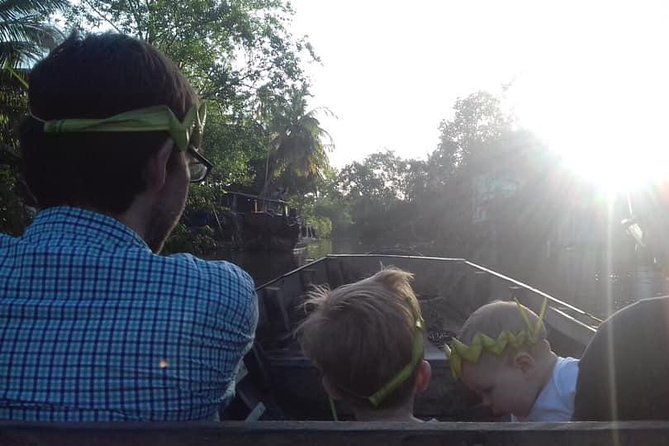
The day is packed, but it’s paced in logical blocks: morning river market energy, then production and heritage, then island and village activities, then food and cake focus.
Lunch is part of the story too. Instead of being a rushed stop somewhere generic, you get a more rural-style meal, tied to the local food rhythm of the area. Breakfast and lunch being included also helps your budget—no surprise meals, no hunting for food at 11:00 AM when you’re already tired from an early start.
Still, keep in mind that you’ll be sitting in a vehicle for several hours total across the day. If you hate long rides, plan to counter it with simple strategies: water, a snack you enjoy, and a light layer for early morning air.
A final note on shopping pressure: at least some guides are known for not pushing purchases hard. That matters because the Mekong can be heavy on “buy this” moments if your tour style is weak. Here, the better guiding keeps the focus on the places and the food.
Price and value: what $119 buys you beyond transportation
At $119 per person, this isn’t the cheapest way to see Can Tho. But it’s also not “just a bus and a boat.”
Here’s what you’re getting that adds real value:
- Pickup and early return from Ho Chi Minh City in a private car
- Entrance fees included across the day’s major stops
- Breakfast and lunch included (so your biggest meals are handled)
- Multiple guided cultural and food-focused stops
- Cooking trials that give you a hands-on takeaway
If you try to DIY this route, the hidden cost is timing. Starting before sunrise from HCMC is the hard part. You also need boats, local transport, and a logical sequence of stops that doesn’t waste your day. A packaged tour reduces those planning headaches and trades them for an organized schedule.
And because the group size is capped at 16, it doesn’t feel like a cattle-call in most situations. Based on the high overall rating and a strong recommendation rate, the value formula is working for most people.
Who should book this Mekong Delta day trip from HCMC?
Book it if you want a day that mixes food, river life, and hands-on activities. It’s especially a good fit if you:
- Love morning markets and early-day river scenes
- Want cooking trials, not just sightseeing
- Prefer guided context for what you’re eating and seeing
- Are comfortable with boats and a long day
Consider skipping or choosing something less active if:
- You’re not into very early departures
- You’re worried about walking on bridges or uneven ground
- You need a slower pace with more free time
Family note: the tour is described as suitable for most travelers, and some guest experiences mention kids enjoying fish-farm moments. Still, the early morning start is real, so think about your kids’ wake-up tolerance.
FAQ
What time does pickup start in Ho Chi Minh City?
Pickup is scheduled between 3:30 and 4:00 AM from downtown Ho Chi Minh City hotels.
When does the tour return to Ho Chi Minh City?
You’re dropped back around 17:00, though the exact time can vary.
How long is the tour?
The experience runs about 15 hours.
What’s included in the price?
Entrance fees are included, along with breakfast, lunch, and cooking trials.
Do I get to cook or make food, or is it only tasting?
You can make traditional cakes and local delicacies yourself as part of the included cooking trials.
How many people are in the group?
The tour has a maximum of 16 travelers.
Is there a floating market breakfast?
Yes. Breakfast is on the Cai Rang floating market.
What ticket format do I get?
You’ll receive a mobile ticket.
Does the tour require good weather?
Yes. The experience requires good weather, and if it’s canceled due to poor weather you’ll be offered a different date or a full refund.
What if I need to cancel?
You can cancel up to 24 hours in advance for a full refund.
Should you book this Cai Rang and Mekong countryside day trip?
I’d book it if you want a Mekong day built around food, river life, and real local activities—especially if the early floating market breakfast and cake-making session are your kind of travel.
I’d hesitate if your priority is a relaxed day, since the schedule starts around 3:30–4:00 AM and includes moving around by boat and on foot. If you do book, pack grippy shoes and be ready to adjust your pace during any short bridge walks. For many people, the early start is exactly what makes the day feel special.