REVIEW · HO CHI MINH CITY
Grandma Noodles, Good Coffee, Exotic Fruits & Little History
Book on GetYourGuide →Operated by Spring Saigon Tours · Bookable on GetYourGuide
Saigon can be loud and fast. This 3-hour walk with guides Hieu and Spring slows it down into something softer. You’ll meet the city through breakfast-style stops: a grandma’s noodle stall, a local fruit maze called the chessboard, a short war-focused history lesson, and a cup of Vietnamese coffee made by someone who really knows it.
What I love is how food here feels like daily life, not a performance. The noodle dumplings are served from a tiny setup in an alley, and the fruit tasting turns into a proper free-for-all where you actually get to try tropical favorites like rambutan and mangosteen. I also like the way the tour connects meals to context. You’ll get a local perspective on the Vietnam War in a historic area, then end with coffee and ginger-syrup silken tofu that tastes like comfort food, not a “tour dessert.”
One consideration: this experience involves walking through narrow alleys and busy markets. If you need mobility support, you’ll likely find it uncomfortable.
In This Review
- Key things you’ll care about before you go
- Saigon on soft mode: how this 3-hour morning runs
- Grandma noodles: dumplings, broth, and a real breakfast stall
- The chessboard market fruit safari: tasting like you belong
- Vietnam War perspective in a historic area: learning without overload
- Expert Vietnamese coffee: condensed milk, craft, and optional lime
- Ginger tofu dessert: warm, soft, and surprisingly comforting
- Backstreet wandering and the final chat with your guide
- Price and value: is $40 worth it?
- Who should book, and who should skip
- Should you book Grandma Noodles, Good Coffee, Exotic Fruits & Little History?
- FAQ
- FAQ
- What is the duration of the tour?
- How much does the tour cost?
- What’s included in the price?
- What is not included?
- How large is the group?
- What language is the guide?
- Where do I meet the guide?
Key things you’ll care about before you go
- Small group (up to 6) means more time to ask questions and less time waiting around.
- English-speaking live guide (with excellent communication) helps you understand what you’re seeing.
- The chessboard market is where you’ll sample tropical fruit and learn what makes each one worth trying.
- Vietnam War stories in a historic area focus on lived perspective rather than textbook lists.
- Vietnamese coffee style centers on condensed milk and local technique, with optional lime (if you want to be brave).
- Warm ginger-syrup silken tofu finishes the tour with a light, soothing sweetness.
Saigon on soft mode: how this 3-hour morning runs
This tour is designed for the part of Saigon that most people miss. Instead of starting when everything is already packed and overheated, you’re moving through the city while it’s still humid, steamy, and very much alive in the way locals know best.
You’ll spend the morning doing three things in a simple rhythm: eat, walk, and listen. There’s no fast-food sprint between stops. The pace stays steady enough that you can actually notice details like how vendors set up for the day, how people chat while they eat, and how markets smell like fruit, soap, and warm concrete at the same time.
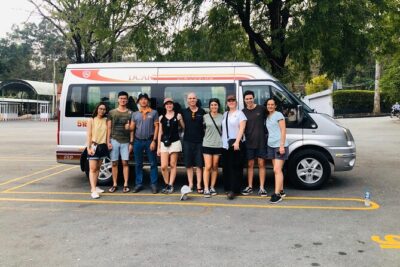
The group size matters here. With only a handful of people, the guide can slow down when you have questions, and you’re less likely to feel like you’re being herded. The tour runs about 3 hours, and the guide keeps the flow moving so you’re not stuck standing around.
Meet in front of a monument of a monk. From there, you’ll head straight into the kind of backstreets locals use every day, including narrow alleys where shoes really matter.
You can also read our reviews of more historical tours in Ho Chi Minh City



Grandma noodles: dumplings, broth, and a real breakfast stall
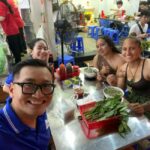
The tour’s first major food moment is a Vietnamese noodle dumplings soup served from a grandma-style setup. This is the kind of place you might walk past without noticing, because there are no big signs trying to sell you a story.
What makes this stop work is the focus. The goal isn’t just feeding you. It’s showing you how comfort food is part of the morning routine. Expect a steaming bowl of broth-based noodles with dumpling-style elements, eaten on simple stools in a compact space. You’ll learn the basics of how locals think about the dish: what tastes right with what, and why the order of things matters.
In one version of the morning, the start includes another warm local comfort food like bo kho from a tiny restaurant that isn’t really on mainstream maps. Even if you don’t get that exact first bite, the idea stays the same: you’re tasting Vietnamese breakfast logic, not a curated tasting menu.
Practical tip: bring your appetite and keep your camera ready. You may feel tempted to photograph everything, but the real trick is to eat first, then shoot while you’re already relaxed.
The chessboard market fruit safari: tasting like you belong
Next comes the wet market fruit safari. The tour heads into one of Saigon’s biggest local markets—the one locals call the chessboard—meaning lots of lanes, lots of movement, and lots of color.
This part is less about reading menus and more about tasting your way through the season’s lineup. You’ll likely try fruits with names that sound like characters from a fairy tale, including rambutan, mangosteen, breast milk fruit, and sapodilla. The guide helps you understand what you’re looking at and what the fruit should taste like, so you don’t just chew mystery bites.
One of the most praised moments is how the tasting feels generous and direct. Instead of small “try a piece” portions, the guide often encourages a real sampling spree at a fruit stand. If you love food that’s tactile—textures, juicy pulls, slippery seeds, sweet aromas—this is your kind of stop.
Diet note, because it matters: one participant mentioned they don’t eat beef or pork, and they were offered a vegan option when it came up. Don’t wait until the last second—tell the guide early so options are easier to manage.
Vietnam War perspective in a historic area: learning without overload
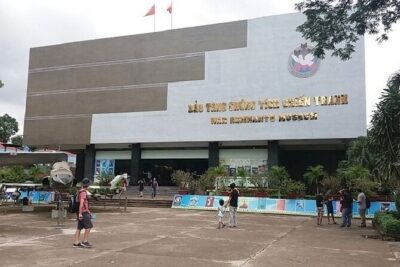
The tour includes a history segment about the Vietnam War, but it’s kept human-scale. You’re not looking at long lectures or stacks of dates. Instead, you’ll walk through an older housing area where the war’s impact is still part of the atmosphere.
What I like about this is the balance. It gives you context for why daily life in Saigon shaped the way it did—how people adapted, what resilience looks like when it’s woven into routine, and why some stories are easier to understand by seeing where people lived.
You’ll hear from the guide in a way that fits the walking format: short explanations, then time to take it in. If you’re someone who gets overwhelmed by museum-style history, this style can feel more digestible. And if you’re someone who loves history, it still gives you something useful because it’s tied to place.
Important comfort note: this stop sits inside a broader walking tour. Wear comfortable clothes, and keep your water situation in mind even though you’re not told anything specific here about drinks beyond coffee.
Expert Vietnamese coffee: condensed milk, craft, and optional lime
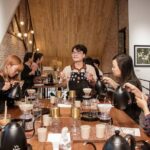
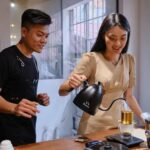
Coffee is its own section here, not an afterthought. You’ll watch the coffee being prepared, with condensed milk as the centerpiece. The classic Vietnamese iced coffee style—cà phê sữa đá—is the star: slow drip, strong flavor, and that creamy sweetness that makes it feel like dessert in a glass.
This is where the guide really helps. A local coffee expert can explain what you’re tasting and why it works. One review described the coffee as served in one of Saigon’s oldest coffee shops, which adds extra atmosphere even if you’re just focused on the drink.
And yes, there’s a twist for the adventurous: cà phê chanh, coffee with lime. The tour info suggests this exists and can work. If you want to try it, consider it a chance to compare flavor profiles—sweet, bitter, and citrus all at once.
What you should do: take the first sip plain. Only then decide if you want the lime variation. It’s the easiest way to understand the difference instead of guessing.
You can also read our reviews of more tours and experiences in Ho Chi Minh City

Ginger tofu dessert: warm, soft, and surprisingly comforting
The tour ends with ginger syrup silken tofu. It’s a quiet finale, and that’s the point. You’re not being hit with something loud or overly sugary. You’re getting a warm, soft dessert that feels like care.
The flavor profile is gentle: tofu stays delicate, ginger adds warmth and a little bite, and coconut milk rounds everything out. One part of the description frames it as the kind of dessert Vietnamese grandmas serve when someone needs comfort—tired, sick, or heartbroken.
If you worry about desserts being heavy after a morning of eating, this is a good choice. It lands light, especially compared to fried sweets. Still, if you’re a banana-fried-sweet person, you might also encounter something like deep-fried bananas earlier in the morning—one guide-led run included that as a favorite snack.
Small-group bonus: you can ask the guide what to try next in the city, and you won’t feel rushed while everyone finishes dessert.
Backstreet wandering and the final chat with your guide
After the main stops, you’ll spend time back on the move through the alleys where Saigon actually lives. The tour uses the hẻm network—small lanes that connect neighborhoods in ways you wouldn’t guess from a big road.
Then you’ll slow down at the end somewhere quieter. Think bench-time and open conversation: ask anything from what you just learned about history to what you should eat next. You can also just sit and let the morning settle.
This open chat is more valuable than it sounds. Food tours often end with a goodbye and a recommendation list. Here, you can personalize. If you’re curious about another market, another coffee style, or another kind of Vietnamese breakfast, the guide can steer you toward what matches your tastes and energy level.
Price and value: is $40 worth it?
For $40 per person, you’re paying for a lot more than a couple of snacks. You get a guided, small-group walking tour (limited to 6), a full food-and-drink sequence, and a structured history segment. And the tour includes everything; you’re only responsible for getting to the meeting point and back.
The value sits in three spots:
- Multiple tastings across different categories: noodles, fruit, coffee, and dessert.
- Local perspective tied to place, not just generic talking points.
- Time with an English-speaking guide you can ask questions to, without crowds.
It’s a good price point if you want “eat and learn” in one tidy package. It’s also a strong choice if you’ve been to Saigon before but still feel like you only saw the tourist version.
Who should book, and who should skip
I think this tour fits best if you:
- Enjoy slow mornings and prefer small, local food spots over food-court style meals.
- Like learning context, especially when it’s delivered through walking and everyday settings.
- Want coffee that’s serious, not just caffeine on autopilot.
Skip it if:
- You have mobility impairments. The tour includes narrow alleys and market walking, which the tour guidance says is not suitable.
One more tip: comfy shoes matter. Markets can be uneven, and alleys can be tight. If your feet hate you, your brain will miss half the joy.
Should you book Grandma Noodles, Good Coffee, Exotic Fruits & Little History?
If you want Saigon before the city fully turns into a traffic noise machine, this is a smart booking. You get a rare mix: real breakfast food, a fruit market experience that’s actually fun, coffee prepared with local skill, and a short history perspective that doesn’t drown you in dates.
I’d book it if you’re traveling with a curious palate and you like stories that connect meals to place. I wouldn’t book it if you’re not up for walking through narrow alleys and busy markets.
FAQ
FAQ
What is the duration of the tour?
The tour lasts 3 hours.
How much does the tour cost?
The price is $40 per person.
What’s included in the price?
Everything is included on the tour.
What is not included?
Transportation to the meeting point and back home is not included.
How large is the group?
The tour is a small group limited to 6 participants.
What language is the guide?
The tour includes a live guide who speaks English.
Where do I meet the guide?
You meet in front of a monument of a monk.