REVIEW · HO CHI MINH CITY
Hands-On Vietnamese Cooking Lesson in Small Group
Book on GetYourGuide →Operated by Saigon Cooking Class · Bookable on GetYourGuide
Cook Vietnamese food without watching from afar. This small-group class in Ho Chi Minh City is built around hands-on cooking and eating what you make, not just standing by. I like that you follow the chef step by step with your own materials and ingredients, so technique makes sense. I also like that you leave with a folder of digital recipes to keep going after the class. One thing to consider: some ingredients may be pre-prepped to keep the pace moving, so don’t expect a whole workshop of slow, manual chopping.
You’ll spend 3 hours in a kitchen setting where Vietnamese herbs and natural ingredients are the main characters, and you’ll use Vietnamese kitchenware along the way. The menu is designed around a satisfying three-dish meal, and it can be adjusted for vegetarian or allergy needs if you mention it when booking. The class runs 10 am to 1 pm with an English instructor, which makes it easy to ask questions without guessing.
In This Review
- Key highlights in quick hits
- A 3-Course Vietnamese Morning You Actually Cook
- Small-Group Energy and English-First Instruction
- Where to Meet in District 1 (80 Nguyen Trai Street)
- Vietnamese Kitchen Tools, Herbs, and Natural Ingredients
- The 10am–1pm Flow: Cook, Taste, and Learn by Doing
- Vegetarian and Allergy-Friendly Adjustments You Should Plan For
- Price and Value: What $33 Buys You in Real Cooking Hours
- Who Should Book This Class (and Who Might Want to Skip)
- Should You Book This Hands-On Vietnamese Cooking Lesson?
- FAQ
- What is the duration of the Vietnamese cooking lesson?
- How much does it cost?
- What do I eat during the class?
- What’s included in the price?
- Is the class taught in English?
- Where is the meeting point?
- Can the menu be adapted for vegetarians or allergies?
- What do I take home after the class?
- What about cancellation and reserving?
- Is it a small-group cooking class?
Key highlights in quick hits
- Hands-on, course-by-course cooking with time to taste what you just made
- Natural ingredients and herbs, with explanations that connect flavor to process
- Vietnamese kitchen tools used in real local-style cooking
- Small-group feel, so you’re not lost in a crowd
- Digital recipes folder you can use at home right away
- Menu adapts for vegetarian or allergies when you tell them ahead
A 3-Course Vietnamese Morning You Actually Cook
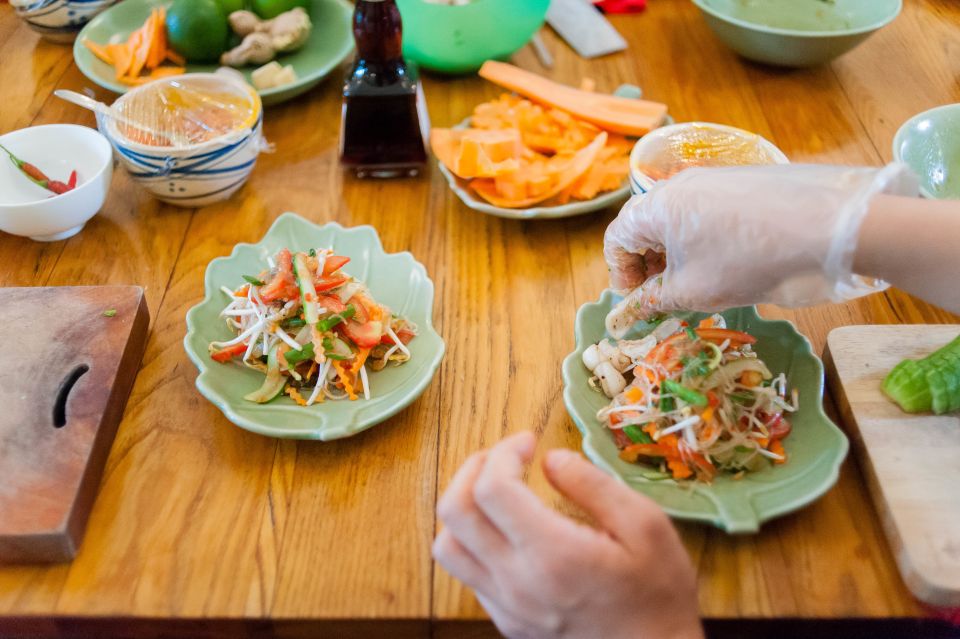
If your Vietnam plans include eating great food but you want to understand why it tastes the way it does, this class hits the sweet spot. The structure is simple: you cook, you taste, and you move to the next dish. That matters because Vietnamese cooking is all about balance. Sweet, sour, salty, fresh herbs, and heat all show up, but they don’t always behave the same way across different ingredients. When you make the dish yourself, you notice the changes immediately.
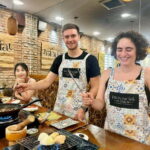
I also like that the lesson is hands-on without being chaotic. Everyone works together, but you’re not forced to share ingredients or tools. That keeps the learning focused on technique: how you assemble, what order you do things in, and how you judge doneness. You also get to eat what you make. That turns the class into a real meal, not a “lesson about food” where you leave hungry.
The cooking is centered on natural ingredients and herbs, which helps you understand what drives Vietnamese flavor at home. You’re not learning a list of tricks; you’re learning a way of tasting and building.
You can also read our reviews of more cooking classes in Ho Chi Minh City

Small-Group Energy and English-First Instruction
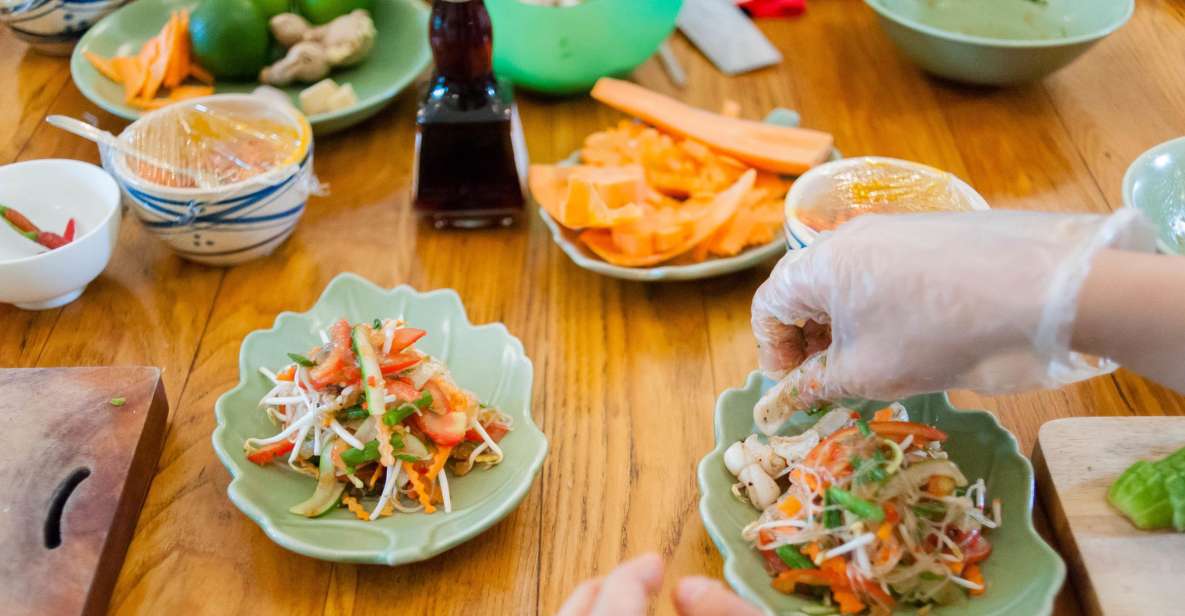
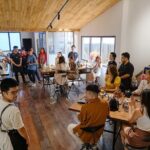
Cooking classes can swing wildly between two extremes: too crowded to ask questions, or too private to feel social. This one lands closer to the first category’s opposite. The vibe is warm and intimate, with an emphasis on following the chef’s example step by step. You’ll cook alongside the group, but the setup is designed so you understand what you’re doing, not just mimic motions.
English instruction is a real advantage here. Vietnamese recipes often have ingredient names that don’t translate cleanly, and cooking steps can hinge on small wording differences. Having an English-speaking instructor means you can ask the practical questions that matter, like how to adjust sauce balance, what a “good” texture looks like, or why one herb goes in now versus later.
If you care about learning in a patient environment, this is the kind of class where that shows up. Many people love the friendly, helpful team approach, and the teaching style seems to focus on clarity rather than rushing. That’s important in a country where cooking is often learned by watching family members. Here, the “watching” becomes “doing,” with guidance.
One more reality check: even in a hands-on class, some prep may be done in advance. That’s not a deal-breaker. It usually helps you finish each course while everything still tastes fresh and hot.
Where to Meet in District 1 (80 Nguyen Trai Street)
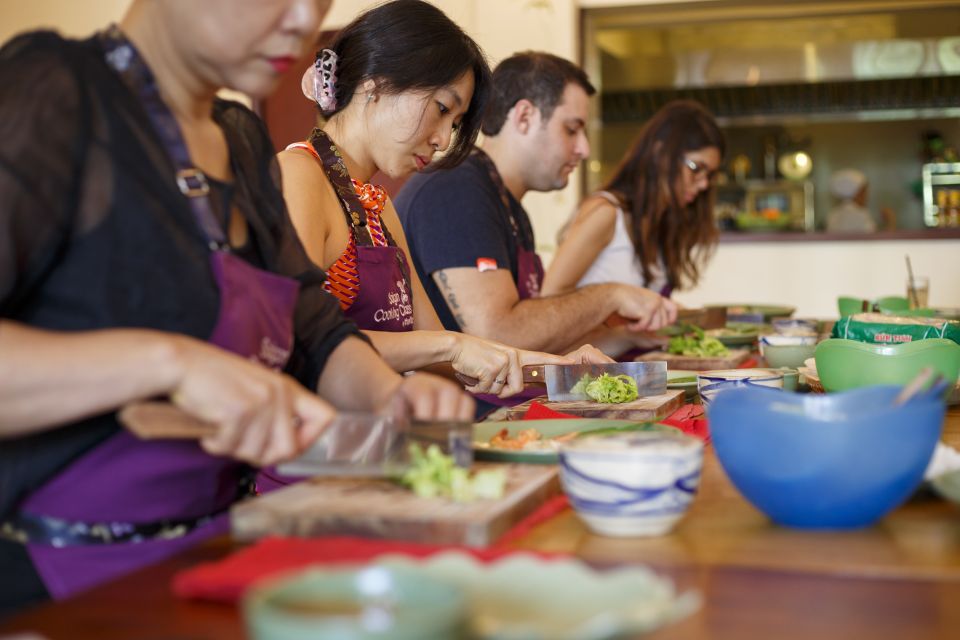
Location is one of those small details that can make or break a morning. The meeting point is at 80 Nguyen Trai Street, District 1. When you arrive, take the small alley and find the spot to your left.
Why I’m stressing this: in Ho Chi Minh City, street numbers and alleyways can be confusing, especially when you’re early and still waking up. If you plan to arrive a few minutes early, you’ll have time to orient yourself and not start the class frazzled. Being calm helps you get more out of the lesson.
The class itself runs from 10 am to 1 pm, so treat it like a true morning commitment. You’re going to be cooking and then eating. That means scheduling it when you’re not racing across town afterward is a smart move. It also means you can make it your first big food activity of the day and build the rest of your itinerary around feeling satisfied rather than hungry.
Vietnamese Kitchen Tools, Herbs, and Natural Ingredients
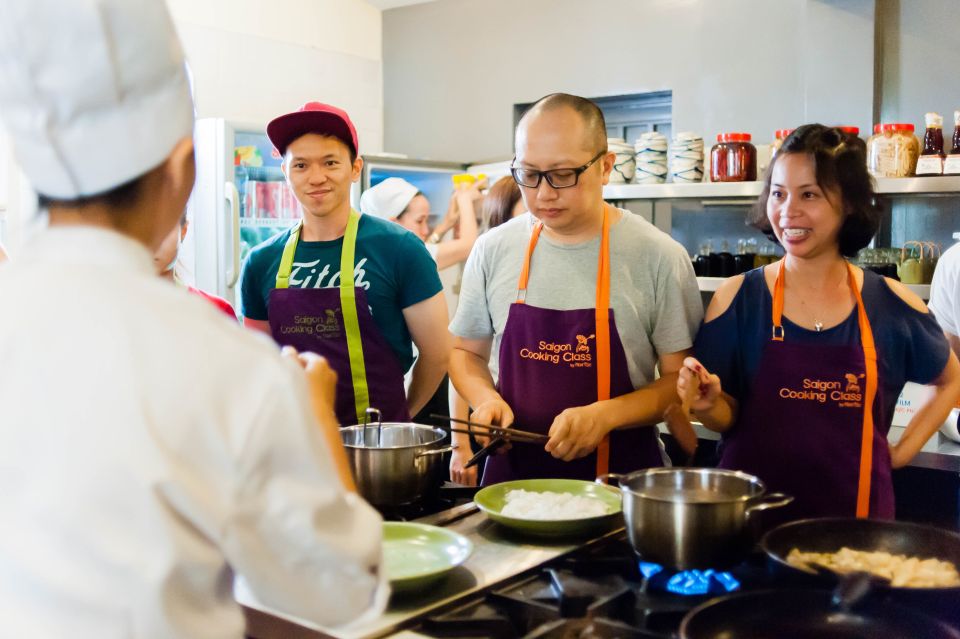
This class is not about hiding behind complicated equipment. It’s about showing you how Vietnamese home cooks think. You’ll get to see and use Vietnamese kitchenware, which matters because some tools and cookware shape the cooking process. Even when the ingredients are what you think they are, the “how” changes everything.
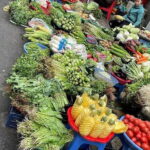
The ingredient focus is also the big theme: you use only natural ingredients and herbs. That affects more than taste. It affects texture, smell, and how long flavors take to develop. Vietnamese cooking often relies on fresh herbs added at the right moment so they don’t fade into bitterness. It also relies on sauces and seasonings where balance is everything, not just salt and heat.
Here’s the practical takeaway for you: you can learn to cook like a recipe, or you can learn to cook like a cook. A good hands-on class gives you the second option. You get to understand how ingredients behave in real time: when something needs more cooking, when something should be taken off heat, and when freshness should stay bright.
Also, the class includes water and iced tea. It’s a small inclusion, but it helps. While you’re cooking and tasting, you don’t want to be scrambling for drinks or getting dehydrated in the heat.
The 10am–1pm Flow: Cook, Taste, and Learn by Doing
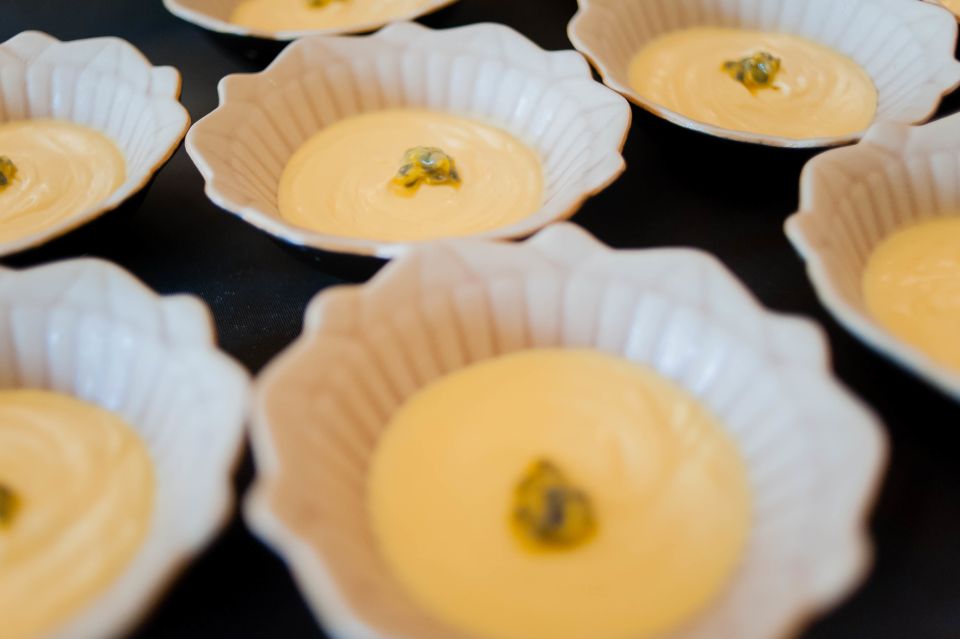
The timing is built around staying productive. You’ll make a three-dish meal, and the pattern is consistent: cook a course, taste it, then move on. This approach keeps the class from turning into a long series of prep tasks where everything feels disconnected.
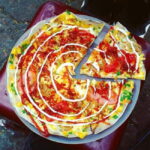
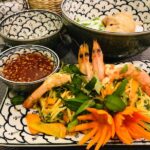
From the dishes people have mentioned, you can expect a mix that represents classic Vietnamese variety, often including things like spring rolls and dishes such as pho or banh xeo. Fresh salads can show up too, including mango salad styles. Sometimes you’ll see something that feels familiar if you’ve already had Vietnamese street food, but the class is more about technique and ingredient handling than just repetition.
Why this course-by-course structure is valuable:
- You build skills in layers. You learn one set of techniques, then apply them again in the next dish.
- You can compare tastes as you go, because you’re eating each course as it’s finished.
- You leave with a clearer mental map of the flavors in a real Vietnamese meal, not three isolated recipes.
And because you’re cooking together with your group, you also get a quick form of cultural learning. Vietnamese cooking isn’t just “food”; it’s a system. The class helps you see that system through action: how herbs, noodles, sauces, and textures work together.
You can also read our reviews of more tours and experiences in Ho Chi Minh City


Vegetarian and Allergy-Friendly Adjustments You Should Plan For
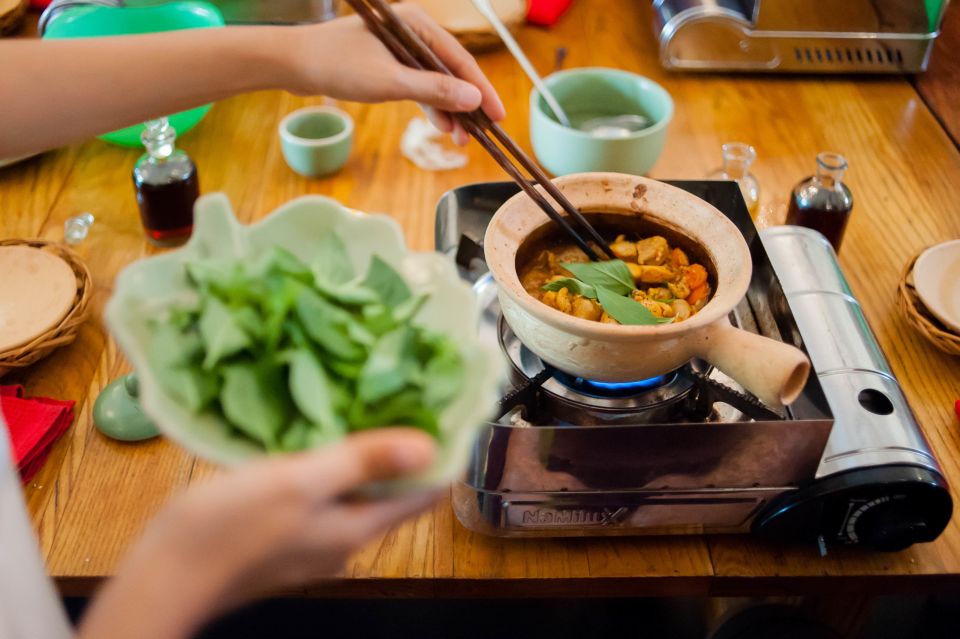
Vietnamese food can be very flexible, but flexibility depends on planning. The menu can be adapted for vegetarian or for people with food allergies as long as you tell the team during booking. That’s the key point: don’t assume they’ll guess.
If you’re vegetarian or avoiding specific ingredients, I’d treat this as a simple checklist in your booking message:
- Your vegetarian/vegan needs clearly stated
- Any allergies listed plainly (and if cross-contact matters to you, mention it)
One more practical note: since the class uses natural ingredients and herbs, the ingredient list can include fresh elements that aren’t in every standard restaurant version. That makes pre-booking communication more important than you might think.
I like that the class acknowledges adaptations directly instead of forcing you into a one-size-fits-all menu. When adjustments are handled well, the class still feels like a genuine cooking lesson. You get to learn Vietnamese flavor logic without being sidelined into something bland or unrelated.
Price and Value: What $33 Buys You in Real Cooking Hours
At $33 per person for 3 hours, this class is priced like a serious value, especially because the lesson includes the meal. You’re not paying only for instruction; you’re also getting what you cook: three dishes plus water and iced tea.
The value gets even better if you care about accuracy. When you try to cook Vietnamese food at home without guidance, you can end up buying the wrong herbs, guessing seasoning ratios, or struggling with textures like how a filling should feel before assembling. Here, someone helps you get it right in the kitchen.
You also leave with a folder of digital recipes. That means the class keeps paying off after you’re back in your hotel. You can recreate at least the core dishes from your session and compare your results to what you remember tasting. For food-focused travelers, a takeaway recipe pack can turn a one-time activity into repeatable skill.
So the real question isn’t just whether $33 is a good deal. It’s whether the 10 am–1 pm experience helps you cook real Vietnamese food without fear. For many people, that’s exactly what makes it worth it.
Who Should Book This Class (and Who Might Want to Skip)
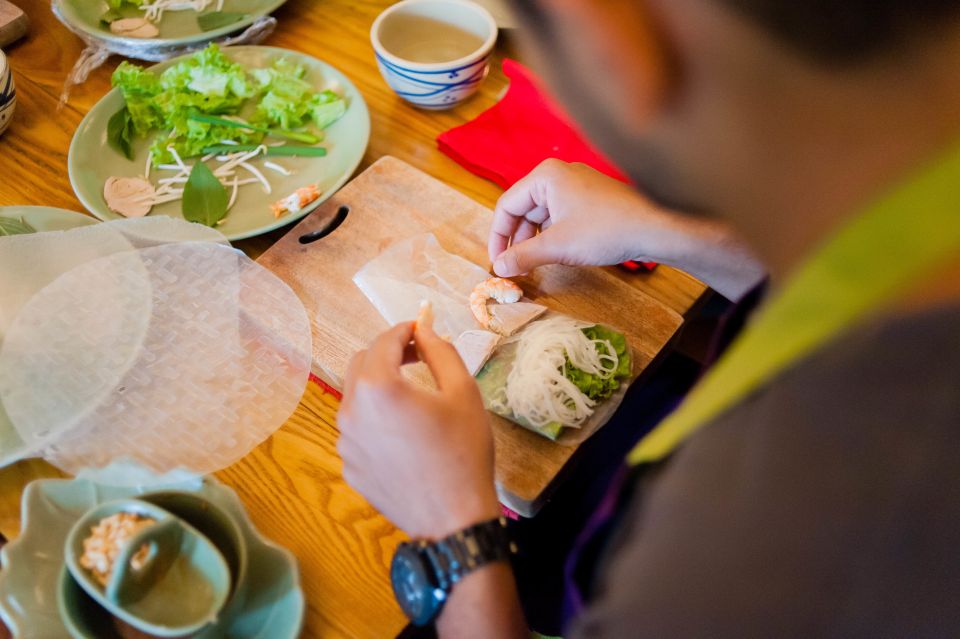
This class is a strong fit if you:
- Want hands-on learning, not just a food tour snack stop
- Like the idea of eating the dishes you cook
- Enjoy ingredients and want to understand how herbs and sauces work
- Prefer an English-guided lesson while you’re in Vietnam
You might hesitate if:
- You’re allergic to multiple ingredients and you’re worried about substitutes that aren’t spelled out in detail (in that case, ask specific questions during booking)
- You expect a slow, hyper-detailed prep session where every ingredient is handled from scratch with no prior prep
One smart approach for first-timers: book the class early in your trip. After that, your restaurant ordering gets smarter. You’ll recognize flavor patterns and know what to look for when you’re comparing dishes.
Should You Book This Hands-On Vietnamese Cooking Lesson?
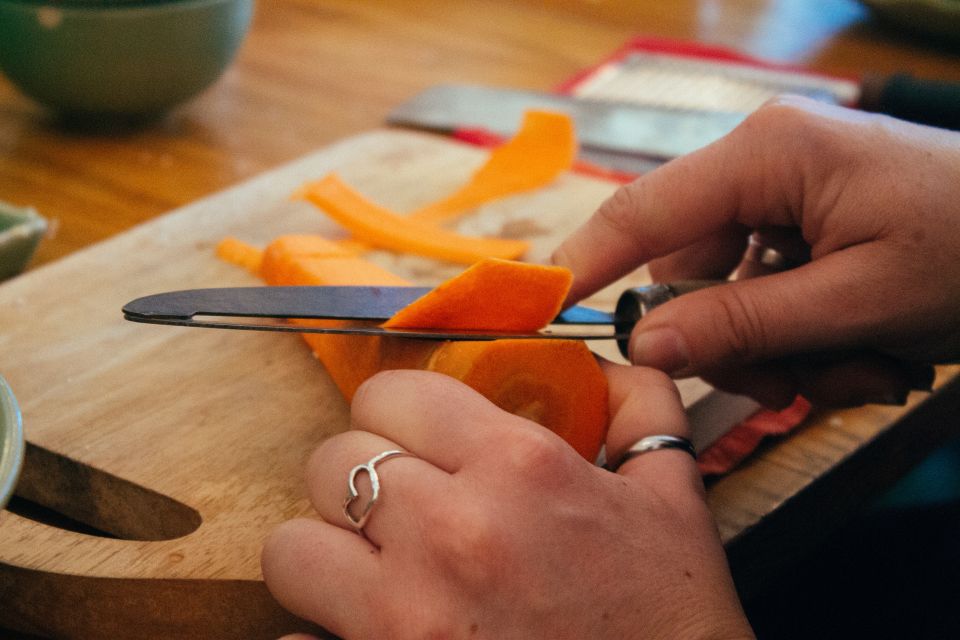
Yes, if you want a practical, food-centered experience that teaches you how Vietnamese cooking actually comes together. The combination of step-by-step guidance, a small-group atmosphere, and a real meal you eat immediately is hard to beat for the time and price. Add the natural-ingredient focus and the digital recipe folder, and you have something you can use back home, not just a one-morning memory.
If you’re the type who learns best by doing, this is your kind of class. Show up hungry, ask questions, and be ready to get your hands busy. You’ll leave with more confidence than you came in with—and that’s usually the real souvenir.
FAQ
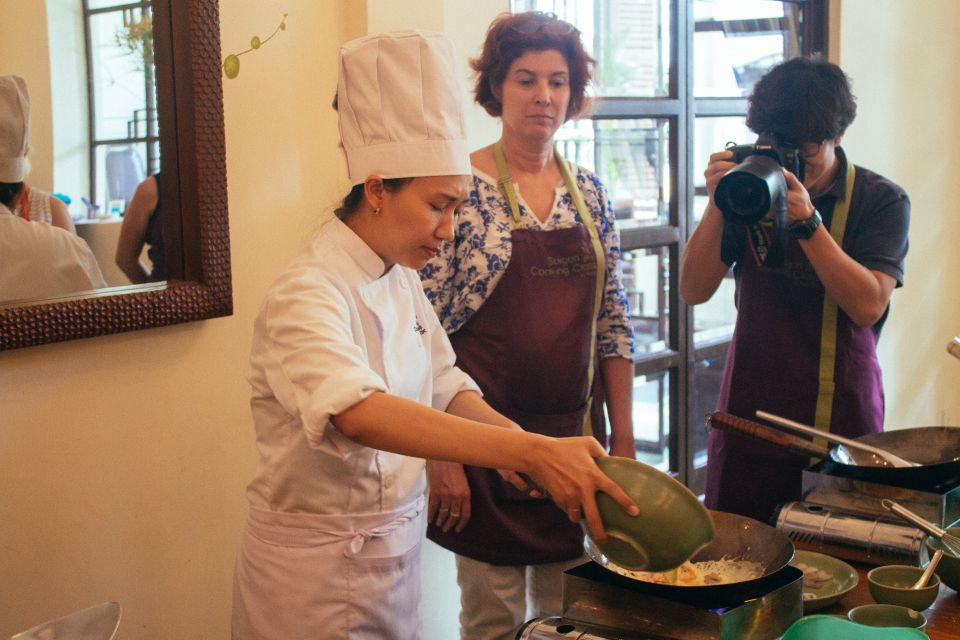
What is the duration of the Vietnamese cooking lesson?
The class lasts 3 hours, running from 10 am to 1 pm.
How much does it cost?
It costs $33 per person.
What do I eat during the class?
You cook and then enjoy a meal of three dishes.
What’s included in the price?
The experience includes the cooking class (10 am to 1 pm) and your meal of three dishes, plus water and iced tea, and digital recipes.
Is the class taught in English?
Yes, the instructor teaches in English.
Where is the meeting point?
Meet at 80 Nguyen Trai Street, District 1. Take the small alley and look for the activity to your left.
Can the menu be adapted for vegetarians or allergies?
Yes. You can request vegetarian or allergy-friendly options, but you need to specify your needs during booking.
What do I take home after the class?
You receive a folder of digital recipes.
What about cancellation and reserving?
Free cancellation is available up to 24 hours in advance for a full refund, and you can reserve now and pay later to keep plans flexible.
Is it a small-group cooking class?
Yes, it’s described as an intimate small-group cooking lesson.