REVIEW · HO CHI MINH CITY
Ho Chi Minh City & Cu Chi Tunnels Full Day Tour
Book on Viator →Operated by The Sun Tourist · Bookable on Viator
One city, then a world underground. This full-day Ho Chi Minh City and Cu Chi Tunnels trip hits major sights in daylight and then turns the switch to the history you walk into, not just read about. I like the built-in flow (museum, palace, church, post office, then tunnels) and I really like having an English-speaking guide to connect the dots between stops. The main drawback is simple: it’s a long day, and the cathedral stop can be limited if it’s closed for renovation.
You’ll start at 8:00am and return around 7:00pm, which means you should plan for a packed schedule and a bit of waiting as ticket lines form. The group stays small (up to 12 people), so you can ask questions without feeling like you’re shouting over a crowd, and the day includes an A/C ride plus bottled water.
Lunch is part of the deal, and that matters when you’re pairing intense sites like the War Remnants Museum with an outdoor tunnel visit that can get hot. I’d also wear comfortable shoes—Cu Chi involves uneven, tight spaces—so you’re not thinking about your feet halfway through the underground time.
In This Review
- Key things I’d notice before you go
- A full-day pairing that actually makes sense
- Timing, pickup, and the reality of a 10-hour schedule
- War Remnants Museum: expect to slow down
- Independence Palace: where politics turns physical
- Notre-Dame Cathedral and Saigon Central Post Office: a quick heritage walk
- Cu Chi Tunnels: the highlight, and the most real
- Lunch and energy management during a long day
- English guidance: what to look for in the role
- Price and value: where $49.90 pulls its weight
- Who this tour fits best (and who should think twice)
- Should you book this Ho Chi Minh City & Cu Chi Tunnels full day tour?
- FAQ
- How long is the Ho Chi Minh City & Cu Chi Tunnels full day tour?
- Does the tour include hotel pickup and return?
- What’s included in the price?
- What is not included?
- What time does the tour start?
- Is lunch included, and what kind of food will it be?
- Is there any weather requirement or cancellation option?
Key things I’d notice before you go
- War Remnants Museum admission included so you can focus on the exhibits instead of hunting tickets
- Independence Palace timed into the day for context on South Vietnam’s war years
- Notre-Dame Cathedral and Saigon Central Post Office on the same stretch for quick French-era atmosphere
- Five hours at Cu Chi Tunnels is enough time to see, learn, and take photos
- Vietnamese set-menu lunch + bottled water helps you keep energy up during the long haul
- English-speaking guide with A/C transfer keeps the day moving without stress
A full-day pairing that actually makes sense
This is a true one-day “best of” plan for Ho Chi Minh City with one major exception: Cu Chi Tunnels is not a quick photo stop. It’s hands-on, history-heavy, and it changes your mood fast. One moment you’re looking at surface landmarks tied to French colonial and postwar life, and the next you’re getting the story of how people survived underground during the Vietnam War era.
For me, the value here is the contrast. The city stops give you the skyline-level understanding—government power, architecture, and the public face of Saigon. Then the tunnels give you the practical reality: cramped passageways, survival tactics, and the way geography shaped daily life. It’s a lesson in how the same place can feel completely different depending on where you stand.
You can also read our reviews of more city tours in Ho Chi Minh City



Timing, pickup, and the reality of a 10-hour schedule
The day runs about 10 hours, starting at 8:00am and ending around 7:00pm. That’s long, but it’s also how you fit five major sites plus one long outdoor/underground visit without rushing so hard that nothing sticks.
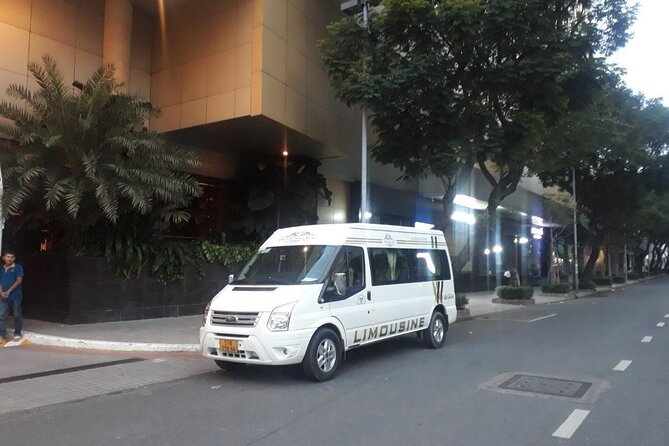
Pickup is offered, and the ride is A/C, which is a big deal in Ho Chi Minh City heat. You’ll also have bottled water included, which helps you avoid the mid-day scramble. The group size caps at 12 people, which generally makes it easier for your guide to manage ticket desks and keep everyone together.
The pace is steady rather than leisurely. You’ll spend about an hour at the War Remnants Museum, then longer blocks at Independence Palace, and shorter photo/heritage time at the cathedral and post office before the tunnels. My practical advice: eat the breakfast you’re used to, keep a small bag with water and sunscreen, and plan on taking breaks when your guide offers them rather than disappearing into the crowd.
War Remnants Museum: expect to slow down
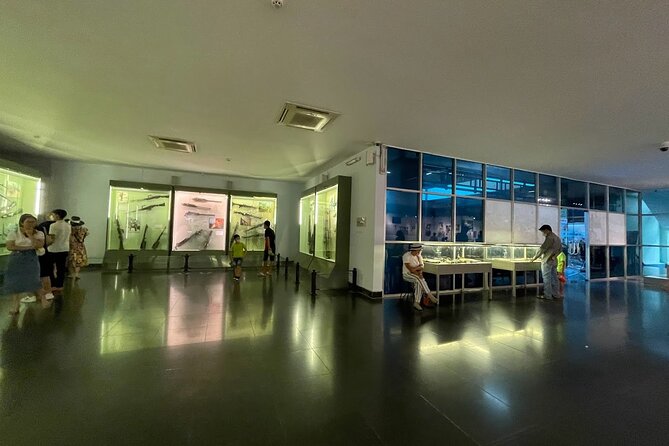
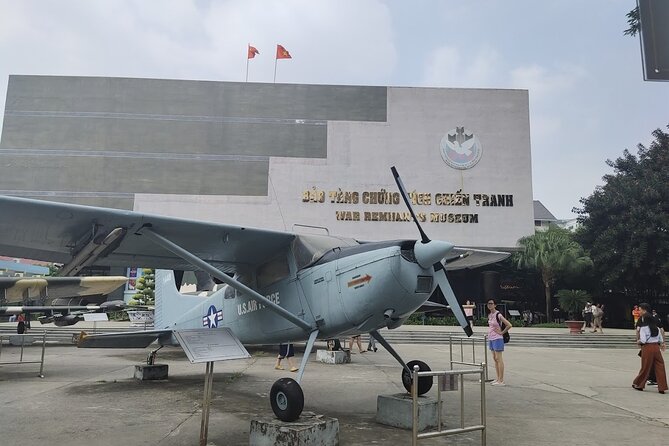
The War Remnants Museum is the kind of place that doesn’t let you stay on autopilot. It’s set up for understanding the war’s impact—on people, on communities, and on the scars that last after the fighting stops. The included admission means you can walk in directly and spend your time reading and looking at the displays rather than spending your morning on logistics.
What I like about this start is that it grounds the rest of the day. By the time you reach Independence Palace and the tunnel site later, you’re not just seeing landmarks—you’re seeing them with context.
One consideration: this museum can feel heavy. If you don’t handle intense topics well, keep your expectations clear going in. Take short pauses if you need them. It’s also a good spot to ask your English-speaking guide to explain what you’re looking at so you don’t leave with only vague impressions.
Independence Palace: where politics turns physical
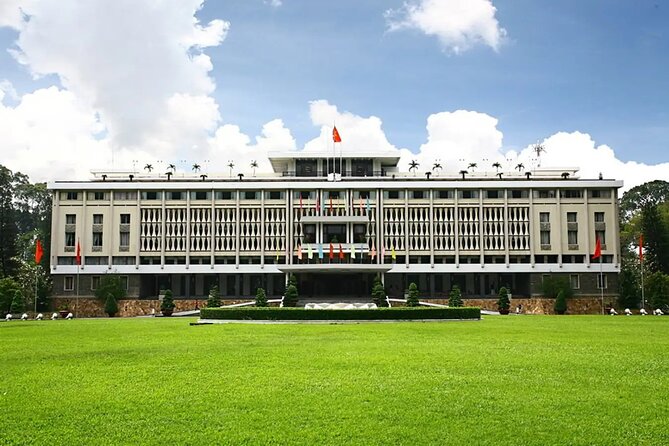
Independence Palace (also known as the Reunification Palace) is one of those places where history lives in rooms, not just signs. You get time to move through the space and understand how government operations played out during a chaotic period.
Spending around 2 hours here is useful because it gives you a chance to see the palace as both architecture and function. This stop works especially well after the museum. The museum talks about the war’s human cost; the palace helps you understand the power structures and the moment-by-moment feel of conflict and control.
A practical tip: wear shoes that let you stand comfortably. Palace tours can include walking between rooms and viewpoints, and you don’t want foot pain to steal your attention from what’s in front of you.
Notre-Dame Cathedral and Saigon Central Post Office: a quick heritage walk
You’ll have shorter windows at Notre-Dame Cathedral of Saigon and the Saigon Central Post Office, and the key is how you treat them. These aren’t “spend hours” stops. Think of them as a heritage layer: French Indochina-era design, city layout, and landmarks that locals still use as reference points.
The cathedral stop is opposite the post office area, so the geography helps. You can line up photos and details efficiently without burning time crossing town.
One important consideration from real-world experience: the cathedral visit may be limited if it’s closed for renovation, so don’t build your entire photo plan around one perfect wide shot. If that happens, stay flexible—your guide should help adjust so the day still feels complete.
You can also read our reviews of more tours and experiences in Ho Chi Minh City




Cu Chi Tunnels: the highlight, and the most real
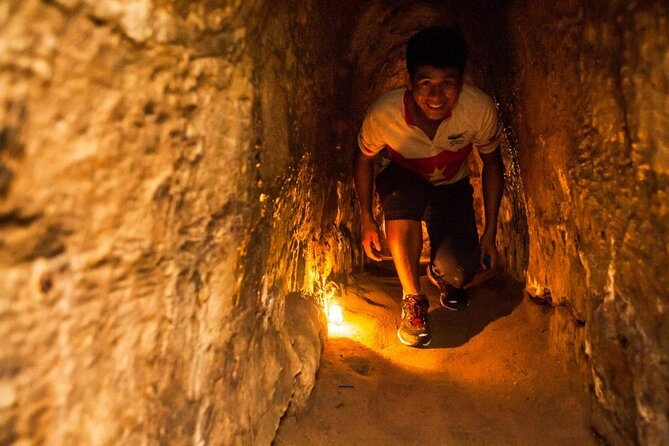
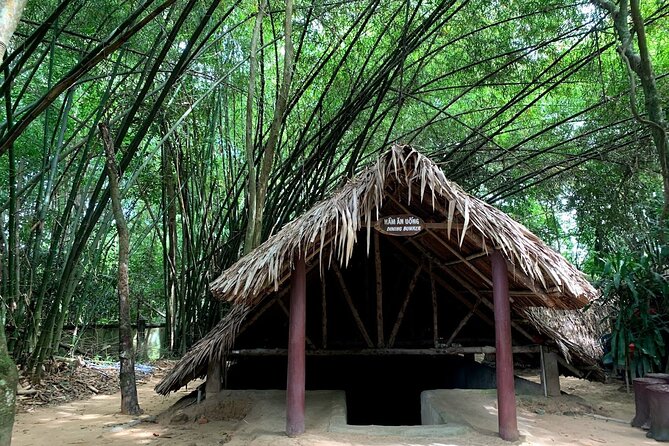
Cu Chi Tunnels is why a lot of people book this tour in the first place, and for good reason. The tunnel complex is famous for a reason: it’s a working underground world built out of necessity, and it forces you to understand how people adapted their lives to extreme conditions.
You’ll spend about 5 hours at Cu Chi, which is substantial. That time matters because the visit isn’t only visual. You’re there to learn how tunnels were built, how people lived with limited space, and how survival depended on clever use of the environment. Your guide plays a big role here, connecting the physical features to the story—so you don’t just walk through and move on.
Photo-wise, this is also one of the few stops where photos can actually carry meaning. Even if you’re not into “war tourism,” the tunnels show you the scale of effort in a way that posters never will.
Practical expectation-setting:
- Wear closed-toe shoes. The ground can be uneven.
- Go in ready for enclosed spaces and tight walkways if you choose to explore.
- Bring patience. This stop is one of the busiest in the day, so you may wait at entry points depending on the flow.
Also, there’s an optional extra related to shooting activities: the cost is not included, and bullets are listed at 60,000 VND per bullet. If you’re trying to keep the day strictly budgeted, you’ll know upfront what that is.
Lunch and energy management during a long day
Lunch is included as a Vietnamese set menu, and the day also builds in enough time that you shouldn’t end up starving between stops. You’ll likely find Vietnamese noodles among the menu options, which is a smart choice during a day that swings from museum crowds to heat exposure at Cu Chi.
I like that bottled water and lunch are included because it prevents the usual late-day problem: being hungry, cranky, and too tired to enjoy the final site. Instead, you can treat lunch as your reset and get back to the tunnels with your attention back where it belongs.
If you’re picky, keep it simple. Vietnamese set menus can be delicious but don’t always let you customize. If you have dietary needs, plan ahead—your tour materials don’t list specifics about adjustments.
English guidance: what to look for in the role
This tour includes an English-speaking guide, and that’s not just comfort—it’s how you get more out of every stop. A good guide helps you connect details across the day: how the palace and public architecture relate to the war years, and how the tunnels translate the abstract story into real human decisions.
From examples of guides named James and Marcus, the style that stands out is active help with moving through ticket areas and giving context during drives, not just reading from a script. When guidance is strong, you spend less time wondering what you’re looking at and more time understanding why it matters.
When guidance is weaker, the day can still be worth it because the sites are strong—but you might feel like you’re rushing from one place to the next. For this tour, the biggest quality lever is how well your guide explains.
Price and value: where $49.90 pulls its weight
At $49.90 per person, this looks like a bargain because several expensive-feeling pieces are bundled together: A/C transport, an English-speaking guide, entrance fees, lunch, and bottled water.
If you were to piece this together on your own, you’d typically spend money on:
- guided interpretation (or pay for your own time studying),
- transport across multiple sites,
- admission tickets,
- and lunch.
This tour packages those pieces into one price, which is exactly what you want when you’re on a time budget and you don’t want to manage ticket desks and route planning while also keeping pace for Cu Chi.
So the real question isn’t whether the tour is cheap. It’s whether you’ll actually use the time and included services well. If you want a one-day plan that hits the big city landmarks plus Cu Chi Tunnels without extra planning, the value is strong.
If you’re the type who likes slow, independent wandering, you might prefer splitting it into separate days so you can go at your own speed. But for one trip through Ho Chi Minh City, this format is efficient.
Who this tour fits best (and who should think twice)
This tour fits well if:
- you want a single-day hit of Ho Chi Minh City landmarks plus Cu Chi,
- you like having someone handle tickets and keep you on track,
- you appreciate historical context more than shopping time,
- you’re okay with a packed schedule.
It might not fit as well if:
- you’re sensitive to heavy wartime material and need a lighter start,
- you want flexible timing for photos and extra wandering at each site,
- you’re traveling with very small kids or anyone who struggles with long standing and walking (the day is about 10 hours).
One more fit check: “most people can participate,” which helps. Still, Cu Chi involves uncomfortable conditions compared to the city stops, so if mobility is limited, you should think carefully.
Should you book this Ho Chi Minh City & Cu Chi Tunnels full day tour?
I’d book this tour if your goal is clear: see the core Ho Chi Minh City landmarks and then experience Cu Chi Tunnels in a guided, time-efficient way. The included admission tickets, A/C transfer, lunch, and bottled water make it easier than building the day yourself. Plus, the timing is practical: you get a morning city start and then the tunnels when the day is still manageable.
Skip it or reconsider if a long day would drain you, or if you expect the Notre-Dame Cathedral stop to be the main photo moment. Renovation closures can affect that specific stop, so your plan should be flexible.
If you do book, pack for comfort: closed-toe shoes, sun protection, and a small day bag. And when you reach Cu Chi, treat it like the centerpiece it is—not like a quick add-on.
FAQ
How long is the Ho Chi Minh City & Cu Chi Tunnels full day tour?
It lasts about 10 hours, with pickup in the morning starting at 8:00am and returning to your hotel around 7:00pm.
Does the tour include hotel pickup and return?
Pickup is offered, and the schedule returns you back to your hotel at the end of the day.
What’s included in the price?
The price includes an A/C vehicle, an English-speaking guide, entrance tickets, Vietnamese set menu lunch, and bottled water.
What is not included?
Tips are not included, and any optional shooting gun activity is not included (bullets are listed at 60,000 VND/bullet).
What time does the tour start?
The tour starts at 8:00am.
Is lunch included, and what kind of food will it be?
Lunch is included as a Vietnamese set menu. Noodles are part of the lunch experience on this tour.
Is there any weather requirement or cancellation option?
The experience requires good weather. If it’s canceled due to poor weather, you’ll be offered a different date or a full refund. There is also free cancellation up to 24 hours in advance for a full refund.