REVIEW · HO CHI MINH CITY
Ho Chi Minh City Sightseeing, nightlife Saigon, Local Markets
Book on Viator →Operated by CONNECT CULTURE CO.,LTD · Bookable on Viator
Saigon can overwhelm fast. This motorbike tour gives you a clear route through the neighborhoods, plus hands-on food stops and culture talk. I like that it’s private (you’re not stuck in a huge group) and that you get guided street-food style tastings and coffee, not just photo stops. One thing to keep in mind: it’s a scooter tour, so if you’re sensitive to movement or traffic noise, this may feel like a lot.
I also appreciate how the day mixes big-history moments with places that feel everyday. You’ll touch sites tied to Vietnam’s modern story, then shift to markets and daily life where you can actually see how Saigon works. The only potential snag is that a restaurant or attraction can be closed or under maintenance, so your exact food moment may shift.
In This Review
- Key highlights worth planning around
- Saigon by scooter: why 4 hours can feel like a week
- What you’ll actually see: tunnels, Chinatown, the floating markets, and Thich Quang Duc
- Stop-by-stop: the 1968 apartment and how locals once lived
- Chinatown and floating-market style stops: eating culture meets navigation
- Thich Quang Duc: history that explains more than one headline
- Flower market stop: a sensory break that still fits the theme
- Food tasting and coffee: enough for a snack, not a second dinner
- Price and logistics: what $16 really buys in Saigon time
- Nightlife-friendly timing (and how to keep energy up)
- Who should book this motorbike market and history tour?
- Should you book this Saigon sights-and-markets tour?
- FAQ
- How long is the Saigon motorbike sightseeing tour?
- What is the price per person?
- Does the tour include hotel pickup and drop-off?
- What’s included in the tour price?
- What if I have allergies or dietary restrictions?
- Can I cancel for a full refund?
Key highlights worth planning around
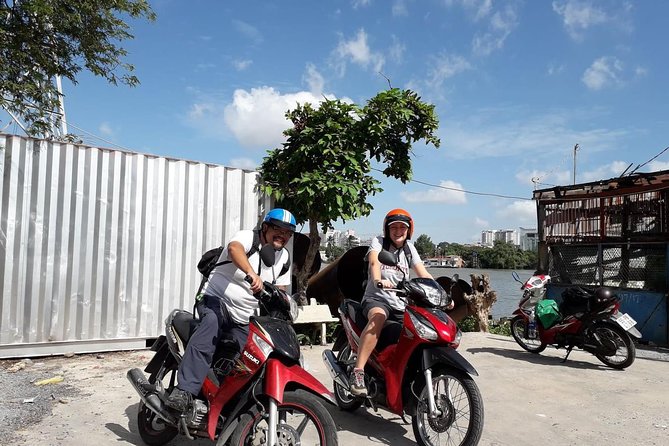
- Private guide + helmet: you get a local voice and safer logistics on a busy city ride
- Street-level history: modern Vietnam explained through real landmarks, not just plaques
- Market stops: a major flower market plus time in Chinatown and the floating-market style area
- Food tasting and coffee: samples are included, and you won’t leave hungry
- Hotel pickup/drop-off: you lose less time figuring out transit
- Small overall cap: the tour limits group size to 30, which helps keep things calmer
Saigon by scooter: why 4 hours can feel like a week
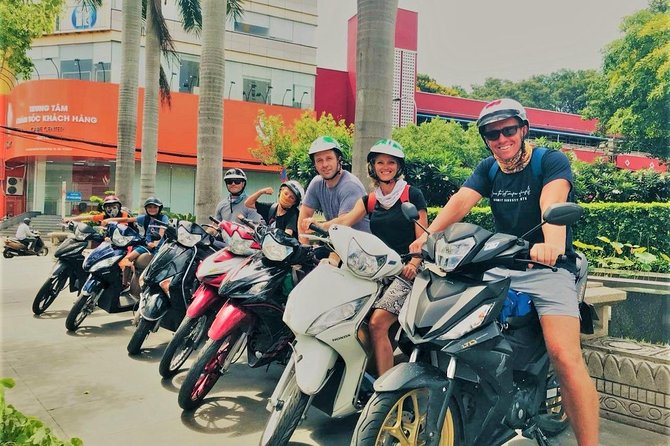
The best part is how quickly this tour helps you get oriented. Ho Chi Minh City can be confusing at first—streets twist, names change, and traffic doesn’t wait. Riding by motorbike means you’re not spending half the day commuting; you’re stacking experiences while the city is still fresh in your eyes.
You’re given a helmet and a guide who’s used to local flow and timing. That matters. Even if you’ve never ridden a scooter in Vietnam, you’ll have structure: where to go, when to park, and what to pay attention to on the street. The tour also uses a mobile ticket, which is one less thing to keep track of in a city where you’ll probably be moving around all day.
This is also where the private setup earns its keep. A private guide can slow down when you have questions, and they can adjust the route so you’re not rushing through every stop like it’s a checklist. In the guide lineup you’ll see names like Minh, Peace, Trang (also listed as Tracy), Tim, Biem, Tom, Logan (Vinh), and Huy—so you’re not dealing with a random script. You’re dealing with a person who can explain what you’re seeing and what it means.
You can also read our reviews of more city tours in Ho Chi Minh City



What you’ll actually see: tunnels, Chinatown, the floating markets, and Thich Quang Duc
This tour is built around a set of Saigon highlights that cover both the “big sights” and the everyday city texture. You should expect a route that touches major landmarks such as the Saigon River Tunnels, the floating-market area, and Chinatown.
You’ll also visit the Thich Quang Duc monument, which is tied to a defining moment in Vietnam’s modern history. The guide gives the context: in 1963, the monk Thích Quảng Đức burned himself as a protest connected to the persecution of Buddhists. That stop isn’t meant to be quick and forgettable. It’s a chance to understand how religion, politics, and public pressure shaped the era—and why that history still sits inside the city today.
Then the tour pivots to places that show Saigon’s habits rather than its headlines. The floating-market style stop (often described as floating fruit markets) helps you see trade and daily life from a different angle than standard street markets. And Chinatown adds another layer: you’ll get a sense of how communities cluster and share spaces, especially through food, shops, and street activity.
Practical tip: because this is a motorbike day, you’ll do best with light layers and water-friendly habits. You’ll get bottled water, but you’ll still want to stay comfortable while riding and walking a bit between stops.
Stop-by-stop: the 1968 apartment and how locals once lived
One of the more interesting segments is the visit to an older apartment building in Saigon—described as the oldest apartment built in 1968. This isn’t a “museum” feel. It’s more like a snapshot of what daily life looked like in a particular era, when housing design and city planning were shaped by the time.
Why this stop is worth your time: it shifts you away from the standard Vietnam script of only war-era sites and grand monuments. Here, the story is domestic—how people lived, what their routines might have looked like, and how neighborhoods evolve around everyday needs.
Also, because the tour is private, the guide can tailor how they frame that living-history moment. If you’re curious about architecture, they can point out details. If you’re more focused on social history, they can connect it back to the wider cultural changes in Vietnam.
The main drawback? You’re dependent on what’s available that day. The tour information notes that the restaurant or attraction could be closed or under maintenance. So if this housing stop is one of your top priorities, bring a little flexibility—you’ll still get other key sights.
Chinatown and floating-market style stops: eating culture meets navigation
If Saigon is a maze, markets are the landmarks that make it make sense. Your route includes Chinatown and market areas, including the floating-market style stop. This is where you feel the city’s “systems” more clearly—how people move, how vendors sell, and how food culture ties into everyday shopping.
Chinatown in particular works well in a guided setting. Without a local guide, it’s easy to get lost or end up only in the most touristy corners. With a guide, you can focus on what’s meaningful: how streets are organized, what kinds of goods are prominent, and what kinds of food culture you’re seeing.
Then there’s the floating-market style experience. Even if you’ve seen markets elsewhere, Vietnam’s floating commerce has a different rhythm. You’ll get a sense of why goods and food circulate the way they do, and how that shapes the communities around waterways.
Quick sanity check: if you’re hoping for a long “market stroll,” this tour is more efficient than sprawling. It’s designed to hit multiple highlights in a half-day (about 4 hours), so you’ll have time, but you won’t treat it like a full-day shopping expedition.
Thich Quang Duc: history that explains more than one headline
The Thich Quang Duc monument stop is one of those moments that can reframe what you thought you knew about modern Vietnam. The tour explains the protest connected to Buddhists in 1963, and how Thích Quảng Đức’s actions became a symbol that traveled far beyond that single act.
I like this stop because it doesn’t sit in a vacuum. The guide’s explanation connects the history to the present city rather than leaving you with dates and facts only. It helps you understand why certain sites in Saigon feel emotionally loaded—even when they’re just standing there in plain view.
If you enjoy history that has a clear human story, this part will land well. It’s not just a monument photo; it’s a context stop. And because you’re riding through the city between landmarks, the day constantly links the past to the current streets.
You can also read our reviews of more nightlife experiences in Ho Chi Minh City


Flower market stop: a sensory break that still fits the theme
Between dense historical and cultural stops, you get a breather: the biggest flower market in Saigon. Expect a large variety of flowers and a real sense of how suppliers feed daily life—home décor, religious events, and street commerce.
Why it works inside a half-day tour: it’s colorful, yes, but it’s also practical. Seeing how flowers move through the city gives you a calmer look at how the local economy and rituals function. You’re not only learning about conflict or architecture—you’re seeing the “celebration supply chain.”
This is also a good moment to take photos, since flower markets are basically made for it. Just keep in mind: you’ll likely be moving quickly afterward, so don’t overstay if the group schedule is still tight.
Food tasting and coffee: enough for a snack, not a second dinner
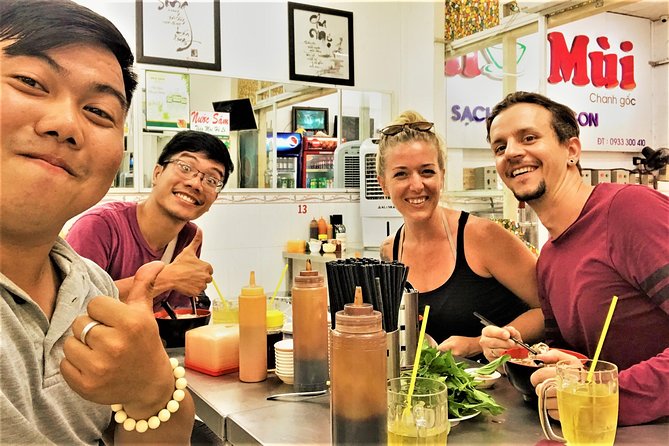
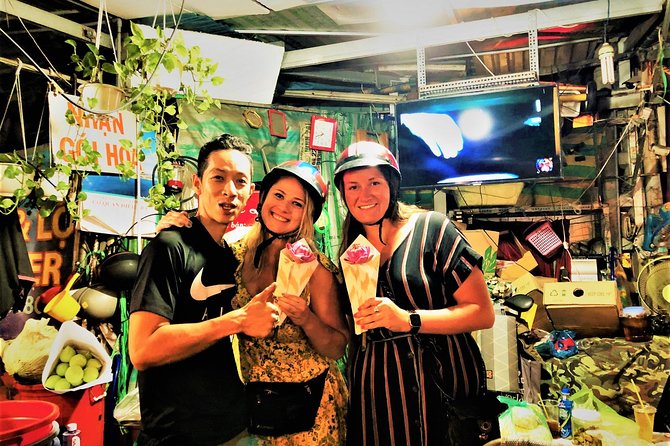
Food is included, and it’s one of the best ways to turn sightseeing into something you’ll remember with your senses. You’ll get food tasting plus coffee as part of the tour experience. Bottled water is also included, which is a lifesaver on a warm ride day.
One detail I really like: the tour is built so food doesn’t swallow the entire schedule. That means you still see a lot. You can think of it as smart sampling: you get taste, you get context from the guide, and you leave ready to continue exploring later—maybe at a local place near your hotel.
Also, the tour notes that it can be flexible for allergies or religion-related cuisine concerns. If you have dietary restrictions, tell the provider in advance so they can adjust what you sample.
Practical note: the tour suggests leaving important items at the hotel. That’s not just caution fluff. Scooter days mean you have hands-free logistics issues and quick stops. If you prefer to travel light, this advice matches real-world comfort.
Price and logistics: what $16 really buys in Saigon time
At $16 per person for around 4 hours, this is strong value if you want structure. You’re paying for more than “transport.” You’re paying for a private guide, a vehicle, helmet support, hotel pickup and drop-off, plus the included tastings and water.
Here’s how to think about value:
- If you tried to DIY this route, you’d lose time negotiating transport and figuring out which stops are worth your effort.
- The guide saves you that time and adds context—especially for the history-linked sights like Thich Quang Duc.
- The market and food stops mean you’re not just moving through the city; you’re experiencing the city.
The tour also limits overall group size to a maximum of 30 travelers, which helps keep it from turning into a long slow caravan. Still, because it’s described as private with a private guide and vehicle, the day is meant to feel tailored to you, not like a mass group bus schedule.
Mobile ticket + hotel pickup means fewer moving parts before you even start. If you’re the type who hates last-minute chaos, this is a relief.
Nightlife-friendly timing (and how to keep energy up)
Even though the focus is sightseeing and local markets, this kind of half-day plan can set you up nicely for the evening. You’ll know where you are and what neighborhoods feel right for you, which makes picking nightlife stops easier afterward.
How to keep the energy up:
- Eat beforehand if you’re worried about strong coffee effects. One of the tour experiences you’ll see in guide feedback involved coffee strong enough to feel like a brain rush, so going in rested helps.
- Bring a small layer. Scooter rides can feel cooler once you pick up wind.
- Use your water and take your time at the flower market stop. It’s your calm breathing space.
Who should book this motorbike market and history tour?
I’d point you toward this tour if:
- You want a high-efficiency introduction to Saigon in a short time
- You like your history explained through real places (not just reading panels)
- You enjoy markets and food samples as part of the route, not separate activities
- You prefer the safety and structure of helmet use and a guide who controls the pace
You might think twice if:
- You’re uncomfortable riding a scooter in heavy traffic or you’re motion-sensitive
- You’re strict about timing and hate any chance of a restaurant being closed (the tour notes that some stops can vary due to maintenance)
- You don’t want to leave small personal items secured at your hotel (the tour recommends leaving important items there)
Should you book this Saigon sights-and-markets tour?
If you’re trying to make the most of limited time in Ho Chi Minh City, I’d recommend booking. For $16, you get a private guide, a scooter-based route that hits major sights like the Thich Quang Duc monument, plus culture stops like Chinatown and the floating-market style experience, and a food-and-coffee tasting component.
The main reason not to book is simple: if scooters stress you out, don’t gamble with your comfort. Otherwise, this tour is a practical way to get bearings fast—so you can spend the rest of your stay exploring with more confidence.
FAQ
How long is the Saigon motorbike sightseeing tour?
It runs for about 4 hours.
What is the price per person?
The price is $16.00 per person.
Does the tour include hotel pickup and drop-off?
Yes. Hotel pickup and drop-off are included.
What’s included in the tour price?
The tour includes bottled water, food tasting, a driver/guide and local guide, hotel pickup and drop-off, helmet use, and a private tour.
What if I have allergies or dietary restrictions?
The tour says you should let them know for allergies, religion-related cuisine culture, or personal convenience so they can make the tour flexible for you.
Can I cancel for a full refund?
Yes, you can cancel for free up to 24 hours in advance for a full refund.
![[Free E-sim] Evening Walking Tour in Saigon - Stop 1 at % Arabica: coffee-shop photos and street energy](https://a.saigonguides.com/wp-content/uploads/free-e-sim-evening-walking-tour-in-saigon-400x267.jpg)