REVIEW · HO CHI MINH CITY
Ho Chi Minh Most Historical Spots & War Museum Tour (Private & All-Inclusive)
Book on Viator →Operated by ForeverVacation · Bookable on Viator
History hits fast in Saigon. This private tour pairs hard-to-forget war context with calmer stops like a Buddhist memorial and a Khmer pagoda, all guided in English by folks including Ocean, who kept the day clear, respectful, and easy to follow. I especially love the War Remnants Museum for its focused storytelling, and I like the private hotel pickup because it turns a long day into a smooth one.
The other standout is the pacing: you get a museum morning, a proper lunch break, then cultural stops that help the day make emotional sense instead of feeling one-note. The possible drawback is intensity—this is not a light history day—and some museum rooms can feel confrontational, so it helps to go in ready for strong images and themes.
In This Review
- Key Takeaways (Ho Chi Minh War + City Sights Tour)
- Private Pickup, Air-Conditioned Comfort, and a Real 1-Day Pace
- War Remnants Museum: Why This Stop Is the Whole Point
- Thich Quang Duc Monument and Chùa Chantarangsay: Quiet Protest to Khmer Pagoda Peace
- FITO Museum: Medicine, Architecture, and Why It’s More Than a Quick Detour
- City Sight Segments: Colonial Icons, Markets, and Streets With Layers
- Reunification Palace and the Nguyen Dinh Chieu Little House: Power, Escape, and Memory
- When Time Allows: Sky Deck Views, Temples, Churches, and Water Puppetry
- Price and Value: $133 Private Tour That Trades Speed for Meaning
- What to Bring (and How to Prepare Your Mood for This Day)
- Should You Book This Tour?
- FAQ
- What time does the tour start?
- How long does this experience take?
- Is hotel pickup included?
- Is this a private tour?
- Which admissions are included?
- What are the main stops on the day?
- Is there a mobile ticket?
- Can I cancel for a full refund?
- Is the guide language English?
Key Takeaways (Ho Chi Minh War + City Sights Tour)

- War Remnants Museum admissions included, with audio support using numbered information at exhibits.
- Intense content handled thoughtfully through a guided flow (war crimes and Agent Orange are included themes).
- Thich Quang Duc Monument adds protest history and spiritual context near the major reunification sites.
- FITO Museum offers a modern museum format with multiple floors and 18 exhibition rooms focused on medicine.
- A private group means you move at your pace instead of getting swallowed by a crowd.
- Flexible city-sight connections often link colonial-era icons with viewpoints, markets, and temples depending on time.
Private Pickup, Air-Conditioned Comfort, and a Real 1-Day Pace
Your day starts with a private pickup from your hotel around 9:00 AM. Your exact pickup time can shift a bit based on where you’re staying, but the key value is that you’re not figuring out transit with museum timing in mind. You ride in a comfortable, spacious, air-conditioned vehicle, which matters in Ho Chi Minh’s heat and humidity.
This is scheduled for roughly 6 to 7 hours, so it fits first-time visitors who want big-ticket context without turning the day into a marathon. Also, because it’s a private tour, only your group participates, which usually means fewer pauses for crowd control and more time for questions.
One small practical note: you’ll want to keep your phone charged and your camera ready, but also keep space for quiet moments at memorial sites. This tour gives you both the loud history and the calmer pauses, and you’ll feel the contrast.
You can also read our reviews of more private tours in Ho Chi Minh City



War Remnants Museum: Why This Stop Is the Whole Point
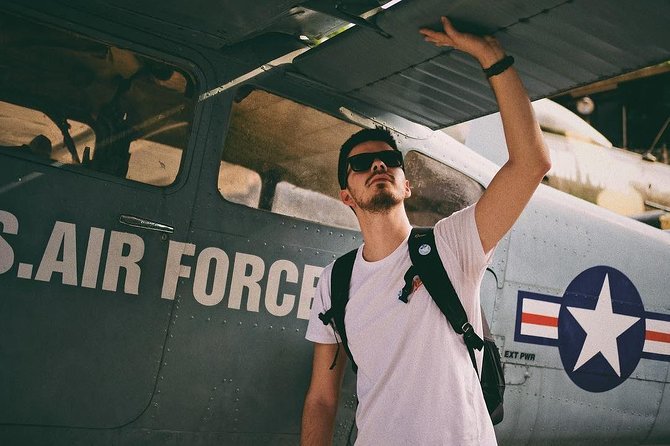
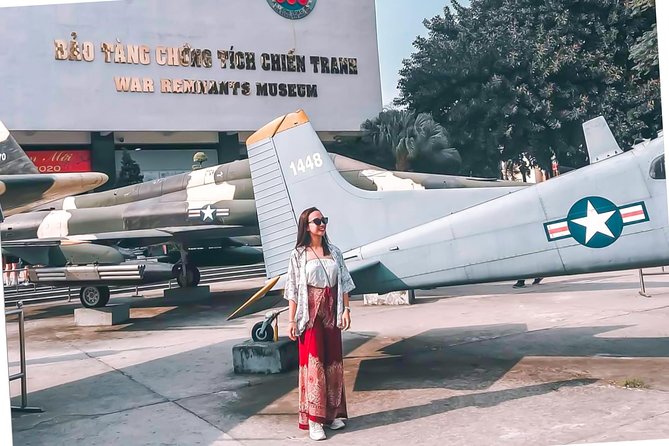
The morning centerpiece is the War Remnants Museum, opened to the public in 1975. It was once known as the Museum of American War Crimes, and the name matters: it’s built to make you look directly at war impacts rather than soften them.
The museum is described as shocking, with graphic photography and clear documentation of wartime actions. One review detail that you’ll be glad to know ahead of time: you can get earphones and use a numbered headset system to match the information to what you’re looking at. That setup can make the museum feel less chaotic because you’re not guessing what to focus on room to room.
From what’s been shared about the experience, some rooms can land hard. Themes mentioned include war crimes and Agent Orange, including moments that can feel like a punch in the gut. If you’re the kind of person who prefers historical facts without emotional images, you might find this tough. If you want the truth on its own terms, this is the kind of place that helps you understand why the rest of the country’s stories are so layered.
Practical tip for your visit: plan to slow down. Give yourself permission to stand with the photos and read the documentation rather than racing to the next display. A guided flow helps, but your own pace matters here.
Thich Quang Duc Monument and Chùa Chantarangsay: Quiet Protest to Khmer Pagoda Peace

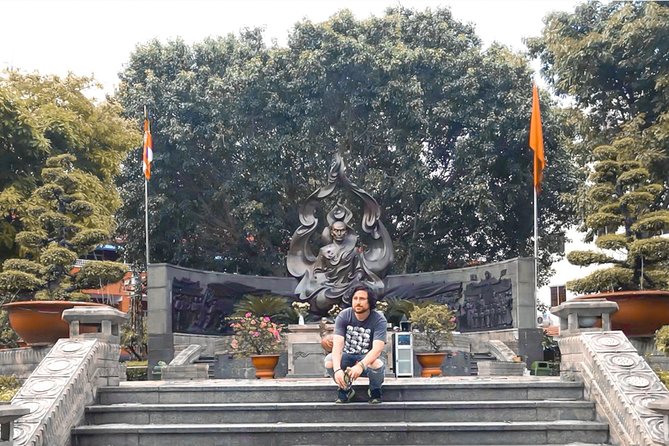
After the museum, the day shifts into a calmer, reflective mood. You’ll stop at the The Venerable Thich Quang Duc Monument, dedicated to the Buddhist monk who self-immolated in 1963 as protest. The memorial is tied to the historical geography of the city, described as being at an intersection not far from today’s Reunification Palace area.
What I like about this stop is that it doesn’t feel random. It connects to a turning point in Vietnamese history—without requiring you to jump straight from graphic war imagery into another street tour. The monument park is peaceful, which gives your nervous system a breather before the next museum and temple visits.
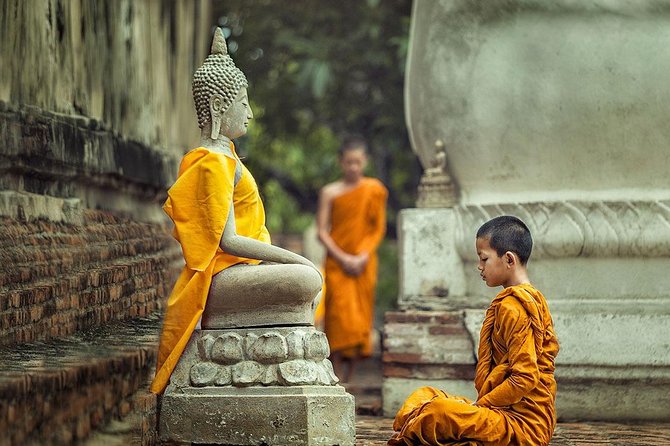
Then you head to Chùa Chantarangsay, a Khmer pagoda for the Khmer community in southern Vietnam. The key detail here is religious context: it also houses monks from the Theravada tradition, described as one of the most ancient branches of Buddhism. This kind of stop adds a deeper layer to your understanding of Vietnam that doesn’t come from politics alone.
Practical guidance: treat these places as places, not photo sets. Even if you’re eager for pictures, keep your voice down and watch where people are walking and praying. The payoff is a more grounded sense of how religion and community life sit inside the city’s story.
FITO Museum: Medicine, Architecture, and Why It’s More Than a Quick Detour
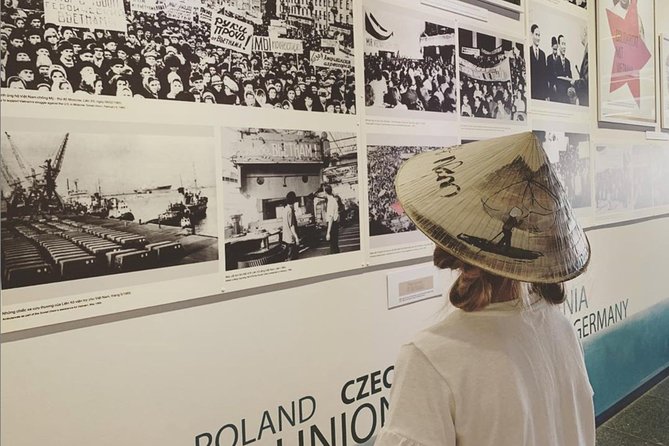
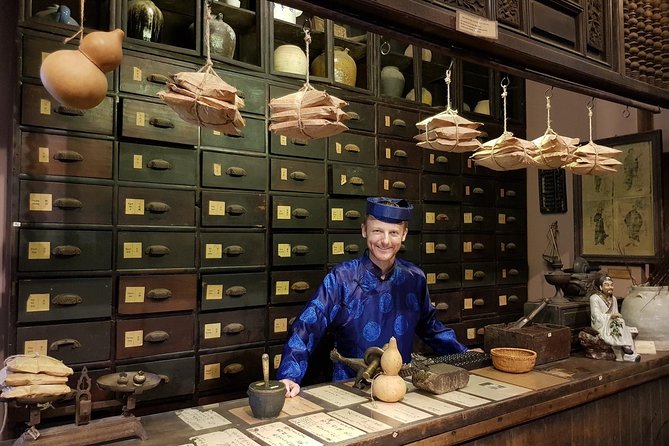
Next up is the FITO Museum, and it’s a smart change of pace after war and memorial themes. The museum’s architecture is described as a blend of traditional and modern design, and it’s set up across one ground floor and five upper floors with 18 exhibition rooms.
That layout matters for your experience. A museum with multiple floors can become overwhelming if you only have a quick glance, but a guided visit usually helps you hit the rooms that best match your interests. You’ll likely come away with a better sense of how medicine isn’t just clinical in Vietnam—it’s also cultural, historical, and tied to how people think about health.
Because admission is included for this stop, it’s also a good value moment in the middle of the day. You’re paying for time and guidance, not just entry.
One consideration: if you’re sensitive to lots of printed text or product-style museum displays, plan to skim with purpose. If you like visual explanations and systems (how something works, how it’s categorized, how it evolved), FITO will feel rewarding rather than like filler.
City Sight Segments: Colonial Icons, Markets, and Streets With Layers
As your day moves into the city, the tour leans into big-name Ho Chi Minh City landmarks and classic photo corridors. The stop list includes several places around District 1 and central streets, and how many you see can depend on timing. Still, the tour is clearly built to connect different eras without requiring you to hop around alone.
A few highlights you’ll likely recognize fast:
- Đồng Khởi Street, linked to the French-era street name Rue Catinat and now one of the city’s main connective roads.
- The Saigon Opera House, an elegant colonial-era building at Le Loi and Đồng Khởi.
- The Saigon Central Post Office, constructed between 1886 and 1891. It’s described with Gothic, Renaissance, and French colonial design, and the guide context includes a note that some people mistakenly credit Eiffel.
- Ho Chi Minh City Hall (Hôtel de Ville), built 1902–1908, later renamed after 1975.
- Saigon’s Cathedral area, including Notre-Dame Cathedral Basilica of Saigon.
Then there’s Ben Thanh Market, the kind of place where you can browse, eat, and pick up practical souvenirs. It’s useful to stop here on a guided day because someone can point out what’s worth your time and what’s more about tourist-style pricing.
Also on the city list: Ho Chi Minh City Book Street, described as a beautiful walking street, plus the Turtle Lake roundabout area (near major streets). These can be great for photos and a short reset without feeling like you’re stuck inside another building.
Practical tip: if your goal is photos, pick moments where you can step aside and breathe. Some streets are best viewed like a moving storyboard, not like a checklist. The tour format helps because you’re not sprinting between spots; you’re being brought there with context.
You can also read our reviews of more historical tours in Ho Chi Minh City






Reunification Palace and the Nguyen Dinh Chieu Little House: Power, Escape, and Memory
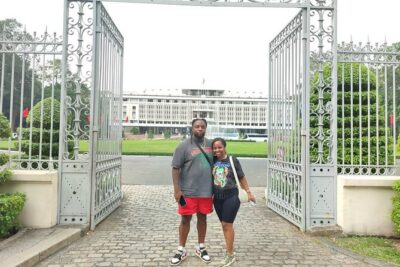
No Saigon history day is complete without stepping into the sites linked to reunification and political shifts. You’ll visit Reunification Palace, described as the base of General Ngô Đình Diệm until his death in 1963. The site also includes a famous image in Vietnam’s world history: a tank crash through the main gate, tied to 1963, and the palace’s major global moment is associated with 1975.
Even if you don’t know the details right now, seeing the place gives you a physical sense of how quickly the city’s power structure changed. It also explains why memorials like Thích Quang Đức’s monument sit in the same historical neighborhood.
Another intriguing stop on the list is the Nguyen Dinh Chieu Street little house. It’s described as a hiding place for nearly two tons of Saigon Commandos weapons during the spring offensive and the 1968 uprising, and it’s been declared a National Monument of Culture. This is the kind of stop that feels small at first glance, but it adds texture to the war story. You’re not only seeing public power—you’re seeing what happened behind the scenes.
If you’re the type who likes stories of individuals and small-scale decisions, these two stops together can be a real eye-opener. They also help balance the museum’s big, graphic scale with ground-level human action.
When Time Allows: Sky Deck Views, Temples, Churches, and Water Puppetry
Depending on the day’s timing, you may get add-ons that shift your perspective from ground-level history to skyline and cultural performance traditions. The stop list includes a Bitexco Financial Tower & Sky Deck, described as standing 262 meters high with city views. If your main goal is history, you can treat this as a breather: look out over the same city you just studied, and you’ll understand why Saigon’s geography matters.
On the spiritual and cultural side, you might visit Thien Hau Temple, a Chinese-style temple of the sea goddess Mazu in the Cho Lon area. You could also see Tân Định Church, described as a Roman Catholic church (Church of the Sacred Heart of Jesus), built in 1876, with Gothic and Renaissance elements.
Then there’s water puppetry, a tradition described as dating back to the 11th century in the Red River Delta. Even if you’re not a performer person, this can add a Vietnam-specific artistic flavor that feels far away from war photos but still connected to everyday life.
The list also mentions À Ố Show, described as a Vietnamese bamboo circus performance. If it’s included on your route, treat it as a light, skill-based contrast rather than a history lecture.
One caution: if you see a long-distance add-on on your day plan (like Củ Chi tunnels, which are described as a vast underground network under Ho Chi Minh City), confirm how much time it will take. It can easily stretch your schedule if you’re aiming to cover both war museums and central landmarks in one day.
Price and Value: $133 Private Tour That Trades Speed for Meaning
At $133 per person, you’re paying for more than transportation. You’re buying a guided day designed to connect themes: war context, protest history, cultural faith sites, and city icons.
Here’s where the value shows up clearly:
- Private hotel pickup and air-conditioned vehicle reduce stress and wasted time.
- Admission included at the War Remnants Museum and FITO Museum.
- Free admission is listed for the Thích Quang Duc Monument and Chùa Chantarangsay.
- You also get the benefit of a guide who can explain what you’re looking at, including the way the War Remnants Museum’s headset system works.
Is it a bargain? It’s not the cheapest way to see Saigon. But it’s priced like a history-heavy day where you’re paying for order. When you’re dealing with intense subject matter, that structure is worth real money.
One more value point from the reviews: the guide experience seems to matter. Ocean is mentioned as being polite and well-versed in explaining what you’re seeing, and that kind of guidance can turn a museum visit from a photo stop into an actual understanding.
What to Bring (and How to Prepare Your Mood for This Day)
This tour mixes museums and memorials with outdoor street walking and temple time. Dress in a way that keeps you comfortable in warm weather, and plan to wear shoes you can walk in without thinking too hard.
Bring:
- Water and something small to snack on if you’re prone to getting hungry between stops
- Sunglasses and sun protection
- A light layer for museum air-conditioning
- A charged phone for photos, because the colonial streets and cathedral areas are great for images
Then prepare your mood for the War Remnants Museum. If you know you get overwhelmed by graphic content, it still may be worth it for the education value, but go slower. Give yourself micro-breaks during the day after emotional stops like the memorial sites and war rooms.
The good news is the itinerary structure helps. The day doesn’t just stay in one emotional gear. It gives you quiet contrasts so the story doesn’t feel like nonstop heavy impact.
Should You Book This Tour?
Book it if you want a first-time Saigon overview with a strong historical core: War Remnants Museum plus the Thích Quang Duc Monument, a Khmer pagoda stop, and FITO Museum, all under a private guide and hotel pickup.
I would skip it or adjust expectations if you’re only after easy sightseeing. The war content is central, and some rooms can feel brutally direct. Also, if you dislike crowds but you want only lightweight culture, you might prefer a purely city-architecture day.
Book it confidently if you like guided context, want admissions handled, and appreciate a day that connects protest, faith, medicine, and colonial-era landmarks into one coherent flow.
FAQ
What time does the tour start?
The tour starts at 9:00 AM with pickup from your hotel. The exact pickup time may vary depending on where you’re staying.
How long does this experience take?
It runs about 6 to 7 hours.
Is hotel pickup included?
Yes. Pickup is offered directly from your hotel by an English-speaking guide.
Is this a private tour?
Yes. It’s a private tour/activity, so only your group participates.
Which admissions are included?
Admission tickets are included for the War Remnants Museum and FITO Museum. The Thich Quang Duc Monument and Chùa Chantarangsay are listed as free.
What are the main stops on the day?
The schedule includes the War Remnants Museum, Thích Quang Duc Monument, Chùa Chantarangsay, and FITO Museum.
Is there a mobile ticket?
Yes, you’ll receive a mobile ticket.
Can I cancel for a full refund?
Yes. You can cancel up to 24 hours in advance for a full refund.
Is the guide language English?
The tour description says the pickup guide is English speaking.