REVIEW · HO CHI MINH CITY
Long Tan and Nui Dat – Australian Battlefield one-day tour from Ho Chi Minh City
Book on Viator →Operated by Saigon Tours · Bookable on Viator
Long Tan and Nui Dat hits hard in the best way. You’ll leave Ho Chi Minh City and spend a focused day at Vietnam War sites that connect directly to Australian forces, including the Long Tan memorial area. What I like most is that you get a real guide-led narrative (not just a drive-by) and you’ll pay respect at key memorial stops without rushing.
A second big win: this trip is built around meaningful locations, from a famous battlefield setting in a rubber plantation to Nui Dat SAS Hill, where the war details become much more understandable. Guides I’ve seen leading this tour, like Hill Billy Jack, Dingo, and Chien, are known for careful explanations and a way of making history feel human and readable through photos and on-the-ground context.
One thing to consider: with a history-heavy day, you’ll want to match your expectations. If you’re hoping for a very hands-on, high-energy approach, the experience can feel more straightforward on the day—so check what style the guide uses and whether you want extra time at the memorials or photo stops.
In This Review
- Key things worth knowing before you go
- Why Long Tan and Nui Dat matter on a day trip
- Getting out of Ho Chi Minh City without turning it into a slog
- Long Tan battlefield and the memorial mindset
- Nui Dat SAS Hill: helicopter parking and camp life explained
- Long Tan Cross Memorial: a shared remembrance stop
- Long Phuoc Tunnels: Viet Minh and Viet Cong survival under pressure
- Ba Ria lunch after the memorials
- The guide factor: Hill Billy Jack, Dingo, and Chien
- Price and value: what $119 buys on a full day
- Who this tour is best for (and who should reconsider)
- Should you book the Long Tan and Nui Dat one-day tour?
- FAQ
- How long is the Long Tan and Nui Dat Australian Battlefield tour from Ho Chi Minh City?
- What is included in the $119 per person price?
- Is pickup available from Ho Chi Minh City hotels?
- What sites will you visit during the day?
- Are entrance tickets included?
- Is the tour private or shared?
- Are children allowed on this tour?
- What should you know about cancellation?
- Do you need to budget for tips?
Key things worth knowing before you go
- Long Tan memorial time: You’ll spend dedicated time at the battlefield site and memorial areas meant for respectful remembrance.
- Nui Dat SAS Hill perspective: The stop explains helicopter parking and soldier camping areas, helping you visualize the operation.
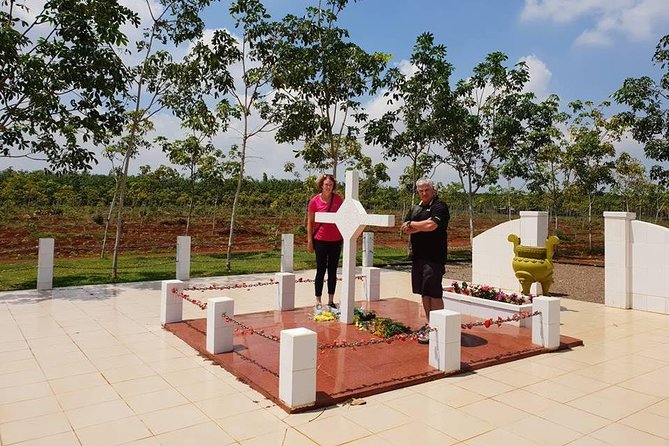
- Australian and Vietnamese commemoration: The Long Tan Cross Memorial is built to remember Australians and Vietnamese soldiers who sacrificed their lives.
- Long Phuoc Tunnels stop: You’ll see tunnels dug by the Viet Minh and Viet Cong for fighting and shelter.
- Built-in comfort and basics: Air-conditioned transport, English-speaking guide, bottled water, and lunch are included.
- Guide quality matters: The best tours here are the ones where the guide brings the history to life with photos and care.
Why Long Tan and Nui Dat matter on a day trip
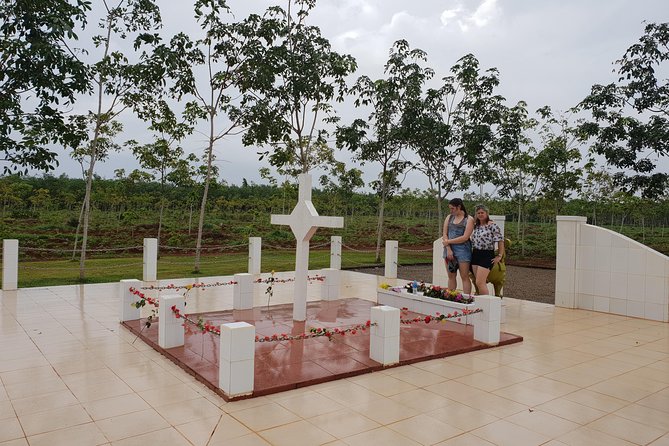
This is one of those Vietnam War tours that doesn’t feel like a generic history stop. Long Tan is closely tied to the Australian Army’s experience during the conflict, and Nui Dat is the kind of place that helps you understand how that experience unfolded on the ground.
You’ll quickly realize the locations aren’t just names on a sign. Long Tan is described as a battlefield fought in a rubber plantation, which helps explain why terrain and cover mattered so much. Then Nui Dat SAS Hill shifts the lens to the base area side of the war, where helicopter movement and soldier positioning are part of the story you’re hearing.
If you’re an Australian traveler, or if you’ve already read or watched something about Long Tan, this day can feel like the missing “why this place looks like it does” layer. And if you’re not from Australia, it’s still valuable because it shows Vietnam War history through another country’s lens—without ignoring Vietnamese loss.
You can also read our reviews of more city tours in Ho Chi Minh City



Getting out of Ho Chi Minh City without turning it into a slog
This tour runs about 6 to 8 hours, so you’re committing to a full day, not a quick sightseeing lap. The upside is that the schedule is long enough to give you real time at the main points, including memorial areas and the tunnels.
Transport is handled in an air-conditioned car or minibus, and you get bottled water. That matters in Ho Chi Minh City because once you leave the center, the day can heat up fast. Also, the guide being with you from pickup to return helps you avoid the stress of coordinating rides on your own.
Pickup is offered, but there’s a catch. You can expect pick-up points in District 1, 3, and 4 without extra hassle. If you’re outside those districts, there may be an additional charge. If you’re staying elsewhere, it’s worth confirming pickup details before you pay.
Long Tan battlefield and the memorial mindset
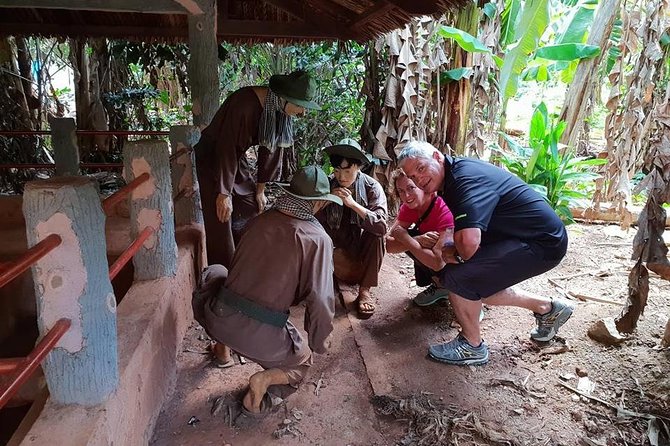
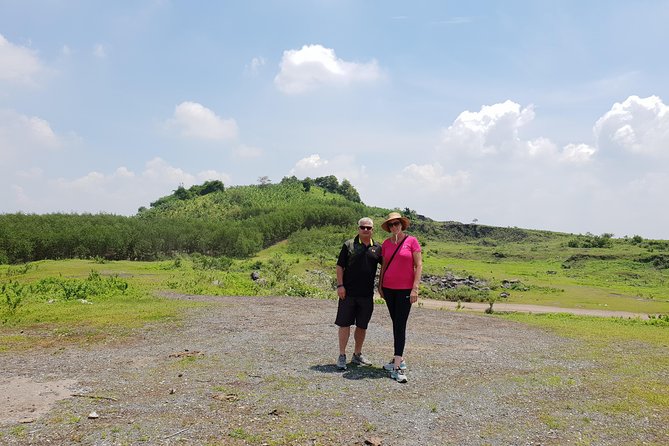
The first major stop centers on the Battle of Long Tan, positioned in a rubber plantation setting. This is the heart of the tour, and the emphasis is clear: you’re not just “seeing a battlefield,” you’re understanding it and then taking a moment to reflect.
Expect to walk through the memorial-focused area and hear what happened there, plus how the site is remembered today. The tone is usually respectful rather than dramatic, and that’s exactly what you want for this kind of place. The tour also includes admission ticket access here, and you’ll have around two hours at this stop—enough time to take photos (if you choose) and still feel like you’re not racing the clock.
A small detail from the way the site is presented: the memorial grounds have been tied to low-key ceremonies, including one noted on 18 August 2016. That’s a reminder that this isn’t just a “sight,” it’s a remembrance place that continues to matter.
Practical note: come prepared for an emotional tone. Even if you’re only “a little interested” in the war, Long Tan tends to land differently once you’re standing where the conflict’s story is anchored.
Nui Dat SAS Hill: helicopter parking and camp life explained
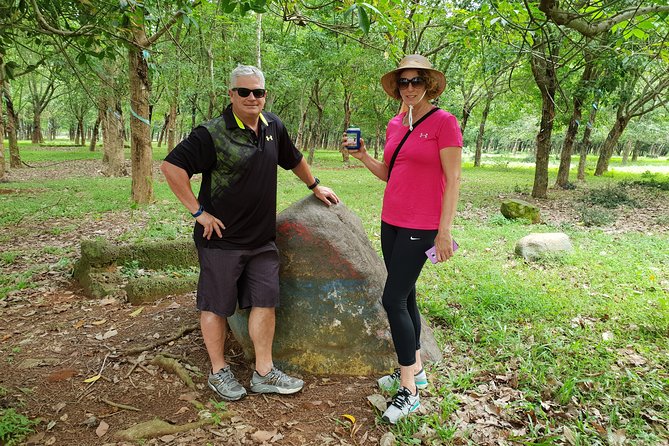
After Long Tan, the tour shifts to Nui Dat SAS Hill, which helps you broaden from the battle moment to the operational setting. This stop is less about one single event and more about helping you visualize how the base worked.
One of the key explanations here focuses on helicopter parking and camping areas of soldiers. You’ll also get an overview of important sites from the hill position, which is a big part of why this stop is on the route. When you can “read” a place like this, you stop thinking of the war as only dates and casualties and start seeing how logistics and positioning affect outcomes.
This is also the kind of stop where a guide’s storytelling style matters. Some guides lean heavily on photos and comparisons to help you picture wartime arrangements. That approach can make the hill stop feel more concrete and less abstract.
Admission is included at this stop, and you’ll have about an hour. It’s not a long visit, so if you’re the kind of person who likes to ask follow-up questions, don’t be shy—this is the time to do it.
Long Tan Cross Memorial: a shared remembrance stop
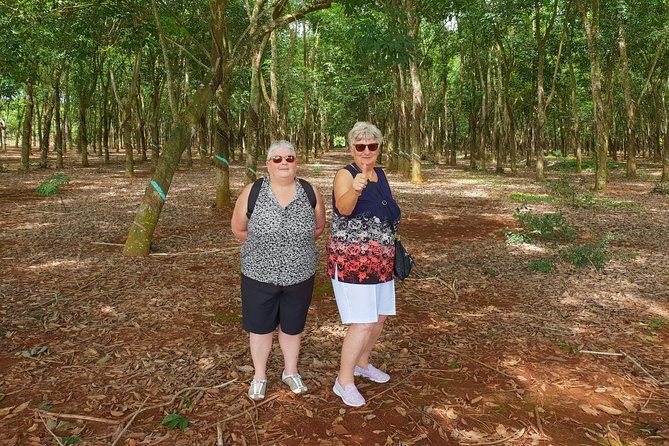
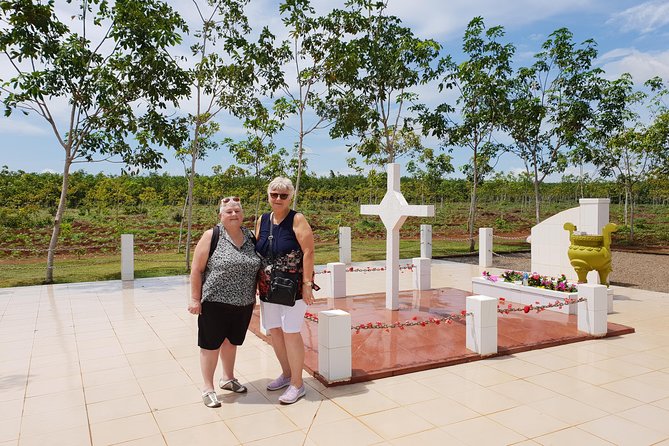
Next comes the Long Tan Cross Memorial, where the focus is commemoration—specifically for both Australian and Vietnamese soldiers who sacrificed their lives. That two-sided remembrance is one of the strongest values of the tour.
If you’ve only encountered Long Tan through an Australian lens before, this stop helps balance the story. It also makes the day feel more grounded and less like a single-nation narrative.
Plan for about an hour here. That’s enough time to pause, read, and reflect without feeling like you’re being pulled away too quickly. If you prefer quiet time over extra walking, this is where you’ll likely feel most at ease.
Photo note: the memorial setting is commonly used for remembrance photos, but you can also skip the camera and focus on the inscriptions. This is one of those places where your presence matters more than your shot.




Long Phuoc Tunnels: Viet Minh and Viet Cong survival under pressure
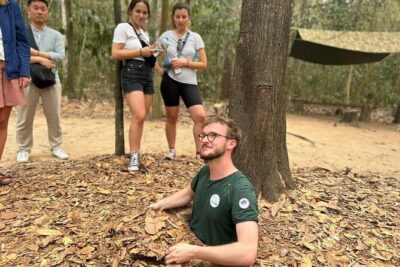
The final major site on this route is Long Phuoc Tunnels, dug by the Viet Minh and Viet Cong for fighting and sheltering. This stop changes the emotional temperature of the day. Long Tan and Nui Dat can feel like “large battlefield history,” while the tunnels bring it down to what survival looked like in cramped, high-pressure conditions.
You’ll have about an hour here, and admission is included. Since tunnel sites can be physically demanding depending on the layout and your comfort level, it’s smart to wear shoes that handle uneven or tighter pathways. The tour doesn’t mention anything beyond standard participation, so the safest assumption is to be ready for basic walking and uneven surfaces.
If you’re trying to understand the war as a full system—both conventional forces and guerrilla tactics—Long Phuoc is the best “contrast” stop. It helps you see the conflict from another side of the strategy.
Ba Ria lunch after the memorials
On the return drive, you’ll head back toward Ba Ria for a late lunch at a local restaurant. Your guide will recommend specialties of the area, and the exact options will depend on what’s available that day.
This is a practical break. After memorial time and tunnels, food helps you reset. It also keeps the schedule smooth because lunch is included in the tour price. Bottled water is also included, so you won’t have to hunt for basic hydration mid-day.
If you’re sensitive to timing, remember the lunch is “late,” not early. Plan your morning accordingly so you aren’t arriving hungry and stressed.
The guide factor: Hill Billy Jack, Dingo, and Chien
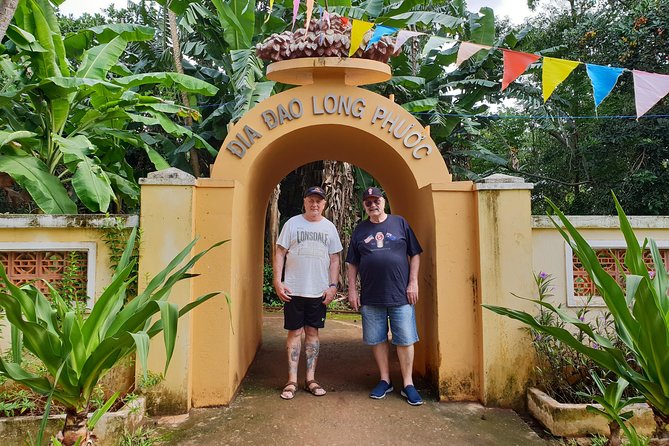
This tour’s biggest differentiator isn’t the car or even the stops. It’s the guide.
I’ve seen this tour led by people like Hill Billy Jack, Dingo, and Chien, and the common thread in high-scoring experiences is effort. Guides are described as doing serious research and using photos to show what the area would have looked like during the war. Humor also shows up in the right dose—Aussie references and light moments that don’t undercut the memorial tone.
Dingo and Chien are both associated with a highly respectful way of handling remembrance. One strong example from the experiences shared is flag service and laying flower wreath for remembrance—the kind of detail that turns a “visit” into something more personal and meaningful.
Now for balance: there’s at least one negative experience described where the guide relied on books and a map instead of site-based explanation, and another issue involved the tour not meeting expectations for value. That doesn’t mean every day is like that, but it does underline a truth: for a memorial tour, you want a guide who actively engages.
My practical advice: before you go, have a short mindset check. If you want lots of storytelling and visual context, pick the guide who matches that style. Since this tour is private to your group, you should get a chance to connect on what you care about.
Price and value: what $119 buys on a full day
At $119 per person, this tour sits in the “serious day trip” category. The value is in what’s included, not just the transportation.
You’re getting:
- Air-conditioned transport (car/minibus)
- An English-speaking tour guide
- Entrance tickets
- Lunch
- Bottled water
That’s a lot of base costs bundled together, especially entrance and lunch, which are the items that often make independent travel add up quickly.
The not-included items are also clear: tips and any possible extra pick-up charge if your location is outside District 1, 3, and 4. If you’re staying in those districts, it’s usually simpler.
So is it worth it? If history is a genuine interest and you want a guided route that links Long Tan, Nui Dat, and Long Phuoc into one coherent day, the inclusion list makes the price feel more reasonable. If you’re only casually curious, you might feel the day is heavy for the time and cost—especially with an all-day schedule.
Who this tour is best for (and who should reconsider)
This is ideal for:
- History buffs focused on the Australian role in the Vietnam War
- Australian and New Zealand travelers who want a respectful memorial visit
- Anyone who prefers guided context over wandering alone
- People who like a structured day with clear stops and included meals
It may not be ideal if:
- You want an ultra-flexible schedule with lots of free time
- You expect a mostly “tunnel and photos” tour with minimal memorial time
- You’re traveling with kids under 12, because children under 12 aren’t allowed on this tour
Most travelers can participate, so don’t overthink it. Just recognize the emotional tone of memorial sites and plan your energy for a full day.
Should you book the Long Tan and Nui Dat one-day tour?
If you’re visiting Ho Chi Minh City and you want one day that’s directly tied to the Australian side of Vietnam War history, this is a strong choice. The combination of Long Tan battlefield and memorial remembrance, Nui Dat SAS Hill context, and Long Phuoc tunnels creates a full, connected picture rather than a random list of stops.
I’d book it if you:
- care about understanding the war through guided explanation
- want lunch and transport handled for you
- prefer a respectful, structured itinerary over DIY
I’d pause if:
- you’re mainly after generic sightseeing and light history
- you dislike tours that are emotionally serious for much of the day
- you’re outside the usual pickup districts and the extra charge would affect your budget
FAQ
How long is the Long Tan and Nui Dat Australian Battlefield tour from Ho Chi Minh City?
The tour runs about 6 to 8 hours.
What is included in the $119 per person price?
The price includes an English-speaking tour guide, entrance tickets, lunch, bottled water, and air-conditioned car or minibus transport.
Is pickup available from Ho Chi Minh City hotels?
Pickup is offered. The tour notes an extra charge if your pick-up point is not in District 1, 3, and 4.
What sites will you visit during the day?
You’ll visit the Long Tan battlefield memorial area, Nui Dat SAS Hill, the Long Tan Cross Memorial, and the Long Phuoc Tunnels, then return for late lunch and back to Ho Chi Minh City.
Are entrance tickets included?
Yes. Entrance tickets are included.
Is the tour private or shared?
It’s described as a private tour/activity, meaning only your group will participate.
Are children allowed on this tour?
Children under 12 years old are not allowed.
What should you know about cancellation?
You can cancel for a full refund if you cancel up to 24 hours in advance of the experience’s start time.
Do you need to budget for tips?
Tips and gratuities are not included.