REVIEW · HO CHI MINH CITY
Lotus Experience
Book on Viator →Operated by WEAW EXPERIENCE TRAVEL COMPANY LIMITED · Bookable on Viator
Lotus blooms, and the city explains why. This 4.5-hour private experience in Ho Chi Minh City turns the lotus from a pretty symbol into something you can see, handle, taste, and connect to Vietnamese daily life. It’s marketed as #plastic free and #spiritual, with a strong local feel and a route timed for day-to-night meaning.
I especially like two parts. First, the stop at Ho Thi Ky Flower Market lets you get up close to the lotus and learn how Vietnamese people treat the flower as more than decoration. Second, the ending meal is a true lotus-focused vegetarian feast, with dishes such as lotus rice, lotus salad, and lotus milk.
One thing to consider: this is a set, guided evening plan. If you’re not keen on lotus-heavy food or you prefer total freedom to wander, the structure might feel a bit less flexible.
In This Review
- Key highlights that matter in real life
- A lotus tour that actually feels local
- Ho Thi Ky Flower Market: see lotus up close, then learn how it gets used
- Quoc Tu Pagoda: lotus symbolism in Buddhism, with an offering moment
- The lotus vegetarian dinner: what it’s like to eat the symbol
- B/S Art Studio: lotus tea, dessert, and folk music
- Day-to-night timing: why 3:30 pm works so well here
- Price and value: what $93 buys besides a guide
- Who should book this lotus experience (and who might not)
- Should you book Lotus Experience in Ho Chi Minh City?
- FAQ
- How long is the Lotus Experience tour?
- What time does the tour start?
- Is pickup offered?
- Is this tour private or shared?
- Where does the tour go?
- What does the dinner include?
- Is bottled water provided?
- Is there live music?
- Does the tour require specific weather?
- What is the cancellation policy?
Key highlights that matter in real life
- Ho Thi Ky Flower Market: see the lotus up close and learn how it’s cherished and transformed
- Lotus meaning beyond decoration: you’ll connect the flower to spiritual symbolism at a pagoda
- An all-lotus vegetarian dinner: lotus rice, lotus salad, lotus milk, and more
- Live Vietnamese folk music: the evening adds emotion, not just information
- Comfortable private logistics: private guide, driver, and transportation
- Welcome gift set and a post-tour surprise: small perks that make it feel special
A lotus tour that actually feels local
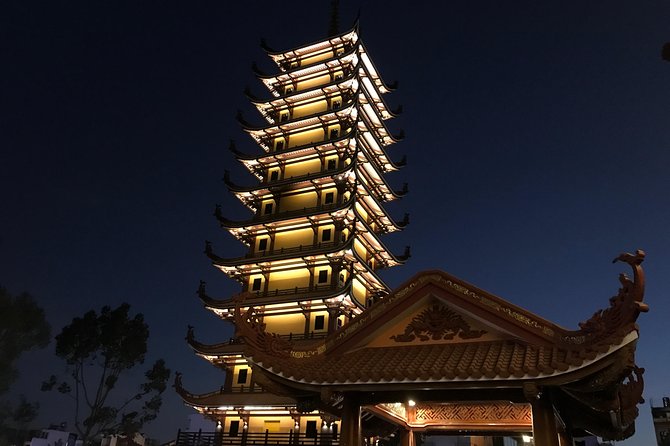
This is not a generic “walk around town” kind of evening. The whole concept is built around a single idea: the lotus is a symbol of purity and vitality, because it grows in muddy conditions and still blooms. The result is a tour that moves in a logical loop: you see the lotus, learn what it means, watch how people use it, and then eat it—while Vietnamese folk music adds a cultural soundtrack.
You’ll also notice how the tour frames lotus as practical. Lotus isn’t just spirituality and art; it’s food, too. The plan includes tasting lotus in different forms, which makes the symbolism feel grounded. And because it’s private, you’re not forced into a one-size-fits-all pace.
For me, the best value is the combination. You get a market experience, a spiritual stop, a creative/art space, live music, and a lotus dinner. Many city tours include one or two of those. This one bundles them into one evening.
You can also read our reviews of more tours and experiences in Ho Chi Minh City.


Ho Thi Ky Flower Market: see lotus up close, then learn how it gets used
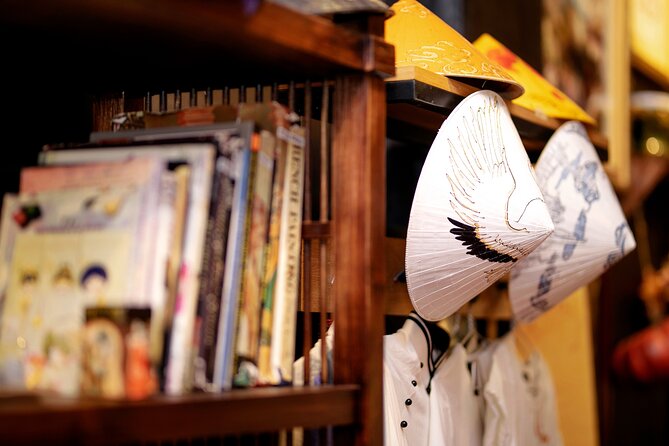
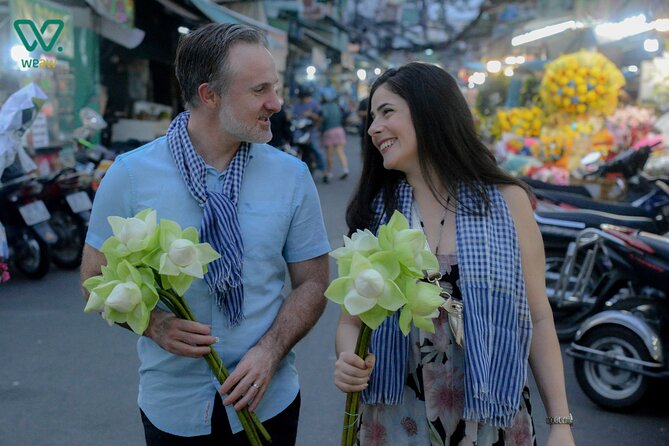
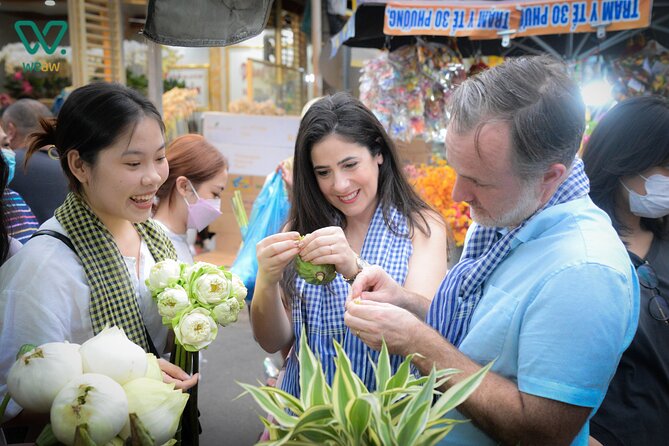
Your tour starts at Ho Thi Ky Flower Market. This is described as the largest flower market, and that matters. When a market like this is large, you’re not just glancing at flowers—you’re learning how traders and locals handle them, arrange them, and treat them as daily materials.
You’ll look at lotus flowers closely and hear about the flower’s structure and meaning. That sounds simple, but it’s useful. Lotus petals and seed pods aren’t just pretty shapes; they’re part of how Vietnamese people understand purity, resilience, and growth.
Then there’s a hands-on element. The tour explains how the lotus is cherished and transformed for decoration, and how it becomes food. Even if you’re not a “flower person,” this kind of practical explanation helps you interpret what you’re seeing. You’ll also start building an appetite, because the lotus dinner later isn’t random—it’s the same theme continuing in a new form.
Practical note: markets are active places. Wear comfortable shoes and keep your phone ready for photos, but don’t expect a quiet, gallery-style atmosphere.
Quoc Tu Pagoda: lotus symbolism in Buddhism, with an offering moment
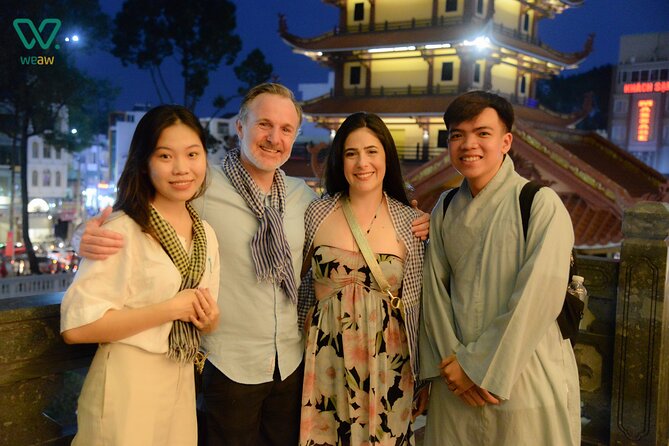
After the market, the mood shifts. You head to Quoc Tu Pagoda, where you slowly discover the symbolic meaning of lotus in Buddhism. This is where the tour’s tone becomes reflective, not just educational.
The lotus shows up in Buddhism as a powerful image: rising from muddy ground, yet staying beautiful. The guide links that idea to Vietnamese cultural values—how people find dignity and brightness even when life is difficult. It’s a simple metaphor, but it can feel moving when someone explains it in context.
You’ll also use lotus flowers as an offering. That’s the kind of moment that changes how you see a symbol. Instead of treating the lotus like a decorative object, you experience it as something meaningful in ritual.
One consideration: pagodas require a respectful mindset. Keep your voice low, dress appropriately, and follow your guide’s lead.
The lotus vegetarian dinner: what it’s like to eat the symbol
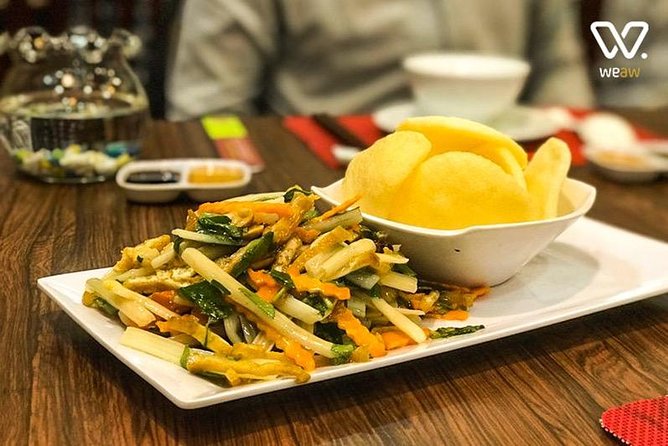
This is the meal I’d circle on the schedule. The tour includes a special dinner where the ingredients are made from lotus—such as lotus rice, lotus salad, and lotus milk. It’s described as Vietnamese vegetarian cuisine, with many dishes made from lotus.
What makes this dinner feel like real value (not just a themed gimmick) is the variety of lotus forms. Lotus seeds, lotus leaves, and lotus roots show up in different recipes, each with a different taste and texture. The tour’s framing is helpful here: lotus seeds are used for sweetness in soups, lotus leaves are used for fragrance in rice, and lotus roots offer a cooler, crisp element.
Even if you’ve never tried lotus before, you’ll understand why Vietnamese cuisine uses it. The flower connects to everyday cooking methods, not only religious symbolism. And because the dinner is included, you’re not left guessing what to order or paying extra for “themed” restaurants after you’ve already spent for the experience.
If you have dietary restrictions beyond vegetarian (like allergies), you’ll want to ask your guide specific ingredient details before committing. The dinner is lotus-based by design, so it’s smart to confirm anything you need.
B/S Art Studio: lotus tea, dessert, and folk music
After dinner, the plan keeps moving—now into art and sound. The final stop is B/S Art Studio, described as a special art gallery. This is where lotus becomes cultural memory and creative expression, not just food and flowers.
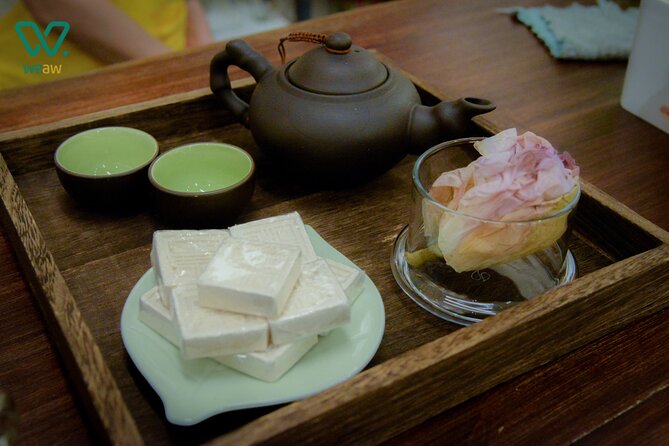
You’ll drink lotus tea and snack on dessert while listening to live Vietnamese folk music and historical tunes. That combination matters because it changes the evening from a series of stops into an experience with atmosphere. The lotus theme stays consistent, but the setting gives it emotional depth.
This is also a good moment to slow down. The day’s learning can be tiring, especially in Vietnam’s heat. Here, the pace eases. You get time to reflect, rest, and absorb what you learned—without needing to squeeze in another activity.



Day-to-night timing: why 3:30 pm works so well here
The tour starts at 3:30 pm, and it’s clearly designed around the way the city changes over the day. The plan is timed to show how lotus is used from day to night—market and flowers first, then pagoda offerings and evening dining with music.
That timing is a big deal. Lotus symbolism is the same idea throughout the tour, but the way it feels changes with the atmosphere. In daylight, you look at the flower’s physical beauty and practical uses. In the evening, the same symbol connects to ceremony, music, and shared meals.
For your planning, this also helps with logistics. Starting mid-afternoon means you’re not losing your whole day. You can still do other sightseeing earlier in the day, then let this be your focused cultural evening.
Clothing tip: since you’ll move between market, pagoda, and indoor stops, dress in layers. Comfortable, breathable clothes work best.
Price and value: what $93 buys besides a guide
At $93 for about 4 hours 30 minutes, the big question is: what are you paying for beyond “a local guide”?
Here’s what’s included:
- a special dinner with lotus-based ingredients (lotus rice, lotus salad, lotus milk, and more)
- live Vietnamese folk music during the experience
- bottled water
- private transportation
- a private guide and driver
- a welcome gift set
- a mobile ticket option
When you add it up, you’re not just buying narration. You’re buying convenience and a bundle of experiences that would be harder to assemble on your own—especially the all-lotus dinner and the way the day-to-night route is built around the theme.
Is it more expensive than a DIY evening? Yes. But the value is in the pairing: market + pagoda + art/music + lotus dinner. If you’re the kind of traveler who wants one evening that ties a culture thread together with real taste and real places, this price starts to make sense.
Also, because it’s private, the guide can pace the experience to your group. That can be a comfort if you’re a slower walker or if you have questions and want more explanation.
Who should book this lotus experience (and who might not)
I think this tour fits well if you want:
- a spiritual-cultural theme explained in plain language
- a hands-on look at how lotus becomes decoration and food
- a vegetarian dinner that’s built around Vietnamese ingredients and meaning
- a private, structured evening so you don’t have to plan or translate everything
It might not be the best match if:
- you strongly prefer unscheduled time and free roaming
- you dislike vegetarian meals or aren’t interested in lotus flavors
- you’re traveling with very limited time and need an ultra-short stop (this is almost five hours)
If you’re celebrating something—like a honeymoon or anniversary—this kind of themed evening can feel extra thoughtful, because it ends with music, tea, and dessert in a gallery setting.
Should you book Lotus Experience in Ho Chi Minh City?
I’d book it if you want a meaningful evening that mixes beautiful places with an actual taste of Vietnamese life. The strongest reason is the way the tour keeps the lotus theme consistent from market to pagoda to dinner to music. You’re not just seeing and listening; you’re also eating and offering.
I’d skip it if you’re mostly chasing generic sightseeing or you’re not into vegetarian lotus dishes. The dinner is clearly the centerpiece, so your enjoyment will track how much you like that idea.
If you’re on the fence, here’s an easy decision rule: if lotus symbolism and lotus food both sound appealing, this is a solid value for a private, guided cultural evening.
FAQ
How long is the Lotus Experience tour?
It runs for approximately 4 hours 30 minutes.
What time does the tour start?
The start time is 3:30 pm.
Is pickup offered?
Yes, pickup is offered, and the tour also includes private transportation.
Is this tour private or shared?
It’s a private tour/activity, meaning only your group participates.
Where does the tour go?
Stops include Ho Thi Ky Flower Market, Quoc Tu Pagoda, and B/S Art Studio, plus a vegetarian dinner.
What does the dinner include?
The dinner is described as a special lotus-focused meal with ingredients made from lotus, including lotus rice, lotus salad, and lotus milk.
Is bottled water provided?
Yes, bottled water is included.
Is there live music?
Yes, the experience includes live Vietnamese folk music.
Does the tour require specific weather?
Yes. The experience requires good weather. If canceled due to poor weather, you’ll be offered a different date or a full refund.
What is the cancellation policy?
You can cancel for free up to 24 hours in advance for a full refund. If you cancel less than 24 hours before the start time, the amount paid is not refunded.