REVIEW · HO CHI MINH CITY
Half-Day Cu Chi Underground Tunnels Tour with Pick Up
Book on Viator →Operated by The Sun Tourist · Bookable on Viator
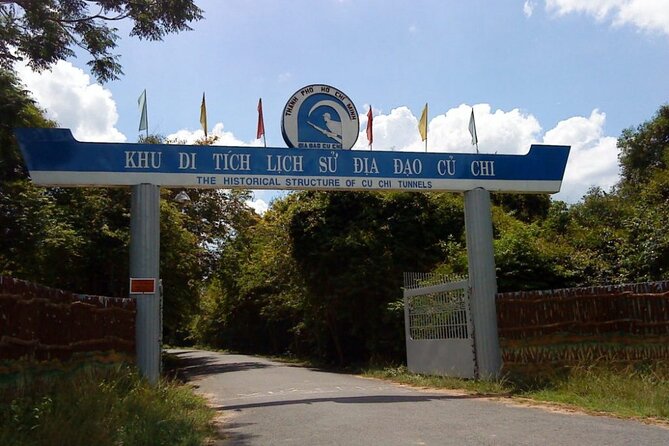
Underground war history starts near Saigon. This half-day trip takes you from Ho Chi Minh City to the Cu Chi Tunnels at Ben Dinh, about 50 km away, where the tunnel system stretches for over 200 km.
Two things I really like: the air-conditioned pickup vehicle (it keeps the start of the day civilized), and an experienced English-speaking guide who helps you make sense of what you’re seeing. You also get the basics for comfort on the way in.
One drawback to plan for is time on the road. It can be roughly a 2-hour drive each way before you’re actually in the tunnel area.
In This Review
- Key highlights to know before you go
- Cu Chi Tunnels at Ben Dinh: what you’re actually seeing
- From Ho Chi Minh City to Cu Chi: timing, pickup, and group size
- Stop 1: Cu Chi Tunnels and the guided “underground village” experience
- What your English-speaking guide adds (and why it matters)
- Comfort and extras that make a long day feel manageable
- Price and value: is $25 a good deal for Cu Chi?
- Who this Cu Chi tour is best for (and who should think twice)
- Practical tips that will help you enjoy the tunnel visit
- Should you book the Cu Chi Underground Tunnels tour with pickup?
- FAQ
- How long is the Cu Chi Underground Tunnels tour?
- Does the tour include pickup from Ho Chi Minh City?
- Is the entrance fee included?
- What’s included in the price?
- What is the maximum group size?
- What happens if the weather is poor?
- Is the booking refundable if I cancel?
Key highlights to know before you go
- Pickup + air-conditioned transport make the 50 km transfer far less annoying
- Small group size (max 20) means questions don’t vanish into the crowd
- About 5 hours at Cu Chi inside a 6–7 hour day overall
- Entrance fee included so you’re not sorting ticket math mid-trip
- English-speaking guidance for the tunnel story, including late-1940s digging
Cu Chi Tunnels at Ben Dinh: what you’re actually seeing
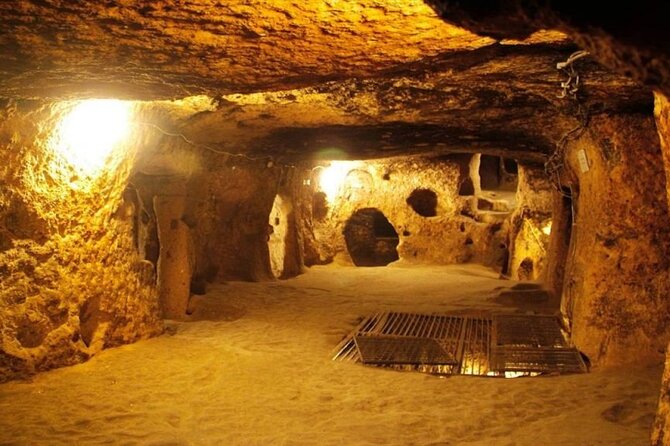
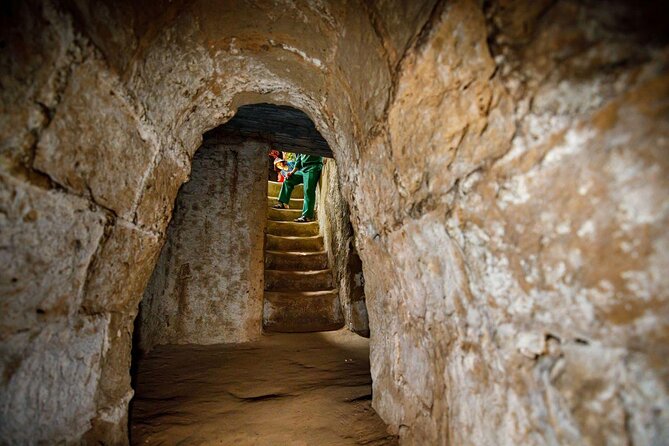
Cu Chi is one of those places where the Vietnam War stops being a page in a book and turns into a physical setting. This area was a bitter battlefield, and the star attraction is the underground village—built from an interlaced network of tunnels under the jungle terrain.
The scale is the first thing to wrap your head around. You’re visiting tunnels associated with a network totaling over 200 km, centered at Ben Dinh, about 50 km from Ho Chi Minh City. Even if you don’t love history, the sheer planning and repetition of underground construction is hard to ignore.
I also like that the story starts earlier than most people expect. The digging is described as beginning in the late 1940s, during the period of fighting for independence from French colonial authority. That longer timeline helps you see the tunnels as more than a single moment in the war.
You can also read our reviews of more tours and experiences in Ho Chi Minh City



From Ho Chi Minh City to Cu Chi: timing, pickup, and group size

This is set up as a true half-day-style excursion, with a total duration of about 6 to 7 hours. Pickup is offered, so you’re not trying to coordinate your own transport from the city.
In practical terms, expect a significant chunk of the time to be travel. One of the most helpful notes from the experience overview is that it can take about 2 hours to reach the Cu Chi Tunnels. So even though it’s labeled half-day, you’re still working with a full touring day’s worth of energy.
The tour runs with a maximum of 20 travelers. I like this number for a couple reasons. You get enough people for a social vibe, but not so many that the guide’s attention gets diluted.
You’ll also want to think about how you like guided time. If you’d rather get oriented and learn as you go, having a guide along from pickup through the main visit is a big plus. If you prefer quiet sightseeing, you’ll still get guidance during the tunnel portion, since the experience is built around an English-speaking guide.
Stop 1: Cu Chi Tunnels and the guided “underground village” experience

The itinerary is straightforward. Your main stop is the Cu Chi Tunnels, and the admission ticket is included as part of the visit. The time budget for this stop is listed as about 5 hours, which is a lot of time to actually take in the site instead of rushing past it.
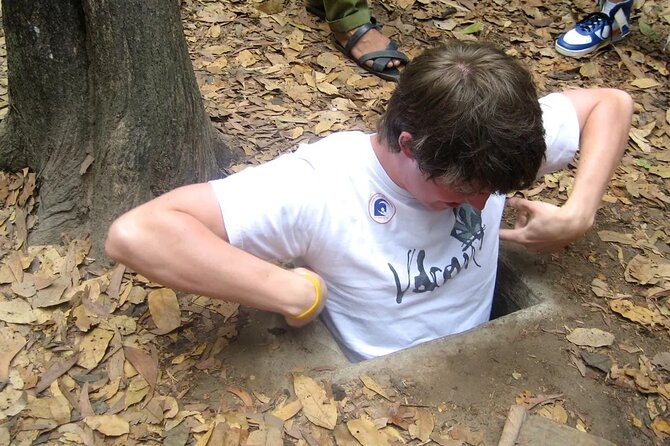
What makes this stop special is the way the tour connects the tunnels to the people who built and used them. The digging began under jungle terrain, and it was described as being done by hand, often only moving a short distance at a time. That detail matters because it turns the tunnels from a vague concept into an enormous labor project—done in tiny steps, repeatedly.
The tunnels are presented as a complex system—an underground village—rather than only a single tunnel or a photo stop. So the visit feels like walking through a network, where the layout is part of the meaning. Even if you’re not reading every sign, you can sense how the structure supports survival in a combat zone.
A balanced note: the entire point of this visit is war history, and the setting is literally underground. If you’re hoping for a light, breezy half-day outing, this may not match your mood. But if you want a focused, guided look at how the conflict shaped daily life and strategy, this is exactly that.
What your English-speaking guide adds (and why it matters)
This tour includes an experienced English-speaking guide, and that’s one of the reasons I’d prioritize this format over DIY. On a site like Cu Chi, the information can easily stay surface-level if you’re just wandering. A good guide helps you connect the construction details to the bigger events around the tunnels’ use.
One of the most practical benefits is that the guide doesn’t just talk during the tunnel portion. The experience overview notes that the guide updates travelers during the journey as well. That matters because it reduces the “wait, what am I looking at?” feeling when you arrive. You’re not starting from zero.
There’s also an educational angle built around timelines. The story here specifically references the late-1940s start of digging and the conflict with French colonial authority, then frames the tunnels within the broader Vietnam War era. That structure is useful because it stops the site from becoming a single-snapshot event.
If you want a simple test before you get too invested: listen for how your guide explains why the tunnels were dug and how the network functioned as a system. When a guide can explain that clearly, the experience clicks.
Comfort and extras that make a long day feel manageable

Even a history-heavy tour needs basics handled well, and this one covers several.
You get an air-conditioned vehicle for the ride. You also get bottled water and wet tissue—small items, but they matter on a day when you’ll spend hours away from city convenience stores.
Travel planning is part of the value here because the tour also lists travel insurance as included. That doesn’t replace your own insurance choices, but it does mean this operator is at least handling some coverage as part of the package.
Another practical point: the ticket is mobile. That’s convenient in Ho Chi Minh City, where grabbing paper tickets or finding the right office can turn into extra hassle. A mobile ticket keeps the day moving.
Finally, the group is capped at 20 travelers, which typically helps the guide keep things organized. When the group is small, you spend more time hearing and less time waiting.






Price and value: is $25 a good deal for Cu Chi?
At $25.00 per person, the headline price looks friendly. But the better question is what you get for it, since Cu Chi tours can balloon once you add transport, tickets, and a guide.
Here’s what’s included:
- Air-conditioned vehicle
- Experienced English-speaking guide
- Entrance fee
- Bottled water and wet tissue
- Travel insurance
Then there are the not-included items, which are basically personal needs. That matters because you can budget without surprises. You’re paying for the core “go there and understand it” service, not just the transfer.
Value is highest when you want both the ride and the guided portion. If you’d otherwise pay for a driver, entrance fees, and a guide, this package is easier to justify. If you already know how you’ll get there and you don’t care about a guide, you might find cheaper options—but you’d likely lose some of the context that makes Cu Chi more than a walk-through.
I also like that the tour offers pickup. That’s one less thing to coordinate, and in a city like Ho Chi Minh City, the simplest logistics can be worth paying for.
Who this Cu Chi tour is best for (and who should think twice)
Most people can participate, since the experience is described as suitable for most travelers. That’s a good sign if you’re traveling with mixed ages or you don’t want something too specialized.
This tour fits best if you want a focused day trip with one main destination. You’re not hopping between multiple sites. You’re committing time to one place and letting the guide do the heavy lifting in explaining what you’re seeing.
It also works well if you like structure. The day is organized around a guided stop of about 5 hours at Cu Chi within a 6–7 hour overall timeline. That’s helpful if you want to avoid wandering and guessing.
Think twice if your ideal Vietnam day is more about casual wandering, cafés, and flexible pacing. Cu Chi is history-centered, and it can feel heavy because it’s tied to war and survival tactics. If you want something lighter, pick a different kind of excursion.
Practical tips that will help you enjoy the tunnel visit
I’d approach this tour with two priorities: comfort for the ride and attention for the meaning.
First, plan for the long travel window. With travel time listed at about 2 hours to reach Cu Chi, you’ll feel the schedule. Eat before pickup if you can, and be ready for a day where meals are not the main event.
Second, give your guide time to connect the dots. The experience highlights digging by hand, short-distance progress, and the late-1940s start of tunnel construction linked to independence from French colonial authority. Those points land better when you listen for how the story builds.
Third, use the included basics. Bottled water and wet tissue are there for a reason—take them when offered rather than waiting until you feel uncomfortable.
And finally, because it’s a mobile ticket, double-check that your phone is charged and accessible. Nothing ruins a smooth morning faster than forgetting a power bank or struggling with screen brightness.
Should you book the Cu Chi Underground Tunnels tour with pickup?
If you’re in Ho Chi Minh City and you want one organized way to see the Cu Chi Tunnels without turning logistics into your whole day, I think this one is a solid choice. You’re paying for the full package: pickup, an experienced English-speaking guide, admission, and basic comfort items.
Book it if you like small-group experiences (max 20 travelers) and you want your time at Cu Chi to be guided and coherent instead of random. The 6–7 hour schedule is realistic for a focused trip, especially with pickup handling the hardest part.
Skip it or choose a different style if you want a very light, casual half-day. The tunnels are tied to war and history, and the visit is intentionally structured around understanding that setting.
If you’re ready for a thoughtful, structured trip, this is one of the better ways to do Cu Chi in a day.
FAQ
How long is the Cu Chi Underground Tunnels tour?
The tour lasts about 6 to 7 hours in total.
Does the tour include pickup from Ho Chi Minh City?
Yes. Pickup is offered, and you travel by air-conditioned vehicle.
Is the entrance fee included?
Yes. The entrance fee is included, and a ticket is also provided as a mobile ticket.
What’s included in the price?
The price includes an air-conditioned vehicle, travel insurance, an experienced English-speaking guide, bottled water, wet tissue, and the entrance fee.
What is the maximum group size?
The tour has a maximum of 20 travelers.
What happens if the weather is poor?
This experience requires good weather. If it’s canceled due to poor weather, you’ll be offered a different date or a full refund.
Is the booking refundable if I cancel?
No. The experience is non-refundable and cannot be changed for any reason. If you cancel or request an amendment, the amount paid will not be refunded.