REVIEW · HO CHI MINH CITY
Ho Chi Minh City Full-Day Farm trip with Healthy Cooking Class
Book on Viator →Operated by Western Asian Travel Service · Bookable on Viator
A day on a real Vietnamese farm beats another city tour. You start with an organic farm visit and ingredient picking, then switch gears into a hands-on cooking class focused on fresh flavors. I like that it is small-group and practical, not just watch-and-stand-around.
Two things really land for me here: hotel pickup and drop-off make the logistics easy, and the cooking is genuinely hands-on. You also get a guide-led farm experience with close-up animal care and ingredient sourcing, which helps you understand what makes Vietnamese food taste so alive.
One possible drawback: the farm-to-table pitch includes a chance to try milking a cow, but you may not get that moment on every day. Also, some extras mentioned in marketing might not show up, so if cow milking or a shirt matters to you, it’s worth asking ahead.
In This Review
- Key moments worth planning for
- Farm-to-table in Ho Chi Minh City, without the “tour bus” feeling
- Getting there: the value of pickup and a small group
- Meet the farm: animals, organic habits, and ingredient sources
- Cow milking: a “might,” not a guarantee
- Rice paper factory stop: why it matters for your cooking
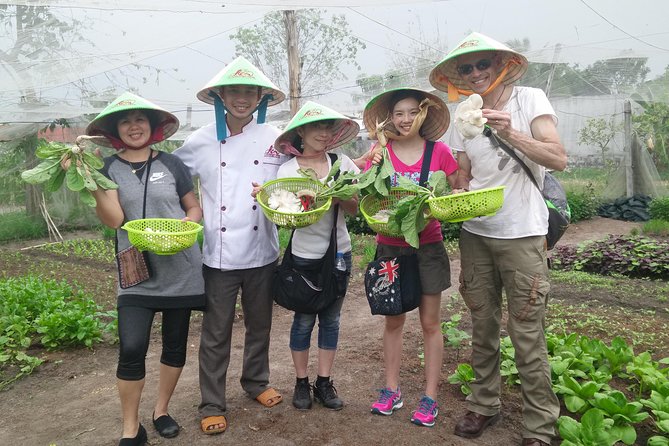
- Hands-on ingredient picking: what you cook starts as yours
- The cooking class: making balance with Vietnamese flavors
- Yin and Yan: flavor balance you can actually use
- What you eat, and why this class feels satisfying
- The take-home part: certificate and recipes you’ll actually want
- Price and logistics: is $73 good value?
- When this tour is the best fit (and when it isn’t)
- Practical tips to get the most from your day
- Should you book the Ho Chi Minh City Full-Day Farm trip?
- FAQ
- FAQ
- How long is the full-day farm trip and cooking class?
- What time does the experience start?
- Is hotel pickup and drop-off included?
- How much does it cost?
- How many people are in the group?
- What meals or drinks are included?
- What dishes will I learn to make?
- Will I get recipes or materials to take home?
- Is a mobile ticket provided?
- What is the cancellation policy?
Key moments worth planning for
- Limited to 8 travelers for a calmer, more personal pace during both farm time and cooking
- Hands-on ingredient picking so you cook what you just selected
- Rice paper factory visit for a quick look at a key ingredient you’ll use later
- Cook your own dishes including prawn wraps, papaya salad, and banana spring rolls
- Nutrition + plant learning tied to what you’re harvesting and eating
- Certificate and recipes so you can recreate the dishes at home
Farm-to-table in Ho Chi Minh City, without the “tour bus” feeling
Ho Chi Minh City can feel relentless. This is the kind of day trip that slows you down on purpose. You trade traffic and noise for an organic farm setting where animals, plants, and everyday food habits are the point—not a checklist of photos.
What I appreciate is the sequence: first you see and collect ingredients, then you cook them. That order matters. When you understand where things come from—rice paper basics, herbs in the field, fruit used for freshness—the recipes make sense instead of feeling like instructions copied from a card.
At a price of $73 for about 8 hours, this is not a “cheap ticket,” but it is also not just an intro class in a kitchen. You are paying for transport, pickup, a guided farm experience, ingredient handling, lunch, and the full cooking session. If you’d rather spend money on something that changes how you cook and eat, this is a strong match.
You can also read our reviews of more city tours in Ho Chi Minh City

Getting there: the value of pickup and a small group
The day starts at 8:00 am, with hotel pickup and drop-off included. That’s a big deal in HCMC. You save time, avoid the hassle of figuring out a meeting point, and you show up already in vacation mode.
The group cap—maximum 8 travelers—also shapes the experience. With fewer people, you get more attention during the cooking steps and more room for questions while you’re walking the farm. It’s the difference between learning and just getting through the motions.
You’ll ride in a private vehicle with a driver/guide and bottled water provided, plus coffee or tea. Drinks aren’t included, so if you like sipping something beyond the basics, plan for that.
Meet the farm: animals, organic habits, and ingredient sources
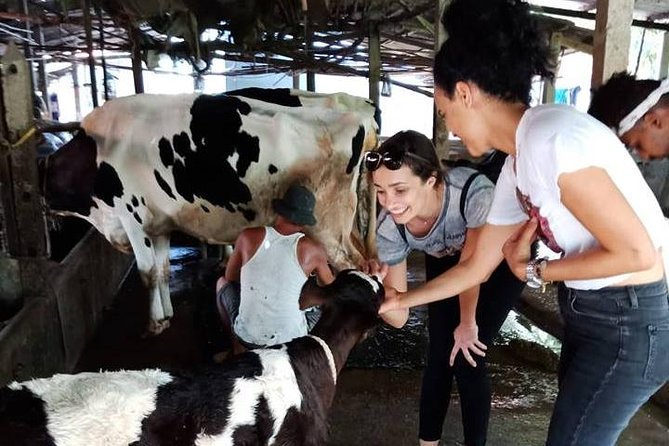
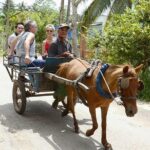
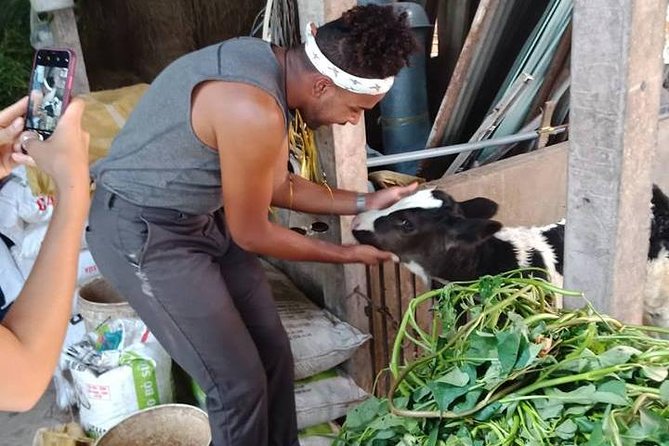
The farm part is built around connection. You’ll meet staff working with an organic farm environment and get a look at how they take care of animals like chickens and cows, plus other farm life. There’s also an emphasis on how the animals are fed and cared for, which makes the whole day feel grounded rather than staged.
If you’re the curious type, this is where you’ll like the details. You learn about nutrition from different plants, how food works as a system, and why freshness matters in Vietnamese cooking. You’ll also enjoy fresh fruit on the farm, which acts like a real-time preview of the flavors you’ll cook later.
Cow milking: a “might,” not a guarantee
The experience is described as including the chance to try milking a cow. But because farm routines can vary, treat this as a possible highlight rather than a certainty. If it is a must-do for you, I’d message in advance and ask whether cow milking is scheduled on the day you’re considering. That’s the smart way to keep expectations aligned.
Rice paper factory stop: why it matters for your cooking
You’ll also visit a local rice paper factory during the day. This isn’t just a quick photo stop. Rice paper is a core ingredient for Vietnamese wraps, and seeing how it’s made gives you a better sense of texture and timing.
In a cooking class, it’s easy to treat rice paper like a “thing you buy.” Here, you get a chance to connect the ingredient to the process. That knowledge helps when you’re making prawn wraps back home, especially when you’re figuring out how to soften, roll, and handle it without turning it into sticky chaos.
You can also read our reviews of more cooking classes in Ho Chi Minh City

Hands-on ingredient picking: what you cook starts as yours
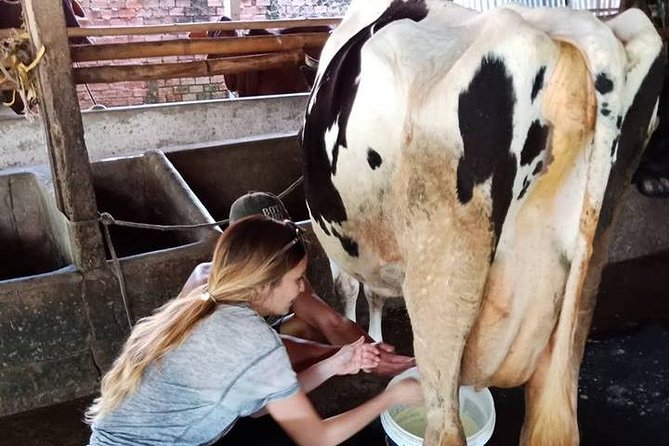
This day is built around real participation. You’ll do hands-on ingredient picking so you can choose items used in the class dishes. That changes the whole feeling of a cooking lesson. You’re not just following steps—you’re selecting ingredients and building confidence as you go.
The farm walk also includes learning tied to what you’re picking: plants you’re harvesting, nutrition ideas behind them, and practical notes that connect to flavor and balance. And yes, there’s a “reward” element: you’ll enjoy fruit on the farm, so you’re tasting along the way instead of waiting until the end.
The cooking class: making balance with Vietnamese flavors
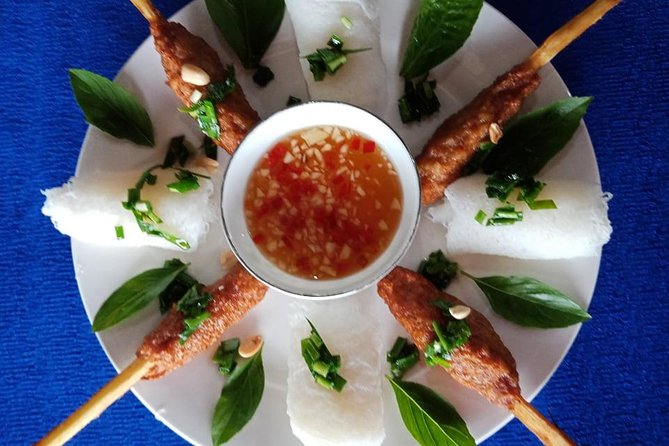
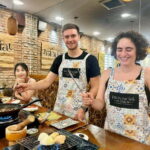
After the farm time, you settle into a cooking session that is described as a three-course experience. The standout part is that it’s 100% hands-on. You’ll be doing the work—mixing, assembling, rolling, and learning why certain steps exist.
The featured dishes you’ll create include:
- Prawn wraps
- Papaya salad
- Banana spring rolls
Each one teaches something different. The prawn wraps lean on freshness and texture. The papaya salad is all about balancing sweet, sour, salty, and heat. Banana spring rolls are a different kind of skill—rolling and getting the right feel for spring roll style structure.
Yin and Yan: flavor balance you can actually use
One of the more interesting teaching angles is the idea of Yin and Yan—how Vietnamese cooking builds harmony between opposing elements. This is not just philosophy; it’s practical. When your guide talks about balance, you start to think in a repeatable way: if something tastes too sharp, you know what ingredient category softens it; if it needs lift, you know what to add.
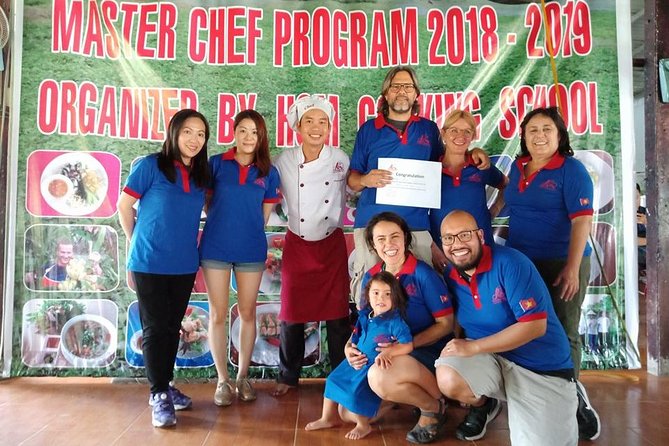
You might be taught by different chef/guide teams, and names that show up for this experience include Chef Linh, Alice (including Alice Doan), Tan, Sue, and Dante. Whoever your guide is, the goal stays the same: you leave understanding how the dishes work, not just copying a recipe.
What you eat, and why this class feels satisfying
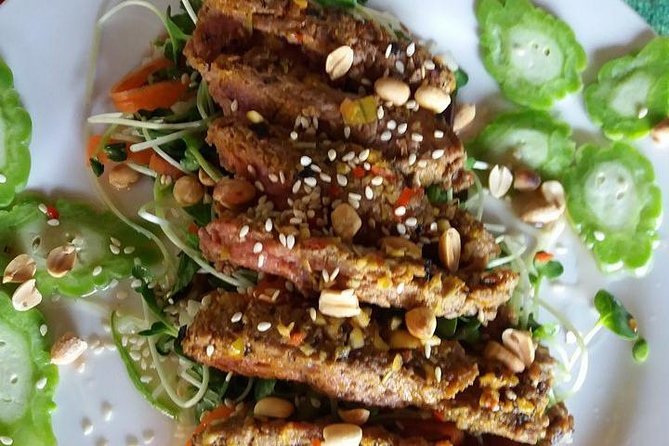
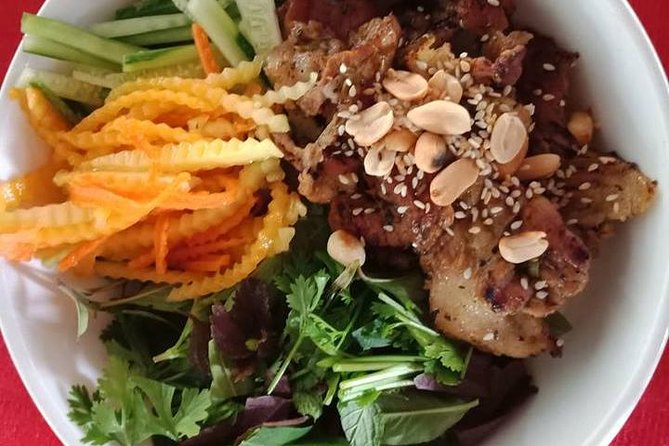
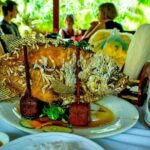
Lunch is included, and you’ll eat what you make. That’s always the best sign in a cooking class: the food is not a performance for the room. With a farm-to-table setup, the meal tastes like it belongs to the day, not like catering that showed up and left.
One practical tip: if you go in already full from breakfast, you may feel like you’re being fed at twice the speed you expected. The day is designed to keep you active, tasting, and then eating a proper meal. Plan light beforehand, or come hungry and pace yourself.
The take-home part: certificate and recipes you’ll actually want
You get a certificate and recipes after the class. Recipes matter because they turn the day from a great memory into something you can reproduce. I also like that the class is focused on approachable, familiar Vietnamese dishes. If you’ve tried making Vietnamese food at home and felt like your versions were missing the “why,” this structure can help you fix that.
And because you selected ingredients earlier, the cooking steps feel more intuitive. You’re not just remembering flavors—you’re recalling what you handled on the farm and how it behaved when it hit the cutting board.
Price and logistics: is $73 good value?
At $73 per person for about 8 hours, this is priced in the mid-range for Vietnam cooking experiences. What makes it feel fair is that you’re not paying only for a chef in a classroom. You get:
- Hotel pickup and drop-off
- Private vehicle transport
- Farm activities and guided instruction
- Ingredient picking
- Rice paper factory visit
- Lunch plus bottled water, and coffee or tea
If you compare it to a simple cooking class without a farm component, this has more “earned value.” You’re paying for context and sourcing, which is exactly what you’ll crave when you try to cook later.
When this tour is the best fit (and when it isn’t)
This experience is a great fit if you want a break from city sightseeing and you like food that comes with context. It’s especially good for:
- First-time visitors to HCMC who want a real slice of Vietnamese daily life
- Food lovers who like to understand ingredients, not just eat dishes
- People who enjoy practical learning—rolling, mixing, tasting, adjusting
It may be less ideal if you’re looking for only passive sightseeing. This is a work-with-your-hands kind of day, and you’ll be moving between farm and cooking spaces.
Practical tips to get the most from your day
A few things that will make your time smoother:
- Start the morning with a lighter breakfast so lunch and extra tasting feel enjoyable, not overwhelming.
- Bring something comfortable for walking on farm grounds (you’ll likely be on your feet during ingredient picking).
- If cow milking is a must for you, ask ahead about whether it’s likely to happen on your day.
- Since drinks aren’t included, plan on bringing or budgeting for anything beyond bottled water and included coffee/tea.
Should you book the Ho Chi Minh City Full-Day Farm trip?
I’d book this if you want more than a cooking demo. The farm-to-table flow—organic farm visit, ingredient picking, rice paper factory, then a hands-on class that teaches balance—gives you a day that sticks. The small group size and hotel pickup also keep it from feeling chaotic.
I would double-check expectations around cow milking, because that piece sounds like a highlight but may not always be possible depending on the day’s farm schedule. If you’re okay treating it as a bonus, you’re likely to come away with a stronger understanding of Vietnamese cooking and a meal you helped create from start to finish.
FAQ
FAQ
How long is the full-day farm trip and cooking class?
It runs for about 8 hours.
What time does the experience start?
It starts at 8:00 am.
Is hotel pickup and drop-off included?
Yes, hotel pickup and drop-off are included.
How much does it cost?
The price is $73.00 per person.
How many people are in the group?
The experience is limited to a maximum of 8 travelers.
What meals or drinks are included?
Lunch is included, along with bottled water and coffee and/or tea. Drinks beyond that are not included.
What dishes will I learn to make?
You will create prawn wraps, papaya salad, and banana spring rolls.
Will I get recipes or materials to take home?
Yes. You receive a certificate and recipes.
Is a mobile ticket provided?
Yes, you’ll have a mobile ticket.
What is the cancellation policy?
Free cancellation is offered, with a full refund if you cancel at least 24 hours before the experience’s start time. If you cancel less than 24 hours before, the amount paid is not refunded.