REVIEW · HO CHI MINH CITY
Ho Chi Minh City: Private Walking Tour with a Guide
Book on GetYourGuide →Operated by Công Ty TNHH Hoangvan Walking Travel · Bookable on GetYourGuide
Saigon moves fast, but this walk keeps you on track. I love how the route stitches together big landmarks with the quieter corners you might miss, and I also like that you get a real local perspective on history and daily life. One thing to keep in mind: it’s a mostly on-foot experience, so you’ll want solid shoes and you’ll feel the pace if it’s very hot.
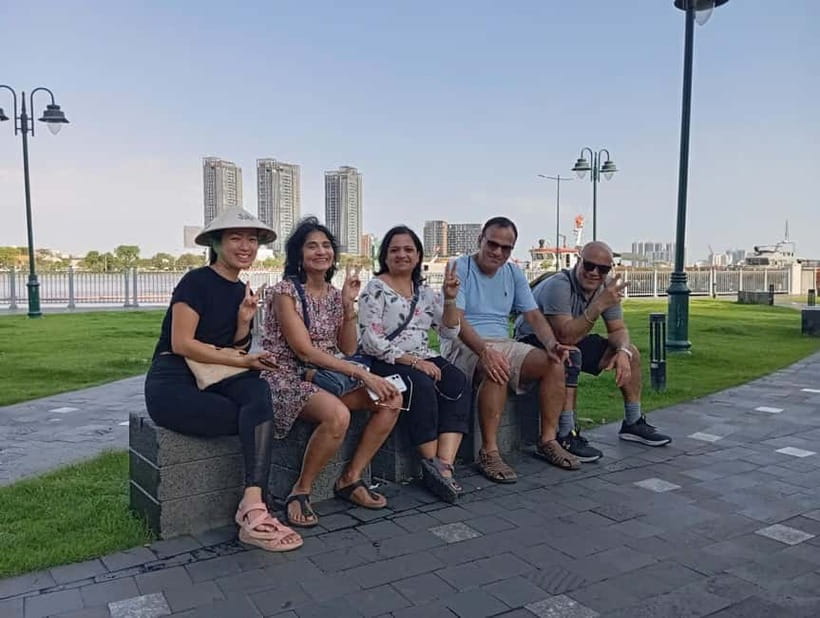
The guide I had, Hoanf, was excellent—clear explanations, lots of photos for a solo traveler, and nonstop safety awareness. He didn’t just watch street crossings; he also pointed out puddles and other hazards so my steps stayed confident. If you’re expecting lots of sitting down or a super-structured museum style, this is more walk-and-look than sit-and-listen.
In This Review
- Key highlights at a glance
- Price and pacing: what $15 buys you
- Starting at Tao Dan Park: get your bearings fast
- Old Saigon by foot: Hindu Temple and the Ben Thanh Market pulse
- Nguyen Hue Square and the People’s Committee: the civic center of Saigon
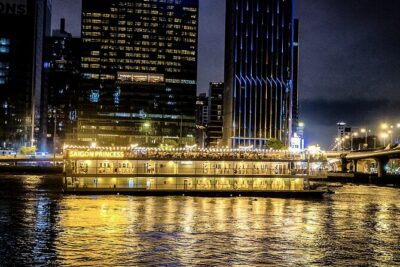
- Down to the Saigon River and Nha Rong Wharf: a history-linked walk
- Opera House to Notre Dame Cathedral: French-era architecture in one flow
- Saigon Post Office and Book Street: the French-period stop you’ll remember
- Turtle Lake and the Pink Church: finishing with character
- What to expect from the guide (and why it matters)
- Small-group benefits: comfort, not chaos
- Who this walking tour suits best
- Tips to make your 3-hour walk easier
- FAQ
- How long is the tour?
- Where does the tour start?
- Is the tour wheelchair-friendly?
- What’s included in the tour?
- What is not included?
- What should I bring?
- Can I cancel for a refund?
- Should you book this Ho Chi Minh City walking tour?
Key highlights at a glance
- Tao Dan Park start: a simple meet-up point that gets you oriented early.
- Ben Thanh Market time: see trading in action instead of just snapping photos.
- Nguyen Hue Square + People’s Committee: the political and civic heart of the city.
- Saigon River to Nha Rong Wharf: a meaningful stop tied to President Ho Chi Minh’s departure.
- French-era landmarks: Notre Dame Cathedral and the Saigon Post Office.
- Book Street + Turtle Lake + Pink Church: a fun mix that feels distinctly Saigon.
Price and pacing: what $15 buys you
At $15 per person for about 3 hours, this tour is one of the more budget-friendly ways to hit a lot of central sights with a guide. The value is less about any single stop and more about the way the route strings together major districts without you having to figure out the logistics.
The pace is practical. You’re walking for roughly two hours during the main loop, with time built in for looking around, learning, and getting your bearings. The group stays small—limited to 5 participants—which usually means your guide can keep an eye on everyone and adjust on the fly when the streets get tricky.
If you’re traveling in the heat, bring water and light clothing. You’ll get shade breaks when you can, but this is still an outdoor walking plan.
You can also read our reviews of more walking tours in Ho Chi Minh City



Starting at Tao Dan Park: get your bearings fast
You meet at Tao Dan Park, which makes the whole start feel easy. It’s not a “find a random alley” situation—your meeting point is tied to a recognizable location, and you’re given a reference photo so you can spot where you’re supposed to meet.
From the first minutes, this kind of guided walk matters. Ho Chi Minh City’s center looks straightforward until you’re actually moving through it—crosswalk timing, scooters, slick pavement, and sudden detours. With a careful guide, you spend less mental energy on logistics and more on noticing what’s around you.
Bring your essentials right away: comfortable shoes, a hat, sunscreen, and a camera if you like street photos. You’ll be glad you planned for sun and footwork.
Old Saigon by foot: Hindu Temple and the Ben Thanh Market pulse
Early in the walk, you visit a Hindu Temple. This stop is useful because it changes the tone from purely colonial or civic views to something more layered—religion and community life mixed into the neighborhood texture.
From there, you move toward Ben Thanh Market, and this is where the tour becomes more than a sightseeing checklist. You get a tour of the market and time to see trading activities—the day-to-day rhythm of buying, selling, calling out prices, and moving through stalls.
What I like about this kind of market stop is that it gives you context. Even if you don’t plan to shop much, you learn how people navigate the space and what’s normal to them. You also learn how to approach the market with your eyes open, not just as a tourist photo spot.
Nguyen Hue Square and the People’s Committee: the civic center of Saigon
Next comes Nguyen Hue Square, followed by Ho Chi Minh City People’s Committee. This part of the route works well if you want to understand how modern Saigon presents itself—large public space, official buildings, and a sense of how the city organizes events and daily foot traffic.
I find this stop especially helpful because it places the city’s history into a visible frame. The square gives you scale, and the official building puts “government and planning” into the conversation, not just the personal stories of one street at a time.
If you’re taking photos, watch for bright sun and quick shadows from nearby structures. Give yourself a minute to look around before you start shooting—there are angles where the area feels less chaotic and more composed.
Down to the Saigon River and Nha Rong Wharf: a history-linked walk
The tour continues toward the Saigon River and Nha Rong Wharf. This stop has a specific historical meaning tied directly to the story of President Ho Chi Minh leaving from the wharf to find a way to save the country.
Even if you’ve read names before, seeing the physical space helps the story land. Rivers feel personal in walking cities like this, because you’re not just looking at a landmark—you’re imagining the movement of boats, goods, and people through time.
This is also a good reminder that Ho Chi Minh City isn’t only about buildings and churches. It’s about geography and routes. The riverfront ties the city’s center to its past movement, and it gives the tour a calmer, more reflective moment.
You can also read our reviews of more guided tours in Ho Chi Minh City





Opera House to Notre Dame Cathedral: French-era architecture in one flow
After the riverfront, you walk toward the Opera House and continue to Notre Dame Cathedral. This sequence helps you compare styles as you go—first a major cultural building, then the church, then the postal landmark that follows.
Notre Dame Cathedral is one of the most recognizable sights in the area, and the guide’s explanations help you see it as more than an Instagram backdrop. You get a sense of why the architecture feels “European” even while you’re surrounded by Southeast Asian street life.
If you’re sensitive to crowds, go at a steady pace and let other people pass you. Don’t block pathways for photos; just step aside, shoot quickly, and keep moving.
Saigon Post Office and Book Street: the French-period stop you’ll remember
One of the most fun stops is the Old Saigon Post Office, built during the French period, which you explore after the cathedral area. A post office might not sound like the star of a walking tour, but in cities like this, it’s a powerful story object: communication, trade, and infrastructure.
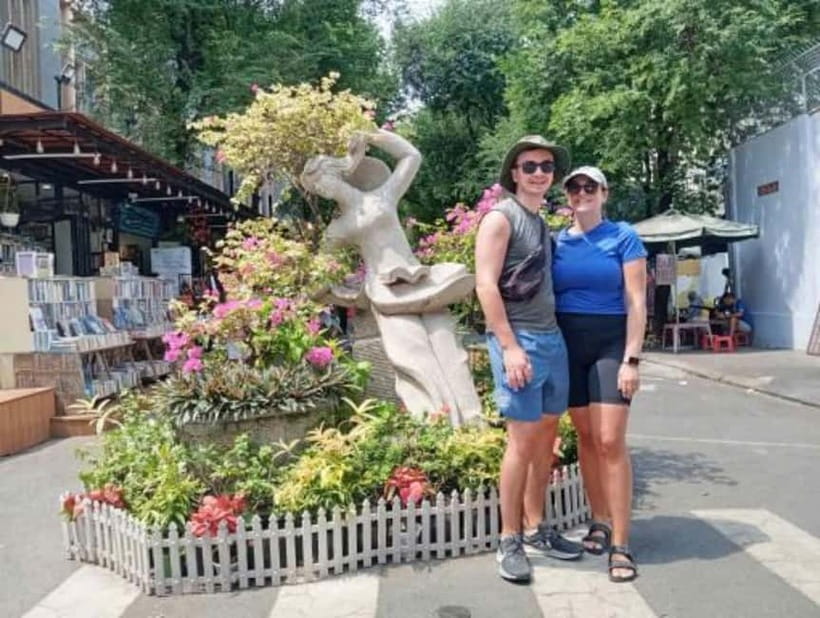
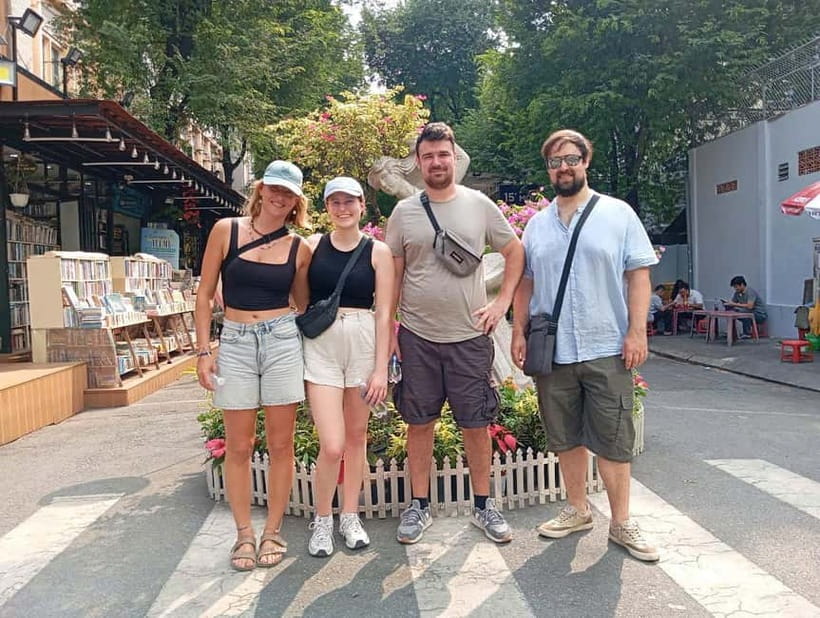
Right next to it is Book Street, a place for book lovers. The tour includes this culinary book / Book Street experience, which adds a different texture than the main landmarks. Instead of only seeing grand structures, you get something more personal and hobby-driven—like walking through an idea of the city.
If you enjoy browsing, slow down here. Even if you don’t buy anything, you’ll likely find visuals—posters, titles, and shop layouts—that make the city feel lived in, not just visited.
Turtle Lake and the Pink Church: finishing with character
As the walk wraps up, you visit Turtle Lake—both in terms of what it has meant in the past and how it’s seen now. This stop is nice because it adds a softer, calmer setting to the itinerary. You’re not only walking from landmark to landmark; you’re getting a breather that still connects to place.
Then you go to the Pink Church. This is the kind of stop that gives you “only in this city” energy. The color alone makes it memorable, but the guide’s context helps it feel like a real part of the neighborhood story, not a random photo spot.
At the end, you can finish at your hotel or wherever you want to be dropped in the area, which is handy because your day in Saigon isn’t supposed to end with a forced return to one location.
What to expect from the guide (and why it matters)
This tour lives or dies by the guide. In the best case, you leave with more than pictures—you leave with street-level confidence.
My experience with Hoanf highlighted what you should look for: detailed explanations, consistent safety checks, and smart attention to obstacles. He took plenty of photos of me as a solo traveler and made sure I stayed steady on uneven pavement, not just during crosswalk moments. That kind of care is real value when you’re navigating a city where scooters move quickly and sidewalks can be unpredictable.
Also, the tour is run in English, and it’s a live guide, so you can ask questions. That flexibility helps a lot when you want context for something you’re seeing right in front of you.
Small-group benefits: comfort, not chaos
With a maximum of 5 participants, you’re more likely to get personal attention—timing adjustments, quick guidance when a street gets crowded, and answers that aren’t rushed.
For me, the sweet spot is that you still feel like you’re exploring with a group, but you’re not stuck behind ten people. You can look closely at details, and the guide can keep the flow without you feeling herded.
If you don’t love group tours, this small size is a big plus.
Who this walking tour suits best
This is a strong fit if you want:
- A practical way to see key sights in the center without spending your whole trip on transit
- A guide who explains what you’re looking at, not just where to stand
- A mix of major landmarks and “small city” moments like Book Street
It’s less ideal if:
- You need mobility assistance, because it’s not suitable for people with mobility impairments or wheelchair users
- You hate walking in sun and want a mostly seated itinerary (this is outdoor, and weather matters)
Tips to make your 3-hour walk easier
You’ll be happier if you treat this like a mini workout and not a casual stroll.
- Wear comfortable shoes you can walk in for a few hours.
- Bring water and plan for heat and sun with a hat and sunscreen.
- Bring your camera if you like photos, but keep a steady pace—some areas change quickly with traffic.
- Dress for light weather, and expect changing conditions, since the route is outdoors.
Also, follow local customs. It’s a city you’re walking through, not a stage set.
FAQ
How long is the tour?
The duration is 3 hours.
Where does the tour start?
The meeting point is at Tao Dan Park.
Is the tour wheelchair-friendly?
No. It is not suitable for people with mobility impairments or wheelchair users.
What’s included in the tour?
You’ll visit the Hindu Temple, tour Ben Thanh Market, go to Nguyen Hue Square and the Ho Chi Minh City People’s Committee, walk along the Saigon River and Nha Rong Wharf, explore the Opera House, Notre Dame Cathedral, and the Saigon Post Office, enjoy the Book Street experience next to the SG Post Office, and visit Turtle Lake and the Pink Church.
What is not included?
Hotel pickup and drop-off and meals are not included.
What should I bring?
Bring comfortable shoes, a hat, a camera, sunscreen, and water.
Can I cancel for a refund?
Yes. You can cancel up to 24 hours in advance for a full refund.
Should you book this Ho Chi Minh City walking tour?
If you want a value-packed 3-hour walk that mixes famous landmarks with everyday city texture, I think it’s an easy yes. You get a tight route through key sights—Hindu Temple, Ben Thanh Market, Nguyen Hue Square, riverfront history at Nha Rong Wharf, French-period architecture at Notre Dame and the Saigon Post Office, plus fun additions like Book Street, Turtle Lake, and the Pink Church.
I’d book it especially if you like walking with a guide who pays attention to details and keeps you safe. The small group size (up to 5) and an English-speaking guide like Hoanf are the kind of ingredients that make a short tour feel worth it.