REVIEW · HO CHI MINH CITY
Ho Chi Minh: Discover Cu Chi Tunnels Half-Day Tour
Book on GetYourGuide →Operated by Sky Travel · Bookable on GetYourGuide
Tunnels under Saigon change how you see history. This half-day Cu Chi Tunnels tour is interesting because you don’t just read about the Vietnam War, you walk through a system of underground living and fighting that stretches over 200 km. I also like how the guide ties the underground spaces to everyday survival, from hiding spots to kitchens and hospitals, not just battle stories. A fair consideration: the tour isn’t for you if you struggle with tight, uneven spaces, so comfortable shoes matter.
I like the value of what’s included for the price: round-trip transfers from central Ho Chi Minh, bottled water, and a warm break with hot tea and steamed tapioca. The vibe is practical, not theatrical, and it’s easy to learn quickly even if you’re new to the conflict. One last heads-up: the optional rifle shooting is extra, so don’t plan on that being included in the $22.
In This Review
- Key Points You Should Know
- What Cu Chi Tunnels Teach You About War and Daily Survival
- How the Half-Day Schedule Works From Ho Chi Minh City
- The Underground Walk: Rooms, Kitchens, Hospitals, and Trap Systems
- The Hiding Spots and Tight-Space Realities That Stick With You
- AK-47 and MK-16 Shooting: Optional, Extra, and Best for the Right Mindset
- Rice Paper and Rice Wine: The Culture Stop You’ll Actually Remember
- The War Remnant Museum Pass on the Way Back
- Price and Value: What $22 Really Includes (and What Costs Extra)
- Who This Cu Chi Half-Day Tour Is Best For
- Should You Book This Cu Chi Tunnels Tour?
- FAQ
- FAQ
- How long is the Cu Chi Tunnels half-day tour?
- Where do I meet for the tour in Ho Chi Minh City?
- What’s included in the tour price?
- Are meals included?
- Can I pay for rifle shooting during the tour?
- Is there a surcharge for public holidays?
- What should I bring?
- Is the tour wheelchair accessible?
- What about kids under 4?
- What languages do the guides speak?
Key Points You Should Know
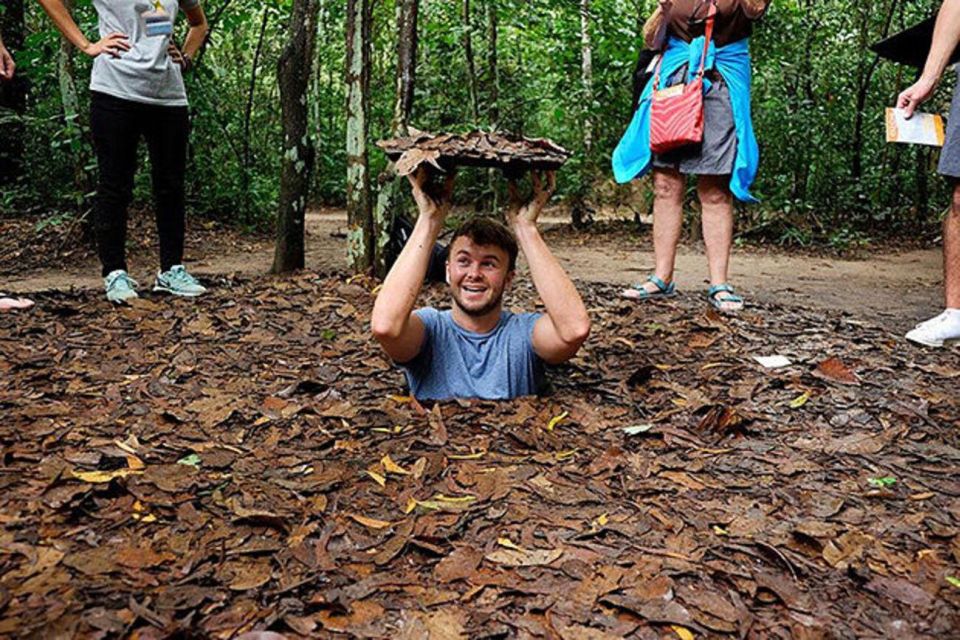
- Real underground design: a zigzag network with concealed rooms, kitchens, armories, and hospitals
- War and daily life together: the guide connects tactics to how people lived underground
- Optional rifle range: you can shoot an AK-47 or MK-16, but the shooting fee isn’t included
- Cultural add-on: you’ll hear how locals make rice paper and rice wine
- Two start times: morning and late afternoon options with transfers back to the city
What Cu Chi Tunnels Teach You About War and Daily Survival
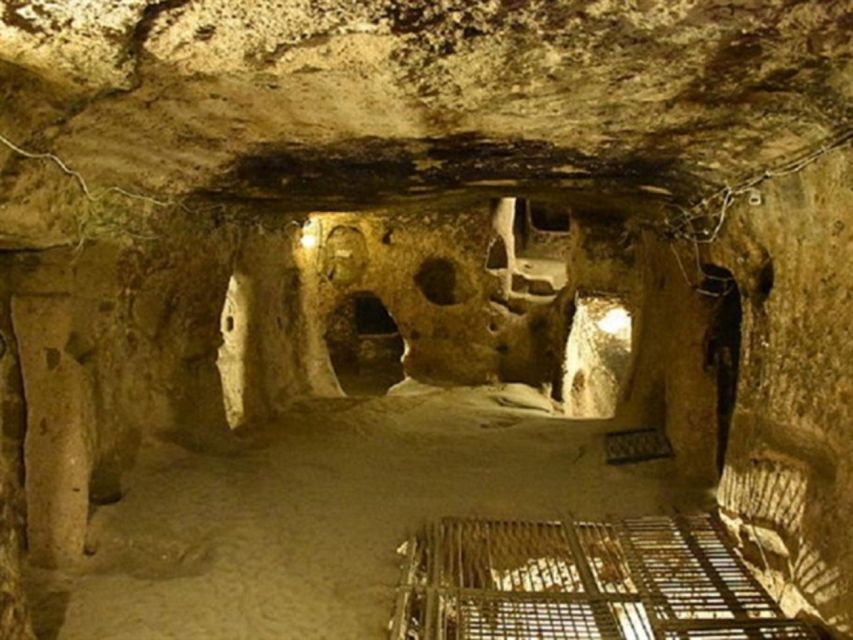
Cu Chi isn’t just a tourist stop. It’s a living lesson in how people adapted when everything above ground could get hit. The tunnel network is described as a zigzag system of over 200 km, built for movement, concealment, and survival. Even without technical background, you can feel the logic: passages are designed to slow, confuse, and protect.
What I find most useful is the way the tour frames the tunnels as both a defensive tool and a home base. You’ll see underground areas tied to daily life: secret rooms, living spaces, kitchens, armories, and hospitals for soldiers. When your feet are on the same kind of route they used, those words stop being abstract. They become rooms with purpose.
And because the tour also includes context about history and culture, it helps you connect the underground world to the wider Vietnam War story. It’s not only about tactics; it’s about creativity under pressure, including hiding spots and clever ways to manage constant risk.
You can also read our reviews of more tours and experiences in Ho Chi Minh City


How the Half-Day Schedule Works From Ho Chi Minh City

This tour is set up for people who want a meaningful day trip without losing the whole day. It’s about 7 hours in total, with round-trip transfers from central Ho Chi Minh. You meet at 165 Pham Ngu Lao St, Dist 1.
There are two departures:
- 7:45am departure, returning around 3:00pm
- 12:45pm departure, returning around 7:00pm
That second slot is especially helpful if you’re trying to sleep in or plan other activities in the morning. Either way, you’ll get guided time during the day, not just a quick entrance ticket.
One practical perk: the tour includes bottled drinking water and hot tea plus steamed tapioca. That small comfort matters on a day that includes walking and time outside the city. It also means you’re less dependent on finding snacks immediately on arrival.
The Underground Walk: Rooms, Kitchens, Hospitals, and Trap Systems

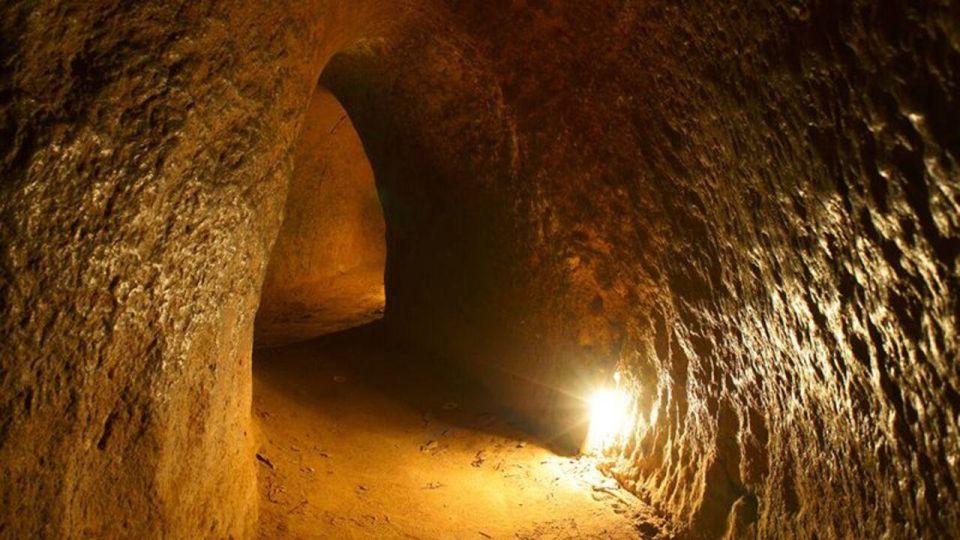
When you enter the Cu Chi tunnel area, you’re stepping into a designed maze. The system is described as underground zigzag networks, and you’ll be guided through different sections that show how soldiers used the space to their advantage. Expect to move around a variety of elaborate labyrinths and structures.
Here’s what you should watch for as you go:
- Living and support spaces: kitchens, armories, and hospital areas help you understand maintenance and care, not just fighting
- Secret rooms: these communicate how people reduced exposure and stored what they needed
- Hiding spots: the guide points out where guerrilla soldiers could stay out of sight and reposition
- Booby traps: you’ll see evidence of defensive measures created to protect key areas
The tour also mentions remnants of artillery units used during the war after walking deeper into the underground site. That sequence gives you a useful shift in perspective: you start with daily survival spaces, then you move toward the heavier military elements.
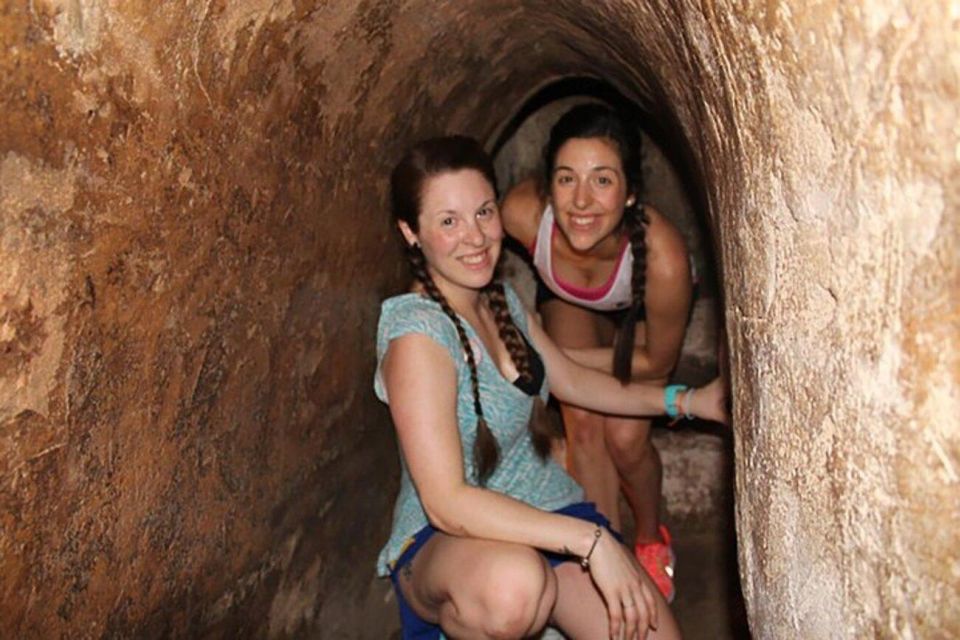
One more thing you’ll want to mentally prepare for: even if you’re not crawling, you’ll likely experience constricted, uneven terrain and lots of moving between points. If you’re claustrophobic or have difficulty with physically demanding walking, this is the point where you’ll feel it most.
The Hiding Spots and Tight-Space Realities That Stick With You
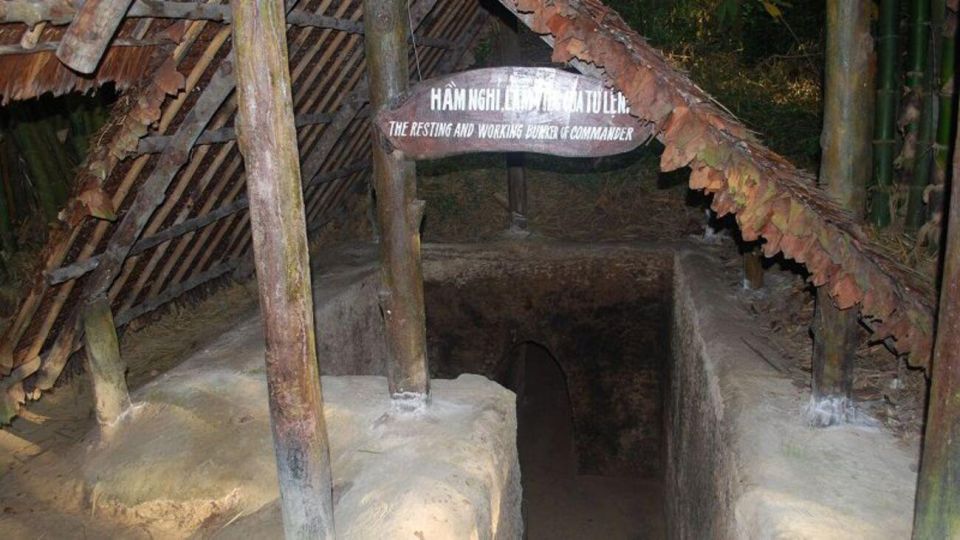
People often talk about tunnels like they’re only for escape. Here, you’ll see a different purpose: control. The guide’s explanation of hiding spots and the layout’s zigzag pattern helps you understand why the tunnels were so effective at creating advantage in battle.
As you wander through different labyrinths, look at the “why” behind the routes. Zigzags are not random. They can help disrupt direct lines of movement and reduce predictability. It’s also why the underground isn’t just a single corridor. It’s a network built for switching options when conditions changed.
The tour experience gets more serious as you go deeper. That deeper walk leads to viewing remnants of different artillery units. It’s a strong contrast: the underground can be both a place to live and a place to support military actions. You’ll likely come away with a clearer sense of how much planning went into survival, not just resistance.
AK-47 and MK-16 Shooting: Optional, Extra, and Best for the Right Mindset
One of the reasons people choose this tour is the option to visit the designated shooting range. You may get a chance to experience firing an AK-47 or MK-16 rifle, but the rifle shooting fee is not included in the tour price.
That detail matters for your planning. If you want to shoot, bring extra money. If you don’t, you can still enjoy the main tunnel experience without feeling like you’re missing the best part.
Also, be thoughtful about your mindset. For many visitors, the shooting component can feel like a different type of learning. It turns the story from history into a physical activity. If that doesn’t sit right with you, skip it. If you’re curious, treat it as an optional add-on, not the center of the day.



Rice Paper and Rice Wine: The Culture Stop You’ll Actually Remember
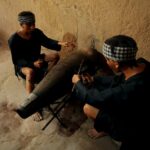
Not every Cu Chi tour includes food culture in a meaningful way. Here, you’ll learn how locals make rice products, including rice paper and rice wine. This is more than a quick demo. It’s a reminder that life continued through the war years, with traditions and daily work that didn’t disappear.
The tour also includes hot tea and steamed tapioca. So you’re not just hearing about local production and habits. You get a small taste experience during the trip.
Even if your interest in Vietnam is mostly history-driven, this part helps you balance the heavy tone of the tunnels. It makes the story more human. It also gives you something concrete you can talk about later besides war and underground corridors.
The War Remnant Museum Pass on the Way Back
On the return trip, you can pass by the War Remnant Museum. The wording here is important: it’s described as a pass, meaning you may not have the full museum time you’d get from a dedicated museum visit.
Still, it’s a helpful opportunity if you love history and you want a second stop. If you’re already thinking about visiting the museum separately, this pass can act like a preview. If you decide to skip it, you’re not losing your main tour value, because the tunnels are the core experience.
Price and Value: What $22 Really Includes (and What Costs Extra)
At $22 per person, this tour is positioned as a budget-friendly way to reach a major historical site from Ho Chi Minh. What makes the price feel fair is what’s included:
- Admission to the attractions
- An English/Vietnamese-speaking guide
- Bottled water
- Hot tea and steamed tapioca
- Round-trip transfers to and from the meeting point in central city
What’s not included is equally important:
- Meals and beverages
- Personal expenses
- The shooting gun fee
So the real question isn’t just the sticker price. It’s whether you’re comfortable handling your own meals and whether you plan to add the optional shooting experience. If you eat before and after the tour, you’ll likely find the day works smoothly.
There’s also a public holiday surcharge mentioned: an extra 100,000 VND per person paid in cash for public-holiday bookings. If you’re traveling around major dates, that’s worth planning for so you don’t get surprised at the last minute.
Who This Cu Chi Half-Day Tour Is Best For
This is a great fit if you want a guided, structured history experience with real context and tangible details. I’d especially recommend it if you like learning by seeing how space works, not only reading about it. The combination of tunnels, underground life details, and cultural notes like rice paper and rice wine gives you more than one angle on Vietnam.
You should think twice if you have mobility limitations. The tour is not suitable for people with mobility impairments and wheelchair users. Also, it’s clearly geared toward people who can manage active walking and changing terrain around the tunnel areas.
It’s also not a pet-friendly option: pets aren’t allowed (with the note that assistance dogs are allowed). If you’re traveling with an assistance dog, you’re still welcome, but you’ll want to confirm any practical details when you book.
For language, you’ll travel with an English guide (and it’s also listed as English/Vietnamese-speaking). That’s a good balance for most visitors who want explanations without relying on a translation app.
Should You Book This Cu Chi Tunnels Tour?
If you’re short on time in Ho Chi Minh and you want a guided visit to Cu Chi Tunnels that covers underground daily life and war context, I’d book this. The included transfers, water, and warm break make it feel well set up for a day trip. And the overall rating shown by recent verified bookings is very strong, including a recent note from Lenora from Brazil praising the guide as great.
Where I’d hesitate is if you dislike physically demanding, tight-space environments. Even with a guide helping you navigate, the tunnel concept is inherently restrictive. If that’s you, skip this and choose a different kind of Vietnam War history experience.
FAQ
FAQ
How long is the Cu Chi Tunnels half-day tour?
The tour duration is listed as 7 hours. One departure runs from 7:45am to about 3:00pm, and the other runs from 12:45pm to about 7:00pm.
Where do I meet for the tour in Ho Chi Minh City?
The meeting point is 165 Pham Ngu Lao St, Dist 1, Ho Chi Minh.
What’s included in the tour price?
Included items are admission to attractions, an English/Vietnamese-speaking guide, bottled drinking water, hot tea and steamed tapioca, and round-trip transfers from the central meeting point.
Are meals included?
No. Meals and beverages are not included.
Can I pay for rifle shooting during the tour?
You may have a chance to fire an AK-47 or MK-16 at the designated shooting range, but the shooting gun fee is not included in the tour fee.
Is there a surcharge for public holidays?
Yes. It’s listed as an extra 100,000 VND per person paid in cash for bookings on public holidays.
What should I bring?
You should bring comfortable shoes.
Is the tour wheelchair accessible?
No. It is not suitable for wheelchair users or people with mobility impairments.
What about kids under 4?
Children under 4 are free of charge and share all services with parents. There is a maximum of 1 child under 4 joining with 2 adults.
What languages do the guides speak?
The tour notes English as the main language, and it also lists English/Vietnamese-speaking guide.