REVIEW · HO CHI MINH CITY
Ho Chi Minh City: Vietnamese Specialty Coffee Journey
Book on GetYourGuide →Operated by iO Coffee · Bookable on GetYourGuide
Coffee starts as a cherry, not a cup. In this 2-hour Ho Chi Minh City class, I like the hands-on roasting and the chance to make Vietnamese Phin coffee yourself, plus a multi-sensory tasting that trains your palate. The only real catch is the time: you’ll learn a lot, but it’s a fast, focused primer, not a day-long farm deep dive.
You get the SCA-style structure of a specialty coffee introduction, with practical steps that connect processing choices to flavor in your cup. There’s also a welcome drink to settle you in, then you finish by brewing your own traditional Phin.
If you hate strong Vietnamese coffee or you’re expecting a tour to a real plantation far away from the city, this may feel a bit concentrated and lab-style. But if you like doing things with your hands and tasting the results right away, it’s a great use of a morning or afternoon.
In This Review
- Key highlights worth showing up for
- Why this coffee journey works so well in Ho Chi Minh City
- Meeting at iO Coffee Phu My Hung: what to know before you start
- Processing ripe cherries and sorting green beans: the farm-to-cup basics
- Roasting hands-on: three roast levels and your own flavor instincts
- Cupping and sensory tasting: learning what your palate is actually doing
- Brewing Vietnamese Phin coffee: the technique you can use at home
- What you’ll actually take away after the 2 hours
- Price and value: what $20 buys in real coffee learning time
- Who should book this, and who might prefer something else
- Should you book the Vietnamese specialty coffee journey?
- FAQ
- FAQ
- How long is the Vietnamese Specialty Coffee Journey?
- Where is the meeting point?
- How much does it cost?
- What drinks are included?
- What activities are included in the class?
- What languages are the instructors available in?
- Is there free cancellation?
Key highlights worth showing up for
- Hands-on green bean processing: select cherries, sort green beans, and handle the basics of how quality is built.
- Roasting at three levels: learn how roast changes flavor, then taste the difference.
- Cupping with a sensory approach: practice noticing what’s in the cup across roast levels.
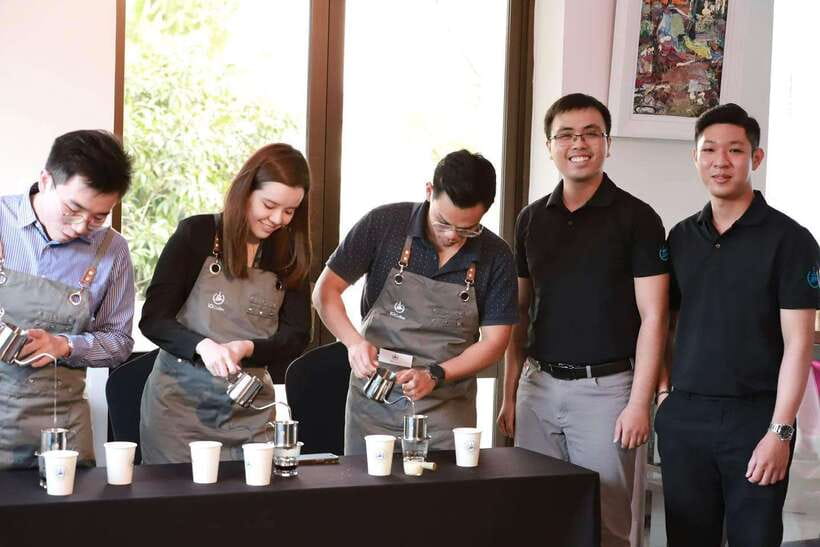
- Traditional Vietnamese Phin brewing: history plus practice, so you can brew at home.
- Fine Robusta focus: you learn how natural flavors from Robusta show up in Vietnamese-style coffee.
Why this coffee journey works so well in Ho Chi Minh City
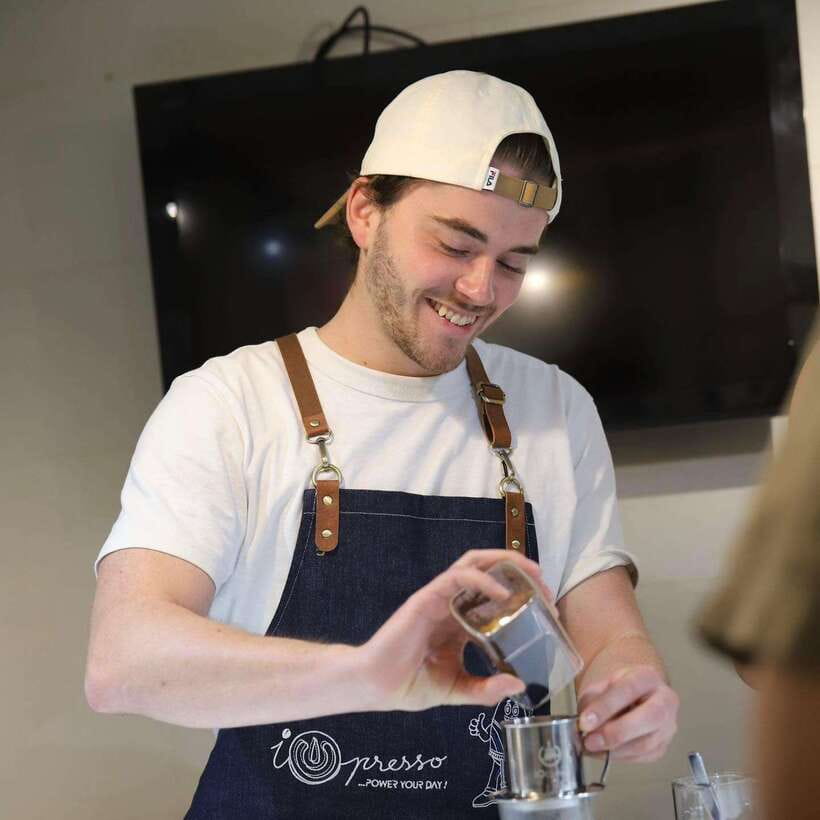
Ho Chi Minh City can feel like a nonstop blur. This experience is a nice reset. Instead of walking past coffee shops and guessing what you’re tasting, you learn how the coffee gets made and you taste the effects in the same session.
I also like the “from farm to cup” framing, because it stays practical. You’re not just watching; you’re doing tasks like processing and roasting basics, then using those lessons during tasting and brewing. That cause-and-effect is what makes the class stick.
At $20 per person for a 2-hour format, you’re paying for guided instruction plus multiple tasting moments and a hands-on brewing payoff. It’s not a bargain workshop where you barely touch anything. It’s closer to a short training session with real takeaways.
You can also read our reviews of more city tours in Ho Chi Minh City


Meeting at iO Coffee Phu My Hung: what to know before you start

You’ll meet at iO Coffee Phu My Hung: A 205, M7 Midtown. The provider lists English and Vietnamese instruction, so you should feel comfortable even if your Vietnamese is limited.
Because this runs for 2 hours, plan to arrive a few minutes early. You’ll want a clear head for the sensory parts—cupping and tasting go much better when you’re not rushing in or distracted by being late.
This class is also designed for active participation. If you prefer to watch quietly the whole time, you might not love the structure. If you’re happy getting hands-on, you’ll probably find it easier to follow and remember what you learn.
Processing ripe cherries and sorting green beans: the farm-to-cup basics
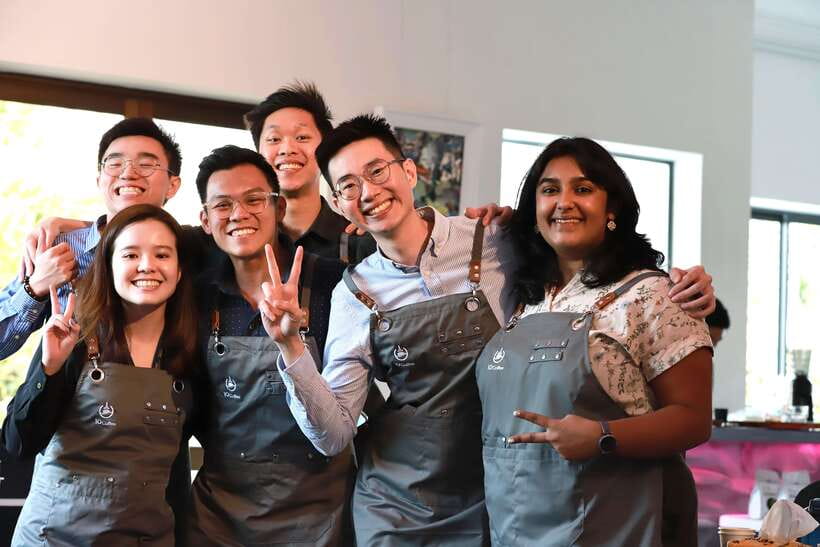
The session starts with the “what happens before the cup” side of coffee. You’ll get hands-on experience in processing, including how ripe cherries are selected and what ripe coffee cherries look like up close.
You’ll also see a small-scale demonstration of three different coffee processing methods. Even without being a full production plant, this kind of comparison is useful. The point isn’t memorizing jargon. It’s understanding that processing is a major flavor lever, not a minor footnote.
Then comes the quality part that I think most people underappreciate. You’ll learn how to distinguish low-quality coffee and you’ll personally select green beans to remove defective ones. That step matters because defects can dominate flavor, even if the rest of the batch is fine.
You’ll also explore the structure of ripe cherries and how that translates into what ends up as green beans. That bridge—from the fruit to the bean—is one of the reasons a short class like this feels more complete than a pure tasting.
Practical tip for you: during the sorting and comparisons, pay attention to what feels different visually or by texture. Later, in cupping, your brain will connect those early choices to flavors you notice.
Roasting hands-on: three roast levels and your own flavor instincts
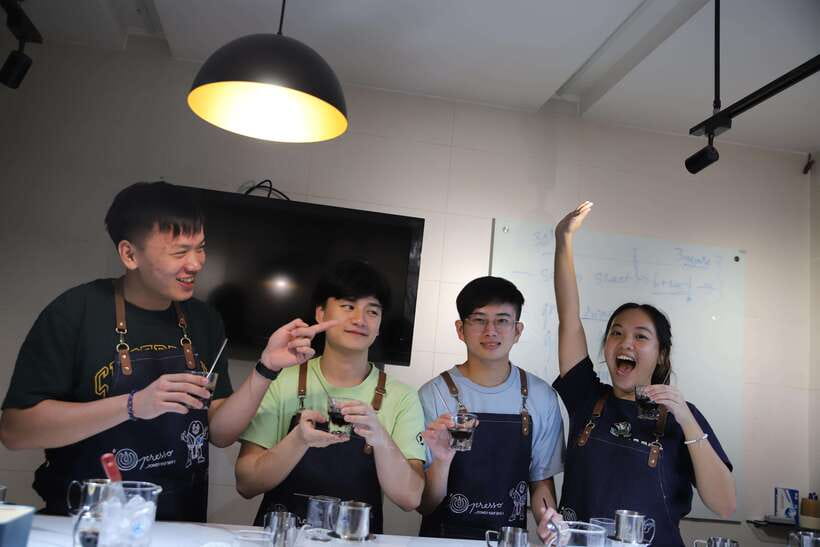
After the processing section, the class shifts to roasting. This is where a lot of people get hooked, because roast level is one of the fastest ways to change flavor.
You’ll experience hands-on coffee roasting, and you’ll taste and compare three roasting levels. The practical value here is that you’re training yourself to notice roast-related changes, like how lighter roasts often highlight different characteristics than darker ones.
You also get to discover what you prefer. That’s important because “best” is not universal. Some people want more sweetness and clarity; others want deeper, heavier notes. The roasting exercise helps you build preference with evidence, not just opinions from menus.
A consideration: roasting takes attention. If you’re the type who likes things slow and perfectly precise, this activity may feel like a guided workshop rather than a full technical roasting lab. Still, it’s hands-on, and you’ll feel the difference through the tasting.
Cupping and sensory tasting: learning what your palate is actually doing
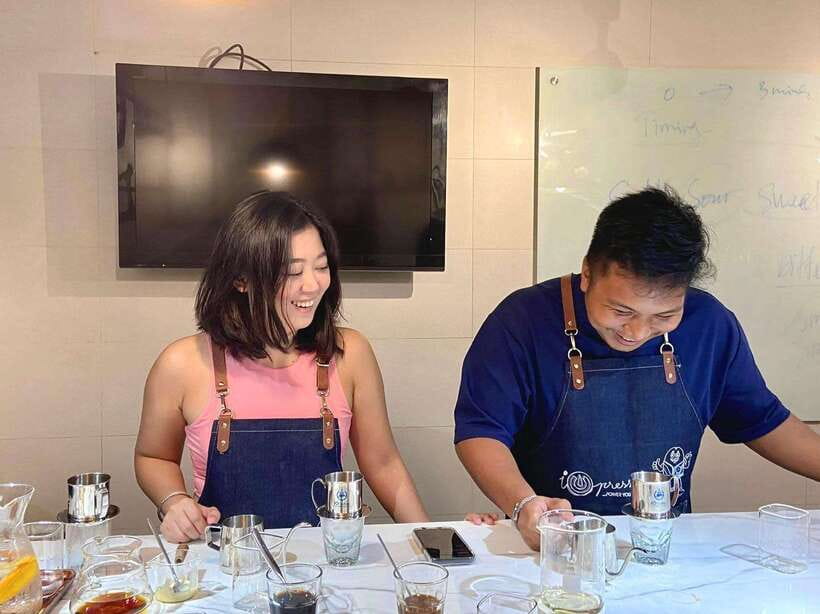
Cupping is where the class becomes more than a demo. You’ll engage your senses in a multi-sensory tasting experience, and the format includes flavor exploration across roast levels.
You’ll taste coffee with different roast levels and practice noticing what’s there. That matters because tasting without structure is hit-or-miss. Once you learn how to focus your senses, you start catching details you normally miss in a café.
If you’re a coffee drinker who usually picks based on vibes, cupping can change your shopping habits. You’ll start asking better questions, like whether you want a particular roast profile or how processing might affect what you taste.
How to get the most from cupping: keep your notes mental. Notice aroma first, then take a small sip, then evaluate how the flavor shifts. The class is built so you can connect what you roast to what you taste.
You can also read our reviews of more tours and experiences in Ho Chi Minh City

Brewing Vietnamese Phin coffee: the technique you can use at home
The last third of the experience is the Vietnamese side, and it’s the moment you get to make the drink yourself.
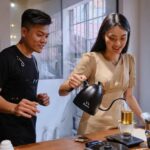
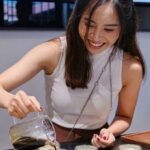
You’ll learn the history of traditional Vietnamese Phin coffee and then you’ll brew an authentic cup of Vietnamese Phin coffee. This isn’t just a photo-op. The idea is that once you understand the method, you can reproduce it with similar beans later.
You’ll also get to explore the natural flavors of Vietnam’s Fine Robusta coffee beans. Robusta is a big part of Vietnamese coffee culture, and the Phin method helps bring out a distinctive profile. If you normally treat robusta as a “budget” bean, this is the part that can change your perspective.
You’ll have two beverages during the tour: a welcome drink first, and then your brewed Phin coffee. Having the class brew-to-cup finish is a smart design. You taste earlier lessons, then end with the technique that turns lessons into something you can drink.
One more practical note: Phin brewing is a slow ritual compared with an espresso machine. If you dislike waiting, keep in mind that the payoff is part of the method. You’re training patience and technique as much as flavor recognition.
What you’ll actually take away after the 2 hours
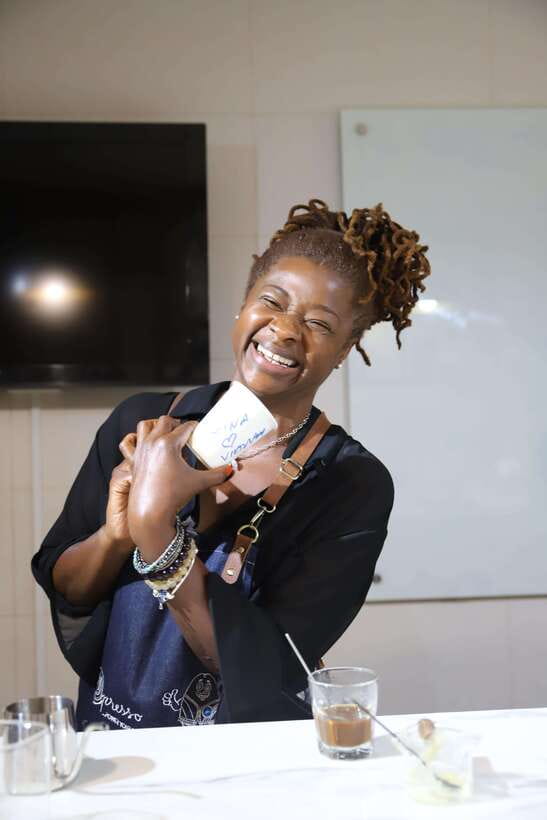
The biggest value of this experience is the connection between decisions and outcomes. You don’t just learn that processing matters. You handle green beans and quality selection. You don’t just hear that roast matters. You roast and compare three levels. Then you finish with Phin brewing so you’re not stuck theorizing.
That “chain” is what helps you order better coffee later. Even if you don’t remember every technical term, you’ll remember what different steps change in taste and aroma.
Another takeaway is confidence. Vietnamese Phin coffee can seem mysterious if you’ve never used the device. By the time you brew your own cup, you’re no longer reliant on a barista to interpret everything for you. You can follow the method and adjust based on what you prefer.
And because the class is based on an SCA-style introduction, the session feels organized. Instead of bouncing between random coffee facts, it moves in a logical path: processing → roasting → tasting → brewing.
Price and value: what $20 buys in real coffee learning time
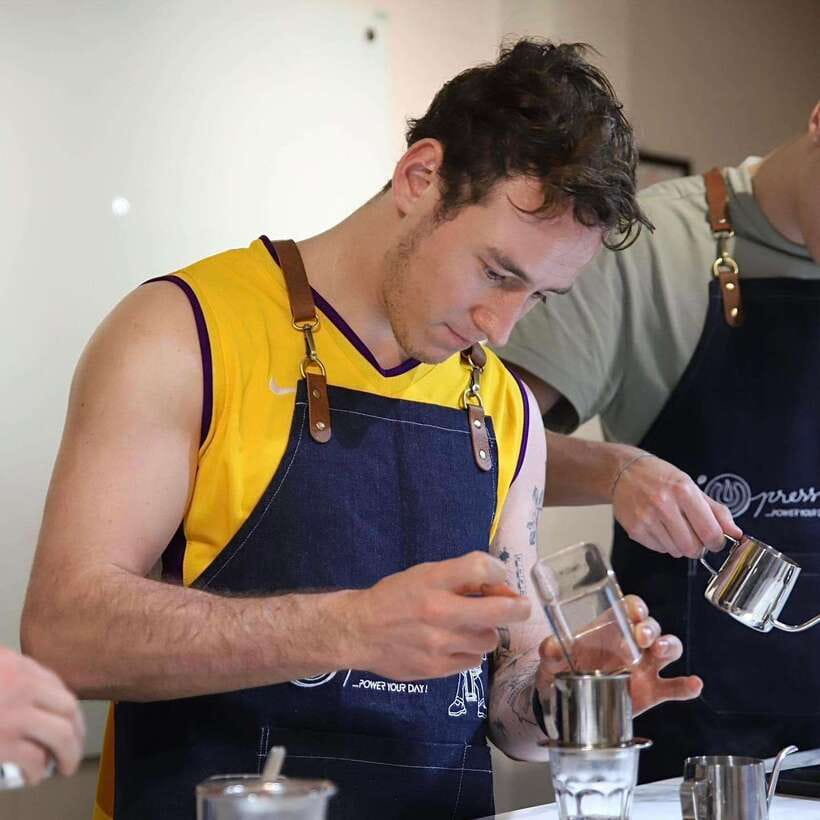
For $20 per person with a 2-hour duration, you’re paying for several high-value components:
- Multiple stages of instruction (processing, roasting, tasting, brewing)
- Hands-on participation rather than passive viewing
- A welcome drink plus a final Phin coffee you brew
- Structured comparison across roast levels and processing methods
What makes it good value is that the cost includes the experience, not just the lesson. You leave with a cup you made, a sense of roast profile, and a working understanding of Vietnamese Phin technique.
It’s also a reasonable length for busy schedules. You can fit it without turning your day into a half-vacation. In a city where coffee shops are everywhere, this format helps you avoid wasting time guessing.
Who should book this, and who might prefer something else
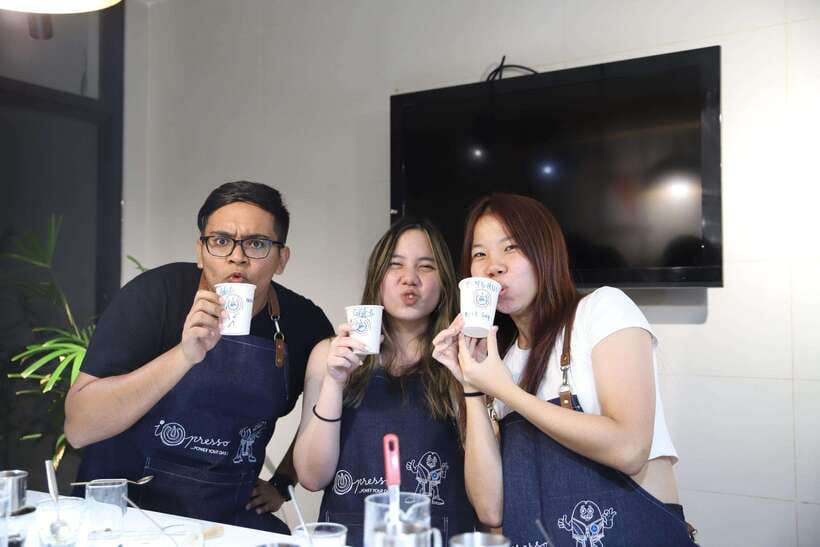
This class is a strong match for you if:
- You want a hands-on coffee training session in a short time
- You like tasting across roast levels and want structure
- You want to learn Vietnamese coffee technique, not just read about it
- You drink coffee regularly and want to improve how you pick and brew
You might skip it if:
- You don’t like hands-on activities
- You expect a long farm outing with lots of travel time
- You strongly dislike robusta-style coffee flavors
From the feedback I saw in verified bookings, people consistently praised the learning from coffee process to technique and the instructors’ energy and clarity. That kind of consistency is a good sign for a class like this, where you want the method to make sense quickly.
Should you book the Vietnamese specialty coffee journey?
Yes—if you want real coffee skills in a compact format, this is one of the smarter ways to spend a couple of hours in Ho Chi Minh City. The best reason to book is the combination: you touch the coffee process, you taste the differences, and you brew the Vietnamese Phin yourself.
If you’re on the fence, choose it when you want something interactive, not just another coffee stop. And if you already love Vietnamese coffee, this is the type of class that helps you understand why it tastes the way it does, so you can order and brew with more intention.
FAQ
FAQ
How long is the Vietnamese Specialty Coffee Journey?
The experience lasts 2 hours.
Where is the meeting point?
Please meet at iO Coffee Phu My Hung: A 205, M7 Midtown.
How much does it cost?
The price is $20 per person.
What drinks are included?
You’ll have a welcome drink and Vietnamese Phin coffee.
What activities are included in the class?
The class includes hands-on green bean processing, roasting, tasting (cupping) sessions, and brewing traditional Vietnamese Phin coffee.
What languages are the instructors available in?
The instructor(s) offer English and Vietnamese.
Is there free cancellation?
Yes. You can cancel up to 24 hours in advance for a full refund.