REVIEW · HO CHI MINH CITY
Top-rated Home Cooking Class with a River View AC Kitchen
Book on Viator →Operated by Lua's Kitchen - Vietnamese Homestyle Cooking Class · Bookable on Viator
River views and Vietnamese home cooking in one class. At Lua’s Kitchen in Ho Chi Minh City, you cook 3 dishes from scratch in a spotless, air-conditioned kitchen while learning in a warm, family-friends mood. The river view adds a calm, almost surprising touch to a hands-on class.
What I like most is how practical the teaching is. Lua guides you step by step, and the food plan is built around fresh, high-quality ingredients with no MSG added. Menus can be tailored for vegetarian, vegan, pescatarian, gluten-free, lactose-intolerant, and other special diets.
One thing to consider: there is no pickup service. You’ll meet at Copac Square and get back there after 3 hours, so plan your route in advance. And since everyone cooks in the same shared kitchen (no separate stations), it is best if you’re comfortable working side-by-side.
In This Review
- Key highlights you’ll actually feel during the class
- River-View Comfort: Cooking in Ho Chi Minh City without the heat
- Meet Lua, and expect a calm, real home-cooking approach
- What you cook: 3 dishes from scratch, with menu tailoring
- Diet-friendly menus that are more than a checkbox
- How the 3-hour class actually works (and how to get the most from it)
- The shared kitchen part: a small trade-off
- The optional market visit: when it’s worth paying extra
- Price and value: why $41.55 can make sense in Saigon
- Logistics in plain terms: where to meet and how to plan your timing
- Who this cooking class is for (and who might prefer something else)
- Should you book Lua’s Kitchen? My take
- FAQ
- Where do I meet, and does it end there too?
- How long is the cooking class?
- What is the maximum group size?
- Can the menu be adapted for dietary restrictions?
- Does the class use MSG?
- How many dishes will we make?
- Is there an optional market visit, and what does it cost?
- Is pickup provided?
- What happens if I need to cancel, or if weather affects the class?
Key highlights you’ll actually feel during the class
- Air-conditioned kitchen with a river view while you cook, not a hot, chaotic back-alley setup
- Lua’s teaching style: clear, step-by-step guidance with real cooking tips and stories
- Diet customization is real, including vegetarian, vegan, gluten-free, and lactose-intolerant options
- No MSG added and a focus on fresh, high-quality ingredients
- 3 dishes from scratch done together, in one shared kitchen workspace
- Optional market visit (paid extra) if you want ingredient context
River-View Comfort: Cooking in Ho Chi Minh City without the heat
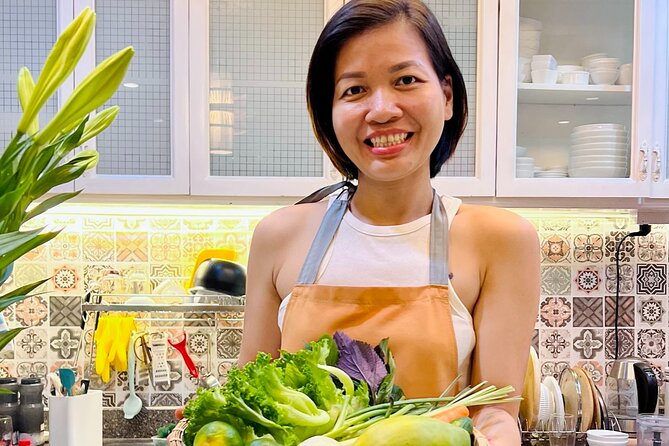
In Ho Chi Minh City, cooking classes can range from tidy to totally improvised. This one is different because the kitchen is spotless and air-conditioned, so you can focus on learning rather than sweating through it. Even better, you cook with breathtaking river views, which makes the whole experience feel less like a workshop and more like a nice home visit.
The setting also matters for your confidence. When you’re comfortable, you ask better questions and you actually remember the steps for later. You’re not fighting distractions like cramped space or awkward tools.
A small group format helps too. The class caps at 8 travelers, so you’re not lost in the crowd. That size is usually the difference between nodding along and getting your technique corrected.
You can also read our reviews of more cooking classes in Ho Chi Minh City

Meet Lua, and expect a calm, real home-cooking approach
The instructor, Lua, is the heart of the experience. She grew up in Northern Vietnam and then lived in the South for 28 years, so her cooking perspective reflects more than one regional style. She also brings travel experience from 17 other countries, and her English skills are described as excellent, which makes the instructions easier to follow.
What you’re really buying here is the style of teaching. The class is built like cooking with a host who wants you to succeed. Lua walks you step by step through each part of the process, so you get more than a list of ingredients. You learn why certain steps come first, how to adjust as you go, and what to watch for in the kitchen.
You’ll also get stories and cooking tips, not just technical steps. In my mind, that is what turns a class from food entertainment into something you can repeat at home. When you understand the logic, you stop needing the exact same brand of ingredient or equipment.
One extra detail I appreciated from the vibe: the teaching is described as friendly and fun, with a relaxed energy. That matters because Vietnamese home cooking includes little judgment calls, like how intense a flavor should be or how to balance acidity and richness.
What you cook: 3 dishes from scratch, with menu tailoring
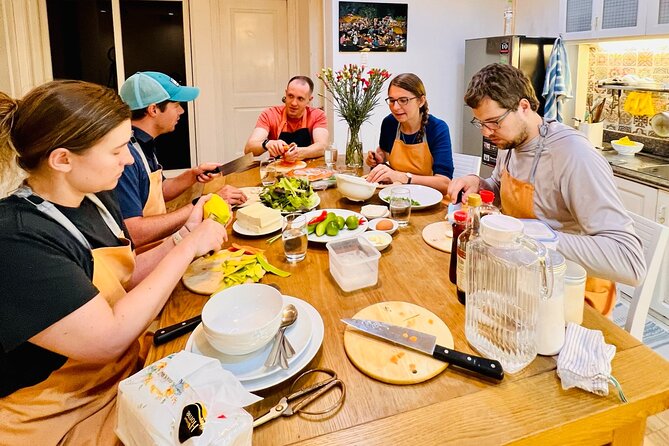
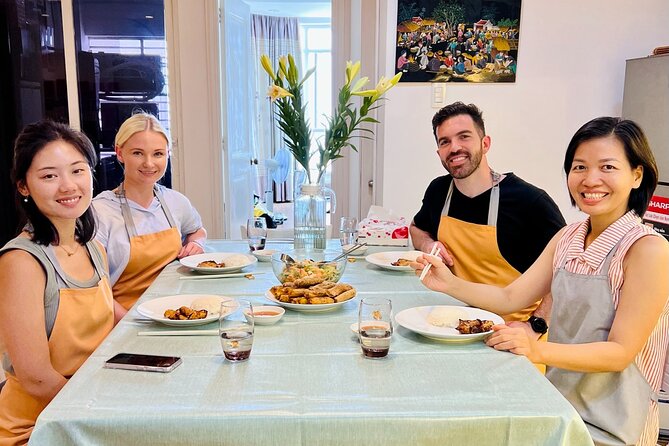
This class has a simple structure that works. You prepare 3 dishes from scratch together, and you do them in one shared kitchen setting. There are no separate stations for different people, which means you watch, help, and learn as the group moves through the cooking flow.
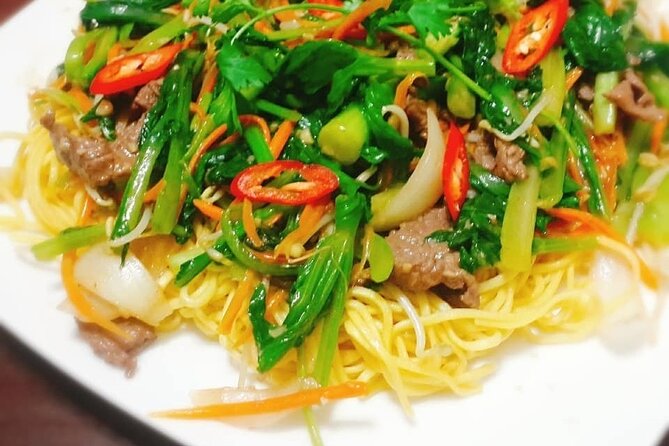
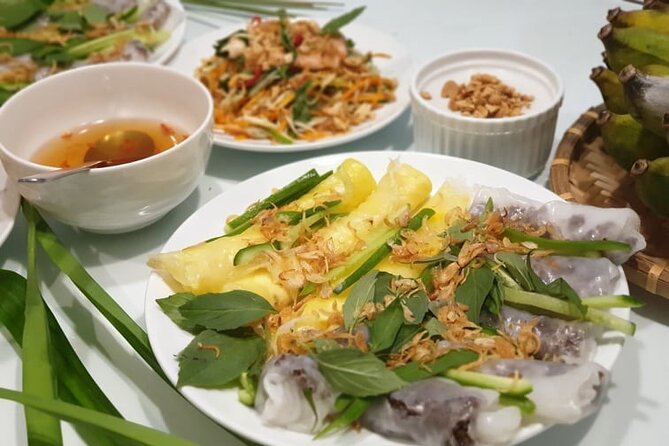
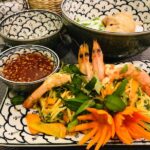
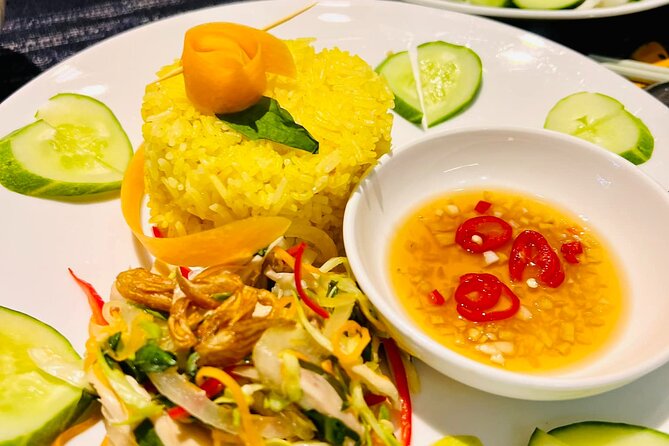
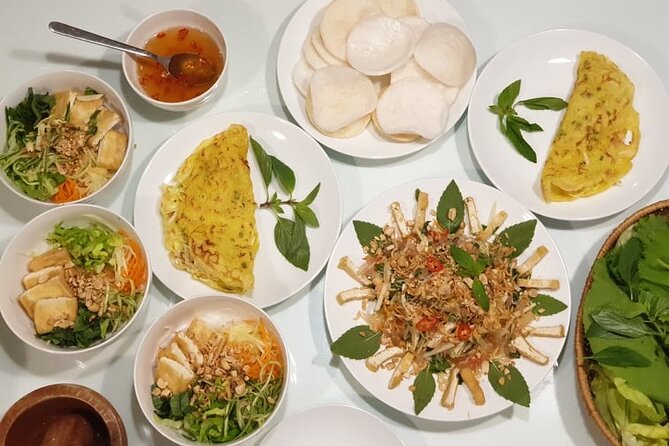
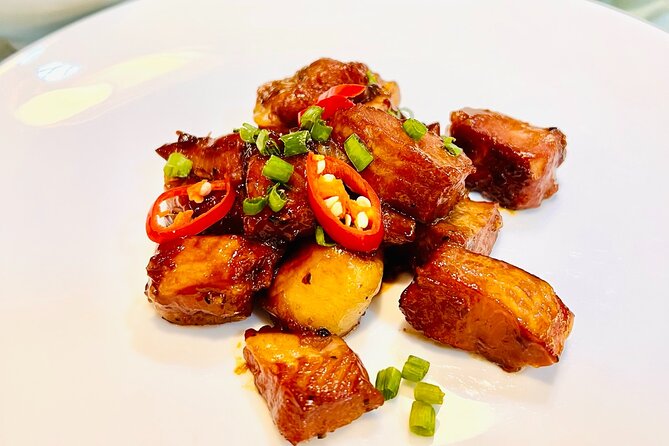
The exact dishes can vary, but the format is consistent: fresh ingredients, hands-on prep, and cooking the full dish steps together. One example menu mentioned in the experience includes items like shrimp papaya salad, braised fish, and chicken pho. If you want specific dishes, you can request them when you book.
Here’s the value of this setup: you’re not tasting five tiny bites and leaving hungry. You’re producing real meals you can understand. By the end, you know how the dishes are built—texture, seasoning, and timing—rather than just collecting a few photos.
Diet-friendly menus that are more than a checkbox
The class is designed for special diets, including vegetarian, vegan, pescatarian, gluten-free, and lactose-intolerant options. The idea is that the menu can be tailored, not that you get an apology portion.
That makes a huge difference if you have food limits. Some cooking classes treat dietary needs like a separate side request. Here, the teaching approach is described as flexible enough that you stay part of the cooking rhythm.
Also, the ingredient philosophy is clear: no MSG added and a focus on fresh, high-quality ingredients. That matters for taste, but it also matters for how you understand seasoning. You get a model for Vietnamese flavor that is not built on convenience chemicals.
How the 3-hour class actually works (and how to get the most from it)
The experience runs about 3 hours, and it starts and ends at the meeting point. Within that window, you’ll go from prep to cooking without the long waiting that some classes suffer from.
Because you’re cooking the same menu together, everyone is doing something meaningful. Some tasks are chop-heavy, some involve mixing or timing, and some are more about watching heat and consistency. If you’re new to Vietnamese cooking, this shared workflow is helpful: you can copy movements and learn by doing, even when you are assigned to a smaller task.
Lua’s step-by-step guidance is where you’ll likely feel the biggest payoff. When instructors keep explanations vague, you end up guessing. Here, the class is described as easy to follow, with tips and tricks during the process. That is exactly what you want if you plan to cook at home later.
You can also read our reviews of more tours and experiences in Ho Chi Minh City

The shared kitchen part: a small trade-off
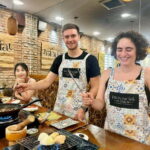
The shared kitchen setup is worth calling out. Since everyone cooks together in one workspace, you are elbow-to-elbow at times. If you like quiet, personal control, that might feel a little busy. But if you like collaboration and learning from observation, it’s ideal.
It also speeds learning. When you see another person’s technique (or hear Lua correct them), you improve faster. That is hard to replicate in a class where you sit on the sidelines.
The optional market visit: when it’s worth paying extra
If you want to go deeper, there is an optional market visit. It costs VND150,000 per person. The class notes make it clear that this is optional, which is smart because not everyone wants extra walking before cooking.
This market stop can be valuable because it connects ingredients to decisions. Vietnamese cooking depends on herbs, aromatics, and fresh produce, and seeing them up close helps you understand flavor choices. If you’re planning to cook Vietnamese food after the trip, the market visit can make your later grocery trips feel less random.
That said, you might skip it if you are short on time, traveling light, or you already feel confident buying similar ingredients back home. Since the core experience includes 3 dishes from scratch with step-by-step instruction, you do not need the market visit to have a satisfying class.
Price and value: why $41.55 can make sense in Saigon
At $41.55 per person for about 3 hours, this class is priced in a way that feels fair for what you get. You’re not just eating; you’re learning to cook. That alone makes a cooking class different from a meal.
The value stacks up in several places:
- AC kitchen + river views (comfort is not an add-on here)
- Small group size (max 8), which supports hands-on teaching
- Fresh, high-quality ingredients with no MSG added
- Menu flexibility for many diets
- 3 dishes from scratch, not samples
If you’re the type of traveler who wants one memorable activity that you can repeat later, this fits that profile. And because it is hosted in a home setting, it usually feels more grounded than high-volume cooking tourism.
One more practical detail: it’s a mobile ticket experience with confirmation at booking time. That reduces stress when you’re juggling multiple plans.
Logistics in plain terms: where to meet and how to plan your timing
You’ll meet at Copac Square, 12 Đ. Tôn Đản, Phường 13, Quận 4, Ho Chi Minh City. The activity ends back at the same meeting point. There is no pickup service, so make sure you can get there smoothly.
The start is near public transportation, which helps. Still, because you’re meeting at a specific address rather than at a hotel, it’s smart to check your route before you go. If you’re using ride-hailing, keep in mind that drivers sometimes need the exact building name or a nearby landmark.
Time-wise, treat this as a firm 3-hour block. Cooking classes can run slightly long when everyone is learning at different speeds. Plan a meal before or after you’ll be hungry, and give yourself a little buffer if you have another activity scheduled.
Who this cooking class is for (and who might prefer something else)
This experience is a great fit if you want:
- a hands-on Ho Chi Minh City cooking class with real instruction
- Vietnamese home-style dishes you can actually recreate
- diet-friendly customization without making it awkward
- a comfortable setting with air-conditioning and river views
It’s also a good choice for couples, solo travelers, and friends who enjoy learning in small groups. The maximum group size of 8 keeps it personal.
You might want a different style of class if you strongly prefer quiet one-on-one coaching, because this is a shared kitchen and everyone follows the same menu flow. Also, if you rely on pickup to get around, you’ll need to handle the route yourself since there is no pickup.
Should you book Lua’s Kitchen? My take
Yes—if you want Vietnamese cooking that feels practical, friendly, and repeatable. The combination of step-by-step teaching, fresh no MSG ingredients, and the chance to make 3 dishes from scratch is hard to beat for the price. Add in the AC kitchen and river view, and you get a class that is comfortable enough to enjoy even if you are tired from sightseeing.
Book it especially if you care about dietary needs. The menu flexibility is explicitly part of the experience design, not a last-minute compromise.
If you hate logistics and need pickup, skip this or plan carefully. Otherwise, this is the kind of cooking class that gives you something to take home: not just flavor, but technique.
FAQ
Where do I meet, and does it end there too?
You start at Copac Square at 12 Đ. Tôn Đản, Phường 13, Quận 4, Thành phố Hồ Chí Minh, Vietnam. The activity ends back at the meeting point.
How long is the cooking class?
The class is about 3 hours.
What is the maximum group size?
The experience has a maximum of 8 travelers.
Can the menu be adapted for dietary restrictions?
Yes. Menus can be tailored for vegetarian/vegan, pescatarian, gluten-free, lactose-intolerant, or other special diets.
Does the class use MSG?
No. The cooking is described as having no MSG added.
How many dishes will we make?
You prepare 3 dishes from scratch together.
Is there an optional market visit, and what does it cost?
An optional market visit is available for VND150,000 per person.
Is pickup provided?
No pickup service is provided. The meeting point is near public transportation.
What happens if I need to cancel, or if weather affects the class?
Cancellation is free up to 24 hours in advance for a full refund. If canceled within 24 hours, the amount paid is not refunded. If the experience is canceled due to poor weather, you’ll be offered a different date or a full refund.